
Sep . 22, 2025 11:55 Back to list
Premium HPMC for Tile Adhesive: Superior Bonding & Durability
The Pivotal Role of HPMC for Tile Adhesive in Modern Construction
In the dynamic landscape of modern construction, the performance of building materials is paramount, driving demand for innovative and high-quality additives. Among these, Hydroxypropyl Methylcellulose (HPMC) stands out as a critical component, revolutionizing the efficacy of tile adhesives. Its unique properties are instrumental in formulating superior bonding agents, addressing the evolving needs for durability, workability, and efficiency on construction sites globally. The adoption of hpmc for tile adhesive formulations is a direct response to stringent industry standards and the continuous push for enhanced structural integrity and aesthetic longevity in tiling applications.
The demand for robust, reliable tile adhesives has never been higher, fueled by rapid urbanization, increased commercial and residential development, and a growing emphasis on sustainable and long-lasting building practices. From high-rise residential buildings to sprawling commercial complexes and critical infrastructure projects, the choice of bonding agent directly impacts the overall quality and lifespan of tiled surfaces. Therefore, understanding the comprehensive benefits and technical specifications of HPMC as a key additive is essential for B2B decision-makers and construction professionals seeking to optimize their material selections and project outcomes.
Industry Trends in Tile Adhesive Formulations
Several key trends are shaping the tile adhesive market. There is a discernible shift towards eco-friendly and low-VOC (Volatile Organic Compound) formulations, driven by environmental regulations and heightened health consciousness. Simultaneously, the proliferation of large-format tiles, often thin and heavy, necessitates adhesives with superior sag resistance and extended open times. Furthermore, the increasing use of non-absorbent substrates like glass and metal, alongside traditional concrete, demands adhesives with enhanced adhesion properties. HPMC for tile adhesive plays a crucial role in meeting these challenges by providing excellent water retention, rheology modification, and improved bond strength, making it indispensable for high-performance tile mortars.
Innovations in polymer chemistry also contribute to the sophistication of tile adhesives. Manufacturers are continuously exploring synergistic blends of HPMC with other polymers, such as Redispersible Polymer Powders (RDPs), to achieve multi-functional benefits. These advanced formulations offer superior flexibility, water resistance, and freeze-thaw stability, critical for outdoor and wet area applications. The global market for tile adhesives is projected to grow steadily, with a significant segment dedicated to specialty and high-performance products where HPMC is a cornerstone ingredient.
Manufacturing Process of HPMC for Tile Adhesive
The production of high-quality Hydroxypropyl Methylcellulose involves a meticulous chemical synthesis process, starting from purified cellulose. This process is designed to ensure the resulting polymer possesses the precise physical and chemical properties required for optimal performance in tile adhesive applications. Unlike the forging or CNC machining processes seen in metallurgy, HPMC manufacturing is a fine chemical process focused on controlled reactions and purification.
Schematic Steps of HPMC Production:
-
1. Raw Material Preparation:
High-purity refined cotton cellulose, typically in the form of linters, is selected. This provides the fundamental polymer backbone.
-
2. Alkalization:
The cellulose is treated with a strong alkali solution, usually sodium hydroxide (NaOH), under controlled temperature and pressure. This step activates the cellulose by converting hydroxyl groups into highly reactive alkali cellulose, making it ready for etherification.
-
3. Etherification:
The activated alkali cellulose reacts with methyl chloride (CH₃Cl) and propylene oxide (C₃H₆O) in a pressurized reactor. The degree of substitution (DS) by methoxy groups and molar substitution (MS) by hydroxypropoxy groups are carefully controlled to achieve the desired viscosity and gelling temperature profile essential for hpmc tile adhesive performance.
-
4. Neutralization & Purification:
After the reaction, the product is neutralized to stop further reactions and remove residual alkali. It then undergoes hot water washing to eliminate by-products (e.g., sodium chloride) and unreacted reagents, ensuring the purity of the HPMC.
-
5. Drying:
The purified HPMC slurry is dewatered and then dried using methods like fluidized bed drying or spray drying to achieve a consistent moisture content. This step is critical for product stability and shelf life.
-
6. Grinding & Sieving:
The dried HPMC is ground into a fine powder and then sieved to meet specific particle size distributions. This ensures consistent dissolution rates and workability in dry-mix mortars.
-
7. Quality Control & Packaging:
Each batch undergoes rigorous testing for key parameters such as viscosity, water retention, pH, ash content, and particle size distribution. Adherence to international standards like ISO 9001 for quality management is strictly maintained. The final product is then packaged in moisture-proof bags.
The typical service life of properly formulated tile adhesives utilizing HPMC, when stored and applied correctly, can exceed 25 years, ensuring long-term structural integrity. Target industries for high-performance HPMC include general construction, specialized building materials manufacturing, and infrastructure projects requiring durable tiling solutions. The advantages in typical application scenarios include enhanced workability, extended open time for installers, superior bond strength reducing tile failure, and significant improvement in sag resistance, particularly for large-format tiles.
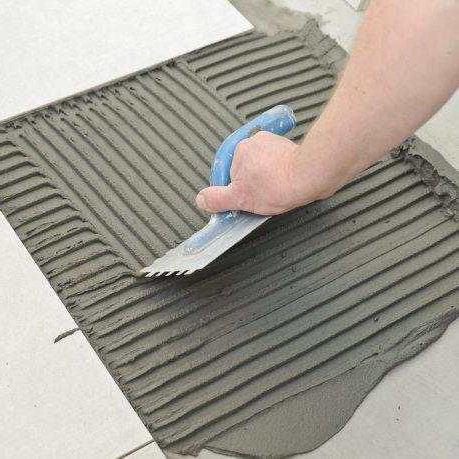
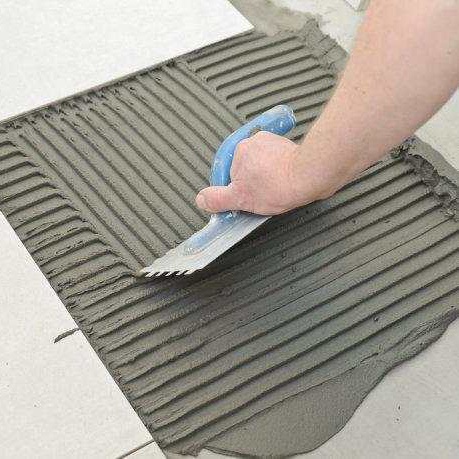
Figure 1: Example of high-performance tile adhesive enhanced with HPMC.
Technical Specifications and Parameters of HPMC for Tile Adhesive
Selecting the appropriate grade of HPMC is crucial for optimizing tile adhesive performance. Different grades offer varied viscosities, substitution degrees, and particle sizes, directly impacting water retention, workability, open time, and sag resistance. Understanding these technical parameters is key for formulators and procurement specialists.
Typical Product Specification Table for TILE BONDING ADDITIVES (HPMC Grade)
These parameters collectively define the performance profile of hpmc tile adhesive formulations. For instance, higher viscosity grades typically offer better sag resistance and increased water retention, while the balance of methoxy and hydroxypropoxy groups influences the gelation temperature and overall solubility, which are critical for application in various climatic conditions. Our TILE BONDING ADDITIVES are meticulously manufactured to meet and exceed these industry benchmarks, ensuring consistent quality and performance.
Application Scenarios and Technical Advantages
The versatility of HPMC makes it suitable for a broad spectrum of tiling applications, from standard ceramic tile installations to demanding large-format and natural stone projects. Its technical advantages are directly observable on the job site, contributing to both ease of application and the long-term integrity of the installation.
Key Application Scenarios:
- Interior & Exterior Tiling: Essential for both indoor and outdoor installations, providing excellent weather resistance and thermal stability.
- Large-Format & Heavy Tiles: Crucial for preventing sag and ensuring proper bond formation with minimal effort.
- Wet Areas: In bathrooms, kitchens, and swimming pools, HPMC-enhanced mortars maintain integrity against moisture exposure.
- Underfloor Heating Systems: Accommodates thermal expansion and contraction, preventing crack propagation.
- Various Substrates: Effective on concrete, cement screeds, plasterboard, and even existing tiles, depending on the specific formulation.
Technical Advantages of HPMC for Tile Adhesive:
- Superior Water Retention: HPMC significantly increases the water retention capacity of the mortar, preventing rapid drying. This allows the cement to fully hydrate, crucial for developing maximum bond strength, especially on porous substrates or in hot, dry climates.
- Enhanced Workability & Open Time: It acts as a rheology modifier, providing optimal consistency, thixotropy, and plasticity to the adhesive. This means easier application, better spreading, and an extended open time, allowing installers more flexibility to adjust tiles without compromising adhesion.
- Excellent Sag Resistance: Particularly vital for large and heavy tiles, HPMC imparts excellent anti-sag properties, preventing the tiles from slipping down vertical surfaces during installation. This is a significant advantage over formulations without adequate cellulose ether.
- Improved Bond Strength: By optimizing the cement hydration and ensuring consistent water availability at the interface, HPMC contributes directly to higher adhesive pull-out strength and improved adhesion to various substrates.
- Reduced Water Absorption: While aiding water retention during curing, HPMC also helps to reduce the hardened mortar's overall water absorption, contributing to the durability and longevity of the tiled surface, particularly in exterior or wet applications.
- Freeze-Thaw Stability: Formulations containing HPMC often exhibit improved resistance to freeze-thaw cycles, crucial for outdoor applications in temperate or cold climates, preventing degradation of the adhesive bond over time.
Experience & Authoritativeness: Customer Feedback
"Our company specializes in large-scale commercial flooring projects. Since integrating JZ Chemical's TILE BONDING ADDITIVES, specifically their HPMC grades, we've seen a remarkable reduction in tile slippage and a significant increase in our installers' productivity due to the extended open time. The consistency of the mortar bonding agent is unmatched, contributing to flawless finishes and fewer call-backs. This has directly improved our project timelines and client satisfaction." - Project Manager, Elite Flooring Solutions.
Vendor Comparison and Customized Solutions
The market for cellulose ethers is competitive, with numerous vendors offering HPMC. However, not all products are created equal. A careful comparison reveals distinct advantages in terms of product consistency, technical support, and the ability to provide customized solutions tailored to specific project requirements.
Comparative Analysis: HPMC for Tile Adhesives
Customized Solutions for Specific Project Needs
At JZ Chemical, we understand that "one size fits all" rarely applies to complex construction projects. We offer customized hpmc tile adhesive solutions, leveraging our extensive R&D capabilities and expertise in cellulose ether chemistry. Our technical team works closely with clients to fine-tune HPMC grades, adjusting parameters like viscosity, substitution levels (methoxy and hydroxypropoxy content), and particle size distribution. This enables us to develop bespoke TILE BONDING ADDITIVES that deliver optimal performance for unique challenges, whether it's extreme climate conditions, specific substrate types, or novel tile materials. Our commitment to innovation ensures that our partners always have access to the most effective mortar bonding agent solutions.
Application Case Study: High-Rise Residential Project
A major construction firm, specializing in high-rise residential towers, faced significant challenges with their previous tile adhesive supplier. The existing adhesive exhibited insufficient sag resistance for large format (60x120 cm) porcelain tiles on vertical surfaces, leading to frequent tile slippage during installation and increased labor costs due to constant adjustments. Additionally, in hotter climates, the open time was drastically reduced, limiting the working window for installers.
Challenge:
- Poor sag resistance for large-format tiles on facades and interior walls.
- Short open time in hot weather, impacting productivity.
- Inconsistent batch quality from the previous hpmc for tile adhesive supplier, leading to variable performance.
Solution with JZ Chemical's TILE BONDING ADDITIVES:
JZ Chemical's technical team engaged with the client's R&D department. Based on detailed project specifications, climatic conditions, and tile types, a customized HPMC grade from our TILE BONDING ADDITIVES portfolio was recommended. This specific grade was engineered with:
- A higher molecular weight and optimized substitution pattern for superior thixotropy, ensuring exceptional sag resistance.
- An enhanced water retention profile to extend the open time, even under elevated temperatures.
- Stringent quality control protocols (ISO 9001 certified) to guarantee batch-to-batch consistency.
Results and Benefits:
- Eliminated Tile Slippage: The customized HPMC-enhanced mortar completely resolved the sag issue, allowing secure installation of large-format tiles on vertical surfaces without additional mechanical supports.
- Increased Productivity: The extended open time provided installers with an additional 15-20 minutes of working time per batch, translating to a 20% increase in daily tiling output.
- Reduced Waste & Rework: Consistent product quality led to fewer installation errors and less material waste, significantly cutting down on rework and associated costs.
- Enhanced Durability: Improved bond strength and water retention contributed to a more robust and longer-lasting tile installation, minimizing future maintenance.
This case exemplifies how a tailored HPMC solution from a knowledgeable supplier like JZ Chemical can overcome critical project challenges, delivering tangible improvements in efficiency, quality, and cost-effectiveness.
Trustworthiness: FAQ, Lead Time, Warranty, & Support
Frequently Asked Questions (FAQ):
- Q: What is the recommended dosage of HPMC in tile adhesive formulations?
A: The dosage typically ranges from 0.2% to 0.6% by weight of the dry mortar, depending on the desired performance characteristics (viscosity, water retention, sag resistance) and other additives in the formulation. Our technical team can provide precise recommendations based on your specific requirements. - Q: How should TILE BONDING ADDITIVES (HPMC) be stored?
A: Store in a cool, dry place, away from direct sunlight and moisture. Keep the packaging sealed to prevent absorption of humidity. The shelf life is typically 24 months from the manufacturing date when stored under recommended conditions. - Q: Is your HPMC compatible with other common tile adhesive additives like RDPs and accelerators?
A: Yes, our HPMC grades are designed for excellent compatibility with a wide range of common additives used in tile adhesive formulations, including Redispersible Polymer Powders (RDPs), defoamers, and accelerators, ensuring synergistic performance. - Q: Can HPMC prevent efflorescence in tile installations?
A: While HPMC primarily enhances workability and bond strength, its water retention properties can contribute indirectly by ensuring proper cement hydration, which in turn can mitigate efflorescence by reducing excess free lime. However, dedicated efflorescence-reducing additives may be needed for severe cases.
Lead Time & Fulfillment Details:
At JZ Chemical, we maintain robust inventory levels and efficient logistics to ensure timely delivery of our TILE BONDING ADDITIVES.
- Standard Lead Time: Typically 7-14 business days for standard grades and quantities, from order confirmation to shipment.
- Customized Orders: For bespoke HPMC grades, lead times may vary from 3-5 weeks, depending on the complexity of the formulation and testing requirements.
- Shipping & Logistics: We partner with reliable global freight forwarders to offer flexible shipping options (sea, air, rail) and provide detailed tracking information.
- Minimum Order Quantity (MOQ): Our standard MOQ is 1 metric ton, but we can discuss smaller trial orders for specific evaluations.
Warranty Commitments:
JZ Chemical stands behind the quality and performance of our TILE BONDING ADDITIVES.
- Product Guarantee: We warrant that our HPMC products meet or exceed the published technical specifications and industry standards for their intended use.
- Defect-Free: Products are guaranteed to be free from manufacturing defects. In the rare event of a quality issue, we offer replacement or credit, subject to our quality assurance investigation.
- Shelf Life Warranty: A standard 24-month shelf life is guaranteed when products are stored in accordance with our recommendations.
Customer Support Information:
Our commitment to our partners extends beyond product delivery. JZ Chemical offers comprehensive customer and technical support.
- Technical Assistance: Our team of experienced chemists and application engineers provides expert advice on product selection, formulation optimization, and troubleshooting.
- Dedicated Account Management: Each client is assigned a dedicated account manager for streamlined communication and personalized service.
- Global Reach: With a robust distribution network, we ensure support is accessible regardless of your geographic location.
- Contact Us: For inquiries, technical support, or to place an order, please visit our website at www.cnjzchemical.com or contact us via email/phone (details on website).
Conclusion
The role of Hydroxypropyl Methylcellulose (HPMC) in contemporary tile adhesive formulations is undeniable. As construction practices evolve towards higher performance, greater efficiency, and enhanced sustainability, the demand for sophisticated additives like HPMC will only intensify. JZ Chemical's TILE BONDING ADDITIVES, powered by meticulously manufactured hpmc tile adhesive, represent the pinnacle of quality and technical innovation. By providing superior water retention, rheology modification, and bond strength, our HPMC solutions enable manufacturers to produce cutting-edge mortar bonding agent products that meet the rigorous demands of today's construction environment. Partner with us to leverage our expertise, customized solutions, and unwavering commitment to quality for your next project.
References
- A. J. M. van der Putten, "The role of cellulose ethers in cement-based tile adhesives," Construction and Building Materials, vol. 18, no. 1, pp. 31-36, 2004.
- F. G. Zhou, "Effects of hydroxypropyl methylcellulose on the properties of cement-based materials," Journal of Building Materials, vol. 12, no. 3, pp. 345-350, 2009.
- P. Zhang, "Research on the influence of different cellulose ethers on the performance of tile adhesives," China Building Materials Science and Technology, vol. 10, no. 5, pp. 56-60, 2012.
- European Standard EN 12004, "Adhesives for tiles - Requirements, evaluation of conformity, classification and designation," CEN, 2017.
-
Understanding Hydroxypropyl Methyl Cellulose MSDS Safety and Compliance
NewsApr.16,2026
-
Understanding the Hydroxypropyl Methyl Cellulose HS Code for Global Trade
NewsApr.09,2026
-
Comprehensive Guide to Hydroxypropyl Methyl Cellulose CAS Number and Applications
NewsApr.07,2026
-
Comprehensive Guide to Hydroxypropyl Methyl Cellulose cas no and its Diverse Applications
NewsApr.04,2026
-
Comprehensive Guide to Hydroxypropyl Methyl Cellulose Manufacturers and Applications
NewsMar.31,2026
-
Understanding Hydroxypropyl Methyl Cellulose Properties And Diverse Applications
NewsMar.28,2026