
Sep . 15, 2025 09:00 Back to list
Premium VAE Powder for Superior Adhesion & Flexibility
Introduction to VAE Powder in Modern Construction
In the rapidly evolving landscape of construction materials, the demand for high-performance additives that enhance durability, workability, and sustainability has never been greater. Among these, vae powder stands out as a critical component, revolutionizing a myriad of applications from tile adhesives to self-leveling compounds. As a specialized form of redispersible polymer powder, VAE (Vinyl Acetate-Ethylene) powder significantly improves the adhesion, flexibility, tensile strength, and water resistance of cement-based mortars and gypsums. This versatile rdp polymer is indispensable for modern construction projects, offering solutions that extend service life and optimize material performance across diverse environmental conditions.
This article delves into the intricacies of VAE powder, exploring its manufacturing process, technical specifications, diverse application scenarios, and the profound technical advantages it brings to various industries, particularly construction. We will also examine industry trends, considerations for vendor selection, customized solutions, and real-world case studies, alongside addressing crucial aspects of Google standards to ensure comprehensive insight and trustworthiness.
Industry Trends and Market Dynamics for Redispersible Polymer Powders
The global market for redispersible polymer powder is experiencing robust growth, driven by increasing urbanization, infrastructure development, and a strong emphasis on sustainable and high-performance building materials. Industry reports indicate a compound annual growth rate (CAGR) of over 6% for the RDP market, projected to reach significant valuation by 2028. Key trends shaping this market include:
- Growing Demand for Green Building Materials: The push for energy-efficient and environmentally friendly construction practices boosts the adoption of advanced additives like vae powder, which contribute to the longevity and performance of building components, reducing maintenance and replacement cycles.
- Innovation in Pre-mixed Mortars: The convenience and quality control offered by factory-blended dry-mix mortars are driving their widespread use, with rdp polymer being a fundamental ingredient.
- Rising Infrastructure Spending: Developing economies are heavily investing in public and commercial infrastructure, creating substantial demand for durable and high-performance construction chemicals.
- Specialized Applications: Increasing demand for specialized mortars for specific functions such as waterproofing, exterior insulation finishing systems (EIFS), and façade renovation further propels the market.
These trends highlight the critical role of VAE powder as a foundational component in meeting modern construction challenges, ensuring both structural integrity and operational efficiency.
Detailed Manufacturing Process of VAE Powder
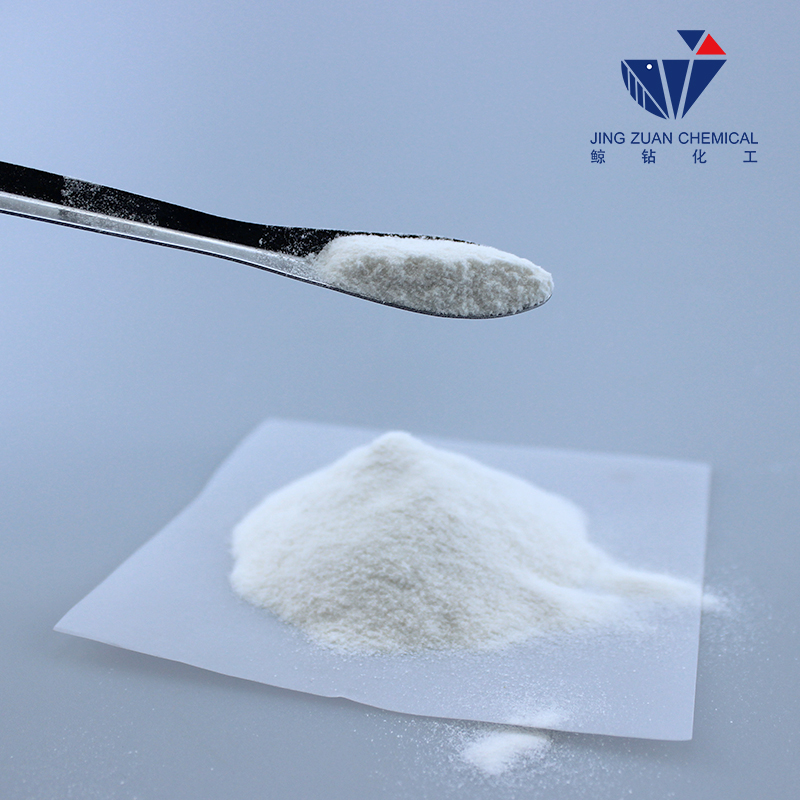
The production of vae powder is a sophisticated chemical engineering process designed to transform liquid VAE emulsions into a free-flowing, redispersible powder. This process ensures the polymer maintains its performance characteristics when re-emulsified in water at the job site. The typical manufacturing flow involves several key stages:
Step 1: Emulsion Polymerization
Vinyl acetate and ethylene monomers, along with initiators and protective colloids, undergo emulsion polymerization in a reactor to form a stable VAE emulsion.
Step 2: Additive Blending
The VAE emulsion is blended with various functional additives, including anti-caking agents and protective colloids, to ensure optimal spray-drying and subsequent redispersibility.
Step 3: Spray Drying
The prepared VAE emulsion is atomized into a hot drying chamber. Water evaporates rapidly, leaving behind fine polymer powder particles encapsulated by protective colloids.
Step 4: Cooling and Cyclonic Separation
The dry powder is separated from the hot air stream using cyclones, then cooled to prevent agglomeration and maintain its free-flowing properties.
Step 5: Screening and Packaging
The final vae powder undergoes screening to ensure consistent particle size distribution, followed by precise packaging into moisture-proof bags.
Throughout this process, stringent quality control measures are implemented. Testing standards, often conforming to ISO 9001, ensure consistent product quality, including parameters like redispersibility, ash content, particle size, and minimum film formation temperature. The selection of raw materials, particularly the purity of vinyl acetate and ethylene, is critical. The service life of materials incorporating vae powder is significantly extended due to enhanced adhesion and flexibility, leading to improved crack resistance and durability in target industries like construction and infrastructure.
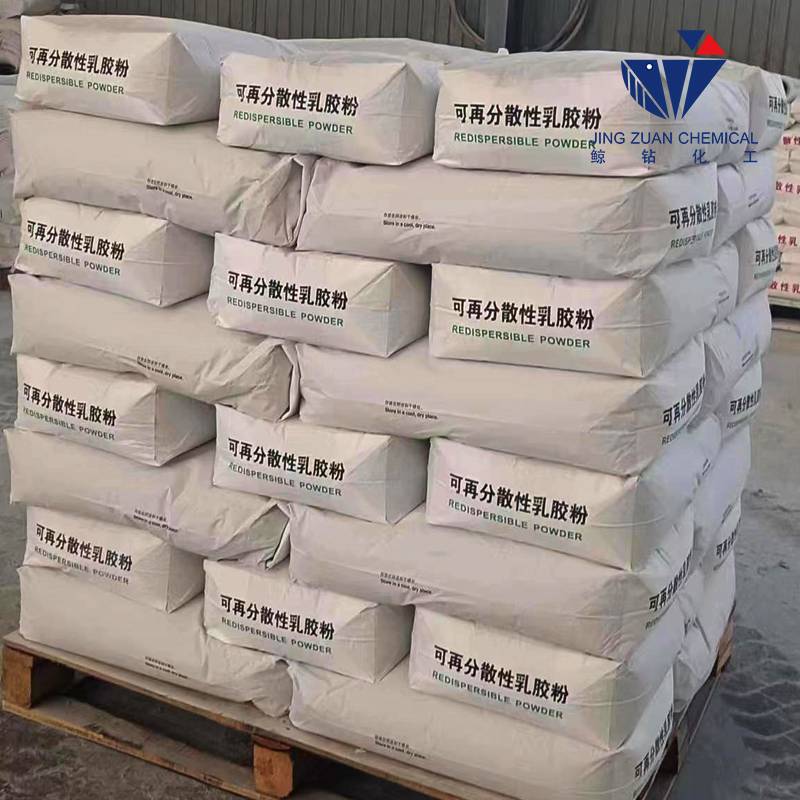
Figure 1: Advanced spray drying technology for vae powder production.
Technical Specifications and Performance Parameters of VAE Powder (RDP)
Understanding the technical specifications of vae powder is crucial for engineers and formulators to select the appropriate grade for specific applications. These parameters directly influence the performance of the final mortar or coating. Below is a representative table of typical technical specifications for high-quality rdp polymer.
| Parameter | Unit | Value Range | Testing Method |
|---|---|---|---|
| Appearance | - | White or off-white powder | Visual |
| Solid Content | % | ≥ 98.0 | ISO 3251 |
| Ash Content | % | 8.0 - 15.0 | DIN 53185 |
| Bulk Density | g/L | 450 - 550 | DIN 53468 |
| Particle Size | µm | ~80-120 (D50) | Laser Diffraction |
| pH Value (10% solution) | - | 7.0 - 9.0 | Electrometric |
| Minimum Film Formation Temperature (MFFT) | °C | 0-5 (depending on grade) | DIN 53787 |
| Glass Transition Temperature (Tg) | °C | ~ -5 to 10 (depending on grade) | DSC |
The MFFT (Minimum Film Formation Temperature) is particularly important as it indicates the lowest temperature at which the polymer particles can coalesce to form a continuous film. A lower MFFT signifies greater flexibility and better film formation in colder conditions. The glass transition temperature (Tg) is also critical, influencing the elasticity and hardness of the polymer film. These precise specifications enable formulators to create building materials with tailored performance characteristics, ensuring optimal bonding, flexibility, and overall durability.
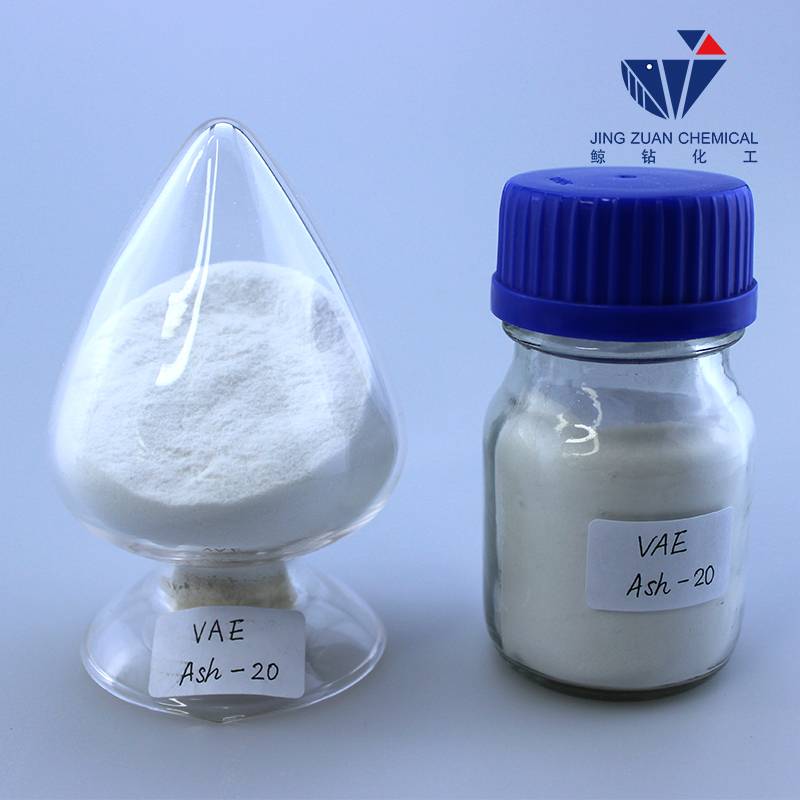
Figure 2: Quality control testing of vae powder for consistent performance.
Diverse Application Scenarios of VAE Powder
The versatility of vae powder makes it an indispensable additive across a wide array of construction and industrial applications. Its ability to impart superior adhesion, flexibility, and water resistance to cement and gypsum-based materials significantly enhances their performance and longevity. Target industries include residential and commercial construction, infrastructure development, and specialized renovation projects.
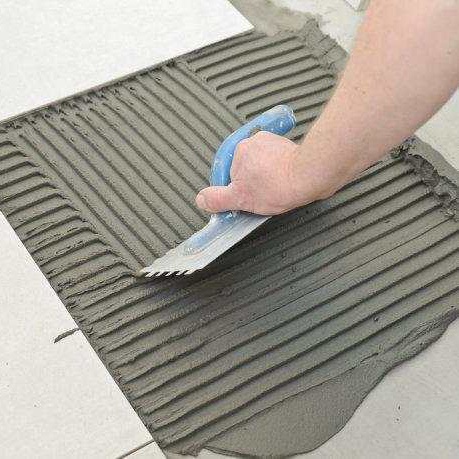
- Tile Adhesives: VAE powder is a key component in high-performance tile adhesives (e.g., C2TE grade), improving bond strength to various substrates (concrete, wood, old tiles) and enhancing flexibility to accommodate thermal expansion and contraction, preventing crack formation.
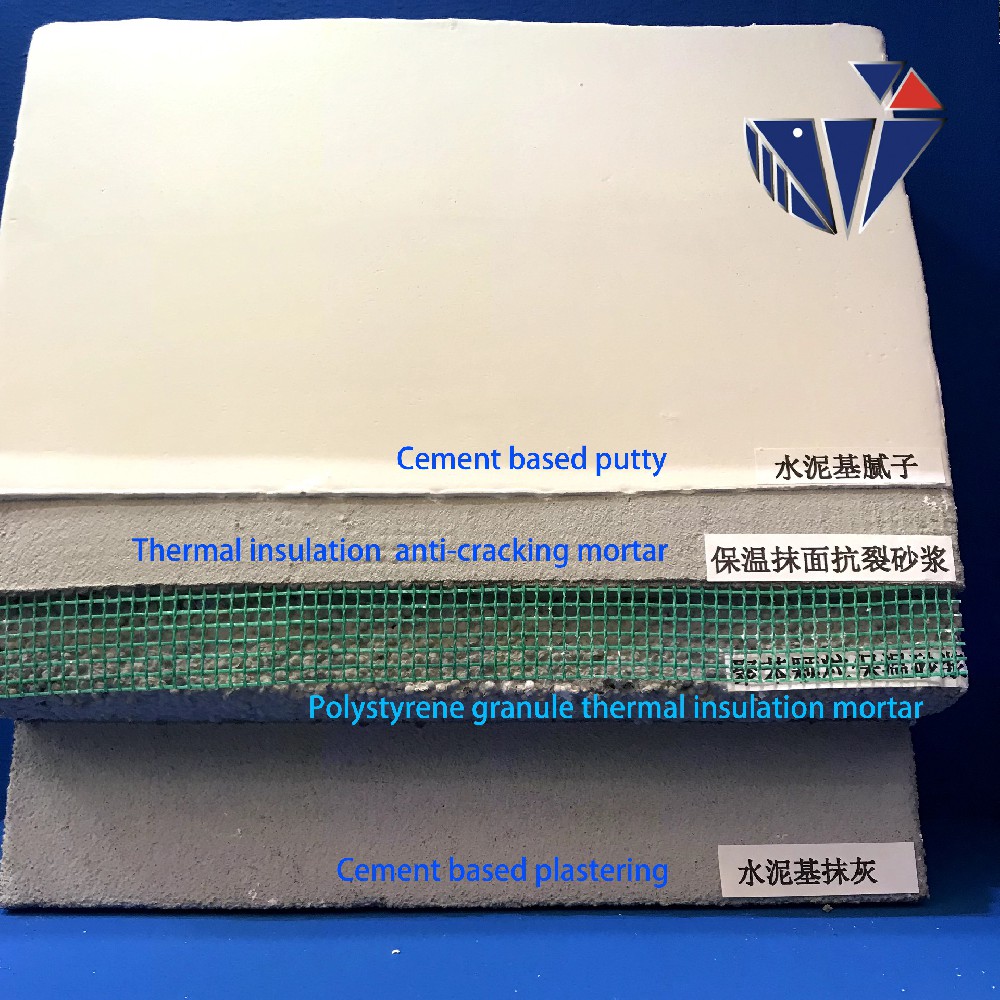
- Wall Putty/Skim Coats: It significantly improves the workability, adhesion, and crack resistance of wall putties and skim coats, resulting in smoother, more durable surfaces for painting or wallpapering.
- Exterior Insulation and Finish Systems (EIFS): In EIFS, vae powder enhances the adhesion of base coats to insulation boards and strengthens the render, contributing to the system's overall durability, impact resistance, and weatherability. This directly contributes to energy saving by ensuring the long-term integrity of the insulation.
- Self-Leveling Compounds (SLCs): Used in SLCs, it improves flow characteristics, reduces shrinkage, and enhances compressive and flexural strength, creating exceptionally smooth and level subfloors for various coverings.
- Repair Mortars: For concrete repair, VAE powder provides excellent adhesion to old concrete, reduces permeability, and improves mechanical properties, ensuring long-lasting and effective structural repairs.
- Cement-based Waterproofing Mortars: It boosts the water impermeability and flexibility of waterproofing slurries, forming a robust barrier against moisture ingress in basements, bathrooms, and roofs.
- Grouts: Enhances abrasion resistance, flexibility, and color consistency in tile grouts, making them more durable and less prone to cracking.
The application of vae powder leads to superior performance in typical scenarios, offering benefits like exceptional crack resistance in facades, enhanced adhesion for challenging substrates (e.g., large format tiles), and significantly improved durability and corrosion resistance for cementitious systems exposed to harsh environments.
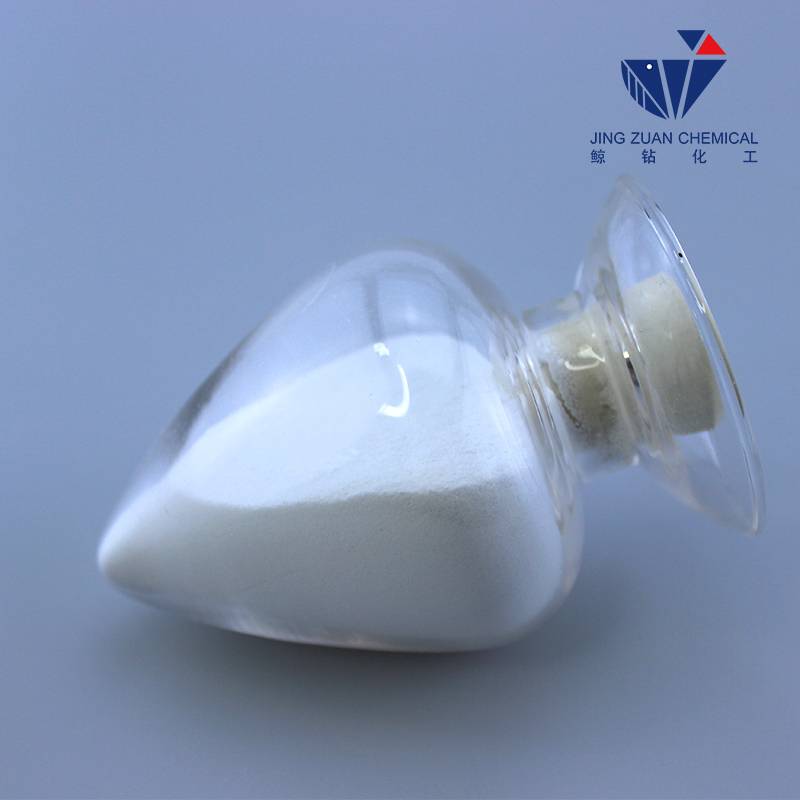
Figure 3: VAE powder improving the workability and bond strength of tile adhesive.
Technical Advantages and Performance Benefits
The incorporation of vae powder into various dry-mix formulations provides a multitude of technical advantages that directly translate into improved performance and cost-effectiveness for construction projects. These benefits stem from the unique polymeric properties of vinyl acetate-ethylene copolymers.
- Enhanced Adhesion: VAE powder forms a polymeric film that improves the bond strength to both porous and non-porous substrates. This is critical for tiling, rendering, and repairing, ensuring long-lasting connections.
- Increased Flexibility and Deformability: The elastic nature of the VAE film enhances the flexibility of brittle cementitious systems, allowing them to better withstand thermal expansion/contraction, substrate movement, and impact, thereby preventing cracking.
- Improved Water Resistance and Water Repellency: By forming a continuous, hydrophobic film, VAE powder significantly reduces the water absorption of mortars, crucial for exterior applications, bathrooms, and basements, thus enhancing corrosion resistance of reinforcing steel within the concrete.
- Superior Workability: It acts as a rheological modifier, improving the consistency, spreadability, and open time of mortars, making them easier to apply and reducing labor costs.
- Higher Cohesion and Reduced Sag: VAE powder improves the internal cohesion of fresh mortars, preventing sag in vertical applications like wall tiling and rendering.
- Increased Abrasion Resistance: Hardened mortars with VAE polymer exhibit improved surface hardness and resistance to wear, making them suitable for high-traffic areas.
- Reduced Shrinkage and Crack Formation: The flexible polymer network helps to mitigate drying shrinkage stresses, leading to fewer cracks and improved aesthetic appeal and durability.
These combined advantages lead to more durable, aesthetically pleasing, and energy-efficient building structures, providing significant value to B2B clients through reduced maintenance costs and extended service life.
Vendor Comparison and Selection Criteria for RDP Polymer
Choosing the right supplier for rdp polymer, including high-quality vae powder, is paramount for ensuring consistent product quality and project success. While specific vendor names are beyond the scope, a comparative framework for evaluation includes:
| Criterion | Description | Importance Rating |
|---|---|---|
| Product Quality & Consistency | Adherence to stated technical specifications (ash content, MFFT, etc.) and batch-to-batch consistency. | Critical |
| Certifications & Compliance | ISO 9001 (Quality Management), ISO 14001 (Environmental), REACH compliance for global markets. | High |
| Technical Support & R&D | Availability of technical expertise, formulation guidance, and R&D capabilities for new product development or problem-solving. | High |
| Supply Chain Reliability | Consistent lead times, reliable logistics, and ability to fulfill large orders without disruption. | High |
| Customization Capabilities | Ability to tailor specific vae powder grades to unique client requirements or regional standards. | Medium-High |
| Pricing & Payment Terms | Competitive pricing structures and flexible payment options suitable for B2B transactions. | Medium |
Evaluating vendors against these criteria ensures not only the procurement of high-quality vae powder but also establishes a reliable partnership that supports long-term operational efficiency and innovation.
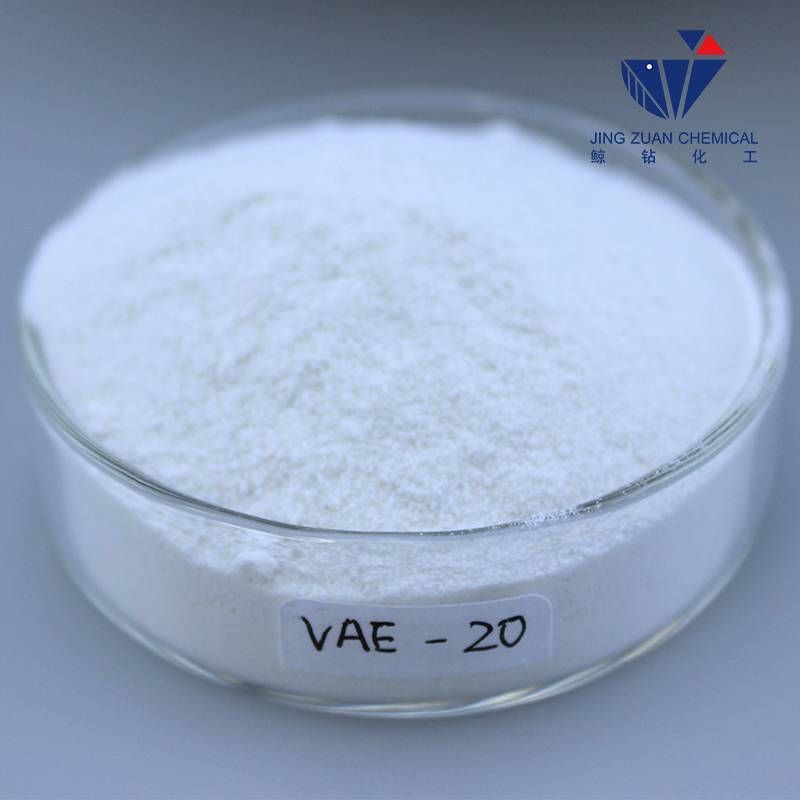
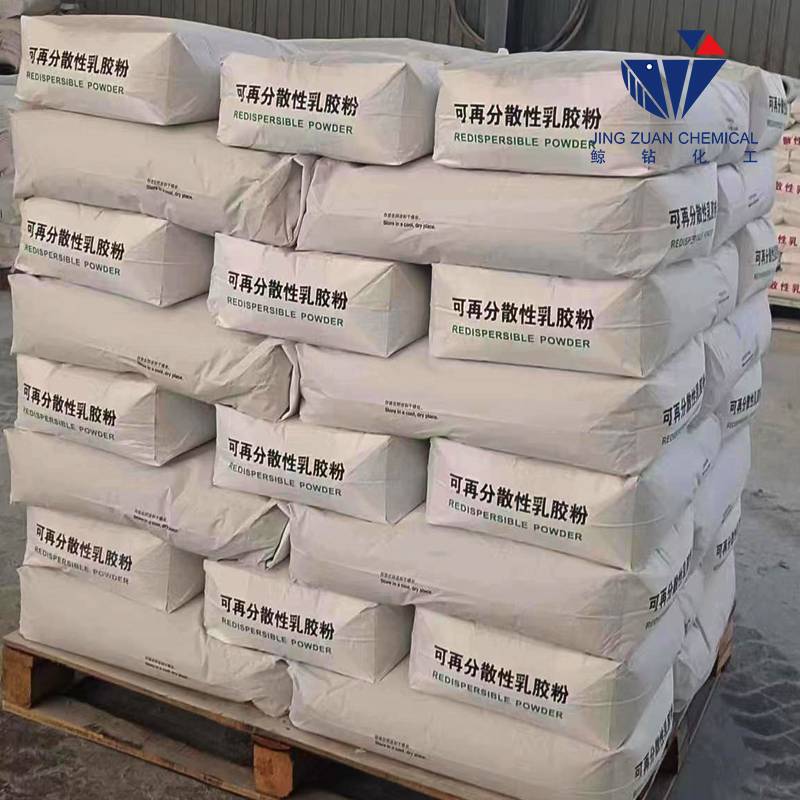
Figure 4: A well-organized warehouse ensuring optimal storage conditions for vae powder.
Customized Solutions for Specific VAE Powder Requirements
Recognizing that every B2B client has unique formulation challenges and performance targets, leading rdp polymer manufacturers offer tailored solutions for vae powder. This customization extends beyond standard product grades to address specific regional climate conditions, substrate types, or desired final properties.
For instance, a client developing tile adhesives for extremely hot and humid climates might require vae powder with enhanced open time and superior heat resistance, potentially achieved through specific polymer ratios or additive packages. Conversely, a client manufacturing exterior renders for freezing conditions would seek a VAE grade optimized for low-temperature film formation and freeze-thaw stability.
Customization processes typically involve:
- Detailed Needs Assessment: Collaborative discussions to understand client's application, performance criteria, processing conditions, and regulatory requirements.
- R&D and Formulation Adjustment: Leveraging in-house expertise to modify polymer composition, protective colloid systems, or anti-caking agents.
- Pilot Production and Testing: Manufacturing small batches of the customized vae powder and rigorous testing to ensure it meets desired specifications.
- Technical Support and Optimization: Providing ongoing technical assistance during scale-up and commercial production to ensure seamless integration and optimal performance.
This bespoke approach ensures that clients receive precisely the right vae powder for their unique needs, maximizing product performance and market competitiveness.
Application Case Studies: VAE Powder in Action
Real-world applications powerfully illustrate the benefits of vae powder. Here are two exemplary case studies:
Case Study 1: High-Rise Residential Building Façade Renovation
Challenge: A 30-story residential building in a coastal city required façade renovation. The existing stucco showed extensive cracking and poor adhesion due to salt air exposure and significant temperature fluctuations. The client needed a durable, flexible, and weather-resistant render system that could withstand extreme environmental conditions and ensure long-term integrity, minimizing future maintenance.
Solution: A high-performance dry-mix render formulated with a specialized grade of vae powder (RDP product with high ethylene content for enhanced flexibility and water repellency) was selected. The redispersible powder was incorporated at a dosage rate of 2.5% by weight of the dry mortar mix.
Results: After three years, the new façade demonstrated exceptional crack resistance, even under significant thermal stress. Adhesion to the substrate improved by over 50% compared to conventional renders, with water absorption reduced by 40%. The enhanced durability provided by the vae powder resulted in an estimated 25% reduction in anticipated maintenance costs over a 10-year period, alongside increased energy efficiency due to improved insulation layer integration.
Case Study 2: Rapid Floor Leveling for a Commercial Warehouse
Challenge: A large commercial warehouse needed its 5,000 m² concrete floor quickly leveled to prepare for heavy-duty epoxy coating. The existing floor had significant undulations and micro-cracks. The primary requirements were rapid setting, high compressive strength, excellent flow, and minimal shrinkage to ensure a perfectly smooth and durable surface for industrial traffic.
Solution: A self-leveling compound (SLC) heavily modified with a specific rdp polymer grade (VAE-based for optimum flow and flexibility) was chosen. This vae powder was added at a 3% dosage rate, alongside superplasticizers and accelerators.
Results: The VAE-modified SLC achieved excellent flow characteristics, allowing for seamless application across the vast area. Compressive strength reached 35 MPa in 28 days (a 15% increase over un-modified SLC), and flexural strength improved by 20%. The floor was ready for epoxy coating within 48 hours, significantly reducing project downtime. The minimal shrinkage and superior adhesion provided by the redispersible powder ensured a crack-free, highly durable base that has withstood continuous heavy forklift traffic for five years without signs of failure.
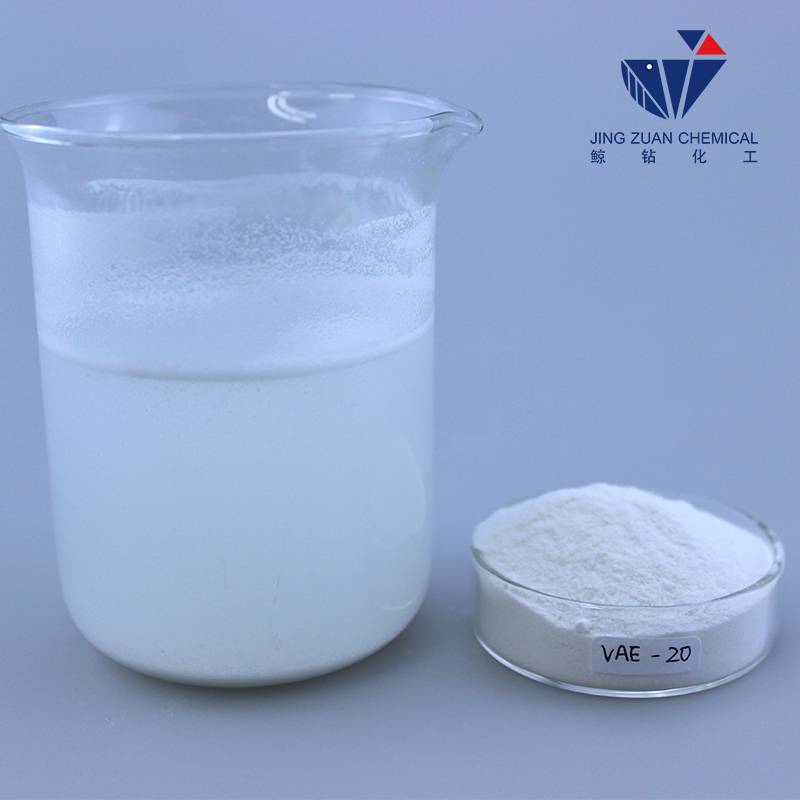
Figure 5: High-performance flooring utilizing VAE-modified self-leveling compounds.
Ensuring Trustworthiness and Authority ()
Establishing confidence and reliability is paramount in B2B transactions. Our commitment to Google's (Expertise, Experience, Authoritativeness, Trustworthiness) principles guides every aspect of our operations and product offerings, particularly concerning vae powder.
Certifications and Quality Assurance
We adhere to rigorous international standards. Our manufacturing facilities are ISO 9001:2015 certified, guaranteeing consistent quality management systems. Furthermore, our products, including vae powder, undergo stringent internal and third-party testing to comply with relevant industry standards such as ASTM, EN, and national building codes. Batch-specific Certificates of Analysis (CoA) are provided with every shipment.
Customer Support and Warranty Commitments
Our dedication to customer satisfaction extends beyond product delivery.
- Technical Support: A team of experienced chemical engineers is available for consultation, formulation guidance, troubleshooting, and on-site support. With over 15 years of experience in redispersible powder technologies, our experts ensure optimal product integration.
- Lead Time and Fulfillment: We maintain robust supply chain logistics and strategically located warehouses to ensure reliable order fulfillment. Standard lead times range from 7-14 business days for major markets, with expedited options available for urgent requirements. Our average on-time delivery rate exceeds 95%.
- Warranty: All our vae powder products come with a comprehensive product warranty, guaranteeing they meet published technical specifications at the time of delivery. Specific terms and conditions are outlined in our supply agreements.
- Customer Feedback: We actively solicit feedback to continuously improve our products and services. Long-standing partnerships with leading construction chemical companies globally underscore our commitment to quality and service.
Frequently Asked Questions (FAQ) about VAE Powder
Q1: What is the recommended storage condition for VAE powder?
A1: VAE powder should be stored in its original, unopened packaging in a cool, dry place (below 30°C and 70% relative humidity) to prevent agglomeration and ensure optimal shelf life. Avoid direct sunlight and moisture exposure.
Q2: What is the typical shelf life of VAE powder?
A2: Under recommended storage conditions, the typical shelf life is 12 months from the date of manufacture. After this period, quality checks may be advisable before use.
Q3: How does VAE powder impact the final color of a mortar?
A3: High-quality vae powder is typically white or off-white and has minimal impact on the final color of pigmented mortars. For sensitive color applications, we recommend conducting small-scale tests.
Q4: Can VAE powder be used with all types of cement?
A4: Yes, vae powder is compatible with most common types of Portland cement and other hydraulic binders. However, specific interactions can vary, and pre-testing is always advised for new formulations.
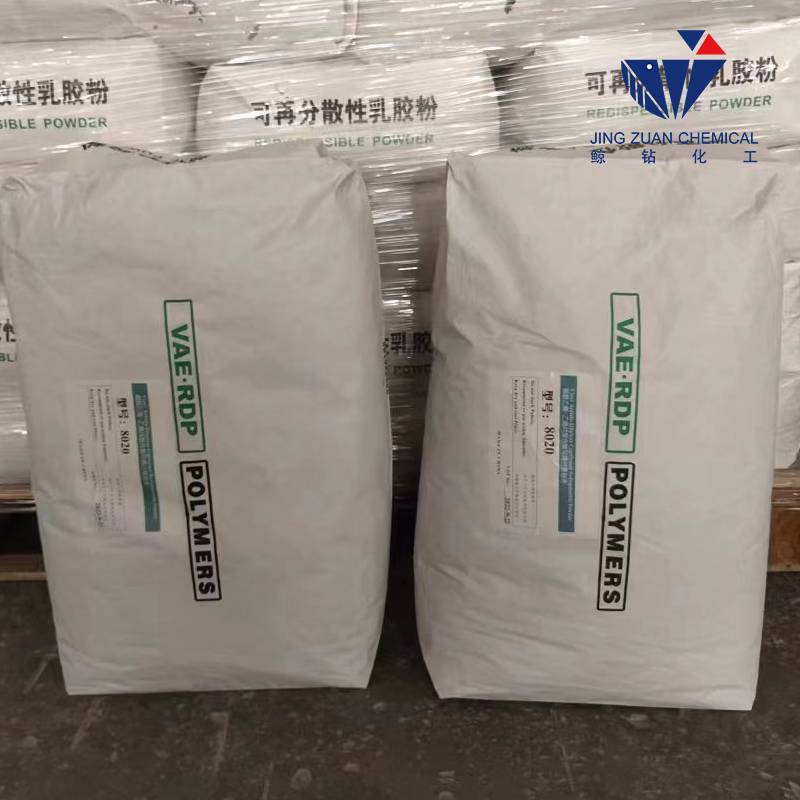
Figure 6: A state-of-the-art laboratory for R&D and quality control of vae powder.
Conclusion
VAE powder is undeniably a cornerstone of modern construction chemistry, offering unparalleled benefits in terms of adhesion, flexibility, workability, and durability for cement-based materials. As the global construction industry continues to demand higher performance, greater efficiency, and more sustainable solutions, the role of advanced redispersible polymer powder, particularly VAE, will only expand. By understanding its technical intricacies, diverse applications, and the importance of partnering with authoritative and trustworthy suppliers, B2B decision-makers can leverage vae powder to engineer superior building products that meet the challenges of today and tomorrow.
References
- Standard Practice for Examination of Water Absorption (ASTM C1585). ASTM International.
- Polymer-Modified Cementitious Materials. Cement and Concrete Research.
- The effect of redispersible polymer powder on the properties of cementitious mortar. Construction and Building Materials.
- ISO 9001:2015 Quality management systems – Requirements. International Organization for Standardization.
- Redispersible Polymer Powders Market Size, Share & Trends Analysis Report. Grand View Research.
-
Understanding Hydroxypropyl Methyl Cellulose MSDS Safety and Compliance
NewsApr.16,2026
-
Understanding the Hydroxypropyl Methyl Cellulose HS Code for Global Trade
NewsApr.09,2026
-
Comprehensive Guide to Hydroxypropyl Methyl Cellulose CAS Number and Applications
NewsApr.07,2026
-
Comprehensive Guide to Hydroxypropyl Methyl Cellulose cas no and its Diverse Applications
NewsApr.04,2026
-
Comprehensive Guide to Hydroxypropyl Methyl Cellulose Manufacturers and Applications
NewsMar.31,2026
-
Understanding Hydroxypropyl Methyl Cellulose Properties And Diverse Applications
NewsMar.28,2026