
Dec . 02, 2025 15:16 Back to list
Propyl Methyl Cellulose: Uses, Benefits, and Future Trends Explained
Understanding Propyl Methyl Cellulose: Its Role and Impact Worldwide
Propyl methyl cellulose (PMC) might sound like just another mouthful of chemical jargon, but it quietly powers countless industries around the globe—from construction to pharmaceuticals. Why does understanding this compound matter? Well, as we aim at greener materials and smarter formulations worldwide, grasping what PMC brings to the table isn’t just academic: it’s practical, relevant, and often transformative.
Globally, materials that combine reliability, sustainability, and versatility are essential—PMC ticks many of those boxes. Knowing its properties helps industries innovate smarter products, cut waste, and advance safety standards. Plus, with increasing demand from emerging economies, understanding the nuances of propyl methyl cellulose could lead to better supply chains and lower environmental footprints.
Introduction: The Global Relevance of Propyl Methyl Cellulose
In recent decades, the global chemical industry has grown at an impressive rate, driven by demand for functional additives that improve performance without compromising sustainability. According to a 2022 report by the International Chemical Industry Association, the global cellulose ether market—which PMC is a significant part of—is expected to hit $3 billion by 2027. This growth is largely fueled by construction, food processing, and pharmaceuticals sectors.
Still, challenges remain. Industries face increasing pressure to reduce harmful additives and develop more environmentally friendly alternatives. That’s where propyl methyl cellulose enters the scene, offering water solubility, biodegradability, and impressive stability that manufacturers are increasingly relying on.
What Exactly Is Propyl Methyl Cellulose?
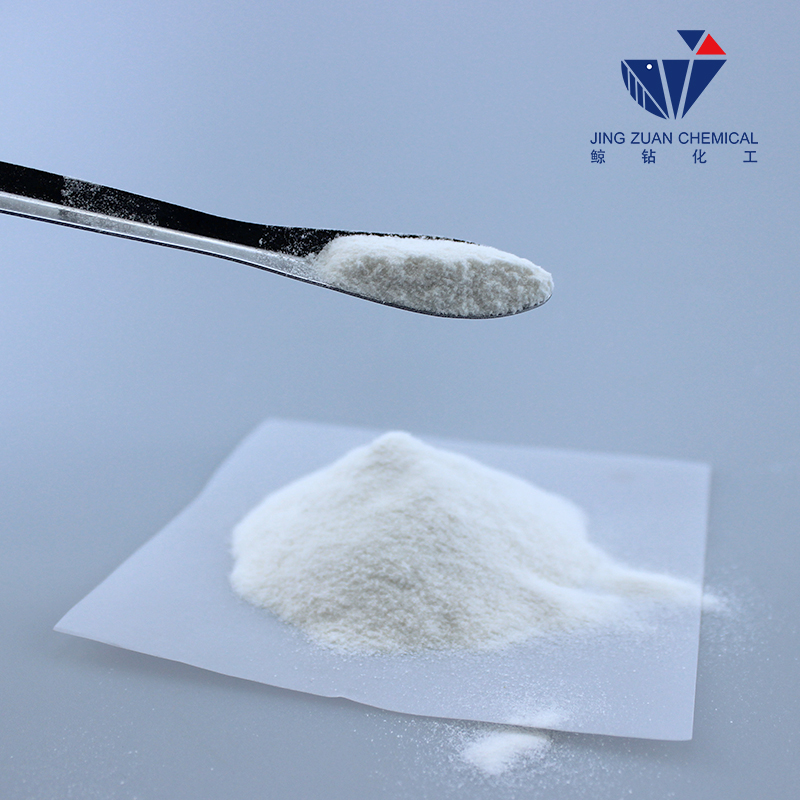
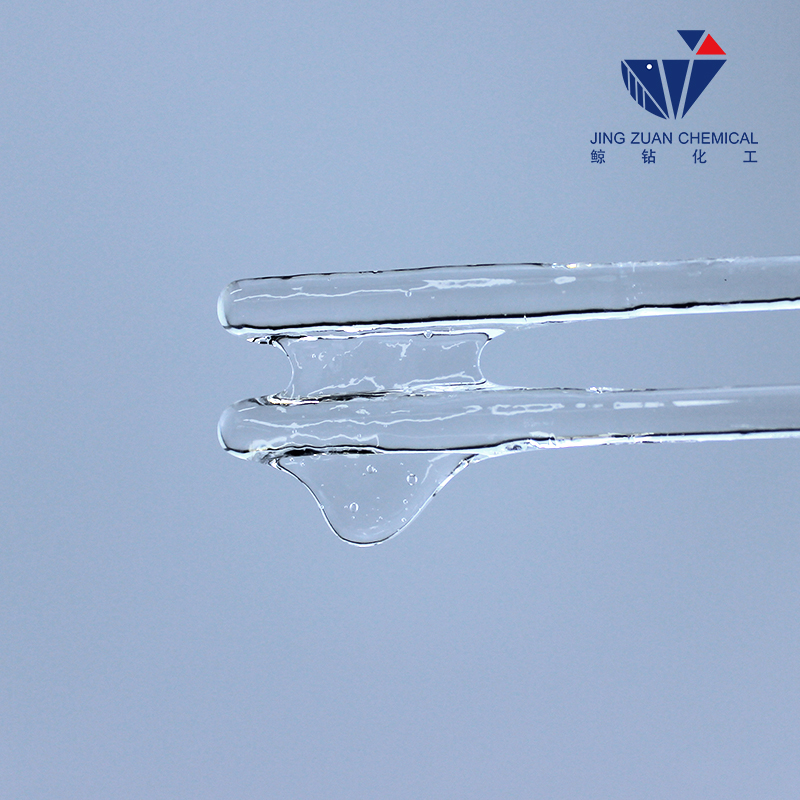
To put it simply, propyl methyl cellulose (sometimes called PMC or propyl methyl ether cellulose) is a cellulose derivative—a chemically modified natural polymer made from plant fibers. It’s a water-soluble powder widely used as a thickener, binder, and film former. Think of it as nature’s gift to industries, chemically enhanced for greater performance.
The link to modern industry? PMC helps maintain the integrity of everything from paints and adhesives to pharmaceuticals and even food products. Its ability to create stable gels and films, resist heat, and bind ingredients is invaluable, especially in contexts where consistency and safety matter.
Key Factors Behind PMC’s Growing Popularity
Durability
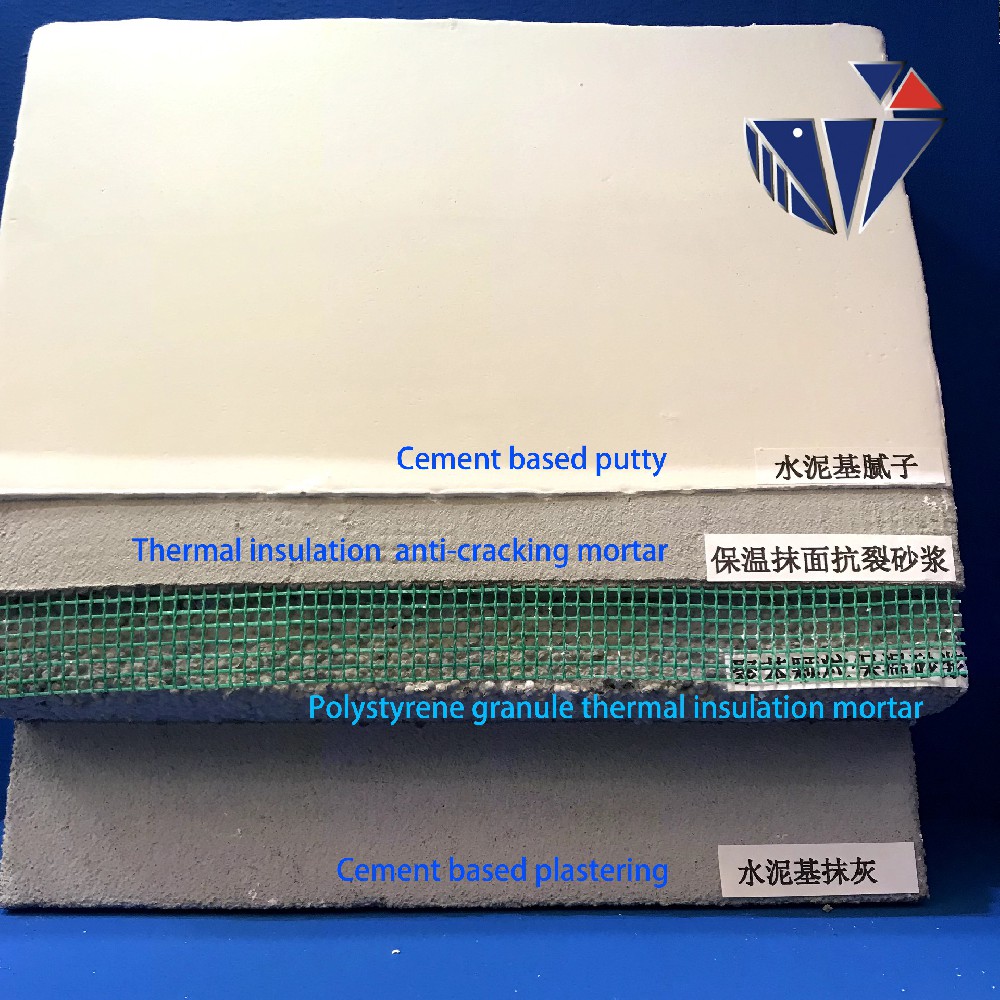
PMC adds impressive durability to mixtures. For example, in construction mortars, it improves adhesion and water retention, resulting in more reliable and longer-lasting structures. This durability makes it a favorite among builders, especially in environments exposed to moisture or temperature fluctuations.
Scalability
Because it’s derived from abundant natural cellulose, PMC production scales relatively easily and sustainably. This means industries can treat it not just as a niche additive but as a core ingredient, all while maintaining supply chain stability—even in rapidly expanding markets.
Cost Efficiency
Oddly enough, although it sounds high-tech, PMC often reduces overall costs: less waste, fewer defects, and enhanced product lifespan mean savings integrating across operations.
Versatility
Whether in pharmaceuticals—acting as a tablet binder—or in personal care products as a stabilizer, PMC is flexible. This versatility is one reason why new uses continue to emerge.
Eco-Friendliness
As regulations tighten around synthetic polymers, PMC’s biodegradable nature offers a greener alternative, aligning with global sustainability goals encouraged by the United Nations and ISO environmental standards.
Product Specification Table
| Property | Typical Value | Unit |
|---|---|---|
| Appearance | White Powder | |
| Methoxy content | 19–24 | % |
| Propoxy content | 4–12 | % |
| Viscosity (2% solution, 20°C) | 200–1500 | mPa·s |
| pH (2% solution) | 6.5–8.0 |
Global Applications and Use Cases
PMC’s versatility really shines across various industries:
- Construction: Enhancing plaster, tile adhesives, and concrete mixes worldwide—including humid regions where moisture retention is key.
- Pharmaceuticals: Used as a binder and coating agent to ensure slow, controlled release in tablets and capsules.
- Food Industry: Stabilizing emulsions and thickening sauces, making food safer and more appealing.
- Cosmetics: Formulated into creams and lotions for improved texture and stability.
Regions like Southeast Asia benefit especially, where growing construction markets demand continuous material innovation. NGOs also lean on PMC-based products during post-disaster relief to produce lightweight, durable repair materials quickly.
For more detailed references and product sourcing, springboard to this propyl methyl cellulose resource.
Vendor Comparison Table
| Vendor | Product Grade | Viscosity Range (mPa·s) | Price (USD/kg) | Sustainability Certification |
|---|---|---|---|---|
| CNJZ Chemical | Standard PMC | 200-1000 | 5.5 | ISO 14001 |
| Global Cellulose Co. | Premium Grade | 300-1500 | 6.2 | EcoCert |
| Metcell International | Industrial PMC | 400-1200 | 5.8 | None |
Advantages and Long-Term Value of Propyl Methyl Cellulose
At its core, PMC combines both logical and emotional value. In practical terms, it enhances product stability, simplifies manufacturing processes, and ultimately reduces costs. But there's also a socially impactful side: its use supports safer, more durable building materials and pharmaceutical products that preserve human health and dignity.
Plus, it’s biodegradable, aligning with an ethical commitment many companies and consumers now expect. That blend of efficiency and social responsibility makes PMC the kind of compound you want on your team.
Emerging Trends & Innovations
The future looks promising for PMC and its derivatives. Researchers are exploring nano-engineered variants offering higher performance at lower dosages. Sustainability-wise, efforts to source cellulose from agricultural waste rather than wood pulp are gaining traction, reducing forestry pressure.
Digital transformation is also shaping application: precise viscosity and film-forming control through real-time monitoring could revolutionize industries such as coatings and drug delivery. Plus, integration into green energy sectors could see PMC-based materials playing unexpected roles.
Challenges and Practical Solutions
Despite many advantages, PMC isn’t without its challenges. For one, some grades can be sensitive to pH changes or require specific handling conditions to avoid clumping. Supply chain disruptions, especially with novel grades, can also cause headaches.
Innovative approaches like creating hybrid formulations or developing improved granulation techniques are helping overcome these issues. Partnerships between manufacturers and end-users encourage co-development, smoothing integration hurdles.
FAQ: Practical Questions About Propyl Methyl Cellulose
- Q: How does propyl methyl cellulose improve construction materials?
- PMC enhances water retention and adhesion in cement and plaster mixes, which leads to improved workability and durability of these materials—especially important in humid or variable climates.
- Q: Is PMC safe for use in pharmaceutical products?
- Yes, PMC is FDA-approved as an excipient. It is commonly used as a binder and a controlled-release agent in tablet formulations, ensuring medication stability and efficacy.
- Q: Can PMC help make coatings more environmentally friendly?
- Absolutely. PMC acts as a film former and thickener that can replace synthetic chemicals, reducing VOC emissions and improving biodegradability of paints and coatings.
- Q: Where can I source high-quality propyl methyl cellulose?
- Leading suppliers like CNJZ Chemical provide multiple grades certified for quality and sustainability, suitable for various industrial applications.
Conclusion: Why Propyl Methyl Cellulose Matters — Now and Ahead
Propyl methyl cellulose, while perhaps underappreciated outside technical circles, plays a pivotal role in making products safer, longer-lasting, and more sustainable. From building materials that protect communities, to pharmaceuticals that improve health outcomes, PMC embodies a strategic blend of performance and responsibility.
Staying informed and connected to reputable suppliers ensures you don’t miss out on this compound’s growing potential. For dependable product sourcing and technical support, visit our website: https://www.cnjzchemical.com.
Thinking it over, propyl methyl cellulose is more than chemistry—it’s chemistry in action to solve everyday challenges.
References:
-
Understanding Hydroxypropyl Methyl Cellulose MSDS Safety and Compliance
NewsApr.16,2026
-
Understanding the Hydroxypropyl Methyl Cellulose HS Code for Global Trade
NewsApr.09,2026
-
Comprehensive Guide to Hydroxypropyl Methyl Cellulose CAS Number and Applications
NewsApr.07,2026
-
Comprehensive Guide to Hydroxypropyl Methyl Cellulose cas no and its Diverse Applications
NewsApr.04,2026
-
Comprehensive Guide to Hydroxypropyl Methyl Cellulose Manufacturers and Applications
NewsMar.31,2026
-
Understanding Hydroxypropyl Methyl Cellulose Properties And Diverse Applications
NewsMar.28,2026