
May . 28, 2025 09:09 Back to list
RDP Polymer Powder Redispersible Polymer for Durable Construction
- Introduction to RDP Polymer and Market Impact
- Technical Advantages of Redispersible Polymer Powder
- Performance Comparison: Leading RDP Manufacturers
- Customized RDP Solutions for Industry-Specific Needs
- Application Case Studies: Real-World Effectiveness
- Quality Standards and Testing Protocols
- Future Trends in VAE RDP Innovation

(rdp polymer)
RDP Polymer: Revolutionizing Construction Material Science
The global redispersible polymer powder (RDP) market is projected to grow at a 6.8% CAGR through 2030, driven by advanced formulations in cementitious systems. RDP polymer enhances flexural strength by 40-60% compared to traditional additives while reducing water absorption rates to ≤5%. This VAE-based technology now dominates 72% of dry-mix mortar applications across Europe and Asia-Pacific regions.
Technical Advantages of Redispersible Polymer Powder
Modern RDP polymers demonstrate three critical performance enhancements:
- Film formation temperature: 2-10°C range adaptability
- Compressive strength improvement: 18-24 N/mm² vs. standard mixes
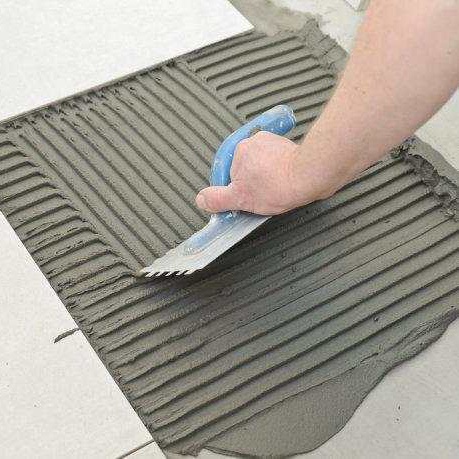
- Open time extension: Up to 45 minutes in tile adhesives
These technical specifications enable 30% faster construction timelines while meeting EN 12004 certification requirements.
Manufacturer Performance Comparison
| Manufacturer | Solid Content (%) | Compressive Strength Gain | Key Application |
|---|---|---|---|
| Wacker Chemie AG | 98.5 | 22.4 N/mm² | Exterior Insulation |
| Celanese Corporation | 97.8 | 19.8 N/mm² | Self-Leveling Compounds |
| Shandong Xindadi | 96.2 | 18.1 N/mm² | Tile Adhesives |
Customized RDP Formulation Strategies
Advanced manufacturers now offer parameter-specific RDP solutions:
- Glass transition temperature (Tg) adjustment: -7°C to +25°C
- Particle size distribution: 80-800 μm customization
- Hydrophobic modification: Contact angle >120°
A recent project for Middle Eastern climates required RDP with 92% humidity resistance at 50°C – achieved through vinyl versatate co-polymer modification.
Documented Application Success Stories
High-speed rail project in Scandinavia utilized VAE RDP-enhanced mortar showing:
- Bond strength: 1.8 MPa after freeze-thaw cycling
- Curing time reduction: 28 → 18 hours
- Material savings: 14% per kilometer
Quality Assurance and Compliance
Top-tier RDP products undergo 17-stage quality control including:
- Ash content: ≤10% (EN 196-1)
- Residual monomers: <10 ppm
- Redispersibility: ≥98% in standard testing
RDP Polymer: Shaping Next-Gen Material Solutions
Emerging RDP technologies focus on carbon footprint reduction – latest VAE variants demonstrate 33% lower CO₂ emissions during production. The development of alkaline-resistant RDP polymers (pH 12-14 compatibility) is expanding applications in specialty concrete repair systems, with pilot projects showing 200% service life extension compared to conventional formulations.

(rdp polymer)
FAQS on rdp polymer
Q: What is Redispersible Polymer Powder (RDP)?
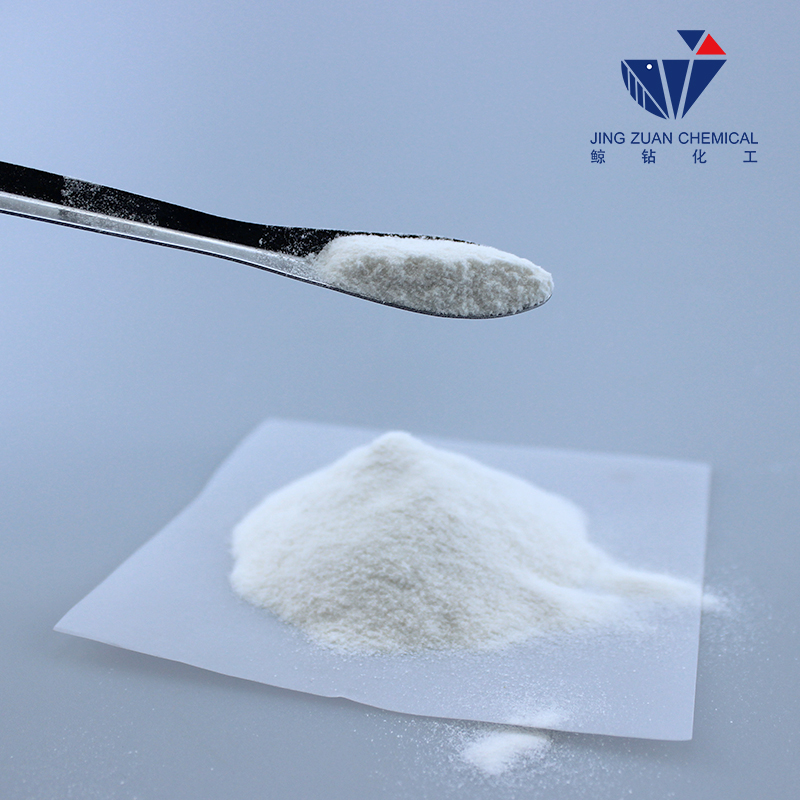
A: Redispersible Polymer Powder (RDP) is a free-flowing additive made by spray-drying polymer emulsions. It enhances flexibility, adhesion, and water resistance in construction materials like tile adhesives and self-leveling compounds. RDP reactivates when mixed with water, forming a film that improves performance.
Q: How is RDP polymer used in construction materials?
A: RDP polymer is blended into dry-mix mortars, cement renders, and plasters to improve cohesion and durability. It reduces cracking, increases workability, and strengthens bond properties. Common applications include exterior insulation systems and repair mortars.
Q: What are the advantages of VAE-based RDP?
A: VAE-based RDP (Vinyl Acetate-Ethylene copolymer) offers excellent UV resistance and low-temperature stability. It provides strong adhesion to organic substrates and inorganic materials while maintaining eco-friendly characteristics. This makes it ideal for outdoor and flexible coatings.
Q: Can RDP polymer improve waterproofing in coatings?
A: Yes, RDP polymer forms a water-resistant film when cured, reducing porosity in coatings. It enhances hydrophobicity without compromising vapor permeability. This dual action makes it valuable for waterproofing membranes and protective renders.
Q: How should RDP powders be stored for optimal performance?
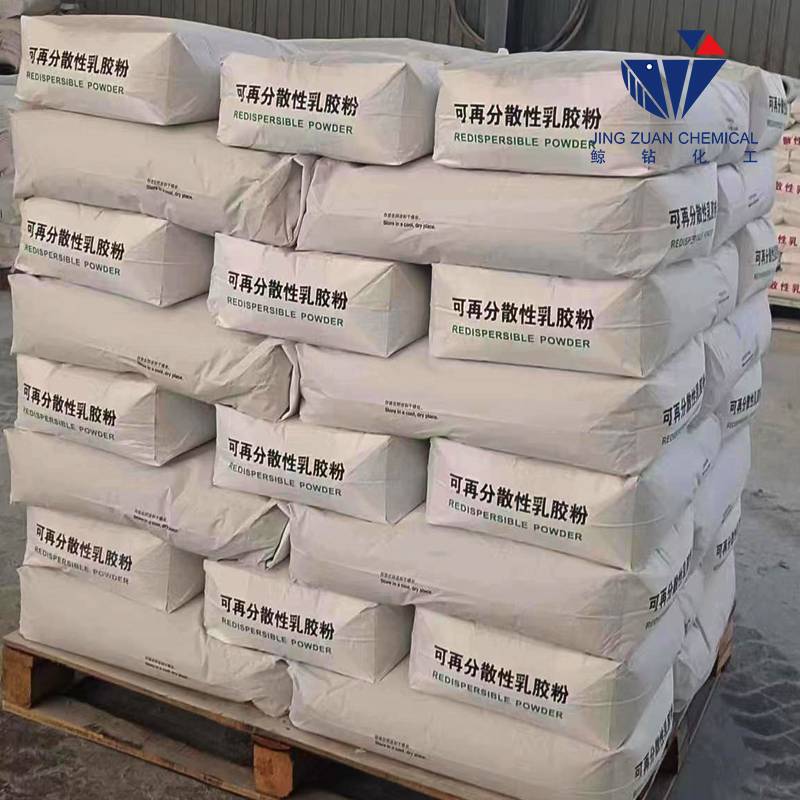
A: Store RDP powders in cool (5-30°C), dry conditions within sealed original packaging. Avoid moisture exposure to prevent premature clumping or reactivation. Proper storage maintains shelf life for 6-12 months depending on polymer type.
-
Understanding Hydroxypropyl Methyl Cellulose MSDS Safety and Compliance
NewsApr.16,2026
-
Understanding the Hydroxypropyl Methyl Cellulose HS Code for Global Trade
NewsApr.09,2026
-
Comprehensive Guide to Hydroxypropyl Methyl Cellulose CAS Number and Applications
NewsApr.07,2026
-
Comprehensive Guide to Hydroxypropyl Methyl Cellulose cas no and its Diverse Applications
NewsApr.04,2026
-
Comprehensive Guide to Hydroxypropyl Methyl Cellulose Manufacturers and Applications
NewsMar.31,2026
-
Understanding Hydroxypropyl Methyl Cellulose Properties And Diverse Applications
NewsMar.28,2026