
Dec . 04, 2025 04:58 Back to list
RDP Powder Uses: Enhancing Durability and Sustainability in Construction
Understanding RDP Powder Uses: A Versatile Ingredient in Modern Industry
RDP powder uses have quietly gained traction across various sectors worldwide. But what exactly is RDP powder, and why does it matter on a global scale? In a nutshell, RDP (Redispersible Polymer Powder) is a polymer additive that significantly enhances the performance of cement, mortar, and adhesives—making materials more durable, flexible, and water-resistant. Understanding its many benefits is critical, especially when industries strive to build stronger, longer-lasting infrastructure, often in the face of climate challenges and rapid urbanization.
Globally, the construction and manufacturing industries grapple with demands for sustainability, improved material performance, and cost-efficiency. Here’s where rdp powder uses come into play—as a versatile additive helping to meet those very needs.
Introduction: Why RDP Powder Uses Matter Globally
From sprawling urban centers to rural development projects, the demand for durable, cost-effective construction materials is skyrocketing. The World Bank estimates that over 70% of the global population will live in cities by 2050, intensifying the pressure on infrastructure and building materials. Meanwhile, organizations like the United Nations emphasize sustainable development goals that push industries toward innovative, eco-friendly solutions.
Yet, challenges persist—many conventional building materials fail under harsh environmental conditions or degrade faster than expected. Here, RDP powder uses offer an intriguing solution by improving the characteristics of these basic materials.
What Is RDP Powder, and Why Is It Important?
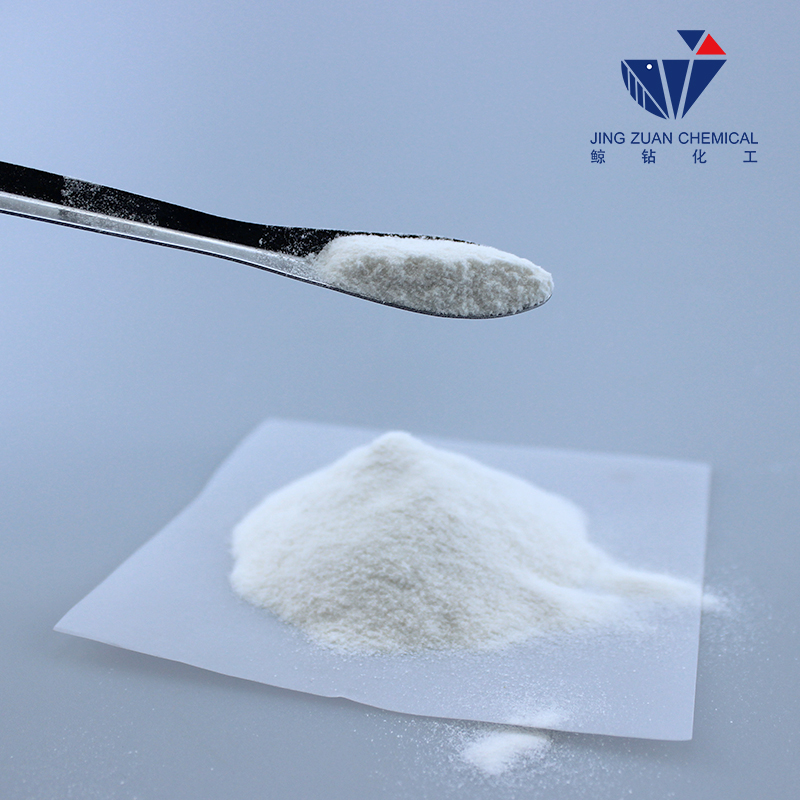
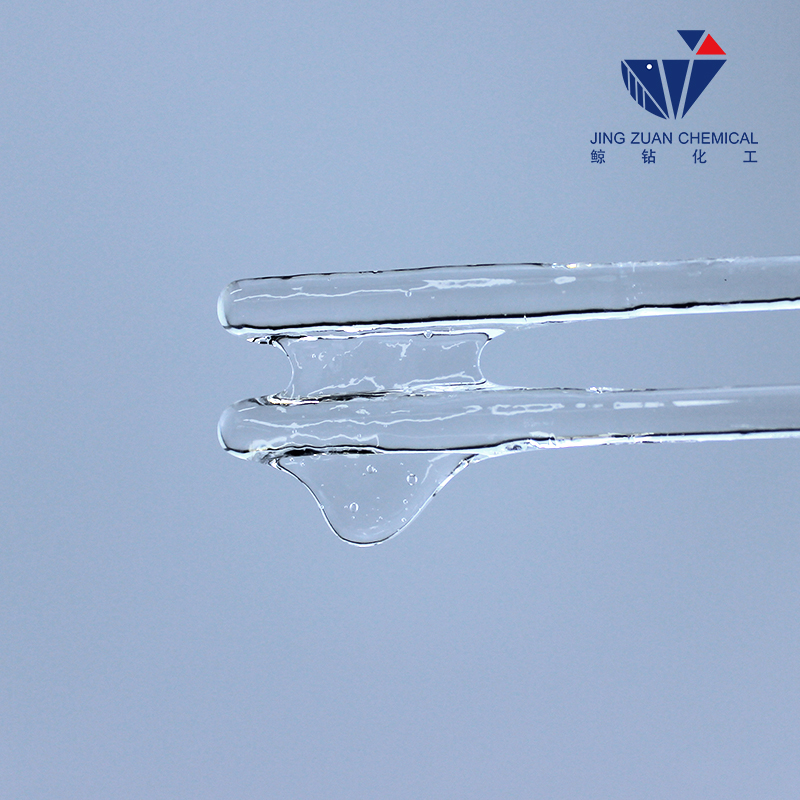
Simply put, RDP powder is a dry polymer powder that disperses in water to form a polymer dispersion. When added to cement or mortar, it modifies the material’s properties, improving adhesion, flexibility, water resistance, and overall strength.
Its importance is evident in both modern industry and humanitarian needs. For instance, reinforced mortars modified with RDP powder have found use in earthquake-resistant buildings or quick-repair operations after natural disasters—projects where durable, resilient materials are not just preferred but critical.
Key Factors Influencing RDP Powder Uses
Durability and Water Resistance
RDP powder enhances waterproofing capabilities and resistance to cracking, especially under freeze-thaw cycles or prolonged moisture exposure. This is particularly valuable in humid or coastal regions.
Flexibility and Adhesion
Improved flexibility reduces brittle fractures, an issue endemic to standard cement mixes. Adhesion strength also increases, helping materials stick better to substrates like concrete or tiles.
Cost Efficiency
While RDP powder adds upfront costs, its ability to prolong the life of construction materials generally leads to lower overall maintenance expenses—a compelling economic advantage.
Sustainability
By extending material lifespan and reducing repair frequency, RDP powder indirectly supports sustainability goals. Some formulations even incorporate bio-based polymers, moving toward greener options.
Ease of Use and Compatibility
RDP powders integrate well with a variety of cementitious and mineral-based products, requiring no complicated equipment, thus making them accessible in diverse settings.
Product Specification Snapshot
| Specification | Typical Values |
|---|---|
| Appearance | Fine, white powder |
| Polymer Type | Styrene Butadiene, Vinyl Acetate Ethylene |
| Median Particle Size | 10–50 microns |
| Redispersion Time | Less than 5 seconds |
| Storage Stability | At least 12 months |
Global Applications and Real-World Use Cases of RDP Powder
RDP powder’s uses span continents and industries:
- In post-disaster relief operations, quick-setting mortars modified with RDP help rebuild resilient housing, restoring dignity and safety.
- In remote industrial zones, its incorporation in repair mortars extends asset lifespans with minimal downtime.
- In large-scale infrastructure projects, such as bridges and highways, RDP additives improve bonding and durability against extreme weather.
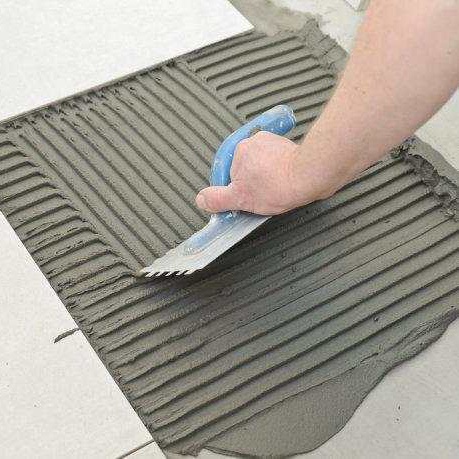
- In tile adhesives and flooring, it ensures better adhesion and flexibility — crucial for seismic-prone areas.
Regions actively benefiting include the Asia-Pacific, with rapid urbanization; Europe, focused on sustainability and renovation; and parts of Africa and Latin America working on infrastructure development.
Vendor Comparison: A Quick Guide
| Feature | Vendor A | Vendor B | Vendor C |
|---|---|---|---|
| Polymer Types Offered | SBR, VAE | SBR only | VAE only |
| Typical Particle Size | 10-30 microns | 15-50 microns | 12-40 microns |
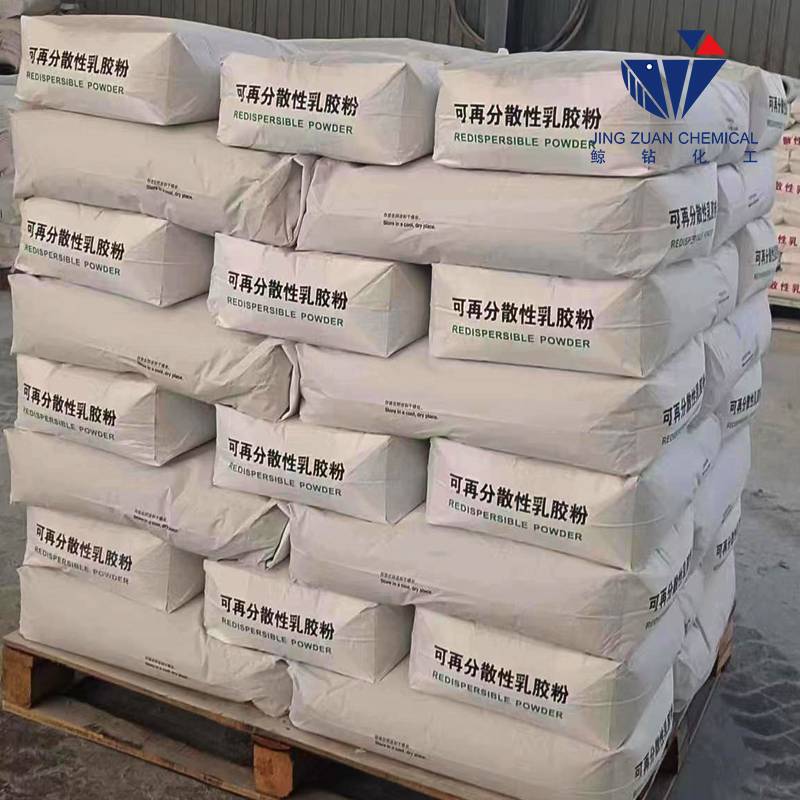
| Packaging Options | 25kg bags, bulk | 20kg bags only | 15kg & 25kg bags |
| Shelf Life | 12 months | 9 months | 12-18 months |
| Eco-Friendly Options | Yes (bio-based) | No | Limited |
Advantages and Long-Term Value of RDP Powder Uses
The benefits are multifold. On a practical level, RDP powder boosts material longevity, which means fewer repairs and replacements. Economically, that translates to significant savings over time. Moreover, the enhanced flexibility not only keeps buildings intact during environmental stress but also contributes to safety—something any engineer or architect values deeply.
On a more emotional note, think about the social impact: safer homes, more reliable infrastructure, and environmentally conscious products reflect innovation that communities can trust. It’s not just about chemical additives but about dignity and resilience.
Future Trends and Innovations in RDP Powder Applications
What does the future hold? Frankly, the intersection of green chemistry and digital manufacturing looks promising. Research is underway into biodegradable polymer powders and improved formulations that reduce carbon footprints even further.
Automation in mixing and smart sensors to monitor material performance on-site are also trending, paving the way for smarter, sustainable construction. Policymakers globally also push for stricter environmental standards, nudging the industry toward ever cleaner, more efficient RDP products.
Challenges and Practical Solutions
Challenges do exist. Compatibility with certain cement types can be tricky, and improper dosage leads to diminished performance. Also, some versions of RDP powders have a limited shelf life if stored improperly.
The best advice? Partner with knowledgeable vendors, follow strict quality control, and train site teams in handling these additives to maximize benefits. Increasingly, manufacturers provide technical support that simplifies these hurdles, which is a relief for busy engineers.
FAQ: Your Common Questions About RDP Powder Uses
- What makes RDP powder better than liquid polymers in construction?
- RDP powders offer longer shelf life, easier transport, and better compatibility with dry mix products. They can be stored without refrigeration and reduce handling complexity on-site compared to liquid polymers.
- How long can structures built with RDP-modified mortars last?
- When used properly, materials containing RDP powder can last decades longer than unmodified ones, especially in harsh environments prone to moisture and freeze-thaw cycles.
- Is RDP powder environmentally friendly?
- Many modern RDP powders incorporate bio-based polymers and comply with environmental regulations. Its ability to extend material lifespan also contributes indirectly to sustainability.
- Can NGOs easily import RDP powders for humanitarian projects?
- Yes, RDP powders are widely available globally, often in versatile packaging sizes. It’s advisable to work with certified suppliers to ensure product quality and timely delivery.
Conclusion: Why RDP Powder Uses Are Worth Knowing
In real terms, RDP powder uses provide an elegant blend of innovation, durability, and sustainability for modern construction challenges. Their ability to enhance materials while cutting long-term costs is becoming indispensable worldwide. Whether rebuilding homes after disasters or improving infrastructure in booming cities, RDP powders quietly make a big difference.
To explore more about how these polymer powders can fit into your projects, feel free to visit our website at https://www.cnjzchemical.com. It’s a small step toward smarter, safer building.
Mini takeaway: RDP powder uses are essential for enhancing building materials, offering both practical durability and sustainability benefits that matter globally.
-
Understanding Hydroxypropyl Methyl Cellulose MSDS Safety and Compliance
NewsApr.16,2026
-
Understanding the Hydroxypropyl Methyl Cellulose HS Code for Global Trade
NewsApr.09,2026
-
Comprehensive Guide to Hydroxypropyl Methyl Cellulose CAS Number and Applications
NewsApr.07,2026
-
Comprehensive Guide to Hydroxypropyl Methyl Cellulose cas no and its Diverse Applications
NewsApr.04,2026
-
Comprehensive Guide to Hydroxypropyl Methyl Cellulose Manufacturers and Applications
NewsMar.31,2026
-
Understanding Hydroxypropyl Methyl Cellulose Properties And Diverse Applications
NewsMar.28,2026