
Dec . 03, 2025 17:48 Back to list
Redispersible Polymer Powder: Key Insights for Industrial Use
Understanding Redispersible Polymer Powder in Industrial Applications
Having spent quite some years in the industrial equipment sector, I’ve seen plenty of materials claim to revolutionize construction and finishing techniques. Redispersible polymer powder — now that’s one that consistently intrigues me. It’s one of those products that quietly works behind the scenes but makes a significant difference in both performance and ease of use.
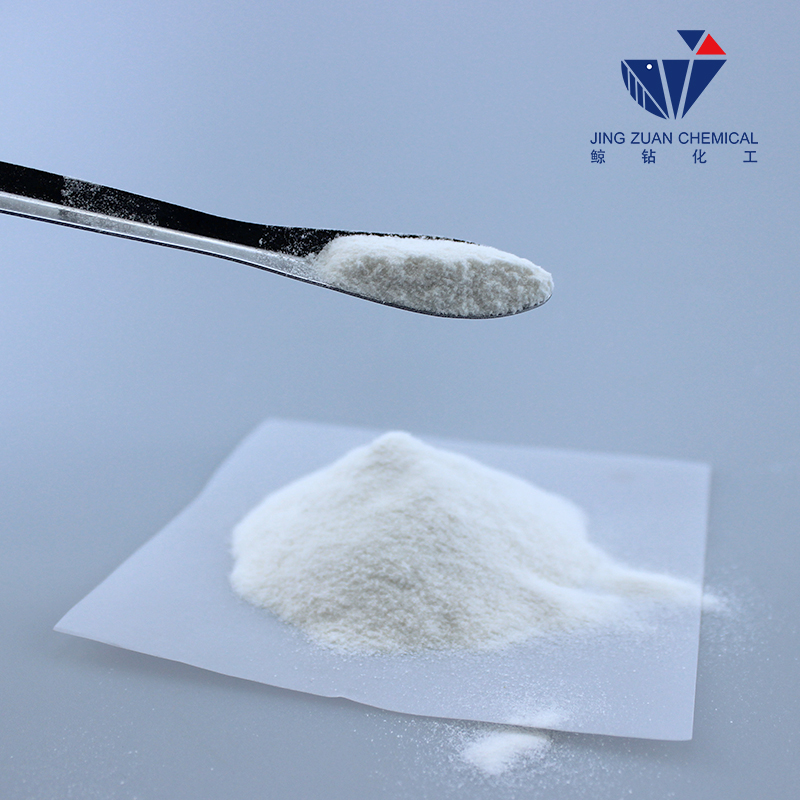
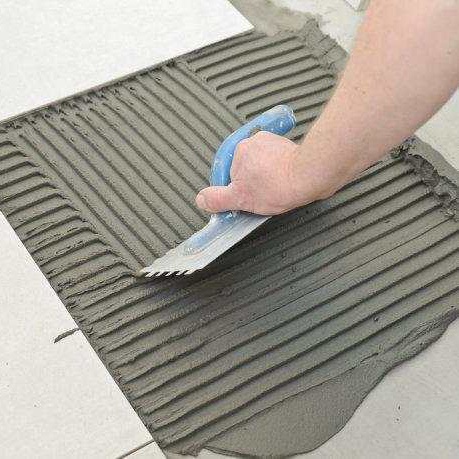
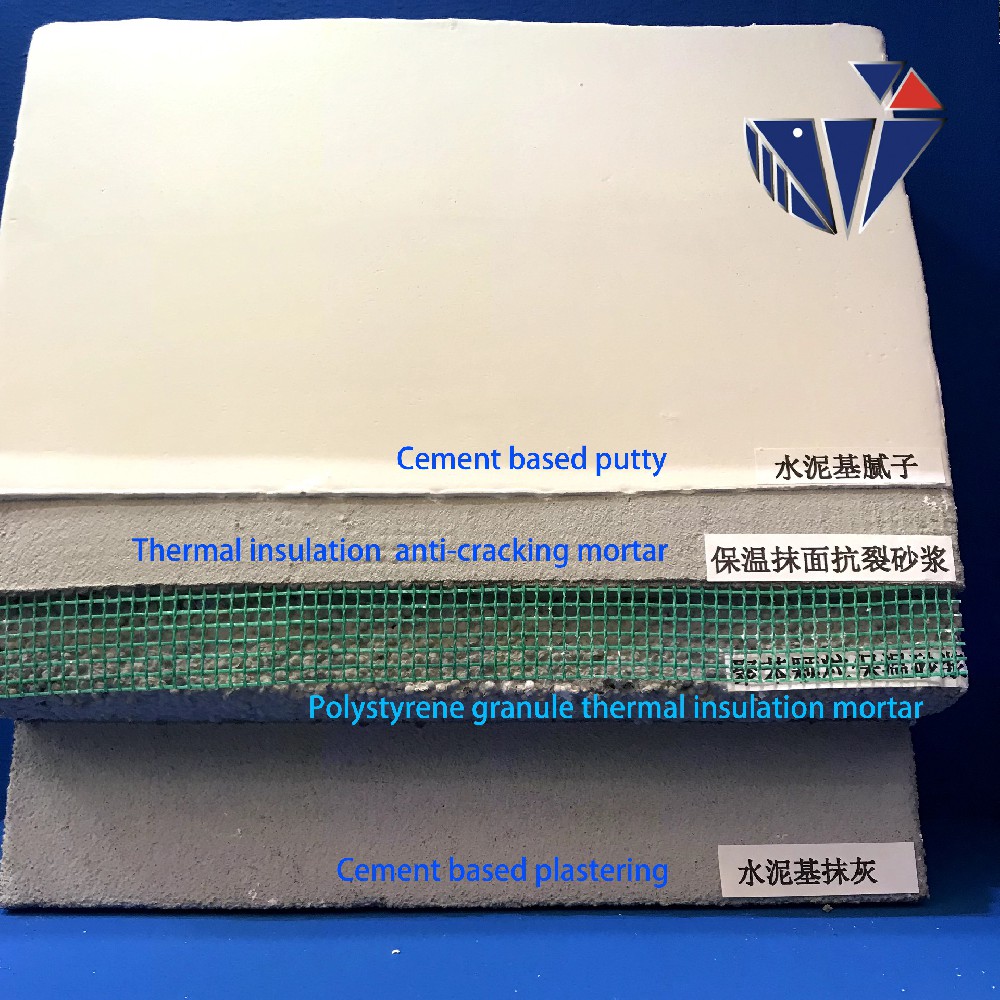
For the uninitiated, redispersible polymer powder (RPP) is a dry polymer in powder form that, when mixed with water or cement mortar, redisperses to form a flexible film. This film improves adhesion, elasticity, and water resistance in a variety of cementitious products like tile adhesives, repair mortars, and renders. In practical terms, it means stronger, more durable bonding in environments that often suffer from stress cracks or moisture intrusion.
Oddly enough, many engineers and contractors I've chatted with underestimate just how influential the right RPP can be. It’s not just a magic powder — it’s a blend of well-studied chemistry and precise manufacturing. Different polymer bases, like vinyl acetate ethylene (VAE) or styrene butadiene (SBR), each bring their own advantages. Choosing the proper type depends on the final product needs and environmental factors.
Product Specifications at a Glance
| Parameter | Typical Range / Value | Notes |
|---|---|---|
| Polymer Type | Vinyl Acetate Ethylene (VAE), Styrene Butadiene (SBR) | Varies by application |
| Solid Content (%) | 90-98% | High purity preferred |
| Median Particle Size (μm) | 20-50 | Affects dispersion rate |
| Bulk Density (g/cm³) | 0.4-0.6 | Ease of handling |
| pH | 6.5-8.0 | Near neutral for stability |
Now, if you’re wondering how to pick a vendor from the many out there, from multinational chemical manufacturers to smaller specialty producers — well, it’s more nuanced than price alone. I’ve been involved in evaluating suppliers several times and here’s the sort of factors that count:
Comparing Redispersible Polymer Powder Vendors
| Vendor | Product Quality | Customization Options | Technical Support | Lead Time | Price Competitiveness |
|---|---|---|---|---|---|
| CNJZ Chemical | High, consistent | Tailored formulations available | 24/7 expert consultation | 7-14 days | Competitive |
| GlobalPolymers Inc. | Good | Limited customization | Business hours only | 10-20 days | Moderate |
| PolyTech Solutions | Variable | Wide range | Limited | 14-30 days | Lower end |
One story that sticks with me: a contractor in Northern Europe switched to using a customized VAE-based redispersible polymer powder for their façade mortar. The project had previously suffered from frost-related cracking on exterior walls. After introducing the customized powder from CNJZ Chemical, the mortar showed better freeze-thaw durability and fewer call-backs for repairs. It felt like a quiet win for material science — sometimes, the difference is truly in the details.
Proper testing and quality assurance, of course, remain critical. Industry standards like ASTM and EN ensure these polymer powders deliver consistent performance. And frankly, it’s good practice to trial batches on your actual formulations before making a big commitment.
In real terms, the use of redispersible polymer powder boosts not only strength but also flexibility and water resistance. Your mixes become easier to trowel and more forgiving to minor substrate movements. For manufacturers, this translates into a better finished product and often, a stronger reputation with clients.
If you’re in the market for polymer powders, consider the manufacturer’s track record with technical support and ability to tailor products. It’s not just about chemistry; it’s about partnership.
So yes, it feels like one of those “quiet heroes” in the material world — not flashy, but essential. Redispersible polymer powder deserves its spot in every engineer’s toolkit.
Reflecting on all this, I’d say don’t overlook the subtle but game-changing impact a high-quality polymer powder can have — especially if you want your projects to last.
References
- ASTM Standards D4529 - Specification for Redispersible Polymer Powder for Mortars
- EN 14891 - Adhesives for Tiles - Test Methods and Requirements
- CNJZ Chemical Official Website and Product Literature (2024)
-
Understanding Hydroxypropyl Methyl Cellulose MSDS Safety and Compliance
NewsApr.16,2026
-
Understanding the Hydroxypropyl Methyl Cellulose HS Code for Global Trade
NewsApr.09,2026
-
Comprehensive Guide to Hydroxypropyl Methyl Cellulose CAS Number and Applications
NewsApr.07,2026
-
Comprehensive Guide to Hydroxypropyl Methyl Cellulose cas no and its Diverse Applications
NewsApr.04,2026
-
Comprehensive Guide to Hydroxypropyl Methyl Cellulose Manufacturers and Applications
NewsMar.31,2026
-
Understanding Hydroxypropyl Methyl Cellulose Properties And Diverse Applications
NewsMar.28,2026