
Dec . 08, 2025 09:30 Back to list
Redispersible Polymer Powder Types Explained – Industrial Insights
Understanding Redispersible Polymer Powder Types in Industrial Applications
If you've ever worked around cementitious mixes or construction mortars, you probably know how crucial redispersible polymer powders (RPPs) have become in enhancing product performance. Frankly, after years in the industrial equipment and materials sector, I can say these powders are quietly transformative—though they often fly under the radar.
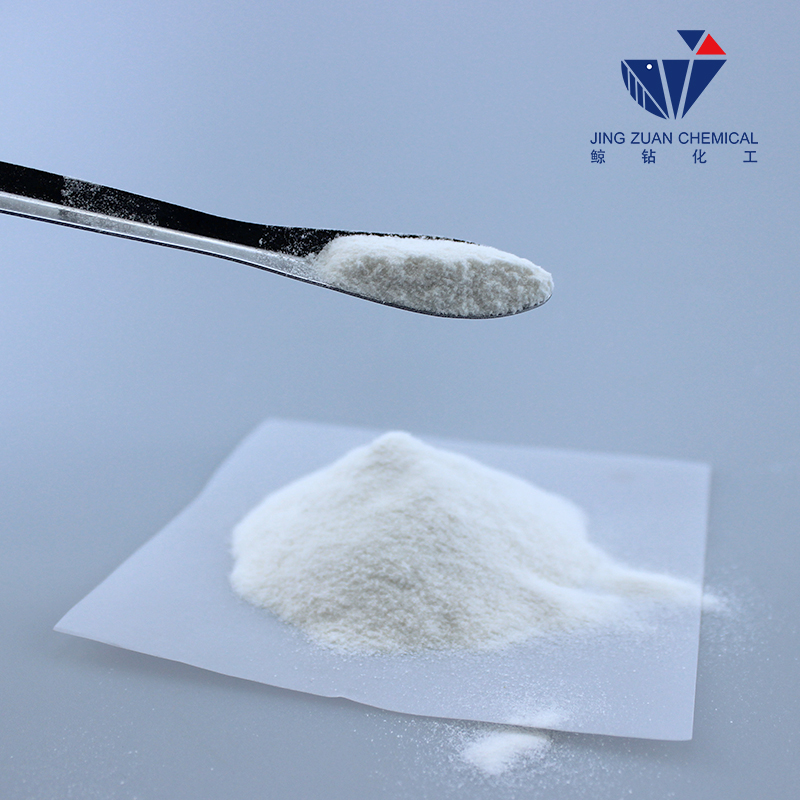
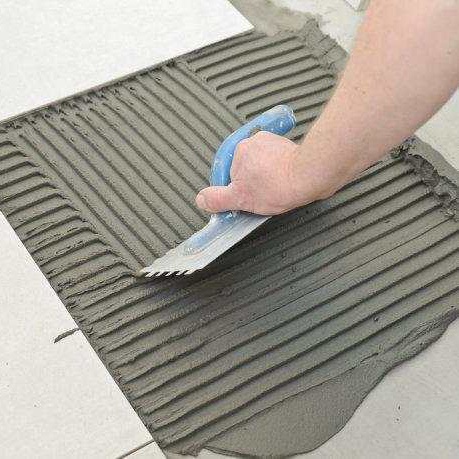
So, what exactly are the different redispersible polymer powder types, and why should we care? Well, redispersible powders essentially are powdered forms of polymer emulsions that once mixed with water, re-disperse to form flexible, adhesive, and durable films inside dry mixes. They improve flexibility, adhesion, water retention, and impact resistance of cement-based materials. This is why they're heavily used in tile adhesives, waterproofing mortars, self-leveling compounds, and renders.
Oddly enough, the market has diversified far more than you might expect. Polyvinyl acetate (PVAc), vinyl acetate ethylene (VAE), styrene butadiene (SBR), and vinyl ester (VE) copolymers each come with their own unique character—and subtle advantages depending on the application and environmental conditions.
The Four Main Redispersible Polymer Powder Types
| Polymer Type | Key Properties | Typical Uses | Shelf Life |
|---|---|---|---|
| Vinyl Acetate Ethylene (VAE) | Excellent adhesion, flexibility, water retention | Tile adhesives, exterior insulation, renders | 12–18 months |
| Styrene Butadiene Rubber (SBR) | High tensile strength, abrasion resistance | Repair mortars, waterproofing, floor leveling | 9–12 months |
| Polyvinyl Acetate (PVAc) | Good flexibility, cost-effective, moderate adhesion | Light-duty adhesives, internal plasters | 6–12 months |
| Vinyl Ester (VE) Copolymers | Superior chemical resistance, durability | Industrial flooring, harsh environments | 12 months+ |
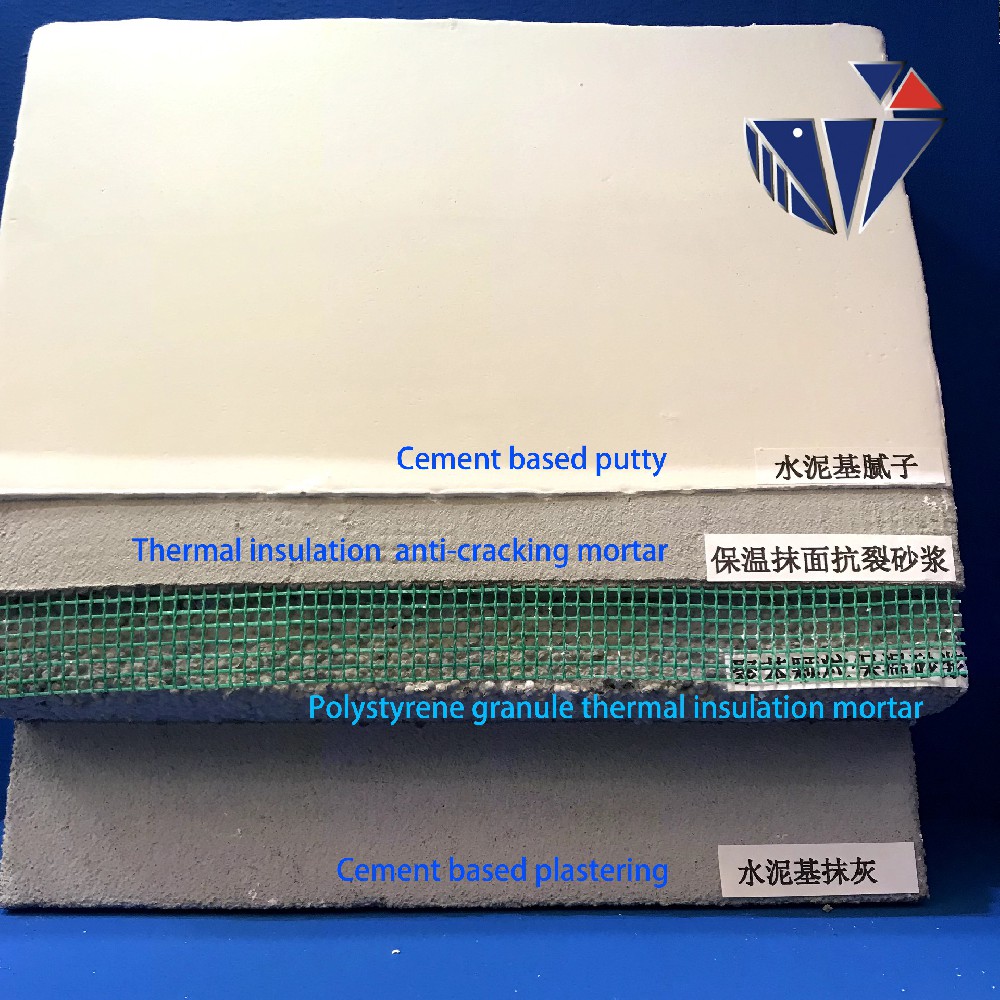
I've been particularly impressed by VAE powders over the years—they strike a solid balance between flexibility and curing speed. Many engineers I know swear by them for exterior insulation finishing systems. That said, selecting the right polymer powder type comes down to understanding the environment and performance requirements.
One quick story: I recall working on a project where we substituted an SBR-based redispersible powder with a VE copolymer variant because the floor was exposed to aggressive chemicals. The difference was night and day in lifespan, although it came at a higher cost. It’s a classic tradeoff of durability vs. budget, you know?
Comparing Leading Redispersible Polymer Powder Vendors
| Vendor | Product Range | Technical Support | Global Reach | Typical Lead Time |
|---|---|---|---|---|
| CNJZ Chemical | Comprehensive - VAE, SBR, PVAc grades | Excellent, with custom formulation advice | Strong presence in Asia & Europe | 2-3 weeks |
| BASF | Wide, including specialty copolymers | Robust R&D, global support network | Global, especially in Americas | 1-2 weeks |
| Wacker Chemie | Focus on VAE polymers, high purity | Good technical datasheets and advice | Strong in Europe, emerging in Asia | 2 weeks |
In real terms, when buying redispersible polymer powders, factors such as lead time, support, and product customization can be just as important as the technical specs. I noticed that vendors like CNJZ Chemical often tailor formulations according to specific project needs, which frankly makes a huge difference in complex builds.
Testing is another area I won’t gloss over. Confirming polymer compatibility with the cementitious system, freeze-thaw resistance, and adhesion under site-specific conditions should be a no-brainer. We've all seen batches fail because someone skipped these basic checks.
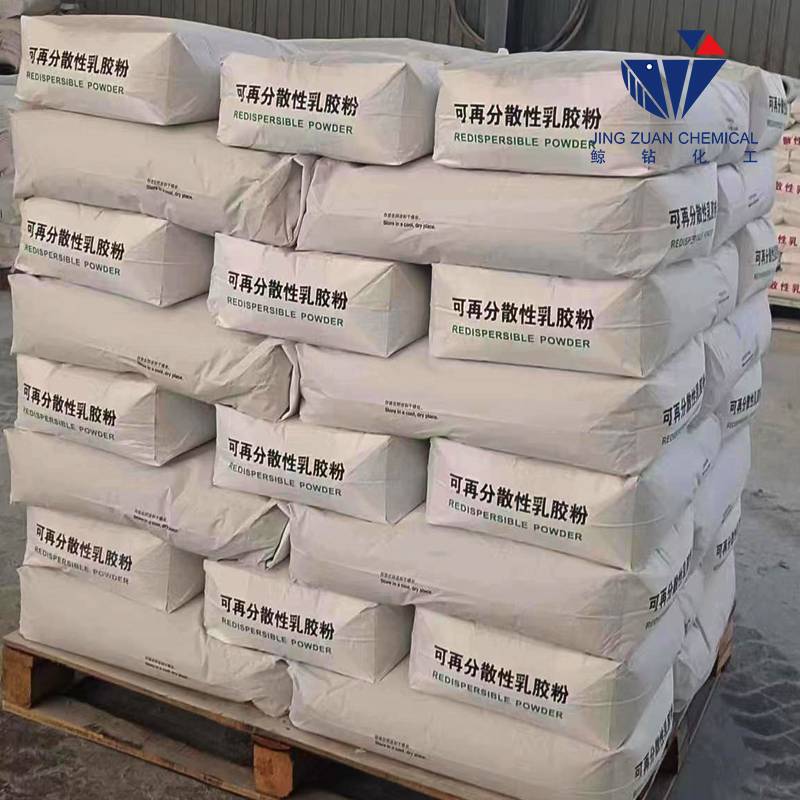
One last tip: store your redispersible powders in a dry, cool place, avoid humidity—and try to use them within the recommended shelf life. Many issues start simply from improper storage or old stock… and I’m sure that’s a lesson learned the hard way by many in the field.
To sum it up, selecting the right redispersible polymer powder type is part science, part art—and a pinch of experience goes a long way. Whether your project calls for flexibility, chemical resistance, or cost efficiency, understanding the nuances can save you time and money.
Hope this little overview helps demystify the topic a bit! If nothing else, it reminded me how even small components, like polymer powders, quietly shape the durability of the structures we work on every day.
References:
- Technical datasheets from CNJZ Chemical and industry whitepapers
- My personal field experience and project case studies
- Conversations with materials engineers and product developers
-
Understanding Hydroxypropyl Methyl Cellulose MSDS Safety and Compliance
NewsApr.16,2026
-
Understanding the Hydroxypropyl Methyl Cellulose HS Code for Global Trade
NewsApr.09,2026
-
Comprehensive Guide to Hydroxypropyl Methyl Cellulose CAS Number and Applications
NewsApr.07,2026
-
Comprehensive Guide to Hydroxypropyl Methyl Cellulose cas no and its Diverse Applications
NewsApr.04,2026
-
Comprehensive Guide to Hydroxypropyl Methyl Cellulose Manufacturers and Applications
NewsMar.31,2026
-
Understanding Hydroxypropyl Methyl Cellulose Properties And Diverse Applications
NewsMar.28,2026