
Dec . 22, 2025 10:20 Back to list
Redispersible Polymer Powder Wiki – Industrial Use & Specifications
Understanding Redispersible Polymer Powder Wiki: A Practical Perspective
Having spent over a decade working in the industrial equipment and construction materials sector, I’ve come across countless additives and enhancers that can make or break a project. One such unsung hero is the redispersible polymer powder. It’s fascinating how something so fine and seemingly simple influences the performance of cement-based products and mortars on a fundamental level.
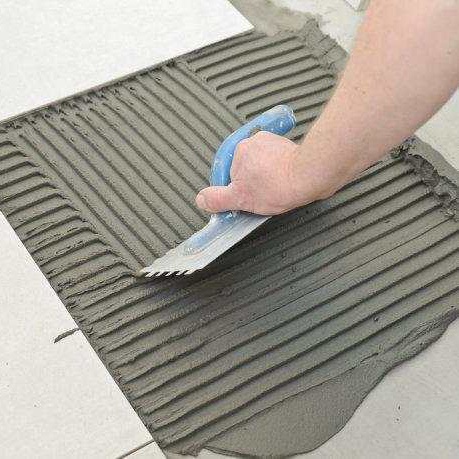
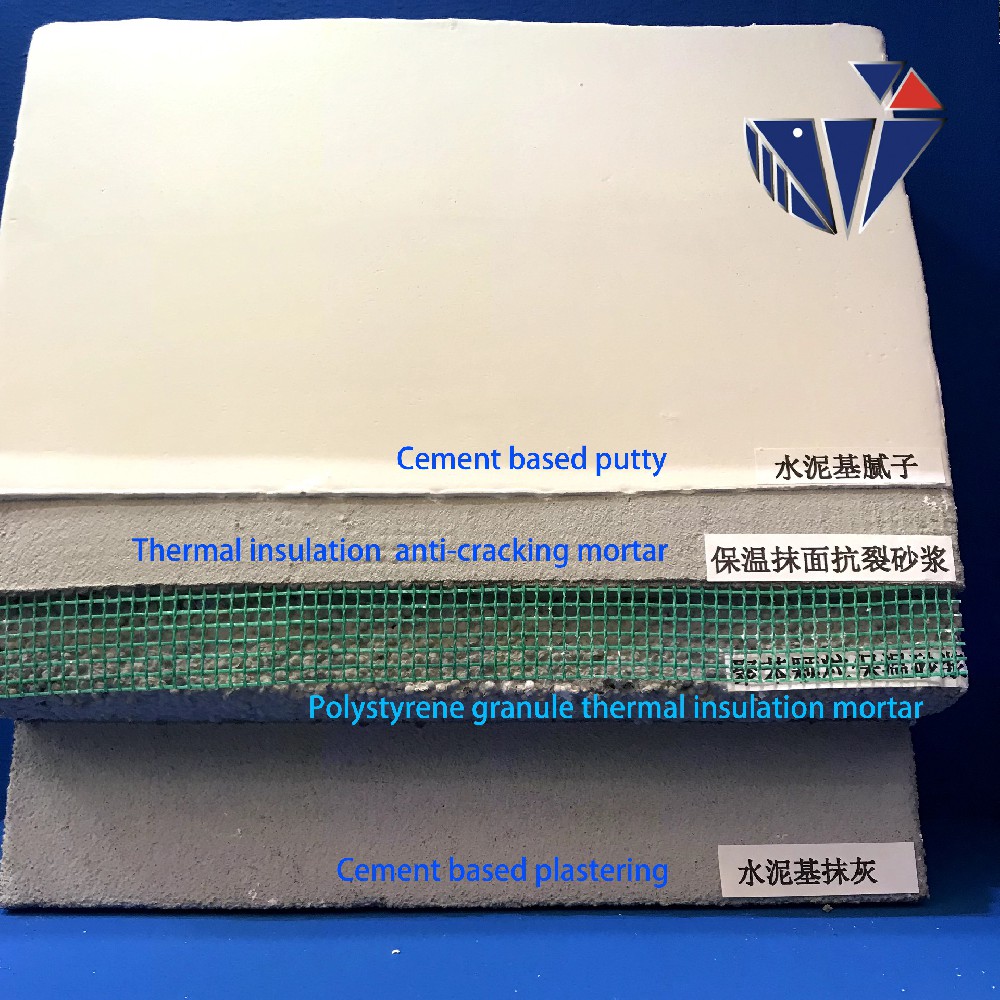
Oddly enough, many folks outside our circle don’t fully appreciate what this powder does. Put plainly, it boosts adhesion, flexibility, and water retention in various dry mixes, especially in tile adhesives, repair mortars, and renders. Frankly, I’ve seen project specs that leaned heavily on the powder’s qualities to withstand tough environmental conditions, like freeze-thaw cycles or heavy mechanical stress.
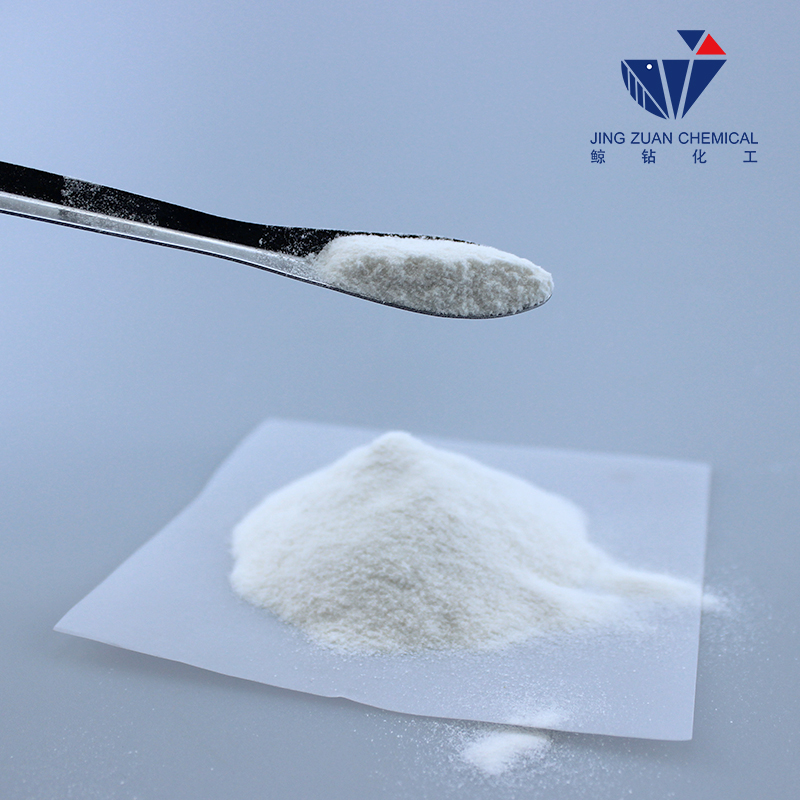
From what I gather in the field, the core of these powders is usually made through polymerization of vinyl acetate and ethylene monomers, though there are variations depending on the supplier’s proprietary blends. The manufacturing process often involves spray drying an aqueous polymer dispersion, which then transforms the liquid form back into powder — hence the term “redispersible.” When mixed with water onsite, it behaves like a high-performance polymer binder.
This reversible property fascinates me; it’s kind of like breathing life back into a dormant compound. I noticed many engineers stress the importance of particle size distribution and polymer content because these factors influence setting time, workability, and final product strength. Obviously, consistent quality control during production matters. One batch slightly off-spec, and suddenly you have inconsistent mortar strength across the job site — not ideal.
| Property | Typical Value | Unit |
|---|---|---|
| Polymer Type | VAE (Vinyl Acetate Ethylene) | - |
| Polymer Content | 55 ± 2 | % |
| Median Particle Size (D50) | 20 - 50 | µm |
| Bulk Density | 450 - 550 | kg/m³ |
| pH Value (10% Water Dispersion) | 5.0 - 7.0 | - |
| Loss on Drying (120°C) | ≤3.0 | % |
You might ask, how do different vendors stack up? In real terms, it comes down to small but critical things like polymer stability, absence of impurities, and compliance with international standards such as ASTM C881 or EN 14891. I recall a recent project where the client switched suppliers mid-contract — you could literally see the difference in workability and final adhesion. It was a bit of a headache, frankly.
| Vendor | Polymer Content (%) | Particle Size (µm) | Compliance | Packaging Options |
|---|---|---|---|---|
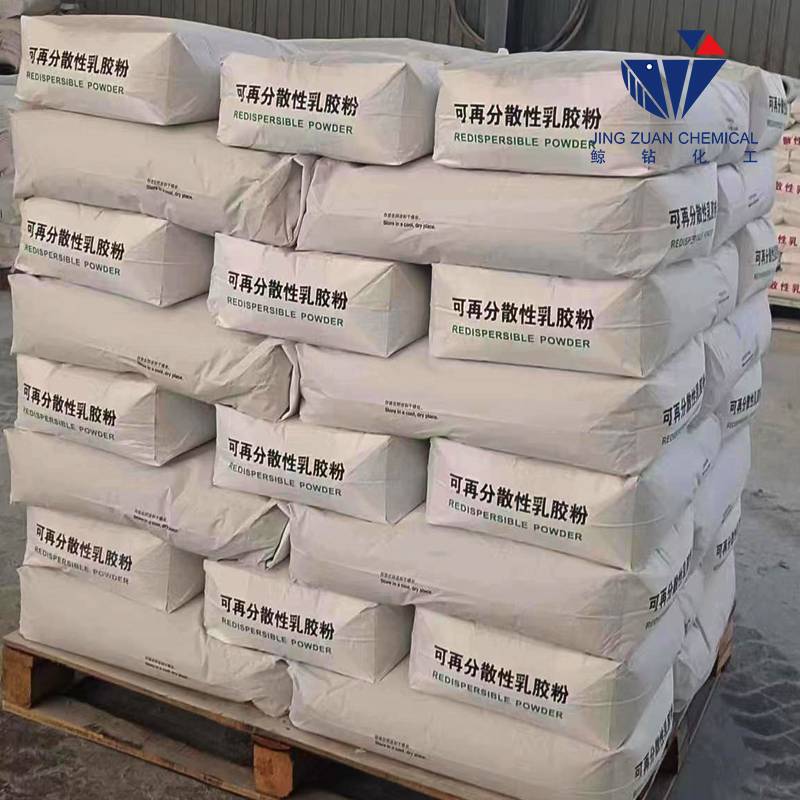
| CNJZ Chemical | 55 ± 2 | 20 - 50 | EN 14891, ASTM C881 | 25kg bags, bulk |
| Vendor B | 50 ± 3 | 30 - 40 | ASTM C881 only | 20kg bags |
| Vendor C | 57 ± 1.5 | 25 - 55 | EN 14891 only | Bulk only |
Talking about customization, it’s quite interesting how suppliers now tailor polymer powders to meet different application challenges. For instance, some blend in special additives to enhance water retention further or adjust the polymer ratio for improved elasticity. From what the R&D teams tell me, this flexibility helps contractors optimize their mix design for site-specific conditions—whether it’s a hot, dry climate or a place with lots of moisture.
I remember visiting a job site in northern Europe where they tested a batch with an adjusted polymer content. The workers remarked that the mortar stayed workable longer despite cold weather. That kind of real-world validation is what measures the powder’s worth, beyond just lab specs.
In short, redispersible polymer powder isn’t just another chemical additive. It’s a carefully engineered product shaped by years of experience, testing, and evolving industry needs. Knowing how to choose and apply it can save both time and money while improving durability — that’s my takeaway after all these years.
References:
- EN 14891: Cementitious Waterproofing Products—Requirements and Test Methods
- ASTM C881: Standard Specification for Epoxy-Resin-Base Bonding Systems
- Industry insights from CNJZ Chemical technical briefs and product datasheets
-
Understanding Hydroxypropyl Methyl Cellulose MSDS Safety and Compliance
NewsApr.16,2026
-
Understanding the Hydroxypropyl Methyl Cellulose HS Code for Global Trade
NewsApr.09,2026
-
Comprehensive Guide to Hydroxypropyl Methyl Cellulose CAS Number and Applications
NewsApr.07,2026
-
Comprehensive Guide to Hydroxypropyl Methyl Cellulose cas no and its Diverse Applications
NewsApr.04,2026
-
Comprehensive Guide to Hydroxypropyl Methyl Cellulose Manufacturers and Applications
NewsMar.31,2026
-
Understanding Hydroxypropyl Methyl Cellulose Properties And Diverse Applications
NewsMar.28,2026