
Sep . 19, 2025 19:55 Back to list
Redispersible Powder - Hebei Jingzuan Chemical|[Bonding Strength]&[Durability]
Introduction to Redispersible Powder (RDP)
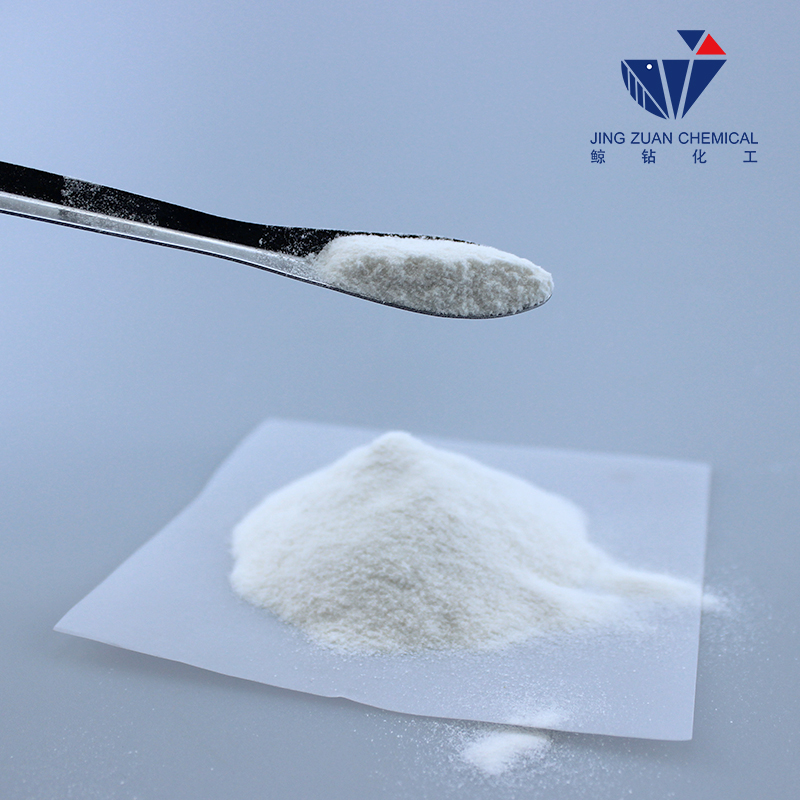
Redispersible Powder (RDP), also known as Redispersible Powder (RDP), is a revolutionary additive in the construction industry. This polymer-based powder enhances the performance of cement mortars, wall putties, and tile adhesives, offering superior bonding strength, improved workability, and enhanced durability. RDP is widely used in applications such as EIFS mortar, tile bonding mortar, and tile seam filling, making it an indispensable component for modern construction projects.

Key Features and Advantages of RDP
RDP is renowned for its exceptional bonding properties, which significantly improve the adhesion of construction materials to various surfaces. This makes it a preferred choice for applications where structural integrity and long-term performance are critical. The RDP polymer enhances the coating and spreading rate of mortars and putties, ensuring even application and reducing the risk of cracks. Additionally, RDP improves the mechanical strength of structures, offering resistance to environmental stressors such as temperature fluctuations and moisture.
One of the standout features of RDP is its ability to form a durable film when dried. This film not only enhances adhesion but also provides a barrier against water penetration, extending the lifespan of construction materials. The VAE powder component of RDP contributes to its elasticity and tensile strength, making it ideal for applications requiring flexibility and resilience.
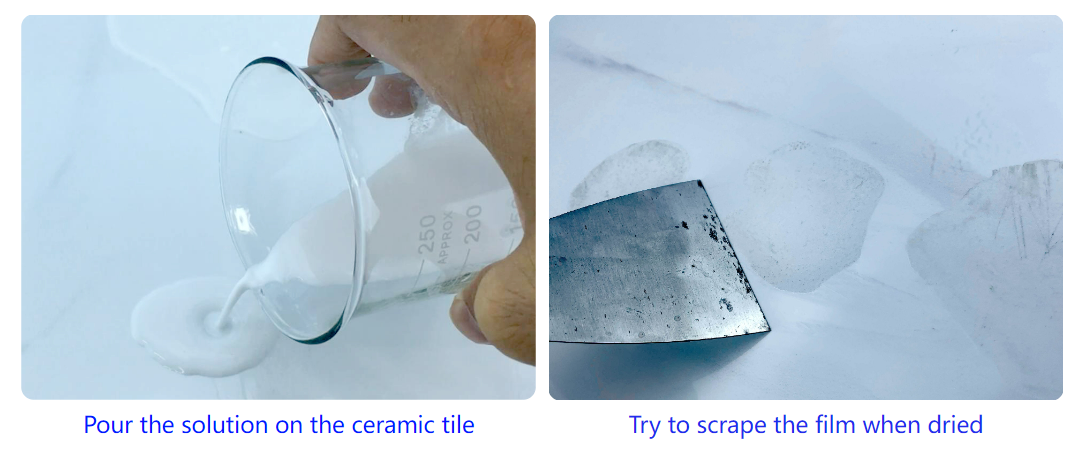
Quality Assurance and Testing Methods
Ensuring the quality of RDP is crucial for its performance in construction applications. Two primary methods are used to assess the quality of RDP:
Method No. 1: Bonding Ability Check
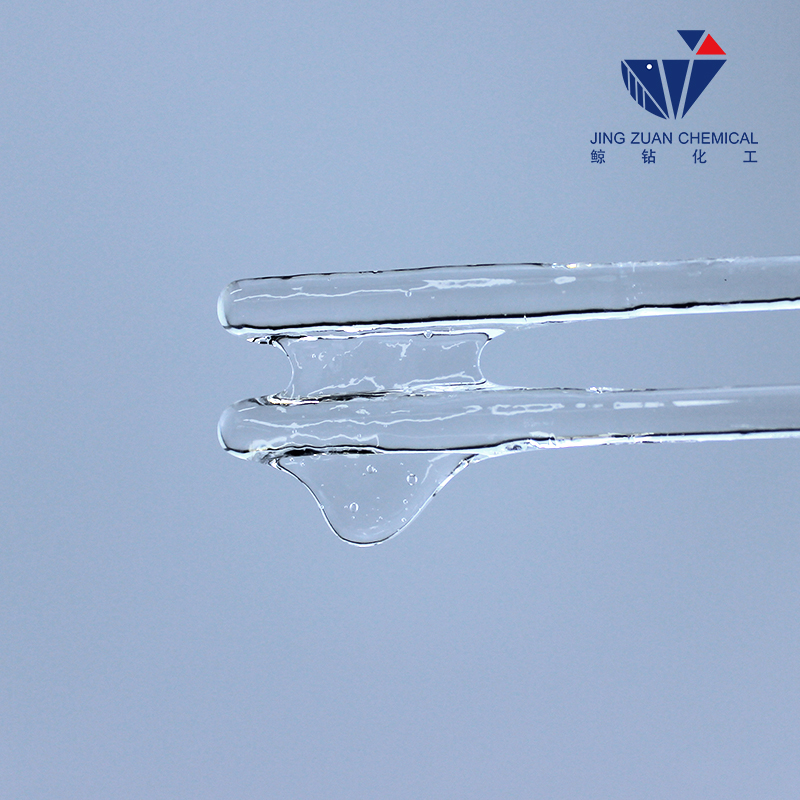
To test the bonding ability of RDP, a small quantity of the solution is applied to a clean tile surface. After drying, a VAE film should remain on the surface, and it should be difficult to scrape off. This indicates that the RDP has effectively penetrated the tile surface, ensuring strong adhesion.
Method No. 2: Film Formation and Dispersibility Check
This method involves creating a thin layer of RDP solution on a glass surface. Once dried, the film should be smooth, even, and elastic. When stretched, the film should exhibit tensile strength, confirming its dispersibility and quality.
For a visual demonstration of these testing methods, refer to the RDP quality check video.

Free Samples and Quality Stability
Before placing a bulk order, customers are encouraged to request free samples to evaluate the quality of RDP. The company offers samples with the buyer covering the air shipping cost, ensuring a seamless evaluation process. Additionally, samples from different batches are available to assess the consistency and stability of the product's quality.
By providing samples, the company demonstrates its commitment to transparency and customer satisfaction. This approach allows clients to verify the performance of RDP in real-world applications before making large-scale purchases.

Technical Specifications of RDP
The following table outlines the key technical specifications of Redispersible Powder (RDP):
| Parameter | Specification |
|---|---|
| Chemical Name | Redispersible Powder |
| Molecular Formula | (C₂H₄)ₓ(C₄H₆O₂)ᵧ |
| Moisture Content (%) | ≤5 |
| Residue (Ash) (%) | 12-25 |
| Fineness (Mesh) | 80-120 |
| Minimum Film-Forming Temperature (°C) | 0-5 |
Applications in Construction
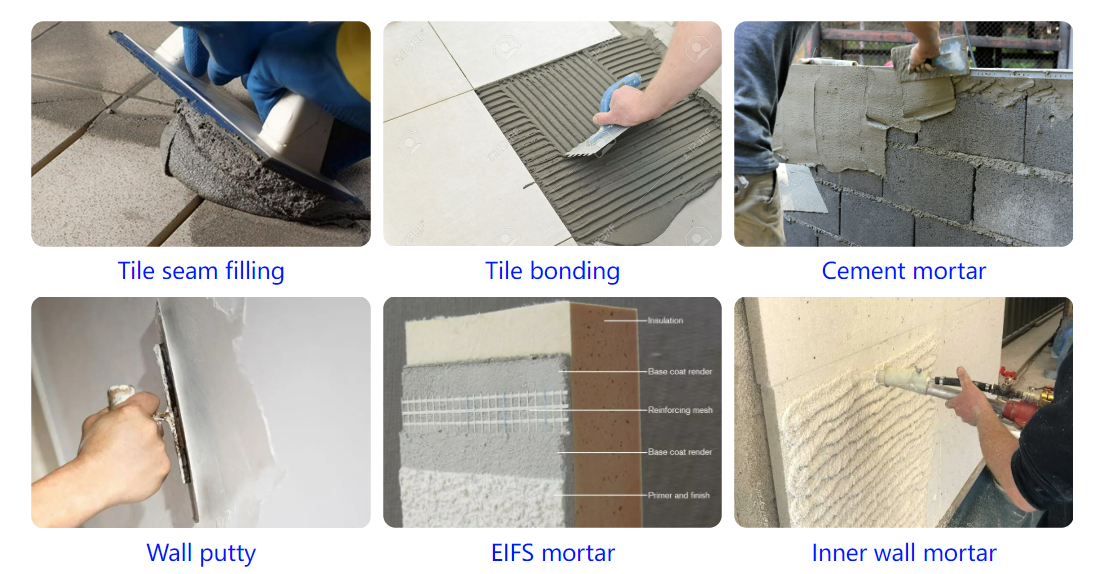
RDP is a versatile additive with applications across various construction sectors. Its primary uses include:
- Cement Mortar: Enhances adhesion and reduces cracking in cement-based materials.
- Wall Putty: Improves the smoothness and durability of wall surfaces.
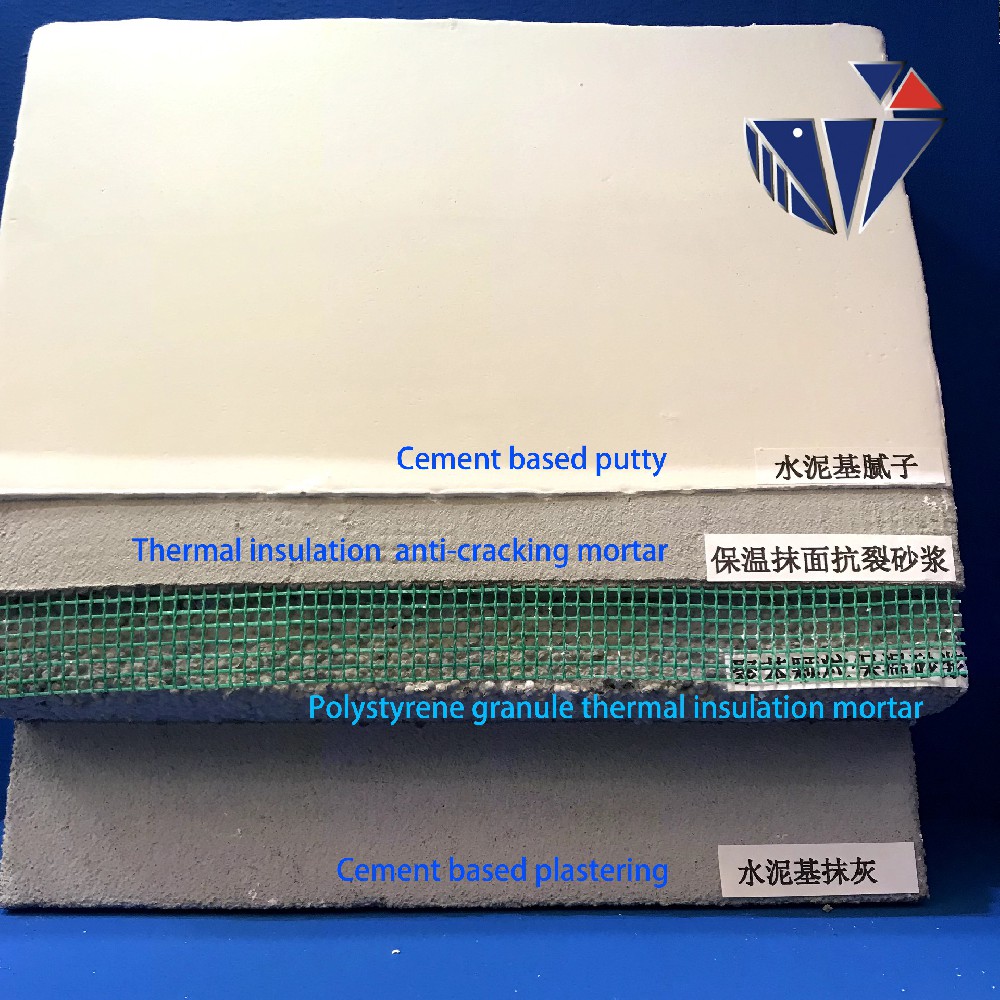
- EIFS Mortar: Provides flexibility and weather resistance for exterior insulation and finish systems.
- Tile Bonding Mortar: Ensures strong adhesion of tiles to surfaces, reducing the risk of detachment.
- Tile Seam Filling: Enhances the flexibility and water resistance of tile joints.
These applications highlight the versatility of RDP in addressing diverse construction challenges, from structural reinforcement to aesthetic improvements.
Company Background: Hebei Jingzuan Chemical Technology Co., Ltd.
Hebei Jingzuan Chemical Technology Co., Ltd. (HEBEI JINGZUAN CHEMICAL TECHNOLOGY CO., LTD.) is a leading manufacturer of high-performance chemical products, specializing in the production of redispersible powder and related additives. With a focus on innovation and quality, the company has established itself as a trusted supplier in the construction industry.
Since its inception, Hebei Jingzuan has prioritized research and development, ensuring that its products meet the highest standards of performance and reliability. The company's commitment to customer satisfaction is reflected in its comprehensive support services, including free samples, technical assistance, and tailored solutions for diverse applications.
For more information about the company's products and services, visit the Hebei Jingzuan Chemical Technology Co., Ltd. website.
Package and Shipping Details
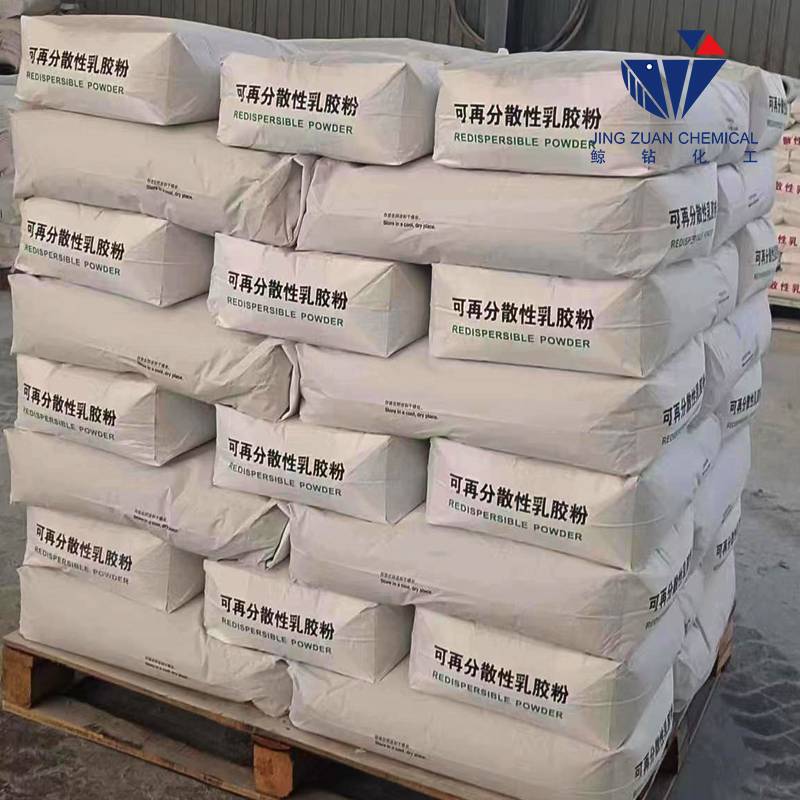
RDP is available in various packaging options to suit different shipping and storage requirements. The following images illustrate the standard packaging configurations:
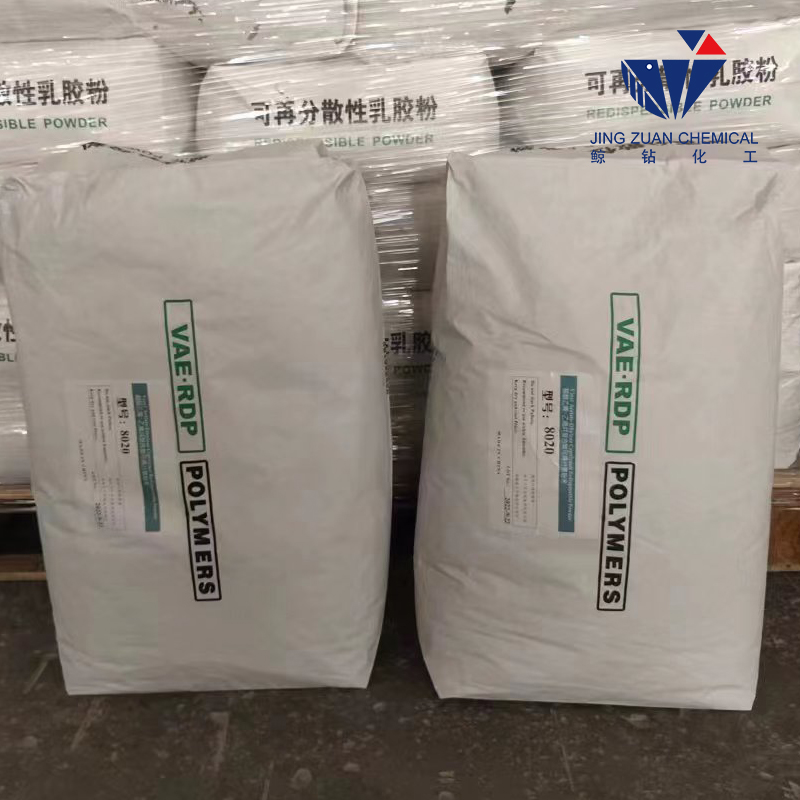
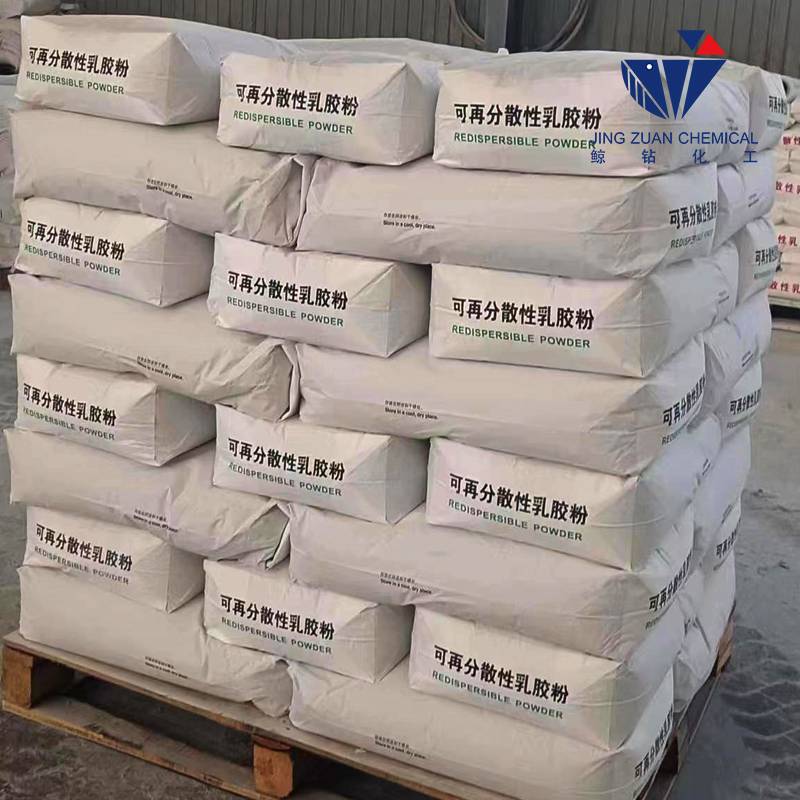
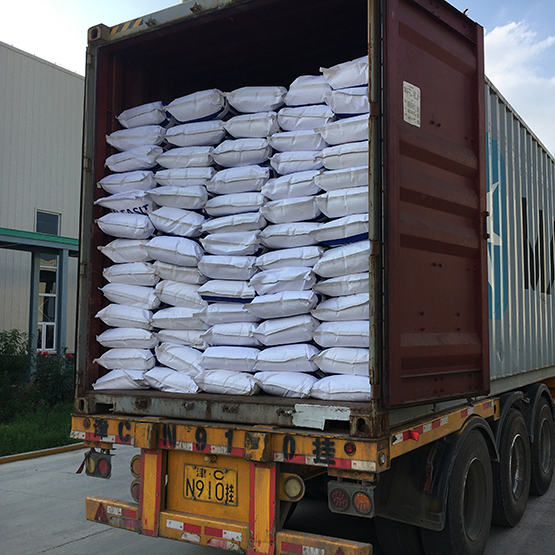
These packaging solutions ensure the safe transportation and long-term storage of RDP, maintaining its quality and performance characteristics.
Ensuring Trust and Reliability: NIST Standards
As a manufacturer of construction materials, Hebei Jingzuan Chemical Technology Co., Ltd. adheres to rigorous quality control standards. While RDP is not explicitly mentioned in NIST's public resources, the National Institute of Standards and Technology (NIST) plays a critical role in developing measurement standards that underpin the performance of materials in construction. NIST's research in polymer science and material testing provides a framework for evaluating the properties of additives like RDP, ensuring their reliability and consistency.
For more information on NIST's contributions to materials science, visit the NIST website.
-
Understanding Hydroxypropyl Methyl Cellulose MSDS Safety and Compliance
NewsApr.16,2026
-
Understanding the Hydroxypropyl Methyl Cellulose HS Code for Global Trade
NewsApr.09,2026
-
Comprehensive Guide to Hydroxypropyl Methyl Cellulose CAS Number and Applications
NewsApr.07,2026
-
Comprehensive Guide to Hydroxypropyl Methyl Cellulose cas no and its Diverse Applications
NewsApr.04,2026
-
Comprehensive Guide to Hydroxypropyl Methyl Cellulose Manufacturers and Applications
NewsMar.31,2026
-
Understanding Hydroxypropyl Methyl Cellulose Properties And Diverse Applications
NewsMar.28,2026