
Dec . 14, 2025 02:15 Back to list
Understanding HPMC Density: Key Insights for Industry and Innovation
Understanding HPMC Density: Why It Matters Globally
Hydroxypropyl methylcellulose (HPMC) density might sound like a mouthful and perhaps a little niche, but its role in modern industries—especially construction, pharmaceuticals, and even humanitarian aid—is far from trivial. Simply put, the hpmc density affects everything from product stability to material performance. Understanding it better means better products, smarter manufacturing, and ultimately, improved outcomes for global needs.
Thanks to the increasing demand for sustainable construction materials and high-performance additives worldwide, exploring the nuances of HPMC density is timely. It not only improves efficiency but also addresses challenges tied to material consistency and environmental impact.
Mini Takeaway:
- HPMC density is a critical factor influencing material behavior across various industries.
- Understanding it helps improve both product quality and sustainability on a global scale.
The Global Context: Why HPMC Density is Gaining Attention
Globally, the construction and pharmaceutical industries alone account for billions of dollars in annual usage of cellulose derivatives like HPMC. According to ISO reports, cellulose-based polymers are experiencing a compound annual growth rate (CAGR) of around 6% worldwide, largely driven by green building initiatives and pharmaceutical advancements (1).
However, a recurring hurdle across multiple sectors is inconsistent material quality due to variability in hpmc density. In remote or developing regions, this can exacerbate challenges in delivering safe, durable products—be it cement mixes or controlled drug release systems. World Bank data also underscores the urgency to innovate materials that balance affordability, durability, and ease of use, all of which hinge on an accurate grasp of HPMC’s physical properties.
Mini Takeaway:
- HPMC density directly affects manufacturing quality in booming industries worldwide.
- Standardizing this parameter supports better products and addresses global supply chain issues.
What is HPMC Density? A Simple Explanation
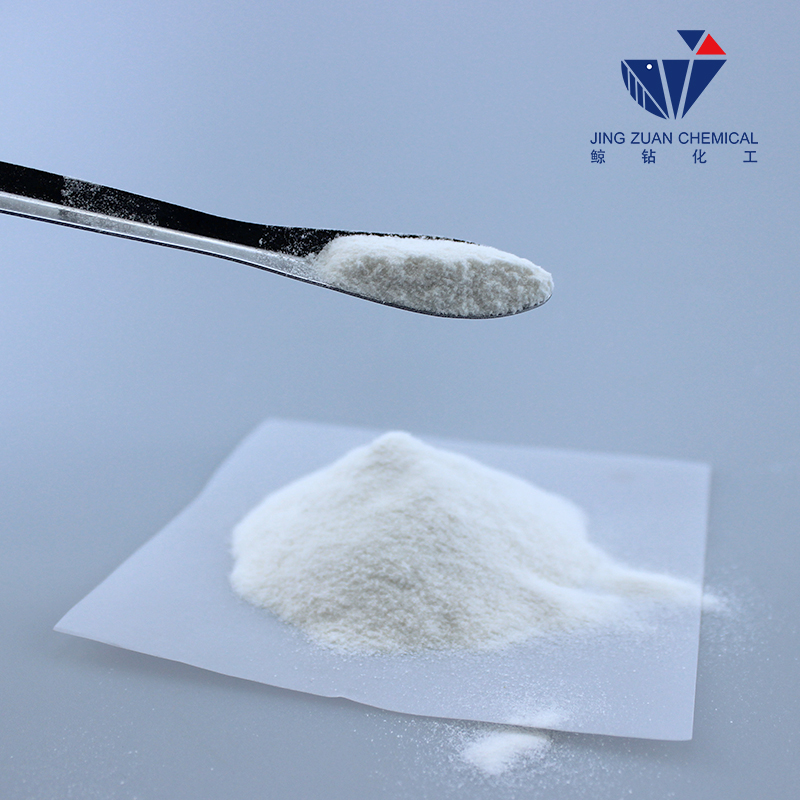
In simple terms, hpmc density refers to the mass per unit volume of hydroxypropyl methylcellulose, a non-ionic cellulose ether polymer derived from cellulose. Imagine packing stuff into a box: the tighter or looser the items fit, the heavier or lighter the box feels. That’s essentially what density measures.
In industry terms, the density influences how HPMC behaves when mixed with water or other ingredients in concrete, pharmaceuticals, or coatings. Its density determines critical factors like viscosity, film formation, and stability, making it essential to measure correctly for consistent performance.
Mini Takeaway:
- HPMC density is a physical metric indicating how compact the polymer is.
- This metric underpins its functional behavior in applications.
Core Components Affecting HPMC Density and Their Practical Significance
1. Particle Size Distribution
Smaller particles generally pack tighter, increasing bulk density. This affects how HPMC dissolves and hydrates, with knock-on effects for workability and product consistency.
2. Moisture Content
Even tiny fluctuations in moisture can cause measurable changes in hpmc density. Moisture acts like sneak water weight, influencing shelf life and reaction rates in formulations.
3. Degree of Substitution
This chemical tweak changes HPMC’s hydrophilicity and consequently its density. Manufacturers use this to tailor products for specific viscosities or thermal stability.
4. Compaction During Processing
How the powder is compressed during manufacturing strongly influences packing and density, directly affecting storage and dosing.
5. Temperature and Environmental Conditions
Slight temperature shifts can cause expansion or contraction, subtly shifting density figures with practical consequences during transport or use.
Mini Takeaway:
- HPMC density is a complex interplay of physical and chemical factors.
- Fine-tuning these aspects can help manufacturers achieve specific performance goals.
Real-World Uses of HPMC Density in Diverse Sectors
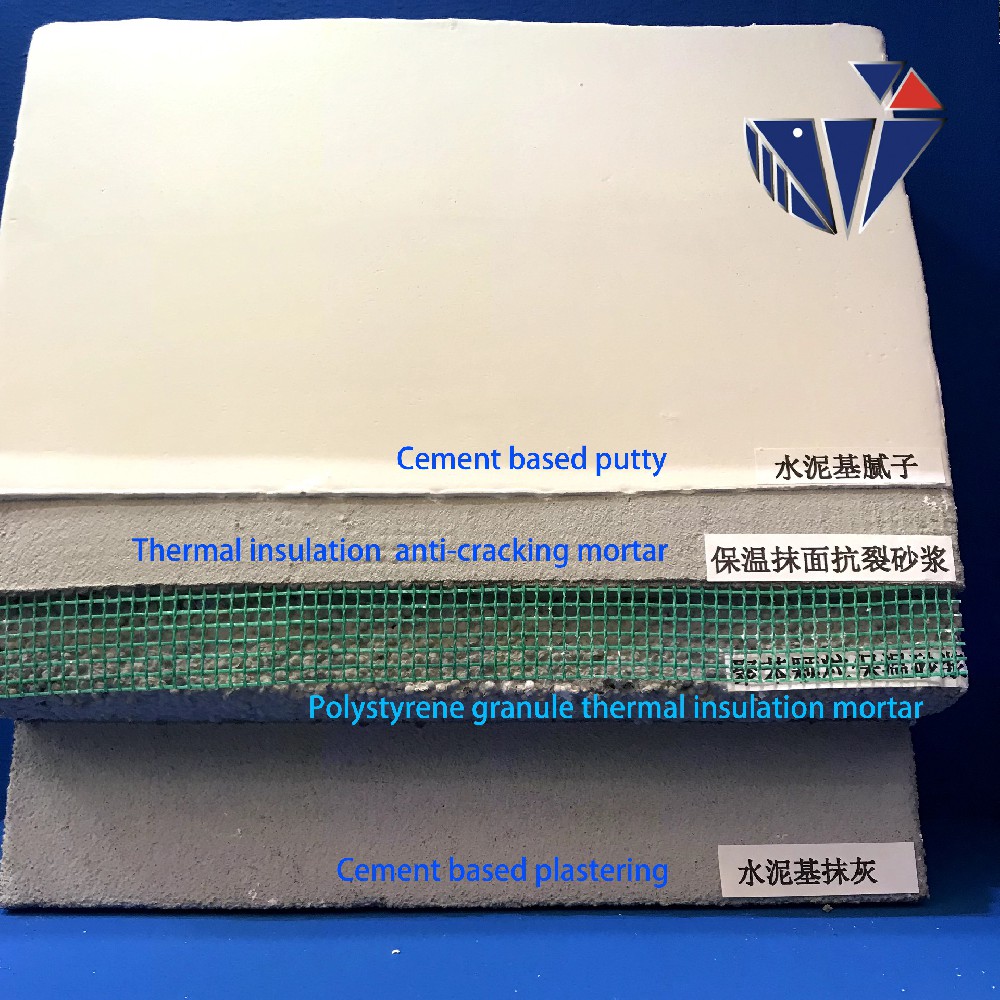
In construction, for instance, precise control over hpmc density ensures consistency in cement-based adhesives and plasters. Europe and Asia lead the market here, with applications improving building durability and eco-friendliness.
In pharmaceuticals, accurate density values guide the production of sustained-release tablets and capsules worldwide—the US and India are major players.
Humanitarian organizations also lean on this knowledge when crafting emergency shelter materials or rapid-deployment mortars: think post-disaster scenarios in Southeast Asia or Sub-Saharan Africa where reliable materials are literally lifesavers.
Mini Takeaway:
- Multiple sectors apply lessons from HPMC density to improve product outcomes.
- Global regions benefit uniquely—from pharma manufacturing hubs to disaster relief efforts.
Advantages & Long-Term Value of Understanding HPMC Density
- Cost Efficiency: Tighter density control reduces waste and rework, lowering production costs.
- Sustainability: Optimized formulations require less raw material and energy, improving environmental footprints.
- Product Reliability: Consumers and industries trust products with predictable performance.
- Social Impact: Reliable materials in humanitarian efforts improve safety and dignity.
- Innovation: Understanding HPMC density paves the way for smarter, tailored polymers.
Mini Takeaway:
Frankly, this knowledge doesn’t just make sense—it drives meaningful change across economics, environment, and human welfare.
Emerging Trends & Innovations in HPMC Density Management
Automation and AI-assisted quality control are being deployed to monitor density variations in real-time, sharply reducing inconsistencies. Researchers are experimenting with bio-sourced modifiers to adjust density naturally, promoting greener chemistry.
Digital twins of manufacturing lines help simulate environmental impacts on hpmc density, enabling proactive adjustments—that sounds futuristic but many firms are already piloting this.
Challenges and Expert Solutions
Challenges remain, like controlling density during extreme temperature shifts or in large-scale batch processing. Some say there's a “black magic” to balance it all, but data-driven quality control, enhanced moisture barriers, and modular processing units are solid moves forward.
Practical FAQ About HPMC Density
- Q: Why is precise measurement of HPMC density important for pharma applications? A: Because density influences how HPMC hydrates and dissolves, it directly affects tablet consistency, drug release profiles, and shelf life. Precision ensures safety and efficacy.
- Q: Can variations in HPMC density affect construction material durability? A: Absolutely. Variations lead to inconsistent viscosity and setting time, potentially weakening adhesives or plasters. Consistent density => reliable strength.
- Q: How do manufacturers control HPMC density during production? A: Through strict moisture control, consistent particle sizing, and calibrated compaction equipment, manufacturers reduce variability.
- Q: Is eco-friendly HPMC possible considering density impacts? A: Yes. By using bio-based raw materials and optimizing density for less waste, manufacturers create sustainable HPMC products without compromising quality.
HPMC Density Specification Table
| Parameter | Typical Range | Unit | Notes |
|---|---|---|---|
| Bulk Density | 400–600 | kg/m³ | Depends on particle size & moisture |
| Tapped Density | 550–700 | kg/m³ | After mechanical compaction |
| Moisture Content | 3–6% | % | Affects effective density |
| True Density | 1.28–1.31 | g/cm³ | Polymer intrinsic property |
HPMC Density Vendor Comparison
| Vendor | Bulk Density Range (kg/m³) | Price ($/kg) | Customization Options | Delivery Reach |
|---|---|---|---|---|
| CNJZ Chemical | 420–580 | 0.85 | Custom viscosity & purity | Global |
| Global Cellulose Inc. | 400–600 | 0.90 | Standard grades only | North America, Europe |
| Oriental Polymers | 430–570 | 0.88 | Custom particle sizes | Asia Pacific |
Wrapping It Up: Why HPMC Density Is More Than a Number
Tracking and understanding hpmc density is not just a technical checkbox — it’s foundational to material innovation, sustainability, and global supply chain success. From ensuring that an adhesive sticks just right to helping medicines release doses on schedule, density matters every step of the way.
So, whether you’re a product developer, quality control manager, or just someone curious about these invisible forces shaping what we build and consume, keeping density top of mind pays dividends.
For more in-depth info and tailored solutions, visit CNJZ Chemical’s website — they’re serious about quality and customization when it comes to HPMC.
References
-
Understanding Hydroxypropyl Methyl Cellulose MSDS Safety and Compliance
NewsApr.16,2026
-
Understanding the Hydroxypropyl Methyl Cellulose HS Code for Global Trade
NewsApr.09,2026
-
Comprehensive Guide to Hydroxypropyl Methyl Cellulose CAS Number and Applications
NewsApr.07,2026
-
Comprehensive Guide to Hydroxypropyl Methyl Cellulose cas no and its Diverse Applications
NewsApr.04,2026
-
Comprehensive Guide to Hydroxypropyl Methyl Cellulose Manufacturers and Applications
NewsMar.31,2026
-
Understanding Hydroxypropyl Methyl Cellulose Properties And Diverse Applications
NewsMar.28,2026