
Dec . 13, 2025 11:50 Back to list
Understanding HPMC: Essential Insights for Industrial Applications
What Makes HPMC a Staple in Industrial Applications?
Having been around industrial equipment and chemical supplies for longer than I care to admit, I’ve come to appreciate just how invaluable HPMC truly is. Hydroxypropyl methylcellulose, to be precise, might sound like a mouthful, but it’s one of those ingredients that quietly keeps things working behind the scenes.
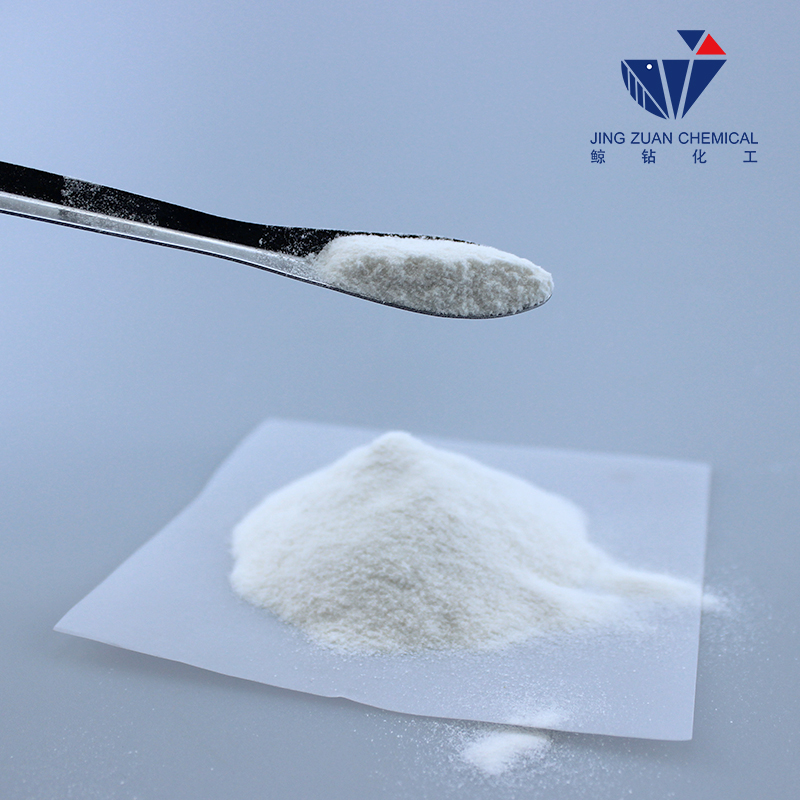
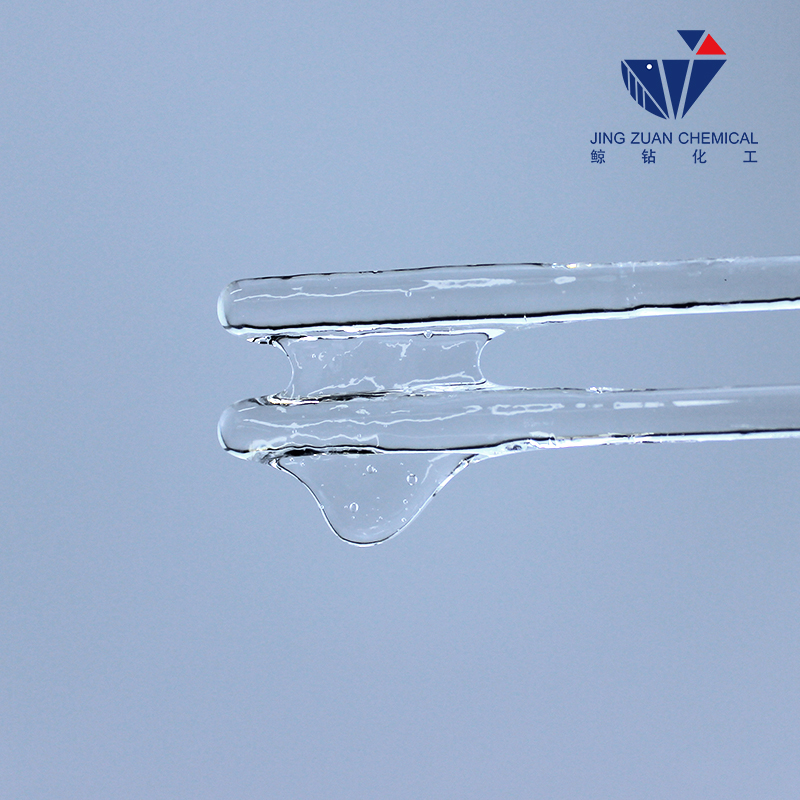
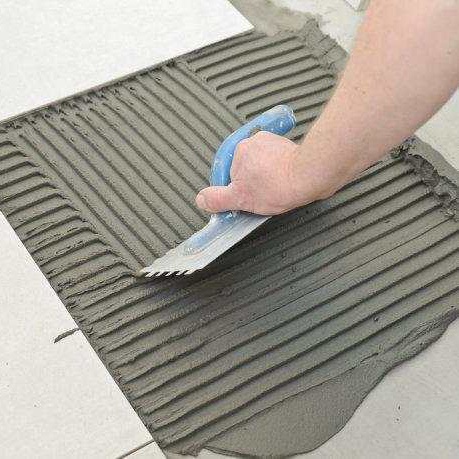
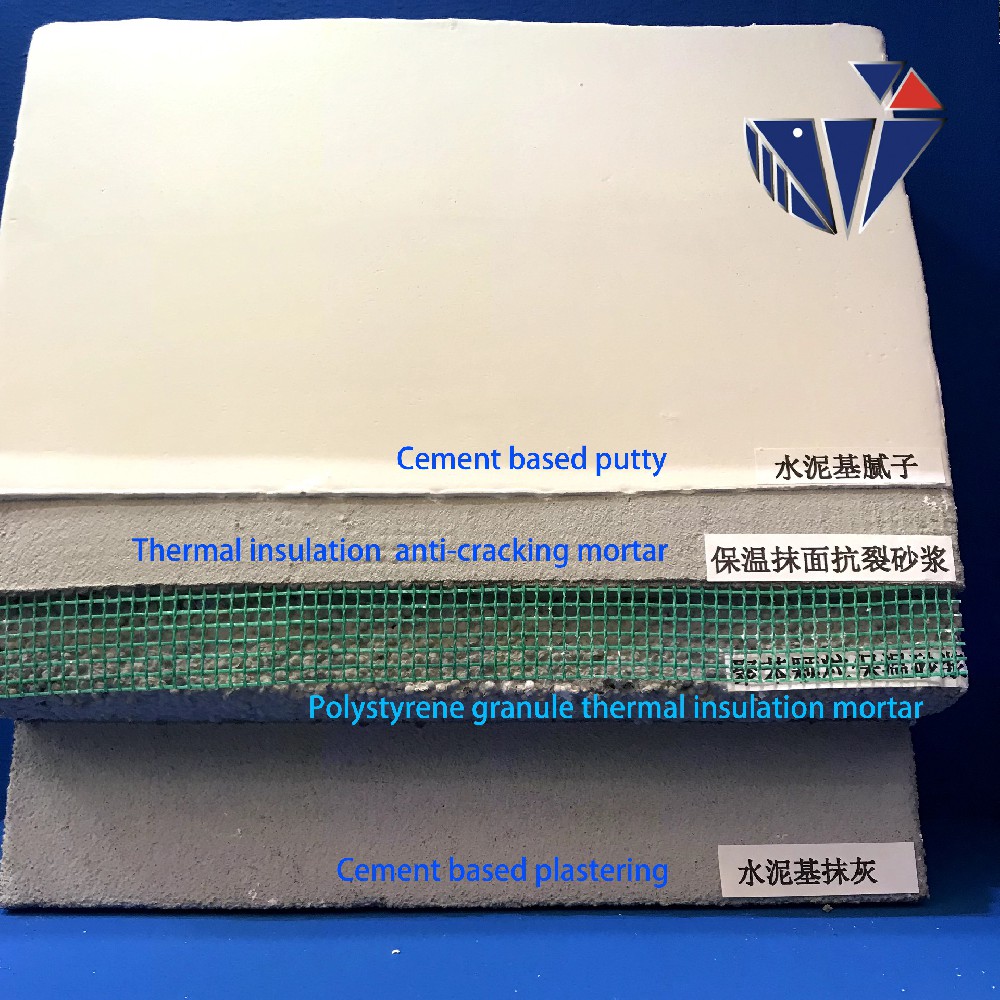
In real terms, HPMC is a cellulose ether – a derivative, if you like, of raw cellulose from wood pulp or cotton. What I often notice is its incredible versatility. It thickens, binds, stabilizes, even acts as a film former. When you’ve used it in product formulations, particularly in construction chemicals like tile adhesives and cementitious mixes, you quickly realize it’s the unsung hero.
Oddly enough, many engineers and material scientists tend to focus more on flashy new polymers, ignoring the reliability factor HPMC offers. For those who’ve worked in cement or plaster manufacturing, it’s a staple — kind of a safety net for consistency and workability.
Diving into HPMC Product Specifications
Okay, so if you want to get nitty-gritty, here’s a rough glance at typical specs for industrial-grade HPMC. These numbers aren’t carved in stone but give a solid picture:
| Specification | Typical Value |
|---|---|
| Methoxy Content (%) | 19.0 - 24.0 |
| Hydroxypropyl Content (%) | 4.0 - 12.0 |
| Viscosity (mPa·s, 2% solution) | 10,000 - 400,000 |
| Ph Value (1% solution) | 5.0 - 8.0 |
| Moisture Content (%) | ≤ 5.0 |
When you work with different batches, these properties can shift slightly, but generally, HPMC delivers predictable performance, which is critical. Viscosity control stands out to me — it determines not only ease of application but how well the HPMC interacts with other additives. I remember one project where adjusting HPMC viscosity saved a tile adhesive from failing quality checks repeatedly.
Comparing Leading HPMC Vendors: What to Look For
Choosing the right supplier isn’t just about price, although that often takes center stage. It’s about consistency, available grades, and technical support. Below is a quick vendor comparison to help you get a feel for the market:
| Vendor | Product Range | Typical Applications | Technical Support | Price Range |
|---|---|---|---|---|
| CNJZ Chemical | Wide (various viscosities) | Construction, adhesives, paints | Excellent, personalized | Mid to low |
| Dow Chemical | Extensive, specialty grades | Pharmaceutical, construction | Strong global support | High |
| Ashland | Varied, including blends | Paints, coatings, adhesives | Good technical advice | Mid to high |
Choosing a supplier like CNJZ Chemical often comes down to their balance of cost-effectiveness and consistent product quality — both of which are crucial when scaling production. I learned this the hard way after switching suppliers mid-project, only to face compatibility issues.
Why HPMC Remains Relevant Despite Newer Alternatives
Frankly, in an industry full of instability and unpredictable supply chains, HPMC is a dependable choice. It’s not flashy, and it won’t make headlines, but it performs, time after time. If you’ve ever worried about an adhesive’s drying time or a plaster’s smoothness — chances are good you were indirectly relying on HPMC’s magic.
Customization is also a big factor. HPMC can be tailored for specific viscosities, solubility, and functionality, which fits nicely into the modern push for smarter, more precise materials. I remember a customer who needed a tile adhesive that could handle humid tropical climates — the right HPMC grade made a world of difference.
It’s one of those materials that, if you do your homework, integrates almost invisibly but provides tangible benefits. In fact, I sometimes think about HPMC as an industrial craftsperson’s secret weapon — less glamorous but invaluable.
So, if you’re in the market or just curious, don’t overlook the power of HPMC. Its track record in construction, coatings, adhesives, and even pharmaceuticals is hard to beat.
Anyway, that’s enough from me. If you dig deeper, you’ll find all sorts of fascinating details about this cellulose derivative. But for now, I hope this gives you a better sense of why it matters.
References and thoughts:
- CNJZ Chemical product brochures and online specifications (personal review over a decade)
- Industry case studies on cementitious adhesives and HPMC’s role, 2015-2023
- Conversations with coating formulators and chemical engineers across various regions
-
Understanding Hydroxypropyl Methyl Cellulose MSDS Safety and Compliance
NewsApr.16,2026
-
Understanding the Hydroxypropyl Methyl Cellulose HS Code for Global Trade
NewsApr.09,2026
-
Comprehensive Guide to Hydroxypropyl Methyl Cellulose CAS Number and Applications
NewsApr.07,2026
-
Comprehensive Guide to Hydroxypropyl Methyl Cellulose cas no and its Diverse Applications
NewsApr.04,2026
-
Comprehensive Guide to Hydroxypropyl Methyl Cellulose Manufacturers and Applications
NewsMar.31,2026
-
Understanding Hydroxypropyl Methyl Cellulose Properties And Diverse Applications
NewsMar.28,2026