
Nov . 28, 2025 14:40 Back to list
Understanding HPMC Side Effects: Safety, Uses, and Industry Insights | CNJZ Chemical
Unpacking HPMC Side Effects: Why It Matters More Than You Think
Hydroxypropyl methylcellulose, better known as HPMC, is everywhere — from pharmaceuticals to food production, construction to cosmetics. But like any widely used material, it’s not without its quirks. The phrase “hpmc side effects” might not be something you hear discussed over breakfast coffee, but understanding these effects is key, especially as this chemical sees increasing global use. Why? Because HPMC impacts everything from user safety to product stability and environmental outcomes. Getting a grip on the side effects means smarter applications, safer products, and cleaner processes worldwide.
Taking a moment to consider these side effects helps industries innovate responsibly and avoid pitfalls that could have costly or dangerous knock-on effects. Oddly enough, many people associate HPMC just with tablets or construction materials — but it touches so much more in our daily lives.
Global Context: Why Are HPMC Side Effects a Growing Concern?
The global production of cellulose derivatives like HPMC has steadily grown by roughly 5% annually, with emerging markets — including Asia and Latin America — leading demand. According to ISO 9001 standards and reports from the United Nations Industrial Development Organization (UNIDO), HPMC finds critical use in pharmaceuticals, food additives, and chemical engineering processes.
However, challenges arise in understanding how the polymer interacts biologically and environmentally. While classified as generally safe by regulatory bodies like the FDA and EFSA, real-world applications reveal subtle side effects that can affect product efficacy and consumer health — from minor allergic reactions to unexpected interactions with other compounds.
In disaster relief or remote construction where HPMC-based products are common, unexpected side effects may delay projects or compromise health if not closely monitored. Hence, comprehending hpmc side effects today is vital for global manufacturing integrity and humanitarian efforts alike.
What Are HPMC Side Effects, Anyway?
Simply put, side effects related to HPMC refer to any unintended adverse effects caused by this polymer when used in products or industrial processes. These can range from physical responses like skin irritation, to performance issues such as reduced viscosity or shelf-life instability. The "side effects" term can also encompass ecological impacts, like degradation rates in water systems or interaction with other chemicals during waste treatment.
It’s important to remember that HPMC is a modified cellulose — a plant-based polymer — and its chemical modifications give it unique functionalities. But those same modifications can also trigger reactions or reduce effectiveness depending on formulation and environment.
Core Aspects That Influence HPMC Side Effects
1. Purity and Grade
Impurities in HPMC batches can cause allergic responses or product inconsistencies. High-grade, pharmaceutical-quality HPMC usually exhibits fewer side effects, but it’s more costly.
2. Dosage & Concentration
The amount of HPMC incorporated in a product impacts both efficacy and potential adverse responses. Overuse can cause digestive discomfort when ingested, or tensile weakness in construction materials.
3. Environmental Conditions
Temperature, pH, and humidity affect HPMC stability — for example, increased humidity can change viscosity, leading to unexpected performance issues.
4. Interaction with Other Ingredients
HPMC is often combined with active pharmaceutical ingredients (APIs), thickeners, or preservatives. These can interact in ways that accentuate or mitigate side effects.
5. Application Method
The form and method of use matter — whether it’s a topical ointment, food additive, or tablet binder changes how side effects manifest.
Mini Takeaway:
HPMC side effects aren't a one-size-fits-all issue; their nature depends heavily on purity, dosage, user environment, and formulation. Being aware of these core factors helps in tailoring safer, more reliable products.
HPMC Side Effects in Practice: Real-World Use Cases
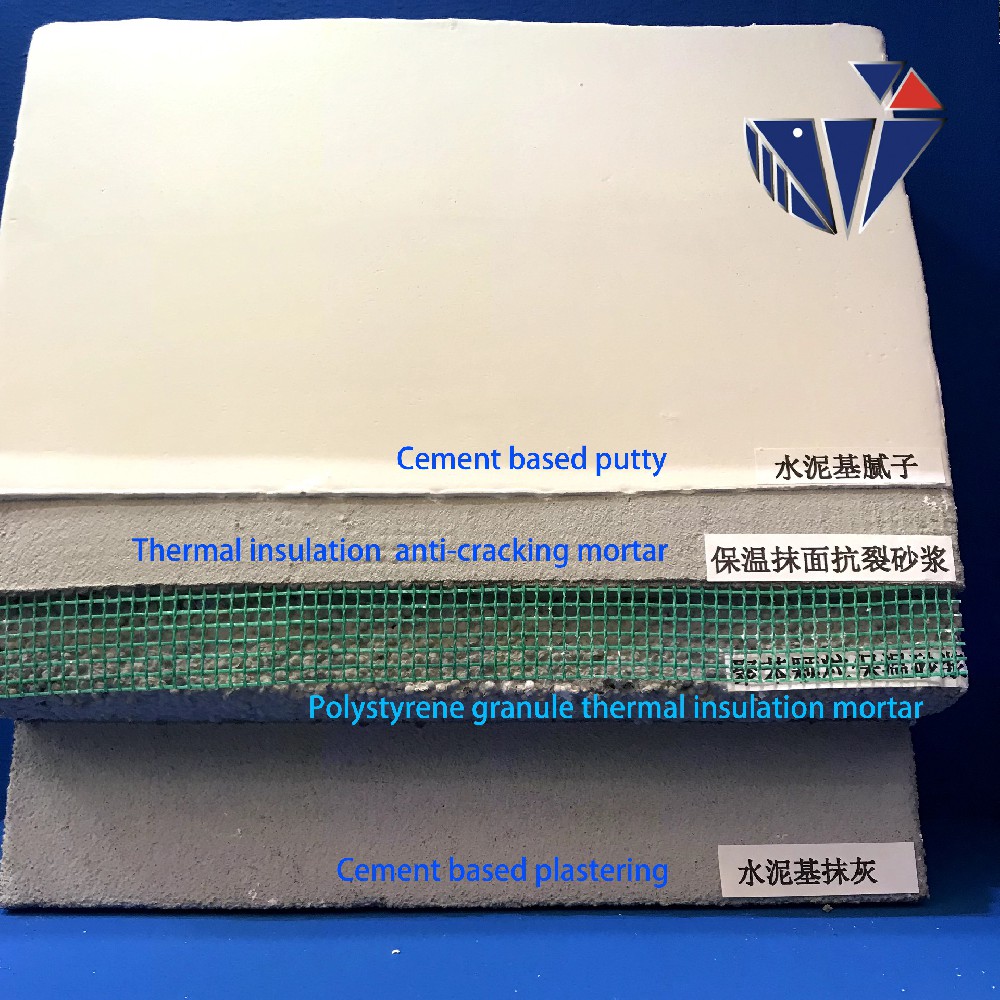
Across continents, HPMC’s presence is unmistakable. In pharmaceutical companies in Europe and Asia, it acts as a tablet binder — but some patients report mild gastrointestinal issues, a direct nod to hpmc side effects. Meanwhile, in construction projects throughout South America, HPMC is prized for water retention in mortars, but improper batch purity has occasionally led to surface imperfections and slowed curing.
In food industries, it serves as a stabilizer — though some consumers with rare sensitivities experience reactions that can mistakenly be attributed to other ingredients. In humanitarian zones, particularly in refugee camps, sourcing reliable HPMC-containing products is key for quick relief — but without monitoring, side effects like skin irritation have surfaced.
Mini Takeaway:
The global footprint of HPMC reveals varied but manageable side effects. Real-world use drives the need for improved quality control and regionally tailored standards.
Advantages and Long-Term Value of Understanding HPMC Side Effects
By anticipating and managing side effects, manufacturers save money by reducing product recalls and improving brand trust — not to mention safeguarding consumer health. For instance, switching to purer grades may seem costly upfront but reduces skin irritation complaints significantly.
On an emotional level, users feel safer and more confident, which translates into loyalty. Logically, better knowledge of side effects allows engineers and formulators to innovate new blends that offer improved sustainability, such as reduced need for preservatives, which also benefits ecosystems.
Product Specification Table: Typical HPMC Grades & Characteristics
| Specification | Pharma Grade | Food Grade | Construction Grade |
|---|---|---|---|
| Methoxy Content (%) | 19-24 | 20-25 | 18-22 |
| Viscosity (mPa·s, 2% solution) | 1000-4000 | 800-3000 | 500-2000 |
| Moisture Content (%) | 5 Max | 6 Max | 7 Max |
| pH (2% solution) | 5.0–8.0 | 5.0–7.8 | 5.0–8.5 |
Future Trends: What Lies Ahead for HPMC and its Side Effects
Innovations are spinning around greener, bio-based HPMC alternatives using enhanced purity processes. Manufacturers are also exploring digital chemical simulation to predict side effects before production, saving time and waste. Automation in quality control means fewer impurities sneak through, minimizing allergic or performance issues.
Policy-wise, stricter environmental regulations (like the EU’s REACH) encourage manufacturers to reduce chemical additives that worsen side effects. An exciting area is the integration of HPMC in smart delivery systems that adjust properties dynamically, perhaps reducing side effects by tailoring release rates, viscosity, or compatibility.
Challenges & How Industry is Addressing Them
Common challenges include batch-to-batch variability, inadequate testing leading to overlooked side effects, and insufficient user education — especially in developing markets. To counter this, some companies adopt ISO-certified quality management systems, and there’s a growing push for hpmc side effects awareness campaigns targeted at formulators and end-users alike.
Experts suggest combining analytical chemistry with toxicology testing for a fuller side effect profile. There’s also chatter around more sustainable sourcing of cellulose — which could indirectly affect side effects related to impurities.
Vendor Comparison Table: Leading HPMC Suppliers
| Supplier | Product Range | Certifications | Avg. Lead Time | Customer Rating (out of 5) |
|---|---|---|---|---|
| CNJZ Chemical | Pharma, Food, Construction Grades | ISO9001, GMP, FDA | 3-5 days | 4.8 |
| CelluCo Pvt Ltd. | Primarily Food Grade | ISO22000, HALAL | 7-10 days | 4.2 |
| Methocel Corp. | Wide Range Specialty Grades | FDA, REACH | 5-7 days | 4.5 |
Frequently Asked Questions About HPMC Side Effects
- Q1: Can HPMC cause allergic reactions in topical products?
- A1: While HPMC is generally non-irritating and hypoallergenic, some sensitive individuals may experience mild skin irritation when exposed to formulations containing certain grades or impurities. Careful patch testing is recommended for sensitive applications.
- Q2: How does HPMC affect the shelf life of pharmaceuticals?
- A2: HPMC acts as a binder and release modifier in tablets. However, its side effects include potential viscosity changes and moisture absorption that might shorten shelf life if not properly controlled. Using pharmaceutical-grade HPMC and controlling storage conditions mitigate these risks.
- Q3: Is ingesting HPMC safe, or does it have side effects?
- A3: HPMC is approved for ingestion as a food additive and excipient. Excessive intake may cause digestive discomfort or mild laxative effects. Moderation and formulation accuracy keep this under control in most products.
- Q4: How can manufacturers minimize HPMC side effects in construction?
- A4: Using consistent quality grades, proper dosing, and adjusting mix formulations based on environmental conditions help prevent weaknesses or curing delays caused by HPMC side effects in mortars or plasters.
- Q5: Are there eco-friendly alternatives to HPMC with fewer side effects?
- A5: Research into cellulose derivatives sourced from sustainable feedstocks and “greener” chemical modifications is underway, aiming to reduce environmental impact and related side effects. However, current alternatives may not always match HPMC’s performance.
Wrapping It Up: Why We Should Care About HPMC Side Effects
HPMC side effects might seem like a niche topic, but in real-world terms, they touch product safety, industrial efficiency, and even environmental health. From my experience diving into this, manufacturers and consumers alike benefit from a bit more transparency and understanding around these effects. Whether you’re developing new pharmaceutical tablets or improving rapid housing materials, knowing the quirks of HPMC helps you avoid headaches down the line.
Curious to learn more or source high-quality HPMC with detailed side effect profiles? Visit our website at https://www.cnjzchemical.com for in-depth resources and expert support.
References
-
Understanding Hydroxypropyl Methyl Cellulose MSDS Safety and Compliance
NewsApr.16,2026
-
Understanding the Hydroxypropyl Methyl Cellulose HS Code for Global Trade
NewsApr.09,2026
-
Comprehensive Guide to Hydroxypropyl Methyl Cellulose CAS Number and Applications
NewsApr.07,2026
-
Comprehensive Guide to Hydroxypropyl Methyl Cellulose cas no and its Diverse Applications
NewsApr.04,2026
-
Comprehensive Guide to Hydroxypropyl Methyl Cellulose Manufacturers and Applications
NewsMar.31,2026
-
Understanding Hydroxypropyl Methyl Cellulose Properties And Diverse Applications
NewsMar.28,2026