
Feb . 25, 2026 02:05 Back to list
Understanding HPMC Solubility in Cold Water and Optimizing Dissolution Techniques
Understanding HPMC Solubility in Cold Water
Hydroxypropyl Methylcellulose (HPMC) is a versatile polymer widely used across various industries, including pharmaceuticals, food, cosmetics, and construction. A key characteristic affecting its application is its solubility, particularly in cold water. While HPMC is generally soluble in water, understanding the nuances of solubility in cold water is crucial for achieving optimal results. This article will delve into the factors influencing HPMC solubility, different grades available, and methods to enhance dissolution. Choosing the right HPMC grade from a reliable supplier like CNJZ Chemical is paramount for consistent performance.
Factors Affecting HPMC Solubility in Cold Water
Several factors significantly impact how easily HPMC dissolves in cold water. These include the degree of substitution (DS), molecular weight, and viscosity grade. Higher DS generally leads to better cold water solubility. Molecular weight plays a role too; lower molecular weight HPMC typically dissolves faster. Viscosity affects the solution’s thickness but doesn’t directly dictate solubility; however, higher viscosity grades may require more agitation for complete dissolution. Water quality—specifically, the presence of ions—can also influence solubility, with some ions promoting or hindering dissolution. Understanding these factors allows for informed HPMC selection and optimized dissolution processes.
Key Considerations: Degree of substitution, molecular weight, viscosity grade, and water quality all influence HPMC solubility in cold water.
HPMC Grades and Their Cold Water Solubility
HPMC is available in various grades tailored to specific applications. Some grades are specifically designed for enhanced cold water solubility. These often feature a higher methoxyl and/or hydroxypropyl content. When selecting an HPMC grade, it's essential to review the manufacturer's specifications regarding solubility. CNJZ Chemical offers a comprehensive range of HPMC grades with detailed solubility information, helping you choose the ideal product for your needs. Lower viscosity grades generally exhibit better cold water solubility than higher viscosity grades.
HPMC Grade Comparison:
• Low Viscosity (e.g., 4000 cps): Excellent cold water solubility, rapid dissolution.
• Medium Viscosity (e.g., 6000 cps): Good cold water solubility, moderate dissolution rate.
• High Viscosity (e.g., 90000 cps): Lower cold water solubility, requires more agitation and time for dissolution.
Optimizing HPMC Solubility: Techniques and Best Practices
Several techniques can optimize HPMC solubility in cold water. These include using warm water (although not necessary for appropriately graded HPMC), employing high-shear mixing, and using a pre-mix with a small amount of hot water to initiate dissolution before adding the bulk of the cold water. Slow addition of HPMC powder to vigorously stirred water minimizes clumping. Controlling pH can also influence solubility; slightly alkaline conditions generally favor dissolution. Ensure the water is free of contaminants that may interfere with the process. Following the manufacturer’s recommended dissolution procedure is crucial for consistent results.
Applications Where HPMC Cold Water Solubility is Critical
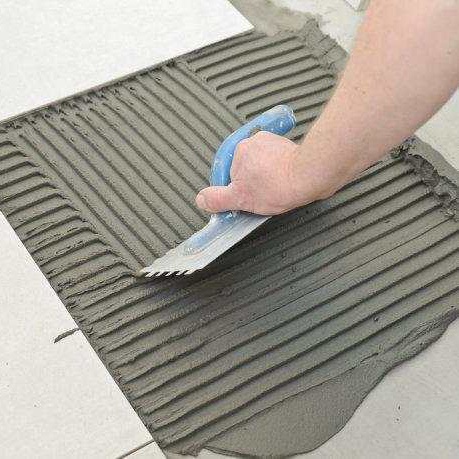
The ability of HPMC to dissolve in cold water is crucial in several applications. In the pharmaceutical industry, it's vital for creating rapidly dissolving oral dosage forms. In food processing, it's used as a thickener and stabilizer in cold beverages and desserts. In construction, cold water soluble HPMC is preferred for dry-mix mortars and tile adhesives, allowing for easy mixing on-site. The convenience and efficiency offered by HPMC with excellent cold water solubility contribute to streamlined processes and high-quality end products.
Product Specifications & Choosing the Right HPMC
Selecting the correct HPMC grade requires careful consideration of your application's specific needs. CNJZ Chemical provides detailed product specifications for each HPMC grade, including viscosity, degree of substitution, and solubility data. Here’s a sample specification table:
Conclusion: Selecting the Right HPMC for Optimal Solubility
Choosing the appropriate HPMC grade and employing optimized dissolution techniques are essential for achieving consistent and reliable results. CNJZ Chemical provides high-quality HPMC products and expert technical support to help you find the ideal solution for your specific needs. Don’t hesitate to contact us for assistance.
Frequently Asked Questions (FAQs)
Can HPMC be dissolved in cold water without any agitation?
While some lower viscosity HPMC grades can begin to dissolve in cold water without agitation, it's generally recommended to use gentle to vigorous stirring to ensure complete and uniform dissolution. Agitation helps to disperse the HPMC powder and break down any potential clumps. Without agitation, dissolution may be slow and incomplete, leading to inconsistent results. The speed of dissolution will depend on the grade and quantity of HPMC used. For optimal results, especially with higher viscosity grades, employing a high-shear mixer is advisable.
What happens if HPMC doesn't fully dissolve in cold water?
If HPMC doesn't fully dissolve, it can lead to several issues depending on the application. In pharmaceutical formulations, it can affect drug release rates. In food products, it can create a grainy texture. In construction materials, it can reduce performance and workability. Undissolved HPMC can also affect the overall viscosity and stability of the solution. It’s crucial to ensure complete dissolution by using appropriate HPMC grades, employing sufficient agitation, and following the manufacturer's recommendations. If you encounter persistent dissolution issues, consider increasing agitation, pre-mixing with a small amount of warm water, or using a different HPMC grade.
How does the molecular weight of HPMC affect cold water solubility?
Generally, lower molecular weight HPMC grades exhibit better cold water solubility compared to higher molecular weight grades. This is because lower molecular weight polymers have shorter chains, making them easier to disperse and hydrate in water. Higher molecular weight HPMC, with its longer chains, requires more energy and agitation to overcome intermolecular forces and achieve complete dissolution. However, the degree of substitution also plays a crucial role, as higher DS can offset the effects of higher molecular weight.
Where can I find reliable suppliers of HPMC with detailed solubility information?
CNJZ Chemical is a trusted supplier of high-quality HPMC, offering detailed product specifications, including solubility data, viscosity ranges, and degree of substitution information. We provide technical support to help you select the optimal HPMC grade for your application. Other reputable suppliers also exist, but ensuring the supplier provides comprehensive technical documentation is essential for making an informed decision. Always verify the authenticity and quality of the HPMC before use.
-
Understanding Hydroxypropyl Methyl Cellulose MSDS Safety and Compliance
NewsApr.16,2026
-
Understanding the Hydroxypropyl Methyl Cellulose HS Code for Global Trade
NewsApr.09,2026
-
Comprehensive Guide to Hydroxypropyl Methyl Cellulose CAS Number and Applications
NewsApr.07,2026
-
Comprehensive Guide to Hydroxypropyl Methyl Cellulose cas no and its Diverse Applications
NewsApr.04,2026
-
Comprehensive Guide to Hydroxypropyl Methyl Cellulose Manufacturers and Applications
NewsMar.31,2026
-
Understanding Hydroxypropyl Methyl Cellulose Properties And Diverse Applications
NewsMar.28,2026