
Nov . 28, 2025 22:20 Back to list
Understanding HPMC Solubility in Organic Solvents: Key Industrial Insights
Understanding HPMC Solubility in Organic Solvents: Why It Matters Globally
Hydroxypropyl methylcellulose, or HPMC, is a powerhouse polymer widely known for its versatile qualities. When we talk about HPMC solubility in organic solvents, we're delving into a nuanced area that impacts everything from pharmaceuticals and coatings to construction materials worldwide. Grasping this relationship isn’t just a chemical curiosity — it fuels better product performance, environmental sustainability, and innovative applications on a global scale.
On a global level, with industries pushing for greener and more reliable products, understanding how HPMC interacts with various solvents helps manufacturers optimize formulations that are safer, more effective, and often more cost-efficient. This knowledge, frankly, can lead to advances that improve everything from drug delivery systems to eco-friendly paints.
Global Perspective: The Growing Importance of HPMC and Organic Solvent Compatibility
The global market for cellulose ethers like HPMC is climbing steadily. According to ISO and recent UN environmental reports, industries are under increasing pressure to replace hazardous solvents with safer alternatives. But here’s the kicker: to do that effectively, they must fully understand the solubility profile of additives like HPMC in different organic solvents.
For instance, the pharmaceutical sector extensively uses HPMC in capsules and controlled-release formulations. The World Bank’s industrial analysis reveals a 7% CAGR in HPMC demand over recent years, primarily driven by such applications. But these growth trajectories often hit a snag — knowledge gaps about how HPMC behaves in unconventional solvents create bottlenecks for innovation.
So, figuring out optimal hpmc solubility in organic solvents isn’t just academic — it addresses a tangible industrial challenge that, if solved, could unlock new potential across continents and sectors.
Mini Takeaway:
Global industrial growth and environmental considerations make understanding HPMC's solubility in organic solvents more critical than ever — it’s the key to smarter, safer, and more scalable manufacturing.
What Exactly is HPMC Solubility in Organic Solvents?
First, let’s break it down: HPMC is a cellulose derivative, widely used as a thickener, emulsifier, and film former. When we say HPMC solubility in organic solvents, it refers to how readily HPMC dissolves or disperses in various carbon-based liquids — think alcohols, ketones, esters, and others.
Why does this matter? Because solubility governs how well HPMC will perform in your formulation. For instance, in paints, you want it to dissolve properly for a smooth texture; in pharma, it affects the release profile and stability of tablets. In humanitarian aid, where quick-setting adhesives or stabilizers might be mixed, solubility defines reliability.
Mini Takeaway:
Simply put, HPMC solubility in organic solvents influences functional performance, making it a linchpin concept in product formulation.
Key Factors Affecting HPMC Solubility in Organic Solvents
1. Solvent Polarity
Molecules like HPMC tend to dissolve better in solvents whose polarity complements their own. Generally, HPMC favors polar organic solvents such as ethanol or isopropanol over nonpolar ones. This means the choice of solvent critically affects dissolution rates and final product consistency.
2. Molecular Weight and Substitution Degree
The specific molecular structure of HPMC — particularly its molecular weight and the degree of methyl and hydroxypropyl substitution — alters its affinity for certain solvents. Higher substitution tends to increase hydrophobic interactions, changing solubility patterns.
3. Temperature
Temperature isn’t just a side note. Small increases in temperature can dramatically boost HPMC’s solubility in some solvents — something formulators exploit to tweak viscosity or drying times.
4. Concentration and Solution pH
Solubility also depends on how much HPMC you try to dissolve and the pH context, especially with solvents that can alter ionization. This interplay can impact applications from coatings to adhesives.
5. Additives and Co-solvents
Adding other ingredients like surfactants or co-solvents often tunes HPMC’s solubility, delivering precisely targeted functional properties for complex mixtures.
Mini Takeaway:
HPMC’s solubility is a multifaceted puzzle shaped by chemistry, temperature, and formulation context — tweaking these factors tailors product performance.
Global Applications: Where HPMC Solubility Comes Alive
In real-world terms, HPMC’s solubility in organic solvents is a quiet hero behind several critical applications across the globe:
- Pharmaceutical Industry: It enables controlled drug release in oral capsules, especially via ethanol-based solvents.
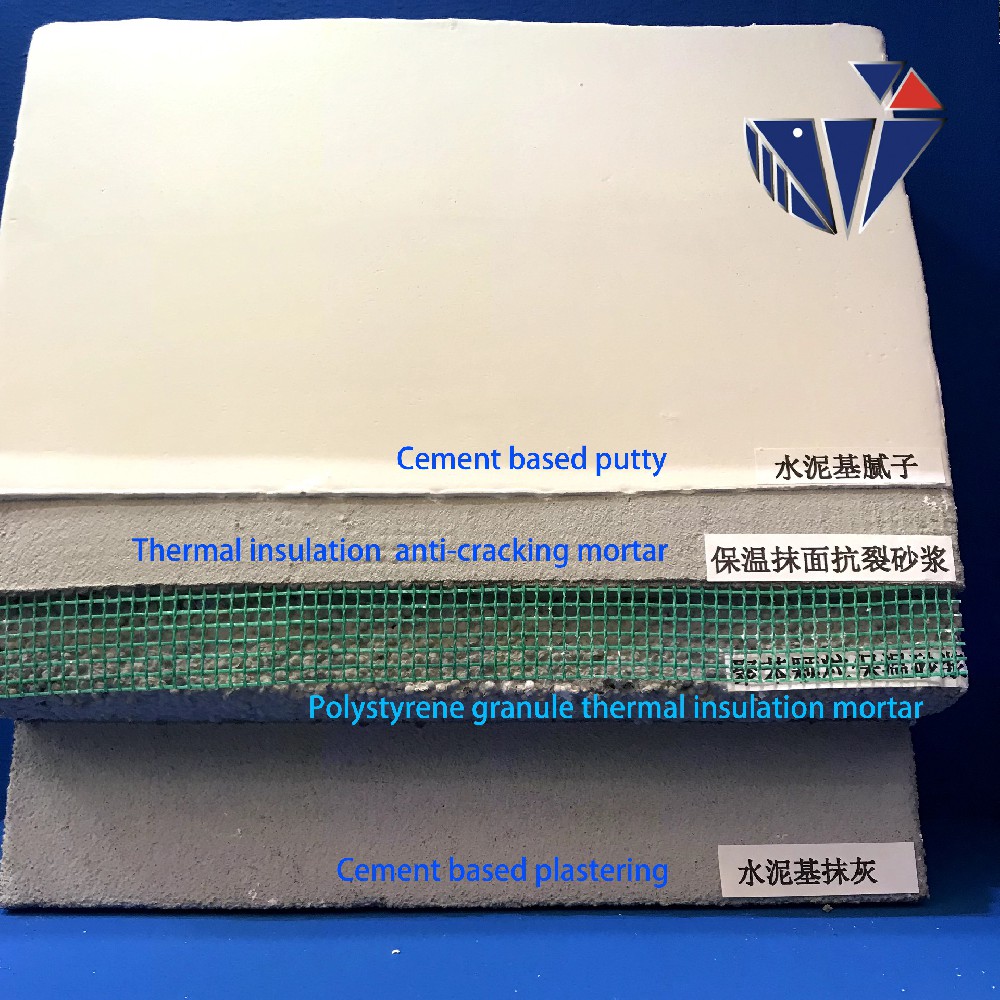
- Construction: HPMC-modified plasters and mortars where solubility affects setting and workability.
- Cosmetics & Personal Care: In lotions and hair gels, where a smooth, stable blend is crucial.
- Paints & Coatings: Offering environmentally safer alternative solvent formulations in Europe & North America.
- Disaster Relief Efforts: Rapidly deployable adhesives or stabilizers in post-disaster zones, often relying on solvent mixtures adapted to field conditions.
For example, I noticed a company in Scandinavia recently launched an eco-friendly exterior paint line that boasted low VOCs—partly thanks to optimized HPMC solubility in green solvents like ethyl lactate. It’s fascinating how regional environmental regulations push innovation in this area.
Mini Takeaway:
HPMC’s solubility properties directly shape solutions from drug capsules to disaster relief materials worldwide — linking chemistry with real human impact.
Advantages and Long-Term Value of Mastering HPMC Solubility
There’s more than just a technical win here. Understanding and controlling HPMC solubility in organic solvents unlocks:
- Cost-Effective Solutions: Tailored solvent choices reduce waste and improve formulation yields.
- Sustainability: Enables use of greener, less toxic solvents without compromising product performance.
- Reliability & Safety: Products behave predictably, reassuring manufacturers and consumers alike.
- Social Impact: Better drug delivery and construction materials enhance quality of life, notably in developing regions.
On an emotional note, there’s a kind of pride in creating formulations that are not only functional but kinder to people and planet — a balance many industries are actively seeking.
Product Specification Table: Typical HPMC Grades and Solvent Compatibility
| Grade | Molecular Weight (kDa) | Substitution (%) | Soluble in Ethanol | Soluble in Acetone | Soluble in Methyl Ethyl Ketone |
|---|---|---|---|---|---|
| HPMC 15 | 150 | 28 | Yes | Limited | No |
| HPMC 25 | 250 | 30 | Yes | Yes | Limited |
| HPMC 50 | 500 | 32 | Limited | Yes | Yes |
Vendor Comparison: Leading HPMC Suppliers and Their Solvent Expertise
| Vendor | Specialty Grades | Organic Solvent Support | Global Reach | Sustainability Focus |
|---|---|---|---|---|
| Vendor A | Wide range including pharma grades | Excellent in ethanol & acetone | North America, Europe, Asia | Strong |
| Vendor B | Focus on industrial and construction | Moderate; exploring green solvents | Europe & South America | Medium |
| Vendor C | Custom solutions for cosmetics | Excellent in specialty solvents | Asia-Pacific focus | Emerging |
Emerging Trends and Innovative Directions
Digital transformation and sustainability trends are shaping the future of HPMC usage. Automation in formulation labs helps rapidly identify optimal solvent blends, improving solubility and performance in record time. Green chemistry pushes the industry toward bio-based and low-VOC solvents — and HPMC, with its adaptable solubility, fits perfectly into this eco-friendly vision.
Oddly enough, 3D printing also depends on polymers like HPMC dissolving correctly in specialized organic solvents to create precise scaffolds for biomedical uses. Manufacturers and researchers alike are closely watching how tweaking substitution patterns can open up new realms of solvent compatibility.
Challenges & Solutions in Understanding HPMC Solubility
Challenges persist, of course. Variability in batch quality, incomplete solubility data for novel solvents, and scale-up difficulties can complicate formulation. Many engineers say that unpredictable viscosity and sedimentation arise from poor solvent selection or incomplete dissolution.
Experts suggest combining experimental solubility testing with AI-driven predictive models, a rather elegant solution. It reduces trial-and-error and accelerates the path from lab to market — something many companies are racing toward.
FAQs About HPMC Solubility in Organic Solvents
- Q: What solvents does HPMC generally dissolve in well?
- A: HPMC typically dissolves well in polar organic solvents such as ethanol, isopropanol, and acetone to a limited extent. Nonpolar solvents like hexane are usually unsuitable. Temperature and substitution degree also influence this behavior.
- Q: Why is HPMC solubility important for pharmaceutical formulations?
- A: Proper dissolution of HPMC ensures controlled drug release, capsule integrity, and stability, which directly affects efficacy and safety of medicines.
- Q: Can HPMC be used with eco-friendly solvents?
- A: Yes, ongoing research is identifying greener solvents compatible with HPMC, such as ethyl lactate, enabling more sustainable products.
- Q: How can I improve HPMC solubility in a tough formulation?
- A: Adjusting temperature, using co-solvents, or selecting HPMC grades with different substitution patterns can help increase solubility and achieve desired viscosity.
- Q: Is there a difference between HPMC solubility in aqueous versus organic solvents?
- A: Absolutely. HPMC is water-soluble to a great extent, but its behavior in organic solvents varies widely depending on solvent polarity and polymer chemistry.
In Closing: Why Investing in Understanding HPMC Solubility Pays Off
To wrap up, fully grasping hpmc solubility in organic solvents unlocks not just better chemical formulations, but meaningful advances in medicine, environment, and industry. It’s an unsung cornerstone of innovation with a far-reaching impact. So, if you’re developing new products or scaling formulations, diving deep into this topic can yield dividends — in performance, sustainability, and ultimately, customer trust.
For more in-depth insights and the latest in HPMC research, visit our website to explore a full range of specialty cellulose ethers and guidance tailored to your needs.
Final Mini Takeaway:
Understanding and mastering HPMC solubility in organic solvents is not just smart chemistry — it’s a strategic step toward a safer and more sustainable industrial future.
References
-
Understanding Hydroxypropyl Methyl Cellulose MSDS Safety and Compliance
NewsApr.16,2026
-
Understanding the Hydroxypropyl Methyl Cellulose HS Code for Global Trade
NewsApr.09,2026
-
Comprehensive Guide to Hydroxypropyl Methyl Cellulose CAS Number and Applications
NewsApr.07,2026
-
Comprehensive Guide to Hydroxypropyl Methyl Cellulose cas no and its Diverse Applications
NewsApr.04,2026
-
Comprehensive Guide to Hydroxypropyl Methyl Cellulose Manufacturers and Applications
NewsMar.31,2026
-
Understanding Hydroxypropyl Methyl Cellulose Properties And Diverse Applications
NewsMar.28,2026