
Jan . 26, 2026 10:30 Back to list
Understanding HPMC Sourcing for Industrial Applications
Understanding and Sourcing HPMC – A Practical Guide
You know, I’ve spent… well, a good chunk of my career dealing with industrial polymers. And honestly, Hydroxypropyl Methylcellulose (HPMC) is one of those workhorses that just quietly gets things done. It’s everywhere – construction, pharmaceuticals, food, even cosmetics. But sourcing the right grade, the right viscosity, that’s where things get interesting. There’s a lot of variation out there, and frankly, it's not always easy to cut through the marketing hype. We’ve seen everything from overly-gelatinous batches to stuff that just doesn't hold its properties over time. It's a critical component, and getting it wrong can be costly, you know, in terms of rework and delays.Key Properties and Specifications of HPMC
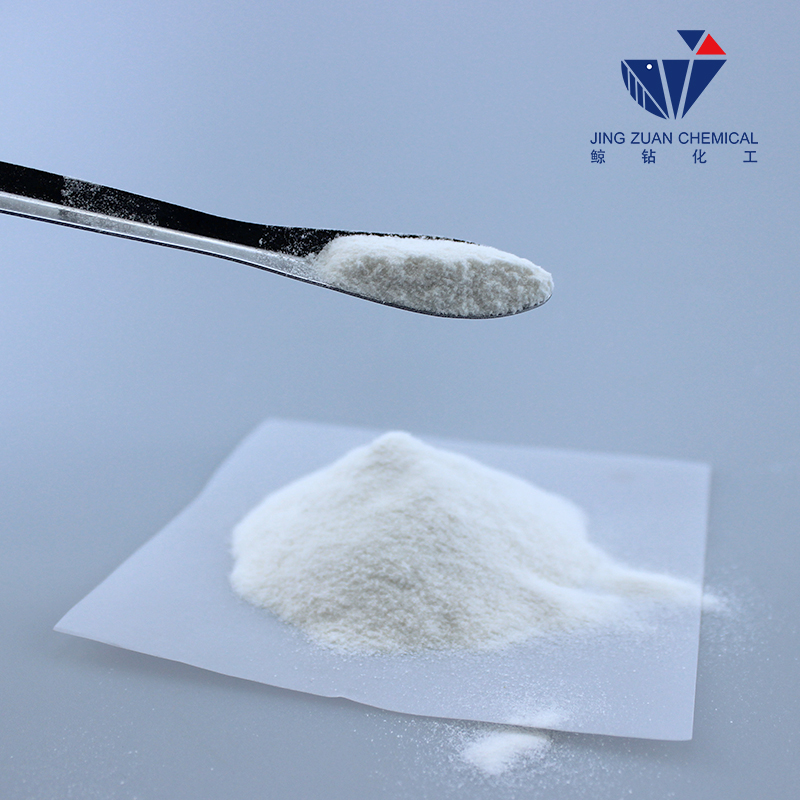
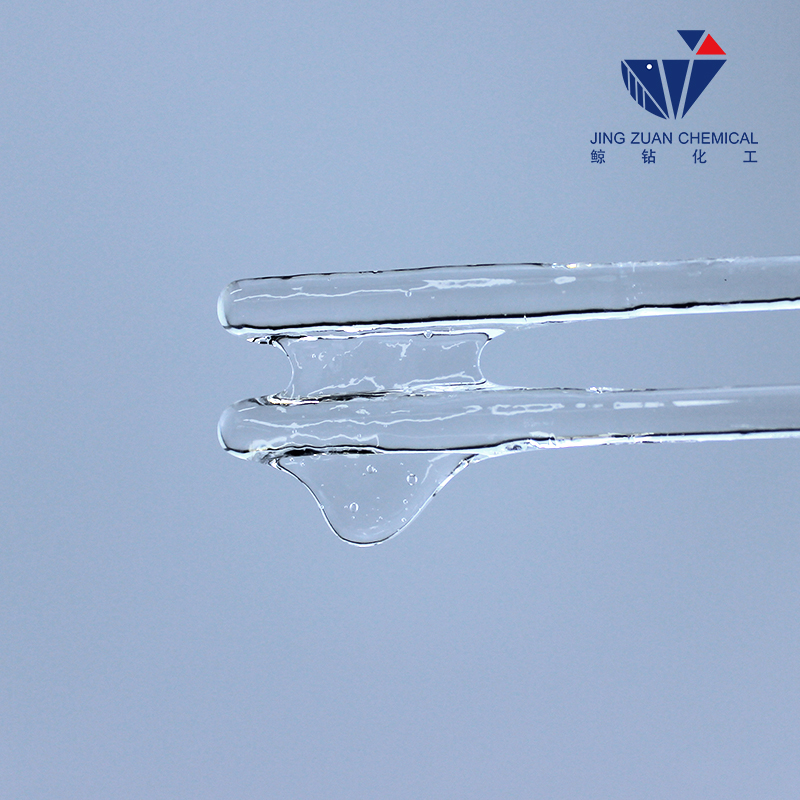
So, what is HPMC, in real terms? It’s a cellulose ether – basically, a modified cellulose polymer derived from wood pulp or cotton linter. The modifications—adding methyl and hydroxypropyl groups—are what give it those unique properties: water solubility, thickening, binding, film-forming, and thermal gelation. It's a versatile compound, honestly. Different grades are tailored for specific applications. You’ll see specifications like viscosity (measured in mPa·s), degree of substitution (DS), and moisture content. These all impact performance. Here’s a quick rundown of common specs we look for.| Parameter | Typical Value | Notes |
|---|---|---|
| Viscosity (mPa·s) | 4,000 – 100,000 | Grade dependent |
| Degree of Substitution (DS) | 1.2 – 1.8 | Impacts solubility & gel strength |
| Moisture Content (%) | ≤ 5.0 | Affects consistency & weight |
| Particle Size | Typically 80-120 mesh | Influences dispersion |
Vendor Landscape & Considerations When You comprar HPMC
Oddly enough, the Chinese market dominates HPMC production. Many engineers I’ve spoken with say quality varies significantly between manufacturers, even within the same region. Cost is a factor, of course, but you really get what you pay for. I’ve noticed a trend toward companies emphasizing more consistent particle size distribution; it helps with mixing and minimizes dusting during handling, a big plus. We did a quick comparison of a few vendors we’ve evaluated. It's not exhaustive, naturally, but gives you a feel for the space.| Vendor | Quality Consistency | Price (USD/kg) | Lead Time |
|---|---|---|---|
| CNJZ Chemical | High | $3.50 - $6.00 | 5-7 days |
| Dow Chemical | Very High | $5.00 - $8.00 | 7-10 days |
| Shin-Etsu | High | $4.00 - $7.00 | 6-8 days |
Conclusion: It’s About the Application
Ultimately, choosing the right HPMC isn’t just about the price; it’s about what you’re building. We once had a client building pre-cast concrete panels. They switched to a cheaper HPMC source, and the panels developed cracking issues during curing. Cost savings vanished when they had to replace the entire batch. So, do your homework, test thoroughly, and don’t be afraid to ask for detailed specifications and certifications. It's a little extra work upfront, but it’ll save you a lot of headaches down the line.Latest news
-
Understanding Hydroxypropyl Methyl Cellulose MSDS Safety and Compliance
NewsApr.16,2026
-
Understanding the Hydroxypropyl Methyl Cellulose HS Code for Global Trade
NewsApr.09,2026
-
Comprehensive Guide to Hydroxypropyl Methyl Cellulose CAS Number and Applications
NewsApr.07,2026
-
Comprehensive Guide to Hydroxypropyl Methyl Cellulose cas no and its Diverse Applications
NewsApr.04,2026
-
Comprehensive Guide to Hydroxypropyl Methyl Cellulose Manufacturers and Applications
NewsMar.31,2026
-
Understanding Hydroxypropyl Methyl Cellulose Properties And Diverse Applications
NewsMar.28,2026
Related PRODUCTS