
Nov . 29, 2025 08:10 Back to list
Understanding HPMC Structure: Applications, Benefits, and Global Impact
The Intricate World of HPMC Structure: Why It Matters Globally
If you’ve ever dived into the world of construction chemicals or pharmaceutical excipients, you might have stumbled upon the term HPMC structure. But what exactly is it, and why is there so much buzz around it—especially at a global industrial level? In short, hydroxypropyl methylcellulose (HPMC) is a versatile polymer whose structure governs its wide-ranging applications, affecting everything from building durability to sustainable packaging and modern drug delivery. Understanding the hpmc structure is like peeking under the hood of a ubiquitous yet often overlooked catalyst powering many industries worldwide. Not just technical jargon, this knowledge has tangible benefits: enhancing product performance, improving environmental footprints, and enabling manufacturers to innovate affordably. We’ll explore how HPMC’s molecular blueprint matters, why industries rely on it, and which global challenges it helps solve.Why the Global Spotlight on HPMC Structure?
Hydroxypropyl methylcellulose, despite sounding niche, finds itself at the crossroads of global priorities like sustainability, healthcare, and construction safety. According to ISO data on sustainable building materials and pharmaceutical excipients, polymers like HPMC help streamline manufacturing to be more eco-friendly and cost-effective. The United Nations Sustainable Development Goals (SDGs) even touch on innovations that reduce raw material waste and enhance water retention in agriculture and construction — areas where HPMC’s physical properties play a direct role. Consider this: the global cellulose ethers market, which HPMC leads, is projected to grow steadily due to rising demand for biodegradable materials and green chemical solutions. However, many industries face challenges related to inconsistent quality or improper polymer configurations, limiting their potential. That’s where understanding the detailed HPMC structure—how its molecular chains are modified and interact—becomes mission-critical to overcome these roadblocks.Mini Takeaway:
The hpmc structure is more than a chemistry lesson; it’s a key that unlocks sustainability and innovation across the globe’s growing industries.Demystifying the HPMC Structure: What Does It Really Mean?
At its heart, HPMC is a cellulose derivative, meaning it’s chemically tailored from naturally occurring cellulose, mainly from wood pulp or cotton linters. The "hydroxypropyl" and "methyl" groups attached to the cellulose backbone influence its solubility, viscosity, and film-forming ability. These substitutions on the cellulose molecule give HPMC its unique thermogelation property—that is, it thickens or gels when heated, then reverts when cooled, a feature lots of industries consider a game-changer. To picture the hpmc structure, think of a chain of glucose units (the monomer units in cellulose), with side groups serving as “springs” or “hooks” that tweak how the entire molecule behaves in water or solvents. This fine molecular adjustment defines whether HPMC will dissolve quickly, form a strong barrier film, or swell to hold moisture effectively. Beyond the lab, this means in pharmaceuticals, HPMC can control drug release rates; in construction, it improves mortar adhesion and water retention; and in food packaging, it creates biodegradable wraps. Pretty remarkable for a molecule that’s been quietly evolving in labs for decades.Mini Takeaway:
HPMC’s structure is less “set in stone” and more a flexible toolkit, tailored at a molecular level to meet very specific application needs.Key Components Affecting HPMC Performance
Let’s break down the critical factors that define an effective hpmc structure — think of these as the knobs and dials engineers tweak to get the best performance:- Substitution Pattern and Degree: The ratio and position of hydroxypropyl and methyl groups influence solubility and viscosity. Higher substitution often means better water solubility but potentially lower gel strength.
- Viscosity Grade: Ranges from low to high, impacting how thick or fluid the HPMC solution behaves. This is crucial for applications like plastering or film formation.
- Thermogelation Temperature: The gel point temperature where HPMC thickens on heating is tightly governed by its structure and affects processing parameters.
- Purity and Particle Size: Impurities or uneven granule sizes can lead to inconsistent dispersion in water, affecting final product quality.
- Moisture Retention: Structural features also control how well HPMC can trap moisture, a feature important in plaster systems and pharmaceuticals alike.
- Compatibility with Additives: Depending on its structure, HPMC can interact differently with other polymers, plasticizers, or fillers.
| Specification | Typical Range | Impact on Application |
|---|---|---|
| Methoxy Substitution (%) | 19-30 | Controls solubility & thermal properties |
| Hydroxypropyl Substitution (%) | 4-12 | Influences viscosity and gel formation |
| Viscosity (mPa·s) | 10,000 - 400,000 | Determines flow properties for formulation |
| Gelation Temperature (°C) | 50 - 90 | Sets processing and handling conditions |
| Moisture Retention (%) | 30 - 50 | Affects curing time & hydration control |
Mini Takeaway:
Tuning HPMC’s molecular structure is a bit like customizing a Swiss army knife — a blend of science and practical art that changes the whole game.Where Does HPMC Structure Matter Most? Real World Applications
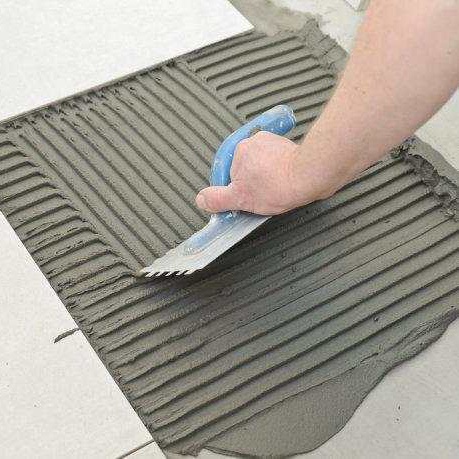
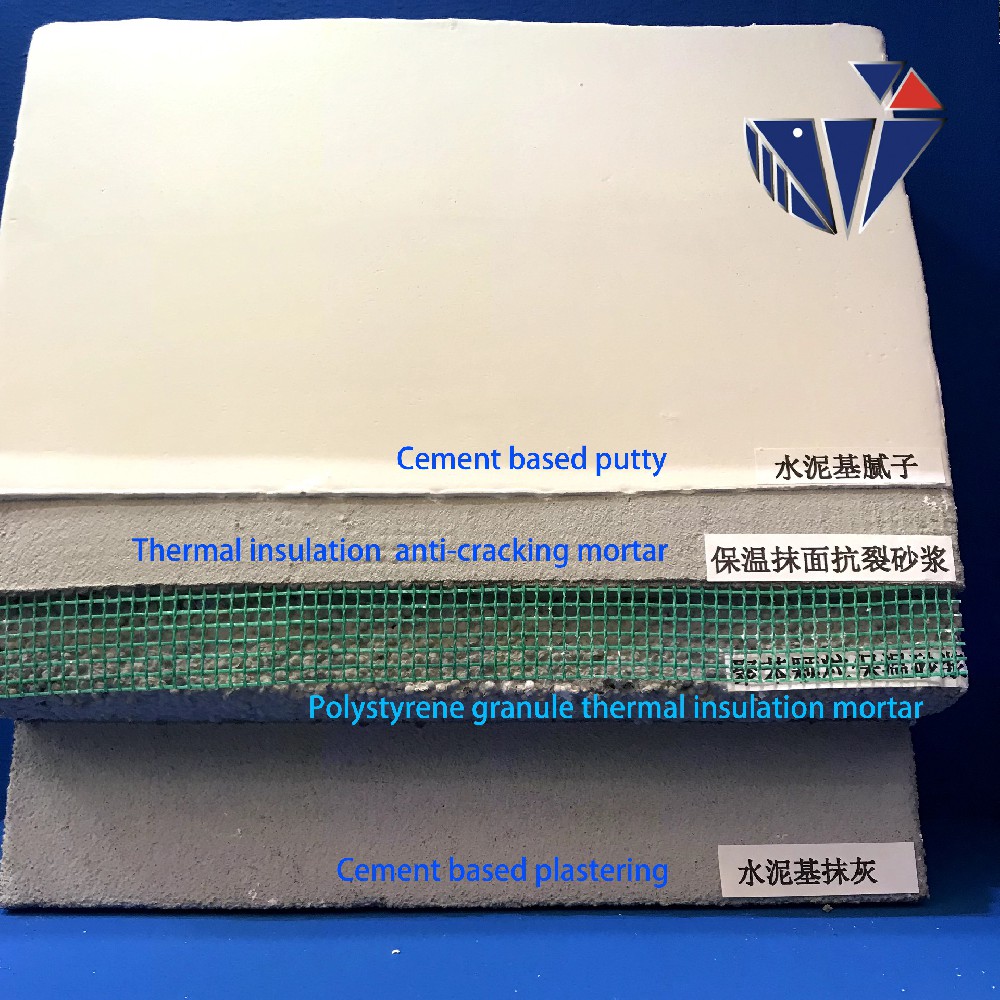
Oddly enough, you’ll find HPMC in some of the most diverse and challenging environments worldwide:- Construction Industry: From plaster mortars in the Middle East to tile adhesives across Europe, HPMC ensures improved adhesion, water retention, and workability. For regions like the UAE, where temperatures soar, the thermal stability linked to the polymer’s structure helps materials cure properly without cracking.
- Pharmaceuticals and Food: Drug tablets and capsules use HPMC as a film former and release modifier. In India and China, where generic medicine production is growing rapidly, tailored HPMC grades ensure consistent dosage release.
- Cosmetics and Personal Care: Many creams and lotions in North America employ HPMC because it gels nicely at skin temperature, enhancing texture and stability.
- Oil & Gas Sector: HPMC-based drilling fluids help maintain borehole stability — critical in harsh, remote terrains like the North Sea oil fields.
- Disaster Relief and Shelter: In emergency housing construction, HPMC additives improve fast-setting cement plasters used for modular structures, ensuring durability and moisture control.
Mini Takeaway:
Whether it’s a skyscraper or a lifesaving pill, the hpmc structure is at the foundation of many solutions improving life worldwide.Why Invest in Understanding HPMC Structure? The Advantages
For manufacturers and end-users alike, appreciating the nuances of HPMC structure translates to:- Cost Efficiency: Optimized polymer properties mean lower waste, less add-on ingredients, and quicker processing times.
- Environmental Sustainability: Being cellulose-based, HPMC is renewable. Tailoring its structure reduces the need for synthetic additives.
- Enhanced Reliability: Controlled gel points and viscosity provide predictable handling, so products behave consistently on site or in the lab.
- Social Impact: Improved construction materials create safer, longer-lasting shelters; in pharma, better release controls mean healthier patients.
- Innovation Trust: With deep structural understanding, companies can quickly pivot to new formulations, staying ahead in competitive markets.
Emerging Trends Shaping the Future of HPMC Structure
Looking past the basic molecular design, future paths for HPMC involve:- Green Chemistry Advances: New methods for cellulose modification that lower solvent usage and energy consumption.
- Digital Formulation Tools: AI-powered models predicting optimal substitution patterns for specific applications.
- Smart Materials Integration: Combining HPMC with nanomaterials or responsive polymers for self-healing coatings or controlled drug delivery.
- Enhanced Bio-based Content: Moving toward 100% biopolymer blends, phasing out petrochemical additives entirely.
Challenges and Solutions in Harnessing HPMC Structure
Despite its versatility, working with HPMC isn’t all smooth sailing. Some common challenges include:- Batch-to-batch Variation: Natural cellulose sources can cause variability in polymer properties.
- Limited High-Temperature Stability: Applications above 90°C risk polymer degradation.
- Cost Pressures: High-purity grades demand costly processing steps.
- Advanced purification and characterization methods improve consistency.
- Composite formulations with stabilizers extend thermal limits.
- Economies of scale and process optimization help reduce costs.
Vendor Comparison: Choosing the Right HPMC Supplier
| Feature | Vendor A | Vendor B | Vendor C |
|---|---|---|---|
| Range of Viscosity Grades | 10,000 - 300,000 mPa·s | 10,000 - 400,000 mPa·s | 20,000 - 200,000 mPa·s |
| Customization Expertise | Medium | High | Low |
| Global Distribution | Europe, Asia | Worldwide | Asia only |
| Sustainability Certifications | ISO 14001 | ISO 14001, FSC | None |
Frequently Asked Questions About HPMC Structure
- What makes the hpmc structure so beneficial in plaster and mortar applications?
- Its adjustable substitution pattern allows for optimized water retention and viscosity, improving workability and adhesion in plaster and mortar mixes, especially valuable in hot or dry climates.
- How long can HPMC-modified materials last in harsh environments?
- Properly formulated HPMC can extend material durability for 5-10 years or more by enhancing moisture control and reducing cracking, but environmental exposure and mix design also play large roles.
- Is HPMC environmentally friendly compared to synthetic polymers?
- Yes, since it’s cellulose-based and biodegradable, HPMC offers a greener alternative to many petrochemical polymers, especially when sourced and processed sustainably.
- Can manufacturers customize hpmc structure for specific needs?
- Absolutely. By varying hydroxypropyl and methyl substitution levels and molecular weight, producers tailor HPMC to precise viscosity and gelation requirements, maximizing effectiveness.
- How can international buyers source high-quality HPMC?
- Many suppliers provide global distribution and customization. It’s important to verify certifications and conduct sample testing. Platforms like hpmc structure vendors often assist with logistics and compliance.
Final Thoughts: Why Deep Knowledge of HPMC Structure Pays Off
Understanding the intricacies of HPMC structure isn’t just a technical advantage—it’s a strategic one. With industries pushing for greener, smarter, and more resilient materials, grasping how molecular tweaks translate to real-world performance sets manufacturers apart. From construction sites in Dubai to pharmaceutical labs in Europe, the hpmc structure quietly drives innovation and reliability. If you’re exploring the best options or need a partner to tailor solutions for your industry, don’t hesitate to visit our comprehensive resources and supplier network at https://www.cnjzchemical.com.References
Latest news
-
Understanding Hydroxypropyl Methyl Cellulose MSDS Safety and Compliance
NewsApr.16,2026
-
Understanding the Hydroxypropyl Methyl Cellulose HS Code for Global Trade
NewsApr.09,2026
-
Comprehensive Guide to Hydroxypropyl Methyl Cellulose CAS Number and Applications
NewsApr.07,2026
-
Comprehensive Guide to Hydroxypropyl Methyl Cellulose cas no and its Diverse Applications
NewsApr.04,2026
-
Comprehensive Guide to Hydroxypropyl Methyl Cellulose Manufacturers and Applications
NewsMar.31,2026
-
Understanding Hydroxypropyl Methyl Cellulose Properties And Diverse Applications
NewsMar.28,2026
Related PRODUCTS