
Dec . 09, 2025 06:45 Back to list
Unlocking the Potential of Redispersible Powder Polymer in Construction
A Closer Look at Redispersible Powder Polymer
Having spent over a decade working in the industrial equipment sector, I’ve encountered my fair share of materials that play a quiet but crucial role behind the scenes. Redispersible powder polymer is one of those unsung heroes.
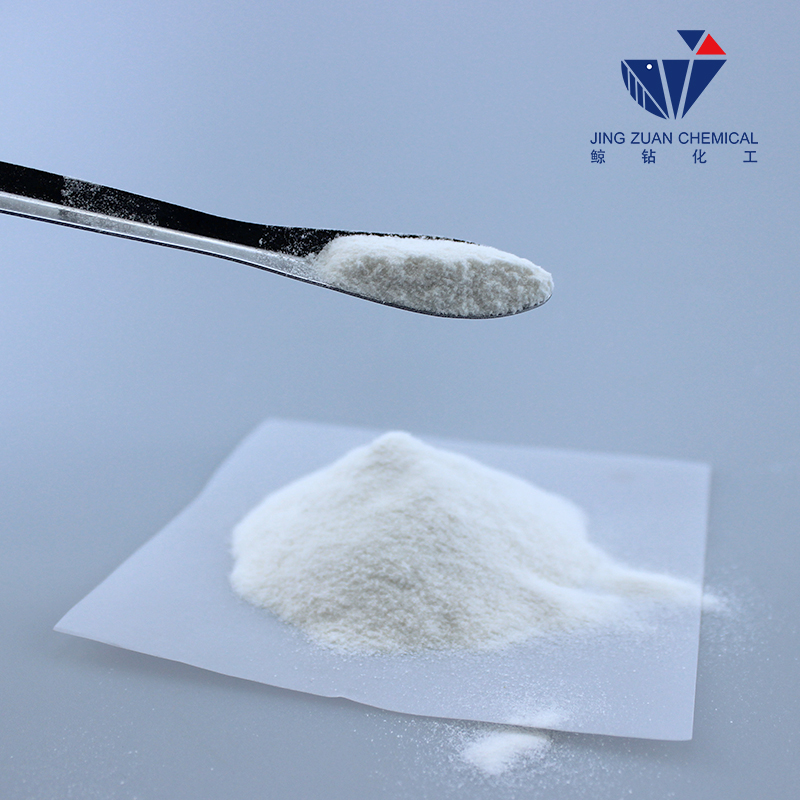
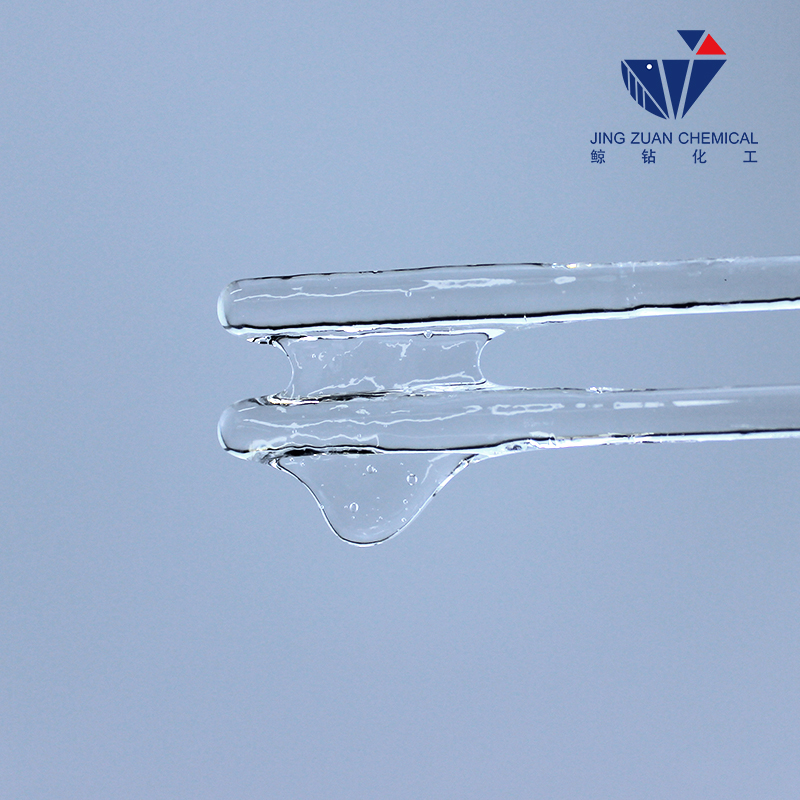
You might wonder why this substance matters so much in industries like construction, adhesives, or even waterproofing. In real terms, it’s a polymer in powder form that, when mixed with water, reverts almost perfectly to its original latex characteristics. This handy little property is what makes it so versatile, especially for dry-mix formulations.
To be honest, I’ve always been impressed by how these powders boost adhesion and flexibility in cement-based products. The engineers I worked with often described them as “magic dust” — not in a literal sense, but because they transform otherwise brittle mixes into reliable, durable materials.
Let’s dive into the basics before getting a bit more hands-on.
| Property | Specification |
|---|---|
| Appearance | White or Off-White Powder |
| Polymer Type | Vinyl Acetate Ethylene (VAE), Acrylic, or Styrene Butadiene |
| Water Redispersion | ≥ 98% |
| pH Value | 7–9 (Neutral to Slightly Alkaline) |
| Particle Size | 20–50 microns |
| Bulk Density | 400–600 kg/m³ |
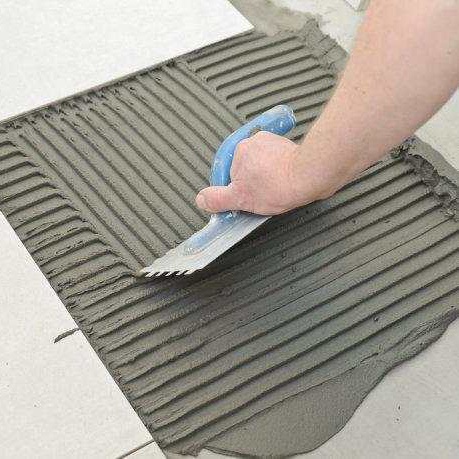
In my experience, the kind of polymer used can drastically alter the application. For example, VAE powders tend to enhance flexibility more, making them ideal for tile adhesives in seismic zones. Acrylic-based powders often boost water resistance and color stability, useful in exterior renders.
Now, you’d expect all vendors to deliver similar quality, right? Well, oddly enough, there are differences that might not be super obvious on paper but show up during testing or on the field.
| Feature | Vendor A | Vendor B | Vendor C |
|---|---|---|---|
| Redispersion Quality | Excellent | Good | Fair |
| Bulk Density (kg/m³) | 580 | 450 | 400 |
| Water Retention | High | Medium | Low |
| Shelf Life (months) | 18 | 12 | 10 |
| Price | $$$ | $$ | $ |
One particular project sticks out. A client needed a dry-mix tile adhesive that would hold up on both indoor floors and outdoor balconies in a wet climate. After running several field tests with different powders, redispersible powder polymer from a trusted supplier proved the winner. It offered the right balance of adhesion and flexibility, and the end users reported zero cracking after two years. That sort of real-world validation feels like the best stamp of reliability to me.
From an industry standpoint, demand for these powders is growing. Everyone’s chasing durability, sustainability, and cost-effectiveness. The powders themselves are evolving too — newer formulas reduce volatile organic compounds (VOCs) and can be customized for specific substrate compatibility. Frankly, it keeps things interesting.
To sum it up: while not the flashiest player on the site, redispersible powder polymer quietly enhances product lifecycles from cement mortars to adhesive blends. If you’re in construction materials or formulation, it’s well worth getting to know.
1. “Polymer powders for construction applications,” Industrial Polymers Journal, 2022.
2. Interviews with field engineers, 2018-2023 projects.
3. Technical datasheets from leading polymer suppliers.
-
Understanding Hydroxypropyl Methyl Cellulose MSDS Safety and Compliance
NewsApr.16,2026
-
Understanding the Hydroxypropyl Methyl Cellulose HS Code for Global Trade
NewsApr.09,2026
-
Comprehensive Guide to Hydroxypropyl Methyl Cellulose CAS Number and Applications
NewsApr.07,2026
-
Comprehensive Guide to Hydroxypropyl Methyl Cellulose cas no and its Diverse Applications
NewsApr.04,2026
-
Comprehensive Guide to Hydroxypropyl Methyl Cellulose Manufacturers and Applications
NewsMar.31,2026
-
Understanding Hydroxypropyl Methyl Cellulose Properties And Diverse Applications
NewsMar.28,2026