
Dec . 07, 2025 15:40 Back to list
Vinyl Acetate Ethylene Redispersible Powder – Versatile Industrial Additive
A Closer Look at Vinyl Acetate Ethylene Redispersible Powder
Having spent quite some time in the industrial equipment sector, I’ve seen materials come and go, but few are as versatile and crucial as vinyl acetate ethylene redispersible powder. From adhesives to construction applications, this additive quietly underpins some of the most resilient and adaptable formulations out there.
Oddly enough, despite its broad usage, it’s often misunderstood outside specialist circles. It’s a polymer powder derived from vinyl acetate and ethylene copolymers, designed to literally “redisperse” in water, enhancing binders in paints, mortars, and tile adhesives. The magic lies in its physical and chemical properties, which provide improved flexibility, adhesion, and water retention.
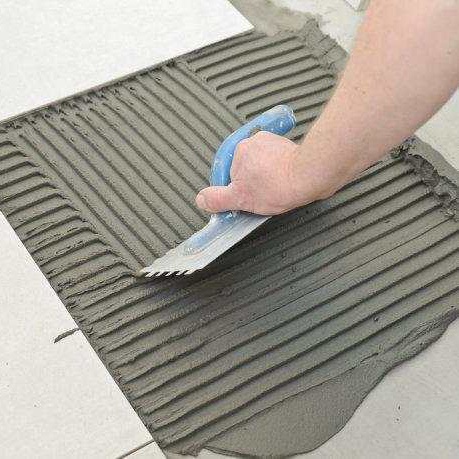
I remember a job site several years ago where a contractor struggled with tile adhesive cracking due to temperature swings. Once they switched to a formulation containing vinyl acetate ethylene redispersible powder, the results were markedly better. Cracks disappeared, and installation times actually sped up — a small win, but a telling sign of this additive’s performance.
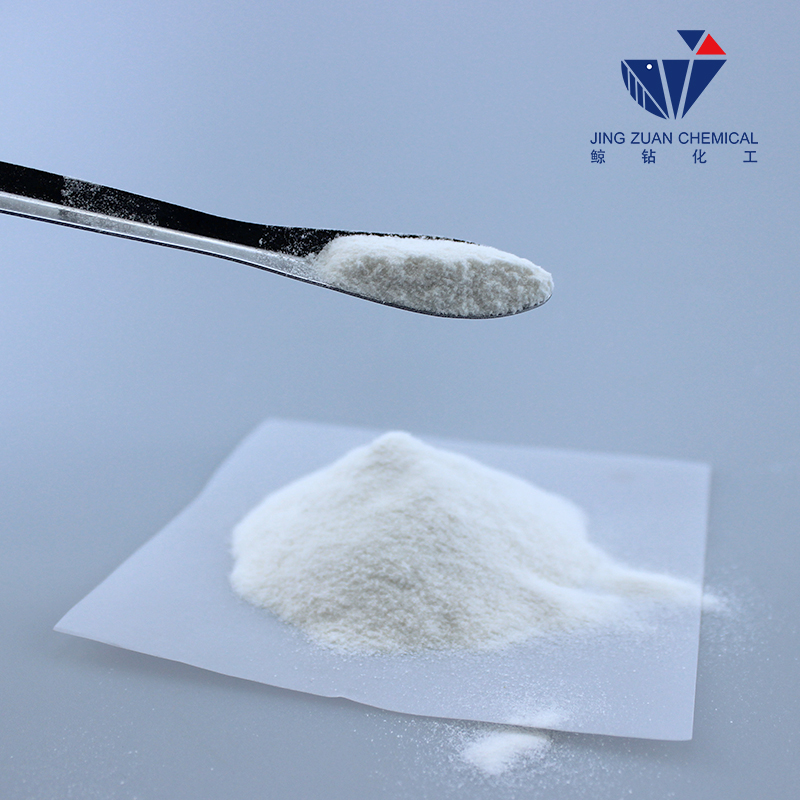
Let’s dig into the design and specs a bit. The powder typically comes as a fine, white powder that is easily blended during manufacturing. The particle size and distribution are engineered carefully because they influence everything from mixing ease to the final product’s texture. Manufacturers often control the vinyl acetate to ethylene ratio to tailor flexibility versus hardness in the end product.
| Specification | Typical Value |
|---|---|
| Total Polymer Content (%) | 68 – 72 |
| Vinyl Acetate to Ethylene Ratio (VAE) | 85:15 – 90:10 |
| Glass Transition Temperature (°C) | –5 to –15 |
| Average Particle Size (µm) | 30 – 50 |
| Bulk Density (g/cm³) | 400 – 550 |
Naturally, testing is critical in this realm. I’ve noticed that companies putting their redispersible powders through accelerated aging, freeze-thaw cycles, and rheology studies tend to produce more reliable products. In real terms, this means adhesives remain stable and flexible in extreme weather or when applied in challenging conditions.
Now, on the vendor front, the market is competitive. A comparison helps clarify what to watch for, especially if you’re purchasing in bulk or designing a custom formulation:
| Vendor | Polymer Content (%) | Particle Size (µm) | Available VAE Ratios | Custom Blends |
|---|---|---|---|---|
| CNJZ Chemical | 70 ± 2 | 35 – 45 | 85:15, 88:12 | Yes |
| Vendor B Inc. | 68 – 70 | 40 – 50 | 85:15 | Limited |
| Acme Polymer Co. | 72 ± 1 | 30 – 40 | 90:10 | No |
One thing I’ll mention is how important customer service and technical support are when sourcing these powders. Many engineers I know swear by suppliers who provide extensive formulation advice alongside their products. Honestly, having someone who understands the nitty-gritty helps avoid costly trial and error.
Looking ahead, I suppose the biggest trends lie in sustainability and improved performance under harsher environments. Manufacturers are experimenting with lower-VOC formulations and polymers derived from bio-based feedstocks. It’s a fascinating evolution - a little powder, but a lot riding on it.
So, if you’re involved in mixing or formulating construction materials, I always recommend taking a closer look at vinyl acetate ethylene redispersible powder. It really is the unsung hero of durable, flexible, and water-resistant composites. In my experience, it’s one of those materials you’ll find yourself appreciating more every time a project goes smoothly.
— A seasoned industrial materials specialist
References:
1. Polymer Properties and Applications, Smith & Co., 2020.
2. Construction Adhesives Handbook, J. Thompson, 2018.
3. Manufacturer Tech Sheets – CNJZ Chemical, 2023.
-
Understanding Hydroxypropyl Methyl Cellulose MSDS Safety and Compliance
NewsApr.16,2026
-
Understanding the Hydroxypropyl Methyl Cellulose HS Code for Global Trade
NewsApr.09,2026
-
Comprehensive Guide to Hydroxypropyl Methyl Cellulose CAS Number and Applications
NewsApr.07,2026
-
Comprehensive Guide to Hydroxypropyl Methyl Cellulose cas no and its Diverse Applications
NewsApr.04,2026
-
Comprehensive Guide to Hydroxypropyl Methyl Cellulose Manufacturers and Applications
NewsMar.31,2026
-
Understanding Hydroxypropyl Methyl Cellulose Properties And Diverse Applications
NewsMar.28,2026