
Jun . 13, 2024 15:39 Back to list
What is HPMC composed of?
HPMC, which stands for Hydroxypropyl Methylcellulose, is a widely used chemical compound with a diverse range of applications across various industries. It is a type of cellulose ether, derived from natural cellulose, a primary structural component found in plant cell walls.
The production of HPMC involves two main raw materials cellulose and two chemical modifiers - hydroxypropyl and methyl groups. The primary source of cellulose is typically cotton lint or wood pulp, both rich sources of this naturally occurring polymer. These raw materials undergo a series of chemical processes to create HPMC.
Firstly, the cellulose is treated with alkali, usually sodium hydroxide, to create a cellulose alkali solution. This step, known as alkalization, makes the cellulose more reactive. Next, the alkali cellulose is reacted with a propylene oxide and methylation agent, typically in the presence of a solvent like acetone or ethyl alcohol. Propylene oxide adds hydroxypropyl groups to the cellulose structure, while methylation is achieved through the action of methyl chloride. These modifications alter the properties of cellulose, imparting it with water-solubility and other desirable characteristics These modifications alter the properties of cellulose, imparting it with water-solubility and other desirable characteristics These modifications alter the properties of cellulose, imparting it with water-solubility and other desirable characteristics These modifications alter the properties of cellulose, imparting it with water-solubility and other desirable characteristicswhat is hpmc made from.
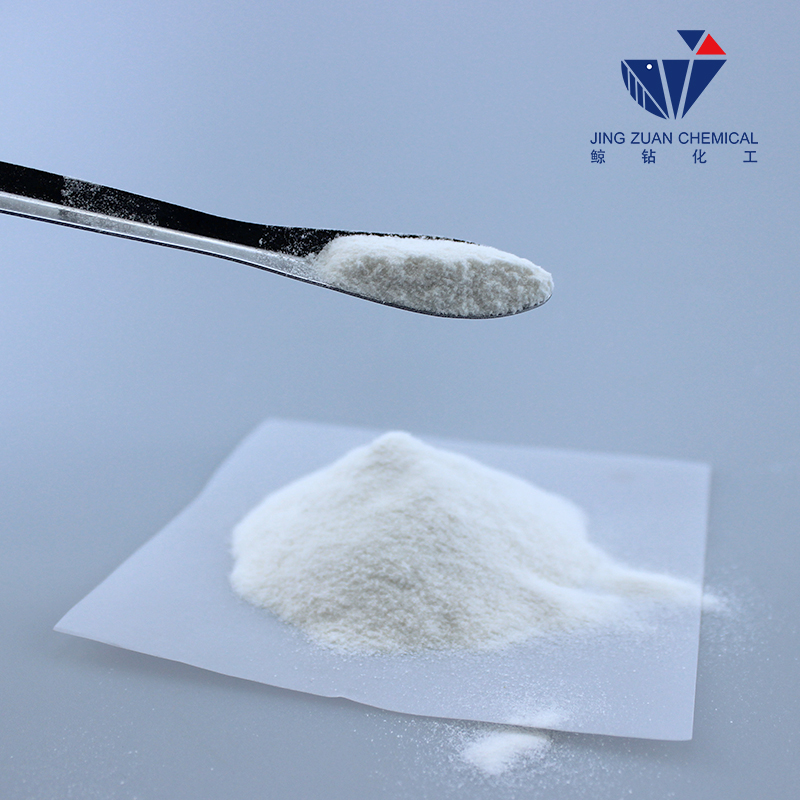
The reaction conditions, including the ratio of reagents, temperature, and time, are carefully controlled to yield HPMC with specific properties tailored to its intended use. After the reactions, the resulting product is washed, dried, and then ground into a fine powder, ready for application.
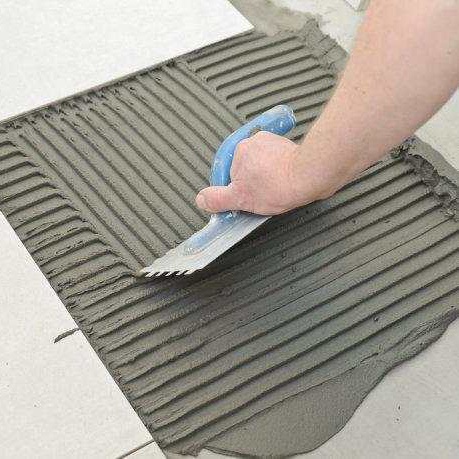
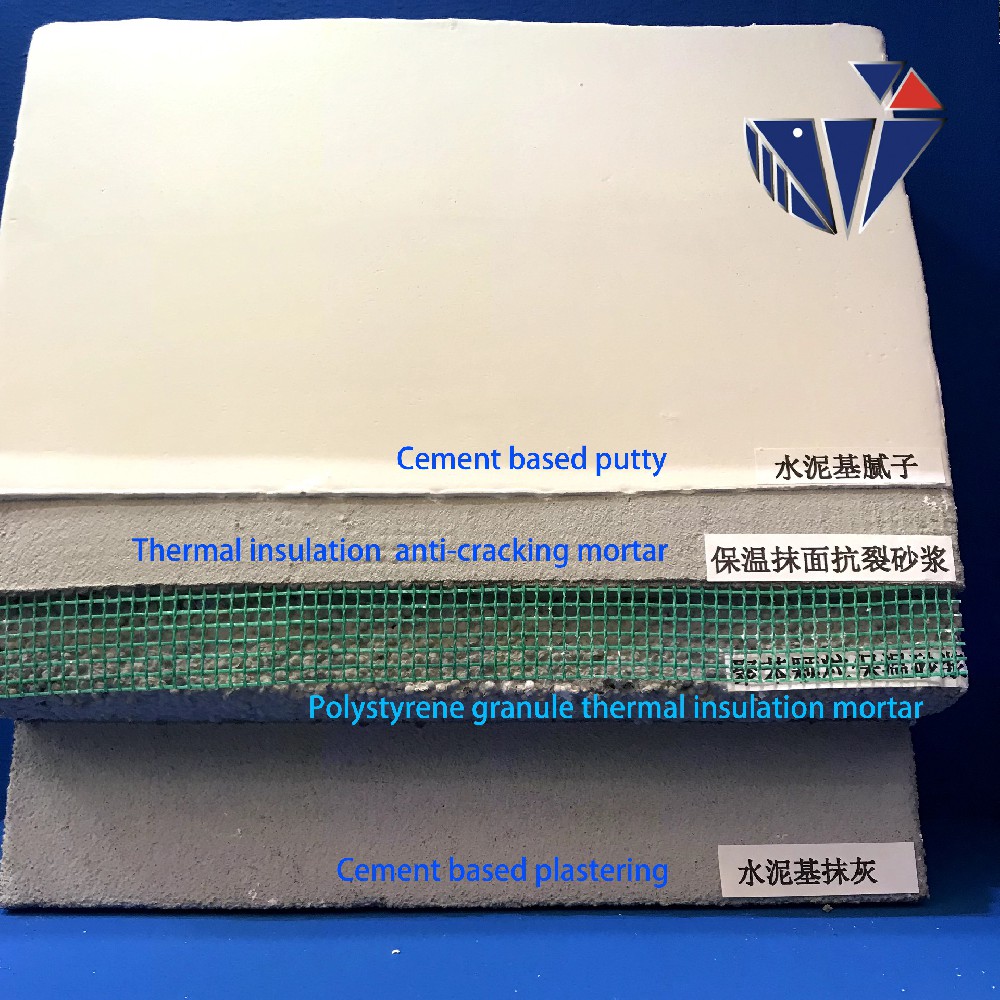
HPMC finds extensive use in the pharmaceutical industry as a binder, disintegrant, and viscosity modifier in tablets and capsules. In construction, it is used as a thickener and water retention agent in mortar and plaster. It also plays a crucial role in the food industry as a food additive, improving texture and stability. Additionally, HPMC is employed in the cosmetic and paint industries due to its film-forming and emulsifying properties.
In summary, HPMC, made primarily from cellulose and chemically modified with hydroxypropyl and methyl groups, is a versatile material with a broad spectrum of applications. Its production process, rooted in chemistry, showcases the transformative power of modifying natural substances to meet specific industrial needs.
These modifications alter the properties of cellulose, imparting it with water-solubility and other desirable characteristics These modifications alter the properties of cellulose, imparting it with water-solubility and other desirable characteristicswhat is hpmc made from.
The reaction conditions, including the ratio of reagents, temperature, and time, are carefully controlled to yield HPMC with specific properties tailored to its intended use. After the reactions, the resulting product is washed, dried, and then ground into a fine powder, ready for application.
HPMC finds extensive use in the pharmaceutical industry as a binder, disintegrant, and viscosity modifier in tablets and capsules. In construction, it is used as a thickener and water retention agent in mortar and plaster. It also plays a crucial role in the food industry as a food additive, improving texture and stability. Additionally, HPMC is employed in the cosmetic and paint industries due to its film-forming and emulsifying properties.
In summary, HPMC, made primarily from cellulose and chemically modified with hydroxypropyl and methyl groups, is a versatile material with a broad spectrum of applications. Its production process, rooted in chemistry, showcases the transformative power of modifying natural substances to meet specific industrial needs.
These modifications alter the properties of cellulose, imparting it with water-solubility and other desirable characteristics These modifications alter the properties of cellulose, imparting it with water-solubility and other desirable characteristicswhat is hpmc made from.
The reaction conditions, including the ratio of reagents, temperature, and time, are carefully controlled to yield HPMC with specific properties tailored to its intended use. After the reactions, the resulting product is washed, dried, and then ground into a fine powder, ready for application.
HPMC finds extensive use in the pharmaceutical industry as a binder, disintegrant, and viscosity modifier in tablets and capsules. In construction, it is used as a thickener and water retention agent in mortar and plaster. It also plays a crucial role in the food industry as a food additive, improving texture and stability. Additionally, HPMC is employed in the cosmetic and paint industries due to its film-forming and emulsifying properties.
In summary, HPMC, made primarily from cellulose and chemically modified with hydroxypropyl and methyl groups, is a versatile material with a broad spectrum of applications. Its production process, rooted in chemistry, showcases the transformative power of modifying natural substances to meet specific industrial needs. Next:
Latest news
-
Understanding Hydroxypropyl Methyl Cellulose MSDS Safety and Compliance
NewsApr.16,2026
-
Understanding the Hydroxypropyl Methyl Cellulose HS Code for Global Trade
NewsApr.09,2026
-
Comprehensive Guide to Hydroxypropyl Methyl Cellulose CAS Number and Applications
NewsApr.07,2026
-
Comprehensive Guide to Hydroxypropyl Methyl Cellulose cas no and its Diverse Applications
NewsApr.04,2026
-
Comprehensive Guide to Hydroxypropyl Methyl Cellulose Manufacturers and Applications
NewsMar.31,2026
-
Understanding Hydroxypropyl Methyl Cellulose Properties And Diverse Applications
NewsMar.28,2026
Related PRODUCTS