
Dec . 01, 2025 20:30 Back to list
What is HPMC Detergent? Benefits, Applications & Industry Insights
What Is HPMC Detergent and Why It Matters Worldwide
If you’re into cleaning agents, coatings, or formulations in industries from pharmaceuticals to textiles, there’s a strong chance you’ve bumped into HPMC detergent at some point. But what’s really behind this acronym? Hydroxypropyl Methylcellulose (HPMC) detergent isn’t just your everyday surfactant; it’s a versatile, cellulose-based polymer that brings a unique set of benefits to cleaning formulas worldwide. As hygiene demands grow and sustainability becomes a front-burner issue, understanding HPMC’s role can give manufacturers and formulators a real edge.
Globally, the cleaning product market is booming—expected to hit nearly $60 billion by 2027—and with that surge comes pressure to innovate with materials that deliver high performance while also being environmentally conscious. HPMC detergent fits this bill by being biodegradable, safe, and effective across multiple applications.
Global Context: The Rising Demand for Advanced Cleaning Solutions
Did you know that according to the United Nations water sanitation reports, over 2 billion people worldwide lack access to safely managed sanitation services? While that’s a sobering statistic, it highlights the critical need for effective and affordable detergents that help improve hygiene at scale.
In fact, industry data from ISO standards on ingredient safety and biodegradability are pushing many manufacturers to adopt cellulose derivatives like HPMC. This polymer helps tackle stubborn grime and tough stains but with lower toxicity compared to traditional surfactants. You can picture remote communities or hospitals in developing countries benefiting enormously from such innovations.
The challenge is balancing performance with cost and environmental impact—HPMC detergent intersects exactly where these concerns meet.
Understanding HPMC Detergent: What Is It Exactly?
Simply put, HPMC detergent incorporates hydroxypropyl methylcellulose, a cellulose ether derived from plant fibers, into a detergent formulation. The result? A thickening agent, stabilizer, and emulsifier that enhances cleaning power while maintaining formulation stability.
Unlike standard synthetic surfactants, HPMC-based detergents offer a greener alternative—biodegradable and less irritating to skin and aquatic life. It’s a polysaccharide modified for water solubility and film-forming capabilities. This makes it especially useful in sectors where gentle but effective cleaning is a must, like cosmetics, food processing, and medical device sterilization.
Core Components at Play
1. Viscosity and Stability
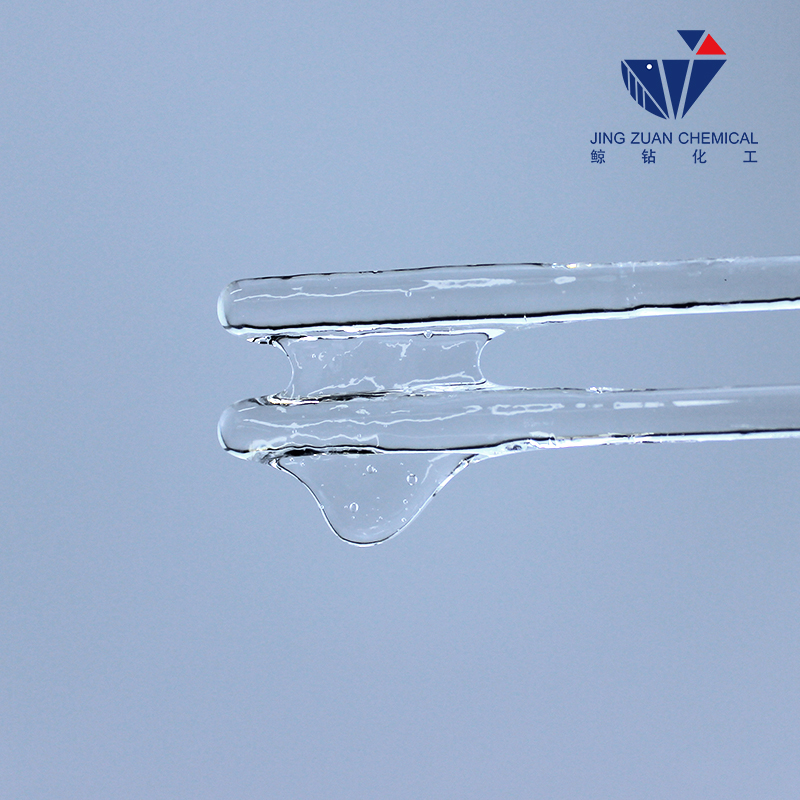
HPMC’s thickening action lends detergents a richer texture, improving user experience and preventing separation in storage. This means the product lasts longer on the shelf—always a cost saver.
2. Biodegradability & Eco-Friendliness
Nowadays, formulations need to be as kind to the earth as they are tough on dirt. HPMC breaks down naturally, aligning well with regulations and customer expectations alike.
3. Compatibility With Other Ingredients
This agent mixes smoothly with a broad range of surfactants and solvents, offering formulators a flexible building block for specialized cleaning products.
4. Safety Profile
HPMC is generally considered non-toxic and non-irritant, making detergent formulas safer for household and industrial use alike.
Quick takeaway:
- HPMC detergent acts as a powerful thickener and stabilizer, improving product performance while ensuring environmental safety.
- Its plant-based origin appeals to markets seeking sustainable yet effective cleaning alternatives.
How HPMC Detergent Is Making a Difference Worldwide
In real terms, HPMC detergent formulations show up everywhere—from cleaning agents used in hospitals in Europe to textile factories in Asia and water-treatment setups in Africa. For example, during post-disaster relief efforts, fast-deployable hygiene kits often include detergents optimized with HPMC to ensure stable transport and prolonged shelf life under variable temperatures.
Moreover, textile industries benefit from HPMC’s film-forming properties, which help remove oils and contaminants without damaging delicate fibers. Industries in regions like Southeast Asia and Latin America are increasingly turning to HPMC-enhanced detergents for these reasons.
In more developed markets, HPMC's natural origin satisfies consumer demand for "clean" beauty and home-cleaning products. Large multinational companies now formulate specialty detergents balancing efficiency with reduced environmental load, a market trend not expected to slow anytime soon.
Product Specifications of a Typical HPMC Detergent
| Property | Typical Value | Unit | Notes |
|---|---|---|---|
| Viscosity (2% solution) | 4000–8000 | mPa·s | Adjustable via substitution degree |
| pH Range | 5–8 | – | Compatible with mild acidic/neutral formulas |
| Moisture Content | ~5 | % | Ensures powder stability |
| Bulk Density | 0.3–0.5 | g/cm³ | Varies with particle size |
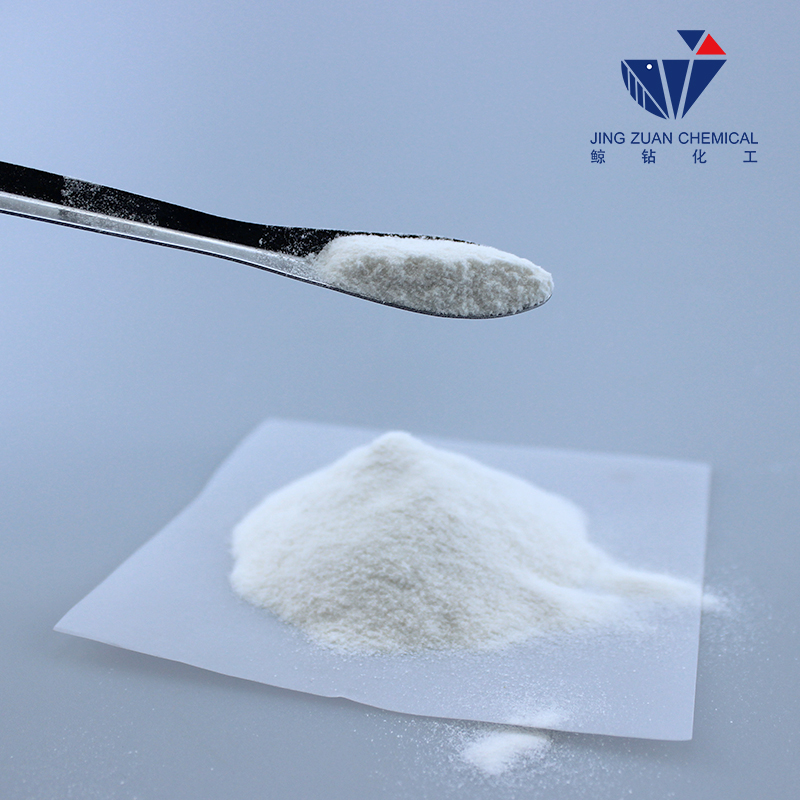
| Appearance | Free-flowing white powder | – | Easy to handle in formulations |
Comparing Leading HPMC Detergent Vendors
| Vendor | Product Grade | Price Approx. | Main Market | Sustainability Features |
|---|---|---|---|---|
| GlobalChem Ltd. | Premium HPMC-F | $15/kg | Pharmaceutical / Cosmetics | Certified biodegradable, low VOC |
| EcoChemicals Inc. | Standard HPMC-D | $9/kg | Industrial detergents, Textiles | Plant-based sourcing, recyclable packaging |
| NaturePolymers | BioHPMC-X | $12/kg | Home care, Specialty cleaners | Organic certification, carbon-neutral manufacturing |
Why HPMC Detergent Is Worth Considering: Key Benefits
Beyond the technical specs, there’s a soft side to HPMC detergent that often goes unmentioned. For formulators, it means easier formulation and longer shelf life. For end users, gentler but effective cleaning that doesn’t aggravate sensitive skin or the environment. And for society at large, it represents a small step towards reducing synthetic chemical load on waterways.
Cost-wise, while HPMC can be pricier than basic surfactants, its multifunctional properties reduce the need for multiple additives, balancing the budget. Plus, consumers pay premiums for “green” labels, so brands incorporating HPMC in their detergents often enjoy stronger customer loyalty and trust.
Emerging Trends: What the Future Holds for HPMC Detergent
Innovation rarely stands still. Around the corner are bioengineered celluloses and hybrid polymers blending HPMC with nanomaterials to enhance dirt release and antimicrobial action without synthetic chemicals. Artificial intelligence is also helping manufacturers tailor HPMC grades to exact specifications faster and with less waste.
On the policy front, stricter regulations on petrochemical surfactants will nudge industries toward cellulose-based ingredients. Meanwhile, consumer expectations around fragrance-free, allergy-safe, and completely biodegradable products will continue growing—and HPMC detergents are well positioned to answer this call.
Challenges and How to Solve Them
Of course, no product is without its hurdles. Some formulators find HPMC’s solubility can be tricky, requiring precise water temperatures and mixing speeds. Plus, cost considerations can trip up mass-market adoption.
Solutions? Vendors increasingly offer pre-modified HPMC powders tailored for easier dispersion. Meanwhile, industry collaborations focus on upcycling agricultural waste for cellulose extraction, helping lower costs sustainably. It’s a sort of “win-win” between environmental responsibility and commercial viability.
FAQ: Common Questions About HPMC Detergent
- Is HPMC detergent safe for sensitive skin?
Yes, HPMC is generally regarded as non-irritating and biocompatible, making it suitable for formulations intended for sensitive or allergy-prone users. - How does HPMC detergent compare with conventional surfactants?
While traditional surfactants often aggressively strip oils and dirt, HPMC-based detergents offer a balanced approach, enhancing thickening and stability while being gentler and more biodegradable. - Can HPMC detergent be used in industrial cleaning?
Definitely. Many industrial formulations employ HPMC for its film-forming and stabilizing properties—especially in textile and pharmaceutical equipment cleaning. - Where can I buy high-quality HPMC detergent ingredients?
Several global suppliers exist; visiting suppliers like GlobalChem Ltd. or EcoChemicals Inc. provides options across price and sustainability spectrums. For more info, check out hpmc detergent vendors online. - Does HPMC detergent impact wastewater treatment?
Its biodegradability makes HPMC less harmful to aquatic ecosystems compared to synthetic detergents, easing downstream wastewater treatment processes.
Wrapping Up: Why HPMC Detergent Deserves a Spot in Your Formulation Arsenal
In an era where sustainability and performance equally drive product innovation, HPMC detergent stands as a promising ingredient that strikes a nice balance. It offers manufacturers versatility, end users safety, and the planet a less toxic footprint. If you’re still on the fence, it’s worth diving deeper into this cellulose derivative’s unique capabilities and considering it for your next formulation challenge.
Explore more about this exciting material and its suppliers—just start typing hpmc detergent into your browser. The right product might be closer than you think.
References & Further Reading
-
Understanding Hydroxypropyl Methyl Cellulose MSDS Safety and Compliance
NewsApr.16,2026
-
Understanding the Hydroxypropyl Methyl Cellulose HS Code for Global Trade
NewsApr.09,2026
-
Comprehensive Guide to Hydroxypropyl Methyl Cellulose CAS Number and Applications
NewsApr.07,2026
-
Comprehensive Guide to Hydroxypropyl Methyl Cellulose cas no and its Diverse Applications
NewsApr.04,2026
-
Comprehensive Guide to Hydroxypropyl Methyl Cellulose Manufacturers and Applications
NewsMar.31,2026
-
Understanding Hydroxypropyl Methyl Cellulose Properties And Diverse Applications
NewsMar.28,2026