
Nov . 25, 2025 15:00 Back to list
What is HPMC Excipient? Uses, Benefits & Global Applications
Understanding HPMC Excipient: A Small Component with a Big Global Impact
If you haven’t come across the term hpmc excipient before, you might be wondering what all the fuss is about. Simply put, HPMC excipient stands for Hydroxypropyl Methylcellulose, a cellulose derivative widely used as an inactive filler or binder in pharmaceuticals, food, and construction industries. But this little component quietly powers a crucial function worldwide: it enhances drug formulations, improves product stability, and even helps in environmental sustainability efforts.
Why does this matter on a global scale? In an era where healthcare accessibility and industrial efficiency are paramount, understanding materials like HPMC excipient helps manufacturers design better, safer products — often at a more affordable cost. It’s those small innovations that ripple out, sometimes becoming keystones in massive industries like medicine and construction, especially in developing regions.
The Global Context of HPMC Excipient
HPMC excipient has seen rising demand globally, particularly due to its multi-industry applications. According to industry reports aligned with UN trade data, global cellulose derivatives market growth is projected at around 5-6% per year over the next decade. That’s no small potatoes — it reflects growing importance in countries focusing on pharmaceuticals, sustainable building material solutions, and even food safety improvements.
Yet there’s a challenge: many emerging markets face supply inconsistencies and quality variabilities in excipients like HPMC, hampering effective drug production. This shortage or inconsistency can slow down medication availability in critical regions. So, improving supply chain resilience and product standardization is a top priority globally.
Mini Takeaway:
- HPMC excipient is more than filler; it’s a backbone material impacting healthcare and industrial sectors alike.
- Global demand coincides with increased needs for affordable, reliable pharma and material products in developing economies.
What Exactly Is HPMC Excipient?
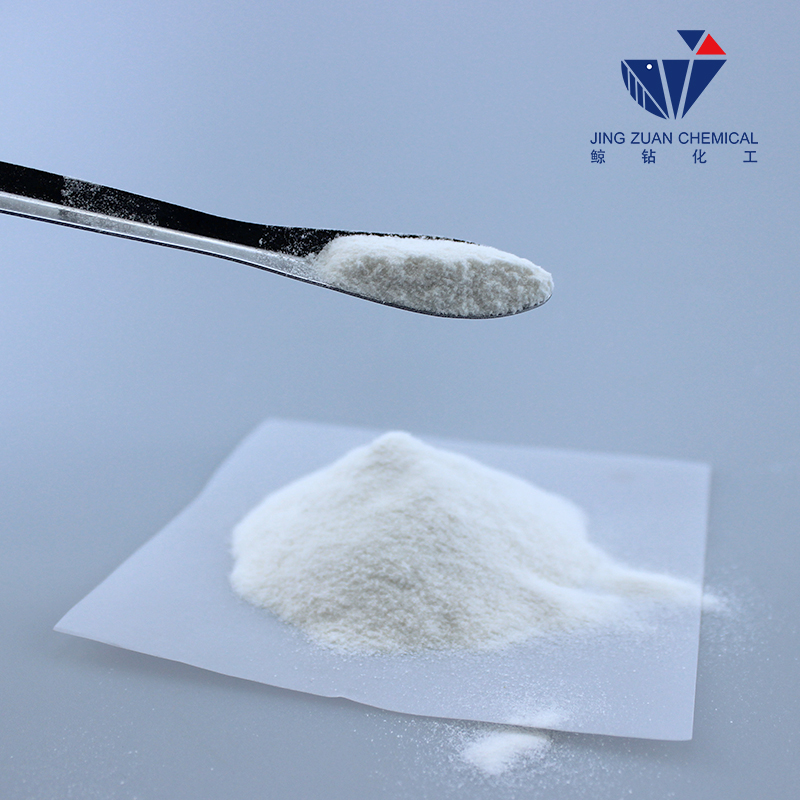
Hydroxypropyl Methylcellulose (HPMC) excipient is a non-toxic, water-soluble polymer synthesized from cellulose — the most abundant organic polymer on earth. Think of it as a versatile helper molecule: in tablets, it controls drug release rates; in construction, it improves viscosity and binding; in cosmetics or food, it thickens and stabilizes formulas.
Its wide industrial utility stems from a neat trick: HPMC is hydrophilic but doesn’t dissolve in cold water, enabling it to modify texture and stability without dissolving too quickly. This makes it uniquely suited for applications ranging from sustained-release tablets to cement mixtures in construction.
On a humanitarian note, its role in affordable drug production and safer materials indirectly contributes to improving global health and infrastructure standards, especially in regions where resources are scarce.
Mini Takeaway:
- HPMC excipient is a cellulose-based polymer known for its versatile physical and chemical properties.
- It bridges multiple industries, from pharma to construction, sealing its spot as an essential yet often overlooked component.
Key Attributes of HPMC Excipient That Drive Its Value
1. Solubility & Film-Forming Ability
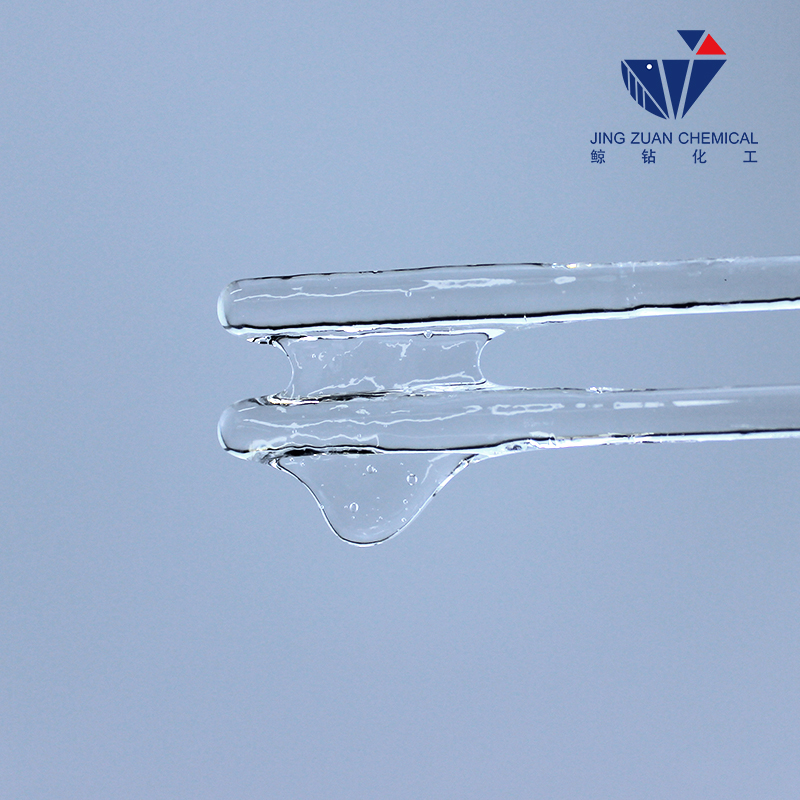
HPMC excipient dissolves in hot water, creating viscous solutions that form flexible films upon drying. This property is vital in tablet coatings that mask unpleasant flavors, and in cement admixtures to improve workability.
2. Biocompatibility & Safety
Being non-toxic and non-irritating, it’s FDA-approved for pharmaceutical use, food additives, and topical applications — which is why it’s a staple in both pills and creams.
3. Stability & Controlled Release
It governs how drugs dissolve, enabling sustained-release medications. This ensures steady drug delivery, making treatments more effective and reducing side effects.
4. Versatility in Industrial Applications
Aside from pharma, HPMC finds uses in paints, adhesives, and construction materials by improving viscosity and adhesion. This versatility reduces the need for multiple chemicals, streamlining manufacturing processes.
5. Sustainability Considerations
Derived from renewable cellulose, HPMC is more eco-friendly compared to synthetic polymers. This aligns well with current global pushes for greener, sustainable industrial practices.
Mini Takeaway:
- Multiple key attributes make hpmc excipient adaptable across sectors.
- Its biocompatibility and reliability ensure widespread regulatory acceptance and safety.
Real-World Applications and Who Benefits
Across continents—and industries—HPMC excipient quietly underpins critical products and processes.
- Pharmaceuticals: It’s used globally in oral tablets, eye drops, and even in inhalers. For example, pharmaceutical companies in India utilize HPMC extensively to maintain drug quality and extend shelf life—vital in tropical climates.
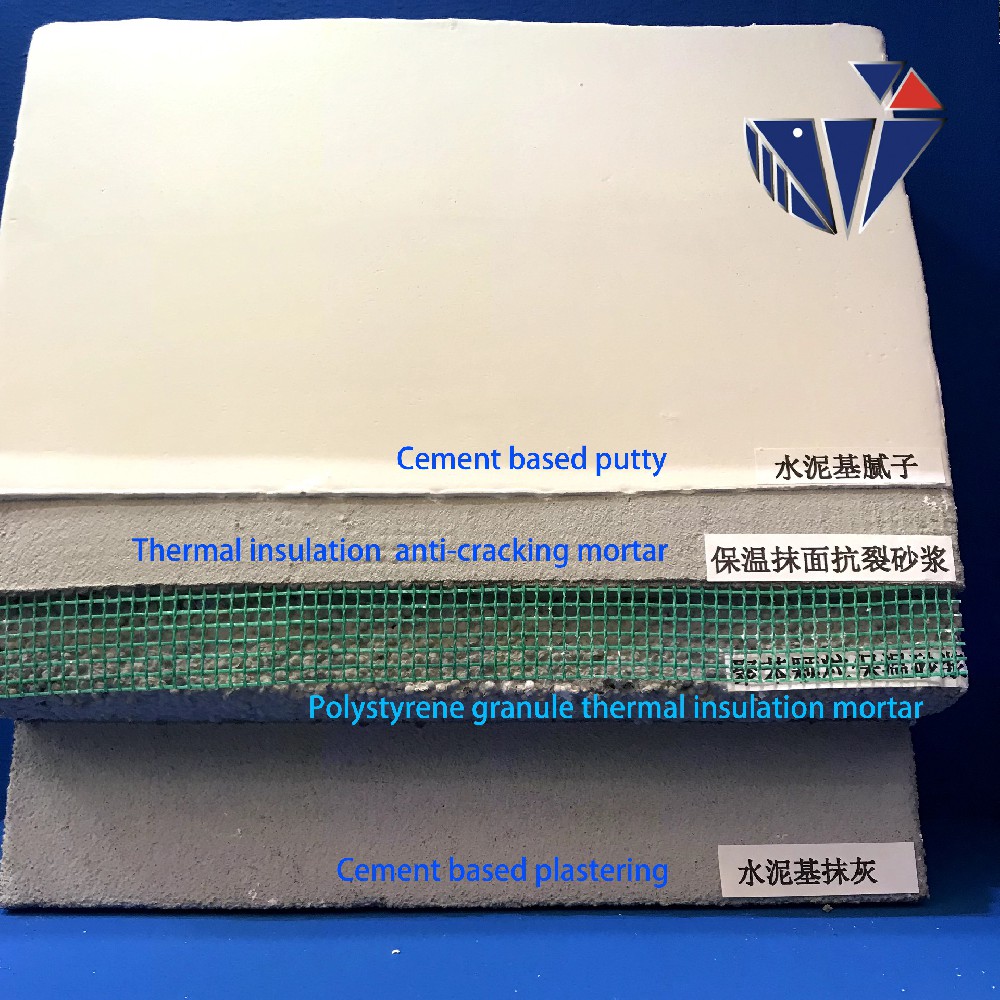
- Construction Industry: In the Middle East and North Africa, where arid climates demand better building materials, HPMC improves mortar and plaster workability.
- Food Processing: Europe and the US utilize it as a thickener and emulsifier, improving texture in low-fat foods.
- Humanitarian Efforts: In post-disaster relief, quick-deploy water purification tablets often rely on HPMC for controlled release, ensuring people get treated water safely over time.
Mini Takeaway:
- From Mumbai’s pharma labs to Middle East construction projects, hpmc excipient supports diverse, essential functions.
- Its role in humanitarian aid underscores its importance beyond commercial profit.
Advantages and Enduring Value of HPMC Excipient
The benefits go beyond functionality:
- Cost Efficiency: Improves product stability, reducing waste and recalls.
- Sustainability: Renewable, biodegradable source reduces environmental footprint.
- Safety and Trust: Non-toxic, allergen-free, ensuring patient and consumer confidence.
- Innovation Driver: Facilitates new pharmaceutical formulations and greener building materials.
Most importantly, when you buy products containing HPMC excipient, you’re indirectly contributing to safer, more reliable solutions in healthcare and construction—fields where failure is simply not an option.
Product Specification Table for a Typical Pharmaceutical-Grade HPMC Excipient
| Property | Typical Value | Unit |
|---|---|---|
| Methoxy Content | 19 - 24 | % (w/w) |
| Hydroxypropyl Content | 4 - 12 | % (w/w) |
| Viscosity (2% solution) | 1000 - 5000 | mPa·s |
| pH (2% solution) | 5.0 - 8.0 | - |
| Moisture Content | 5 max | % |
Comparing Leading HPMC Excipient Vendors
| Vendor | Product Range | Pricing (Approx.) | Typical Lead Times | Regional Strengths |
|---|---|---|---|---|
| Vendor A | Wide (1000–6000 mPa·s) | Moderate to High | 4-6 weeks | Europe, USA |
| Vendor B | Standard (1500–4000 mPa·s) | Competitive | 2-3 weeks | Asia, Africa |
| Vendor C | Specialized Grades | Premium | 6-8 weeks | USA, EU |
Looking Forward: Innovations and Trends
The landscape of HPMC excipient production is shifting to greener, more sustainably sourced cellulose and more precise molecular modifications to tailor viscosity and release profiles even better. Digital transformation in supply chains is ensuring better quality consistency, reducing batch-to-batch variability—a big headache for manufacturers.
Moreover, with the urgent need to reduce plastic use worldwide, HPMC’s biodegradable nature is inspiring new packaging and coating materials that can replace petrochemical-based polymers. Some startups are even exploring blending HPMC with nanocellulose for ultra-strong, eco-friendly composites.
Challenges and How We’re Tackling Them
It’s not all smooth sailing, however. Variability in raw cellulose, sensitivity to storage conditions, and processing demands can sometimes trip up less meticulous manufacturers. Supply chain disruptions have also raised costs recently.
But solutions are emerging: advanced process monitoring, tighter quality control, and enhanced supplier partnerships are minimizing these risks. Plus, governments and ISO bodies continue to push for higher excipient standards globally, helping to align and raise product quality.
Frequently Asked Questions About HPMC Excipient
- What makes HPMC excipient essential for controlled drug release?
- HPMC swells in the digestive tract, forming a gel barrier that slows drug dissolution. This property enables extended release, allowing the medication to maintain therapeutic levels over time. It improves patient compliance by reducing dosing frequency.
- Can HPMC excipient be used in vegan or vegetarian pharmaceutical products?
- Yes, since HPMC is fully plant-based, derived from cellulose, it is suitable for vegan and vegetarian formulations. This makes it a popular alternative to gelatin-based excipients or capsule shells.
- How does the viscosity of HPMC impact its application?
- Viscosity determines how thick the polymer solution is, affecting its film-forming and binding abilities. Low viscosity grades are ideal for liquid suspensions, while higher viscosity variants suit controlled-release tablets or thickening agents in construction.
- Is HPMC excipient biodegradable and environmentally friendly?
- Yes, HPMC is biodegradable and derived from renewable sources, making it an eco-friendly choice compared to synthetic polymers. However, biodegradation rate depends on environmental conditions.
- Where can manufacturers source high-quality HPMC excipient?
- Reliable suppliers often include specialized chemical manufacturers with pharmaceutical-grade certifications. To explore reputable options with good delivery times, consider hpmc excipient vendors listed globally.
Final Thoughts and Your Next Step
HPMC excipient may seem like just a simple additive, but it’s clear that its role is profound and far-reaching. From improving the safety and efficacy of medicines, boosting industrial product performance, to supporting eco-friendly innovation—its value keeps growing. Manufacturers and engineers who understand and leverage HPMC’s potential will be poised to deliver better, safer products in a more sustainable way.
If you want to explore sourcing or learn more about hpmc excipient, don’t hesitate to visit our website. It’s where quality, reliability, and cutting-edge research merge for your benefit.
References:
-
Understanding Hydroxypropyl Methyl Cellulose MSDS Safety and Compliance
NewsApr.16,2026
-
Understanding the Hydroxypropyl Methyl Cellulose HS Code for Global Trade
NewsApr.09,2026
-
Comprehensive Guide to Hydroxypropyl Methyl Cellulose CAS Number and Applications
NewsApr.07,2026
-
Comprehensive Guide to Hydroxypropyl Methyl Cellulose cas no and its Diverse Applications
NewsApr.04,2026
-
Comprehensive Guide to Hydroxypropyl Methyl Cellulose Manufacturers and Applications
NewsMar.31,2026
-
Understanding Hydroxypropyl Methyl Cellulose Properties And Diverse Applications
NewsMar.28,2026