
Nov . 30, 2025 18:00 Back to list
What is HPMC Used For | Applications, Benefits & Trends in Industry
Understanding What is HPMC Used For: A Practical Overview
Hydroxypropyl Methylcellulose, or HPMC, isn’t exactly a household name, but it quietly powers a surprising number of industries worldwide. Understanding what is hpmc used for sheds light on everything from construction to pharmaceuticals and even food science. Globally, its versatility makes it an irreplaceable compound, notably in sectors striving for sustainability and efficiency. Why care about this? Because products containing HPMC often offer better durability, enhanced safety, and improved user experience — factors vital in a rapidly changing world with growing environmental concerns.
The Global Importance of HPMC in Industry
On a global scale, industries lean heavily on specialty chemicals like HPMC to tackle modern challenges. According to recent ISO reports and World Bank data, sustainable material use is climbing steadily — pushing demand for multifunctional additives like HPMC. It’s everywhere: in building materials that help reduce energy loss, in medicines ensuring controlled drug release, or even in foods that improve texture without artificial preservatives.
But here's the kicker: as environmental regulations tighten globally, materials that combine performance with eco-friendliness become non-negotiable. HPMC fits this bill. For instance, the construction industry accounts for nearly 40% of global CO2 emissions, according to the UN. Improving building materials with additives like HPMC can reduce waste and enhance insulation — helping lower that footprint.
Mini takeaway: The expanding need for sustainable, high-performance materials has given HPMC a prominent seat at the global industrial table.
What Exactly is HPMC and Why It Matters
Simplistically, HPMC is a modified cellulose derivative — basically a refined compound from plant fibers with chemical tweaks that enhance solubility and film-forming ability. It behaves kind of like a jack-of-all-trades binder and stabilizer. In practical terms, you can find it in products requiring thickening, emulsification, or delayed release properties.
This makes HPMC incredibly relevant for modern industries aiming to replace less sustainable or synthetic materials with something safer and biodegradable. Its non-toxic and water-soluble nature opens doors to pharmaceuticals, cosmetics, food, and especially the construction sector where environmental and performance standards keep rising.
Core Features That Make HPMC So Versatile
1. Water Retention & Workability
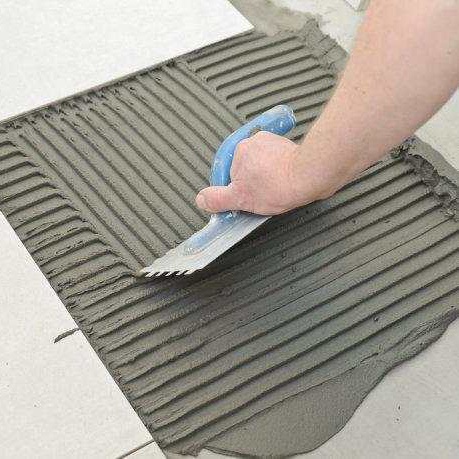
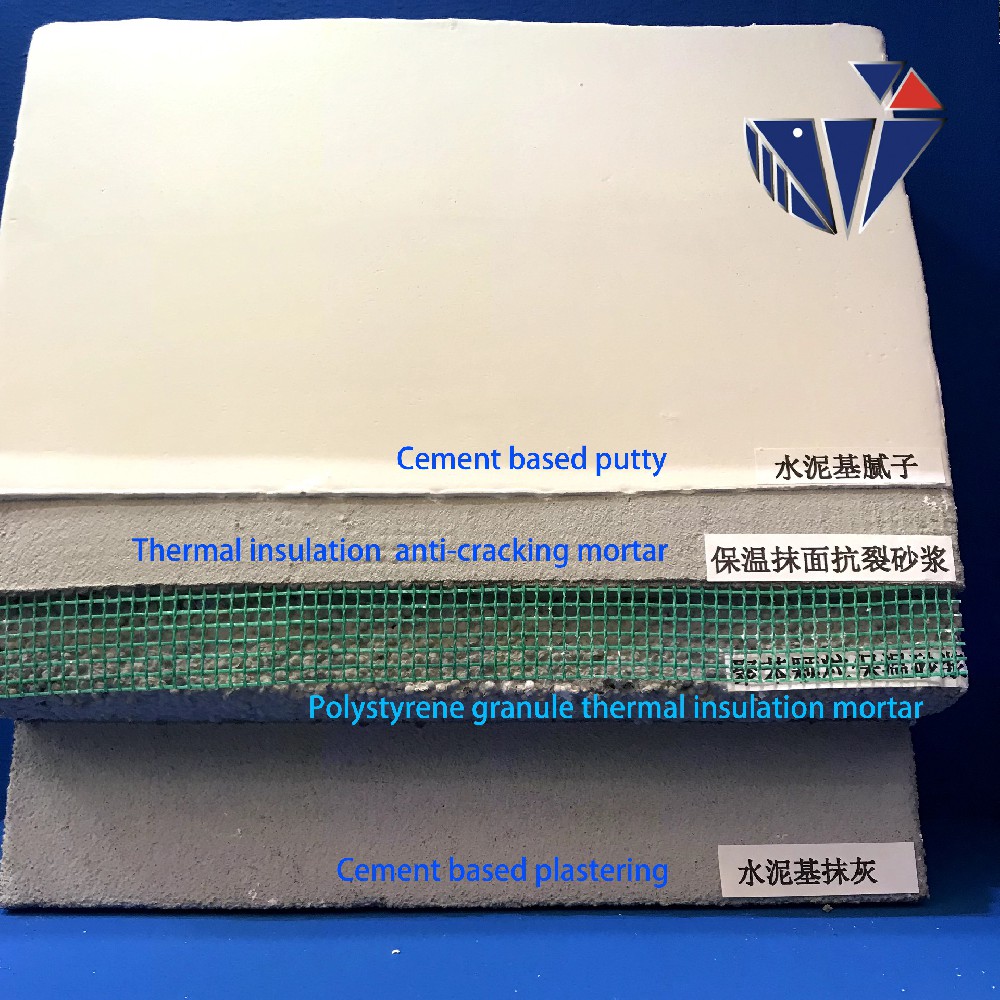
In construction, HPMC improves mortar and plaster by retaining water longer during curing. This means less cracking, better adhesion, and improved strength. Many builders value this for both indoor renovations and outdoor applications where moisture control is critical.
2. Film-Forming Ability
This quality allows HPMC to act as a protective coating or binder in various products, from pills that control drug release to paint formulations that need elasticity and resistance.
3. Stability Under Temperature Variations
HPMC maintains performance over a wide range of temperatures, making it suitable for industries operating in harsh climates — from deserts to cold zones.
4. Non-Toxicity and Biodegradability
Unlike many synthetic polymers, HPMC breaks down naturally and is safe for human contact. This is a major plus for food and pharmaceutical producers.
5. Thickening & Suspension
It’s a go-to thickener in cosmetics and foods, ensuring products maintain their integrity on shelves yet feel pleasant on skin or palate.
Mini takeaway: These tangible characteristics explain why manufacturers continue to rely on HPMC. It’s less about one magic trick and more about a toolbox of reliable benefits.
Global Applications and Real-World Use Cases
Now, speaking of real-world impact — industries all over the world swear by HPMC. For example, in India’s booming construction sector, HPMC-enhanced mortars have improved building longevity despite challenging monsoon seasons. Meanwhile, European pharmaceutical companies use it extensively in controlled-release tablets, minimizing dosage frequency for patients — a clear quality-of-life gain.
Post-disaster relief operations in Southeast Asia have also leveraged HPMC’s role in quickly setting and stabilizing repair materials. This enables faster, safer rebuilding efforts, often in difficult climates or resource-scarce environments.
Even food manufacturers in North America prefer HPMC for gluten-free products, where it replaces gluten’s elasticity while keeping the ingredient list clean and familiar.
Advantages and Long-Term Value of Using HPMC
One of the main draws is cost efficiency combined with performance. While HPMC might seem pricier upfront than traditional additives, its ability to reduce waste — whether in construction or pharma — cuts costs long-term. Its sustainability angle often translates to regulatory benefits or brand-enhancing “green” credentials, critical in competitive markets.
On an emotional level, it offers peace of mind. Consumers and end-users trust products that last longer, perform better, and minimize environmental harm. For manufacturers, that trust builds brand loyalty and opens new markets. In a nutshell, HPMC isn’t just a chemical additive — it’s a contributor to safer, more sustainable innovation.
Looking Ahead: Future Trends Involving HPMC
Innovation never rests, even with established materials. Sustainable policies are pushing R&D towards bio-based, even “smart” HPMC variants — for instance, responsive coatings that adapt to humidity or temperature changes. Digitally driven quality control enhances consistency, allowing manufacturers to fine-tune HPMC properties for ever more specialized applications.
At the same time, partnerships between chemical producers and green startups hint at expanded uses in eco-packaging and water purification. It sounds surprising but think about it: bio-polymers like HPMC could reshape how we manage waste and resources at multiple levels.
Challenges and How Industry Addresses Them
Of course, no material is perfect. HPMC can be sensitive to extreme pH levels and may require additives to boost resistance in harsh chemical environments. Supply chain fluctuations occasionally affect pricing and availability. Manufacturers often tackle these by blending HPMC with complementary polymers or developing tailored grades for specific uses.
Continuous research and open collaboration help overcome barriers — and frankly, it’s this adaptability keeping HPMC at the forefront.
Product Specification Table
| Specification | Typical Value | Unit | Notes |
|---|---|---|---|
| Viscosity (2% solution, 20°C) | 400 - 4000 | mPas | Adjustable by grade |
| Methoxy Content | 19.0 - 24.0 | % | Affects solubility |
| Hydroxypropyl Content | 4.0 - 12.0 | % | Influences gelation temp. |
| Moisture Content | ≤5.0 | % | For storage stability |
| pH (1% aqueous solution) | 5.0 - 8.0 | Neutral range preferred |
Vendor Comparison Table: Key HPMC Producers
| Vendor | Primary Markets | Specialty Grades | Sustainability Initiatives | Typical Pricing |
|---|---|---|---|---|
| Dow Chemical | Construction, Pharma | High viscosity, low endotoxin | Carbon neutral by 2050 targets | $$$ |
| Shin-Etsu Chemical | Pharmaceutical, Food | Food-grade, pharma grade | Eco-friendly sourcing programs | $$$$ |
| BASF | Construction, Cosmetics | Customized grades | Zero-waste initiatives | $$ |
| Shandong Aokang | Construction, Textiles | Standard industrial grades | Renewable raw materials drive | $ |
Frequently Asked Questions About What is HPMC Used For
Q1: What makes HPMC better than other cellulose ethers?
A1: HPMC carries better solubility across temperatures, non-ionic properties, and superior film-forming abilities. These translate into enhanced durability in construction materials or more predictable release in pharmaceuticals, making it a preferred choice over alternatives.
Q2: How long does HPMC-based plaster last on a building facade?
A2: When applied correctly, HPMC-modified plaster can last over 10 years with minimal maintenance, especially in moderate climates. Its water retention and flexibility reduce cracking, which extends the lifespan considerably compared to traditional mixes.
Q3: Is HPMC safe to use in food products?
A3: Absolutely. Food-grade HPMC meets strict international safety standards and is widely used as a thickener and stabilizer. It is non-toxic, biodegradable, and does not alter food flavor, making it ideal for gluten-free or low-fat formulations.
Q4: Can HPMC be customized for specific industrial uses?
A4: Yes, manufacturers provide a wide range of viscosity grades, substitution levels, and particle sizes. This customization allows clients to optimize performance attributes tailored to their unique applications, whether construction, pharma, or cosmetics.
Q5: How can companies ensure sustainable sourcing of HPMC?
A5: Partnering with vendors committed to renewable cellulose feedstocks and transparent supply chains, as well as receiving certifications like ISO 14001, helps companies align with sustainability goals while using HPMC.
In Closing: Why Knowing What is HPMC Used For Pays Off
In real terms, understanding what is hpmc used for means you’re tapping into a material that quietly powers reliability and sustainability across a sweeping array of industries worldwide. Its value lies not just in versatility but in meeting increasingly complex demands for performance combined with ecological sensitivity. If you’re involved in manufacturing or procurement, keeping tabs on HPMC developments is smart — the future for this adaptable compound looks bright and definitely worth watching.
Feel free to visit our detailed resource hub for more specialized insights and purchasing options: https://www.cnjzchemical.com
References
-
Understanding Hydroxypropyl Methyl Cellulose MSDS Safety and Compliance
NewsApr.16,2026
-
Understanding the Hydroxypropyl Methyl Cellulose HS Code for Global Trade
NewsApr.09,2026
-
Comprehensive Guide to Hydroxypropyl Methyl Cellulose CAS Number and Applications
NewsApr.07,2026
-
Comprehensive Guide to Hydroxypropyl Methyl Cellulose cas no and its Diverse Applications
NewsApr.04,2026
-
Comprehensive Guide to Hydroxypropyl Methyl Cellulose Manufacturers and Applications
NewsMar.31,2026
-
Understanding Hydroxypropyl Methyl Cellulose Properties And Diverse Applications
NewsMar.28,2026