
Oct . 30, 2024 22:36 Back to list
what is hydroxypropyl methyl cellulose
What is Hydroxypropyl Methyl Cellulose?
Hydroxypropyl Methyl Cellulose (HPMC) is a semi-synthetic polymer that belongs to the family of cellulose ethers. Derived from natural cellulose, HPMC is extensively used in various industries due to its unique properties and versatility. It is primarily recognized for its applications in the food, pharmaceuticals, cosmetics, construction, and textile industries. Understanding HPMC involves exploring its chemical structure, properties, applications, and the benefits it offers to different sectors.
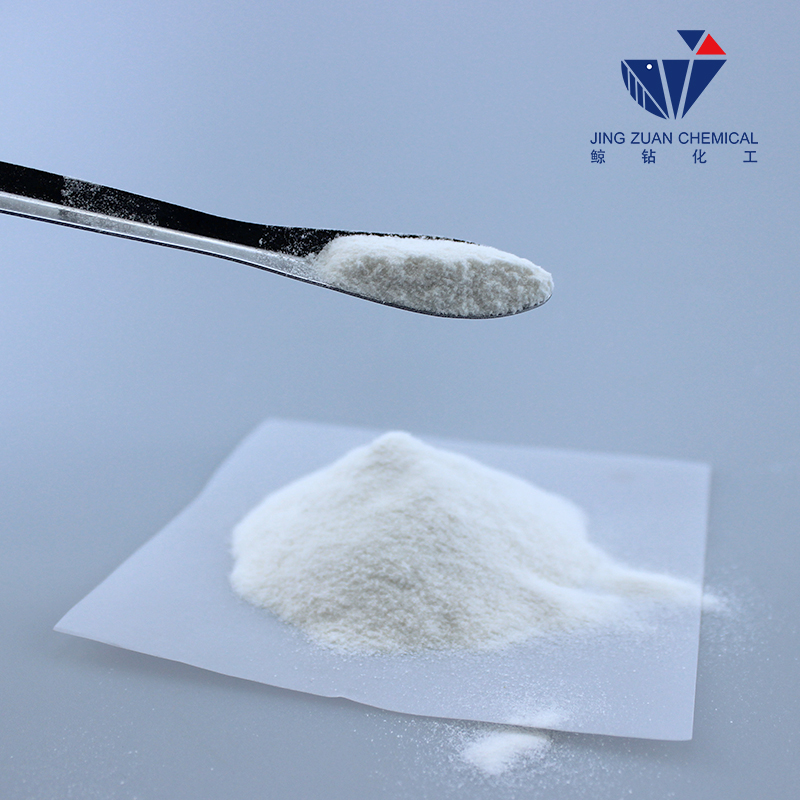
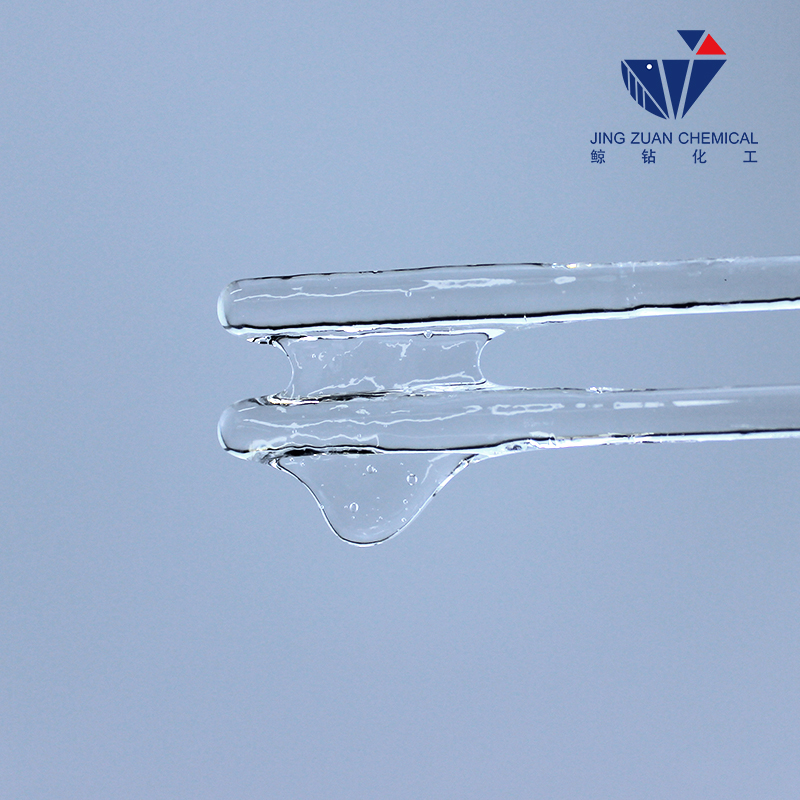
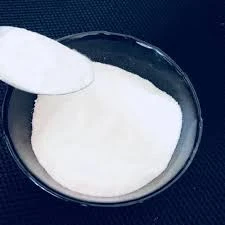
The chemical structure of Hydroxypropyl Methyl Cellulose consists of a cellulose backbone, which is modified through the introduction of hydroxypropyl and methyl groups. This modification enhances the solubility and functionality of the cellulose, allowing it to dissolve in cold water, which is a significant advantage over many other cellulose derivatives. HPMC is a white to off-white powder that is odorless and tasteless, making it an ideal ingredient for various products.
What is Hydroxypropyl Methyl Cellulose?
In the pharmaceutical industry, HPMC serves as a film-forming agent and is used in the formulation of tablets, capsules, and controlled-release drug delivery systems. Its biocompatibility and low toxicity make it suitable for human consumption, and it is often employed as a binder in tablet formulations, ensuring the uniform distribution of active ingredients. Additionally, HPMC is used in ophthalmic preparations due to its ability to maintain moisture, aiding in the treatment of dry eyes.
what is hydroxypropyl methyl cellulose
The cosmetic industry also benefits from HPMC’s unique properties. It is used as a thickening agent in creams, lotions, and gels, providing the desired consistency and texture. HPMC helps stabilize emulsions, preventing the separation of oil and water phases in cosmetic formulations, thereby enhancing product performance and shelf life.
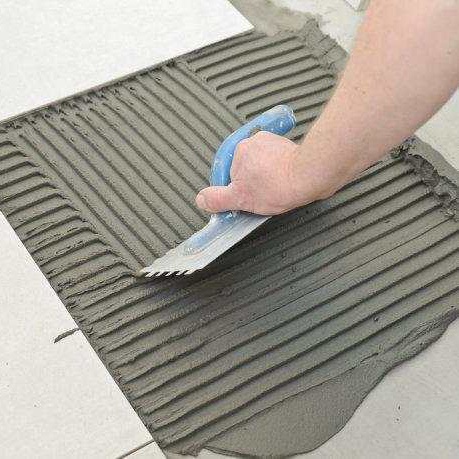
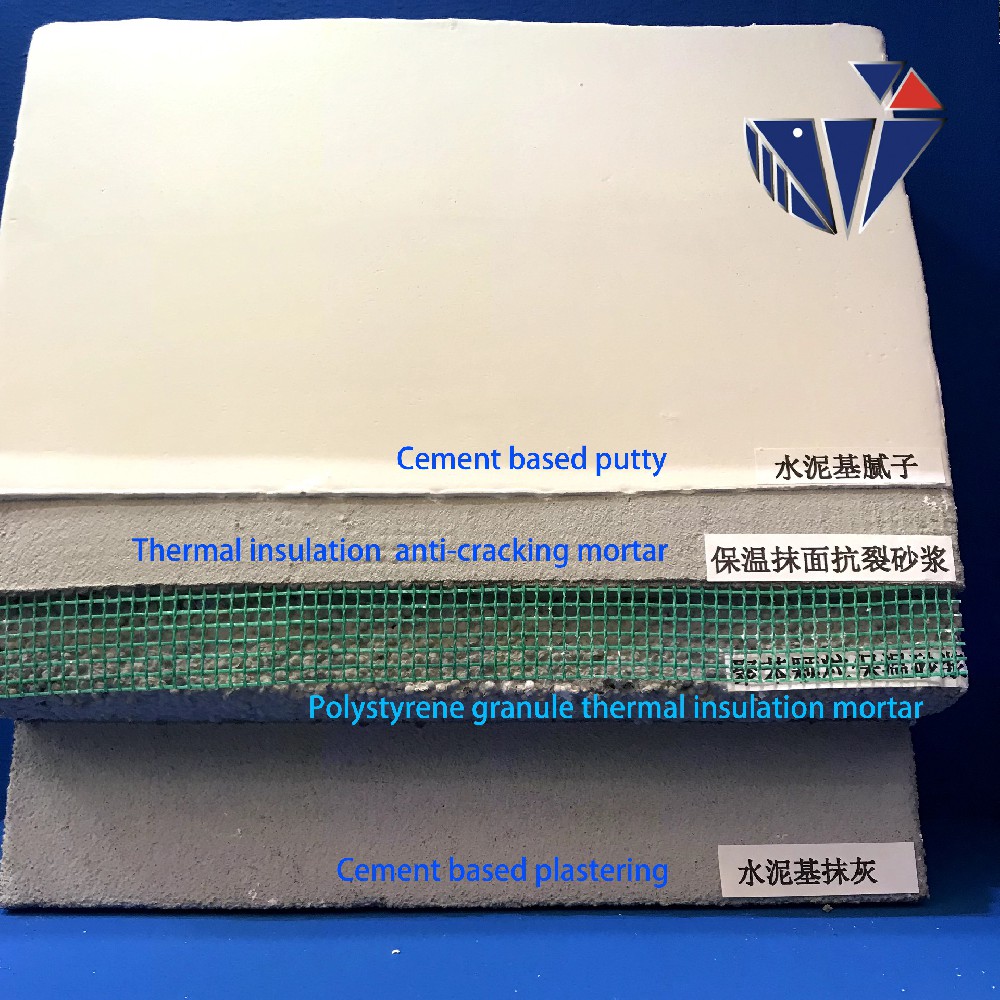
In the construction sector, HPMC is widely utilized in gypsum boards, tile adhesives, and cement mixtures. It improves workability, adhesion, and water retention, promoting the strength and durability of construction materials. Additionally, HPMC protects against shrinkage and cracking, ensuring the longevity of constructions.
Moreover, HPMC is increasingly gaining attention in the textile industry for its role in textile finishing and as a binding agent in the production of non-woven fabrics.
In conclusion, Hydroxypropyl Methyl Cellulose is a versatile and valuable compound with applications ranging from food and pharmaceuticals to cosmetics and construction. Its unique properties, such as solubility, thickening, and film-forming abilities, make it an essential ingredient in various formulations. As industries continue to evolve and seek innovative solutions, the demand for HPMC is expected to grow, solidifying its position as a key player in multiple sectors.
-
Understanding Hydroxypropyl Methyl Cellulose MSDS Safety and Compliance
NewsApr.16,2026
-
Understanding the Hydroxypropyl Methyl Cellulose HS Code for Global Trade
NewsApr.09,2026
-
Comprehensive Guide to Hydroxypropyl Methyl Cellulose CAS Number and Applications
NewsApr.07,2026
-
Comprehensive Guide to Hydroxypropyl Methyl Cellulose cas no and its Diverse Applications
NewsApr.04,2026
-
Comprehensive Guide to Hydroxypropyl Methyl Cellulose Manufacturers and Applications
NewsMar.31,2026
-
Understanding Hydroxypropyl Methyl Cellulose Properties And Diverse Applications
NewsMar.28,2026