
Nov . 15, 2024 09:00 Back to list
what is hydroxypropyl methyl cellulose
Understanding Hydroxypropyl Methyl Cellulose A Versatile Cellulosic Polymer
Hydroxypropyl Methyl Cellulose (HPMC), a derivative of cellulose, has gained significant attention in various industries due to its excellent properties and versatility. As a non-toxic, biodegradable material, HPMC is widely used in pharmaceuticals, food, cosmetics, and construction. This article delves into the structure, properties, applications, and benefits of HPMC, highlighting its importance in both industrial and consumer products.
What is HPMC?
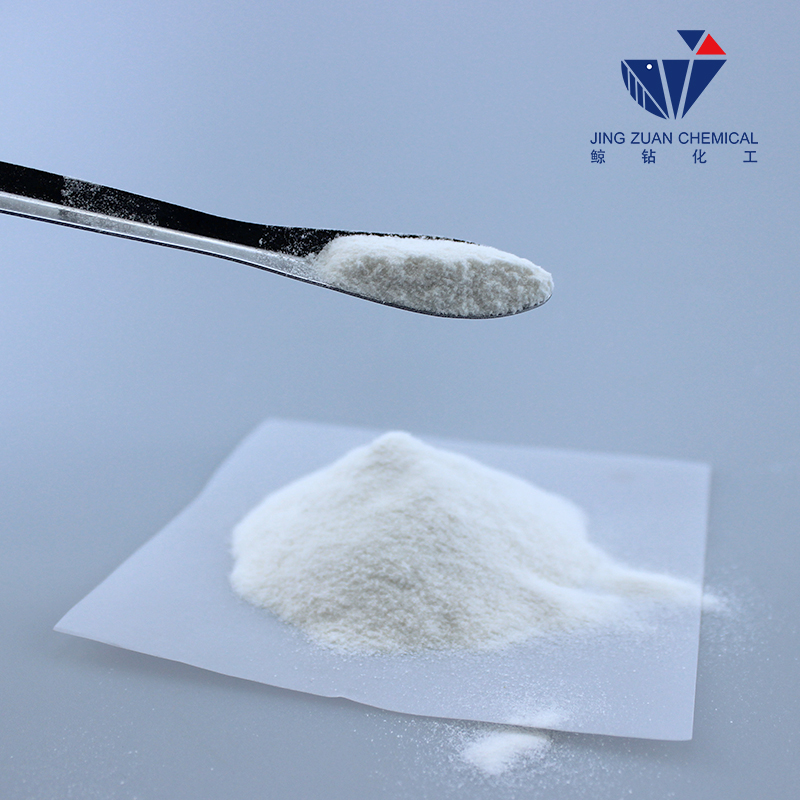
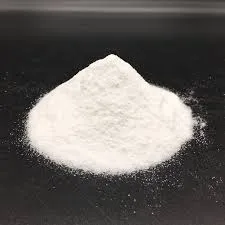
HPMC is a modified cellulose polymer produced by the chemical modification of cellulose, a natural polymer derived from plant cell walls. The modification involves the substitution of hydroxyl groups in the cellulose molecule with hydroxypropyl and methyl groups, which enhances its solubility in water and alters its rheological properties. HPMC appears as a white to off-white powder and is available in various viscosity grades, making it a highly adaptable substance for different applications.
Properties of HPMC
The unique properties of HPMC make it a valuable ingredient across various sectors. Key characteristics include
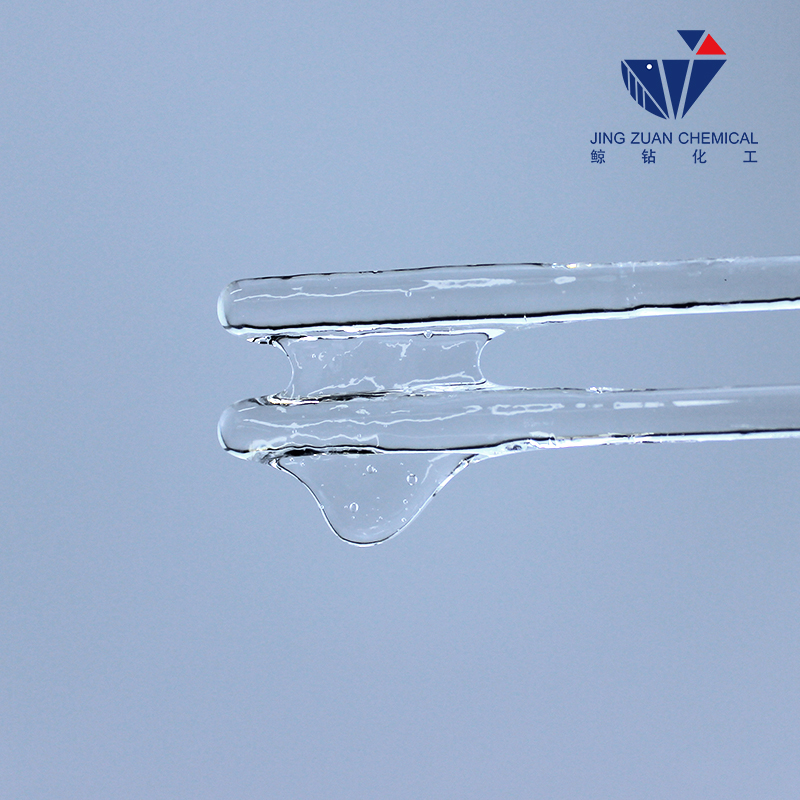
1. Water Solubility HPMC can dissolve in hot or cold water to form a transparent, viscous solution, making it suitable for use in aqueous formulations. 2. Thickening Agent Due to its high viscosity, HPMC is widely used as a thickening agent in products like paints, coatings, and cosmetic formulations.
3. Film-Forming Capability HPMC can form flexible and transparent films upon drying, which is beneficial in applications such as tablet coatings in pharmaceuticals.
4. Stabilizing and Emulsifying Properties HPMC serves as an effective emulsifier and stabilizer, ensuring uniform dispersion of ingredients in various formulations.
5. Non-Toxicity Being derived from natural cellulose, HPMC is considered safe for use in food and pharmaceutical products, making it a popular choice among manufacturers and consumers.
Applications of HPMC
what is hydroxypropyl methyl cellulose
The diverse properties of HPMC allow it to be utilized in numerous fields
1. Pharmaceuticals HPMC is widely used in the pharmaceutical industry as a binder in tablets, a coating agent, and a thickener in suspensions. Its ability to control the release of active ingredients makes it an ideal excipient in controlled-release formulations.
2. Food Industry In the food sector, HPMC is employed as a thickener, emulsifier, and stabilizer in products such as sauces, gravies, ice creams, and baked goods. It enhances texture and helps improve shelf life.
3. Cosmetics and Personal Care HPMC is commonly found in lotions, creams, and gels, where it acts as a thickening and stabilizing agent, ensuring a smooth and consistent product texture.
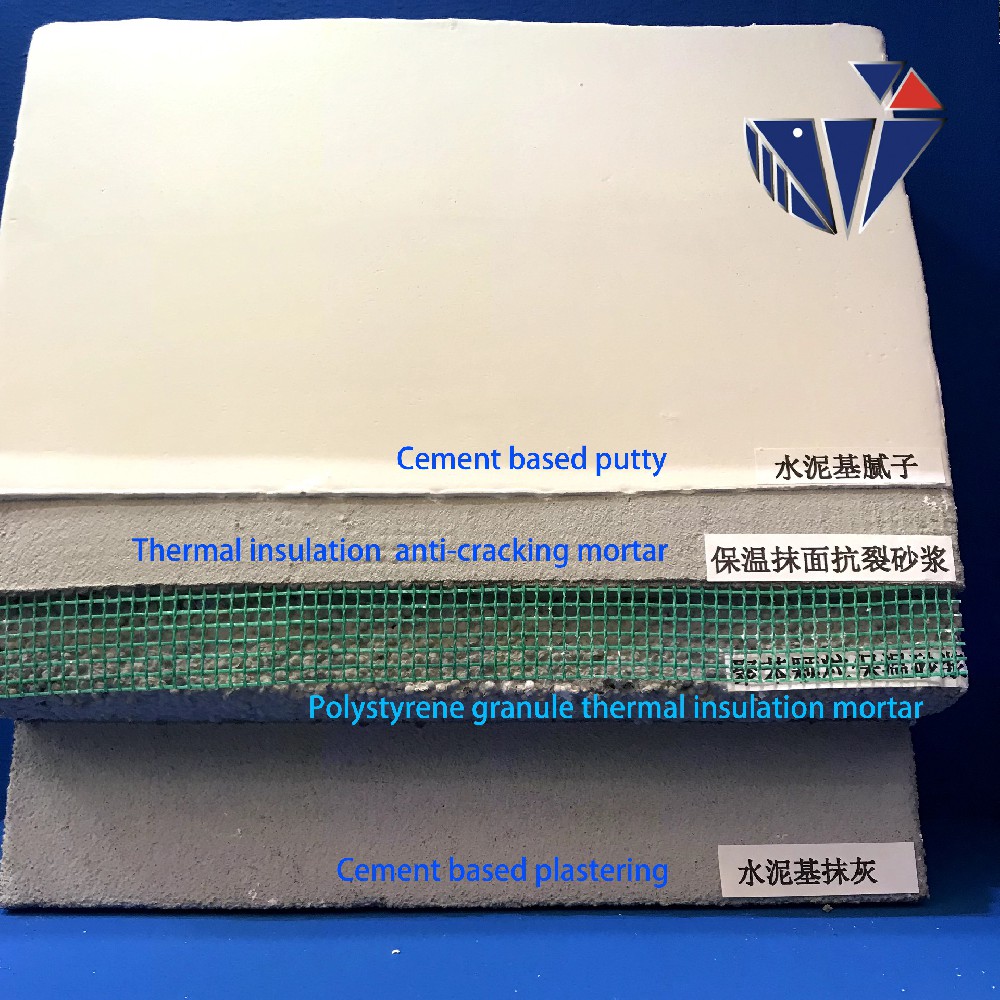
4. Construction Industry In construction applications, HPMC is used as an additive in cement-based formulations, improving workability, adhesion, and water retention in mortars and plasters.
5. Biotechnology HPMC is also employed in cell culture techniques as a protective agent to stabilize sensitive cells and enhance viability during the freezing and thawing processes.
Benefits of HPMC
The advantages of using HPMC are manifold
- Versatility Its adaptability makes it suitable for a wide range of products across various industries. - Environmental Friendliness Being a biodegradable material, HPMC contributes to sustainability efforts in many applications. - Safety Its non-toxic nature makes it a preferred choice for products meant for consumption or skin application. - Functionality HPMC enhances the performance and quality of products through its thickening, emulsifying, and binding properties.
Conclusion
Hydroxypropyl Methyl Cellulose stands out as a highly versatile polymer with a broad array of applications. Its unique properties and safety profile make it a valuable ingredient in pharmaceuticals, food, cosmetics, and construction. As industries continue to seek innovative and effective solutions, HPMC is likely to play an increasingly important role in product formulation and development, contributing to advancements across various fields. Understanding and harnessing the potential of HPMC can lead to enhanced product performance, improved consumer satisfaction, and a positive environmental impact.
-
Understanding Hydroxypropyl Methyl Cellulose MSDS Safety and Compliance
NewsApr.16,2026
-
Understanding the Hydroxypropyl Methyl Cellulose HS Code for Global Trade
NewsApr.09,2026
-
Comprehensive Guide to Hydroxypropyl Methyl Cellulose CAS Number and Applications
NewsApr.07,2026
-
Comprehensive Guide to Hydroxypropyl Methyl Cellulose cas no and its Diverse Applications
NewsApr.04,2026
-
Comprehensive Guide to Hydroxypropyl Methyl Cellulose Manufacturers and Applications
NewsMar.31,2026
-
Understanding Hydroxypropyl Methyl Cellulose Properties And Diverse Applications
NewsMar.28,2026