
Oct . 16, 2025 19:45 Back to list
Why Choose Cellosize HEC—Fast-Dissolving, High Viscosity?
What I’m Seeing With cellosize hec (Hydroxyethyl Cellulose) in 2025
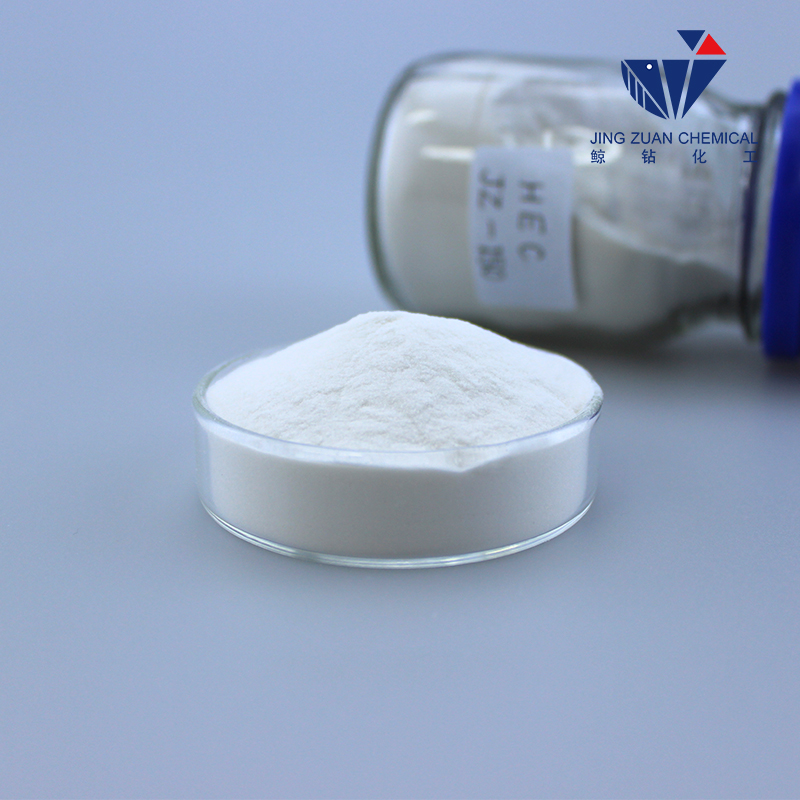
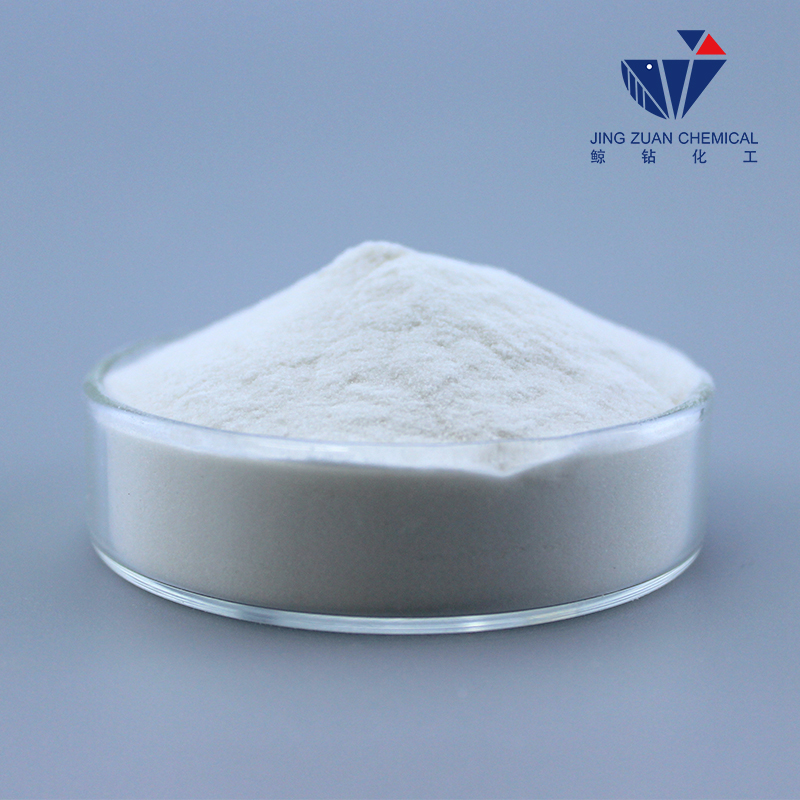
Hydroxyethyl cellulose (HEC) is having a moment—again. In waterborne coatings, personal care, and oilfield fluids, the material keeps showing up where stable viscosity, salt tolerance, and clean rheology matter. To be honest, the buyers I talk to are choosy: predictable viscosity curves, low ash, and consistent dissolution are make-or-break. That’s where modern cellosize hec grades are quietly winning.

Product snapshot and origin
Origin: NO.1 BUILDING, TECHNOLOGY CERTER, HIGH-TECH ZONE, SHIJIAZHUANG CITY, HEBEI PROVINCE, CHINA. The spec below is representative and, yes, real-world use may vary slightly with water quality and mixing energy.
| Parameter | Spec (approx.) |
|---|---|
| Chemical name | Hydroxyethyl cellulose (HEC) |
| Molecular formula | (C2H6O2)x |
| Viscosity | ≈ 50,000–100,000 mPa·s (typical grade window) |
| Moisture | ≤ 5% |
| Residue (ash) | ≤ 5% |
| Gel temperature | 62–70 °C |
| Shelf life | 24 months sealed, dry, 5–30 °C |
How it’s made (quick process flow)
Materials: purified cellulose pulp, NaOH (alkalization), ethylene oxide (etherification), water; optional surface treatment and biocide-in-package when specified.
- Alkalization of cellulose
- Etherification with ethylene oxide (controls MS and viscosity)
- Neutralization, washing, dehydration
- Drying, milling, sieving (mesh specification), dust control
- QC: moisture, ash, viscosity (Brookfield), pH, purity
- Packing: typically 25 kg multi-wall bags or big-bags
Where it’s used and why formulators care
- Architectural coatings: latex paints, primers—salt-tolerant thickening, sag control.
- Personal care: shampoos, shower gels—clean clarity, pleasant flow, stable foam.
- Oil & gas: drilling fluids—filtrate control, suspension stability in brines.
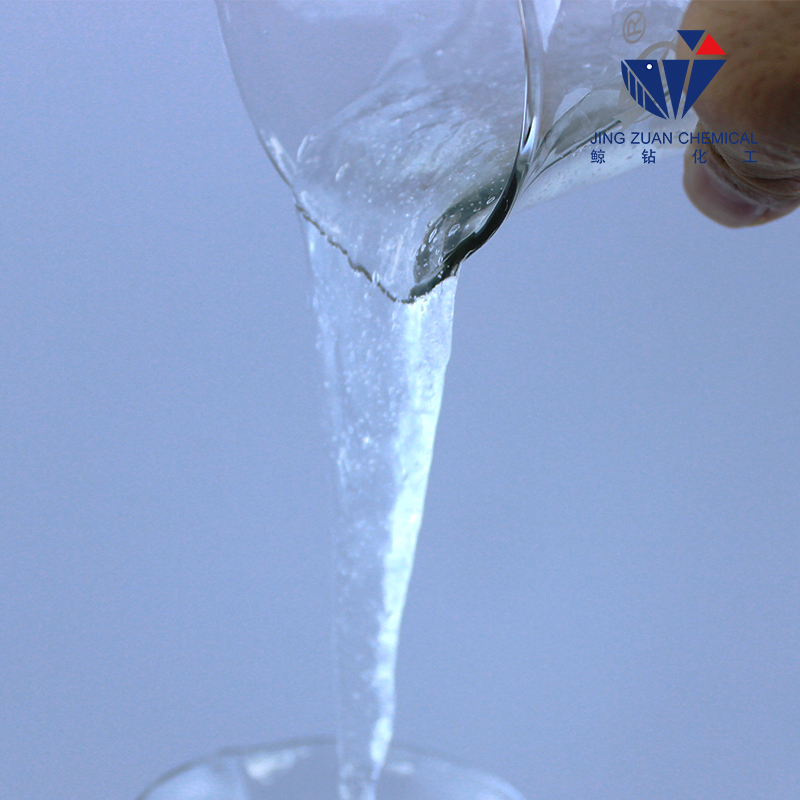
- Household cleaners: clear gels with good shear-thinning behavior.
Advantages I keep hearing about: fast wet-out options, predictable KU/Brookfield correlation, low odor, and stable rheology across pH 3–11. In fact, many customers say a well-selected cellosize hec grade reduces letdown headaches in high-PVC paints.
Vendor landscape (quick comparison)
| Vendor/Brand | Viscosity range | Ash (typ.) | Dissolution profile | Docs/Certs |
|---|---|---|---|---|
| CNJZ HEC | ≈ 50,000–100,000 mPa·s | ≤ 5% | Standard and fast-wet options | CoA; ISO docs on request |
| Dow Cellosize series | Wide (low to very high) | Low (grade-dependent) | Surface-treated, easy dispersion | Full regulatory package |
| Ashland Natrosol | Broad portfolio | Low | Optimized for coatings & care | Global compliance support |
I’d suggest matching grade to shear profile: high-build wall paints prefer higher molecular weight; cleaners and shampoos often like mid-vis grades for better clarity.
Testing, standards, and customization
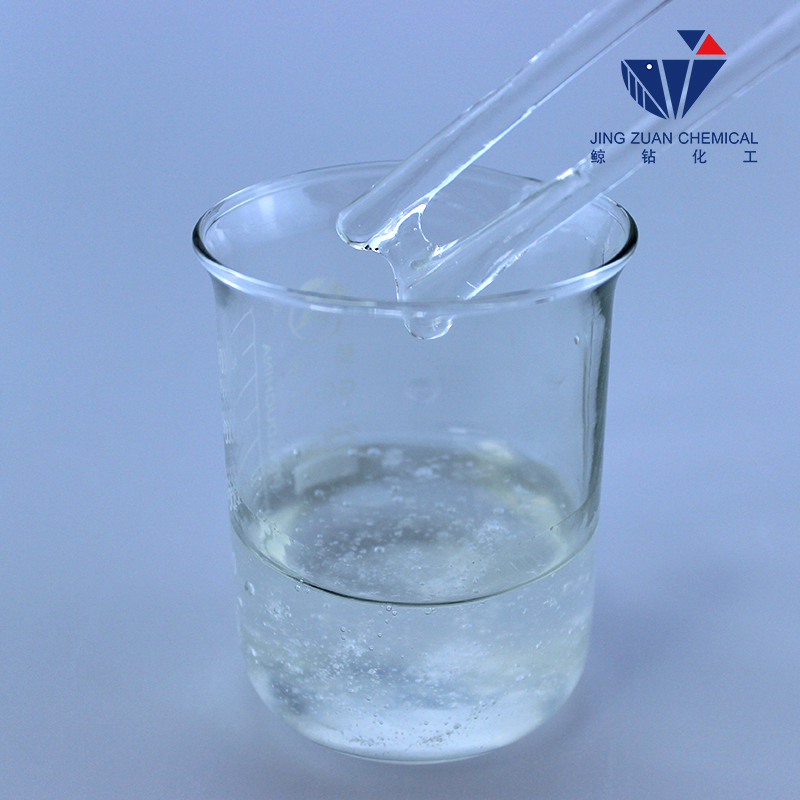
- Viscosity: Brookfield RV, 2% solution in DI water, 25 °C (ISO 2555; ASTM D2196).
- Moisture: oven-dry loss-on-drying; Ash: muffle furnace (per ISO/ASTM practices).
- Micro: TAMC/TYMC for personal care grades when required.
- Customization: particle size (200–325 mesh), surface treatment, biocide package, food/cosmetic contact documentation (where applicable).
Example lab data (typical, not a guarantee): 2% Brookfield RV, Spindle #3 @ 20 rpm, 25 °C → 78,000 mPa·s; Moisture 3.2%; Ash 1.1%. Customers report smooth letdown in medium-PVC acrylics—actually better than expected when water hardness is controlled.
Mini case notes
- Paint maker, SE Asia: switched to cellosize hec mid-vis grade; sag improved ~10% while roll spatter dropped noticeably.
- Personal care startup: clear body wash using cellosize hec achieved target viscosity at lower dosage vs. previous thickener—surprisingly stable across 5–8 pH.
Practical tips
- Disperse under good vortex, then allow full hydration before pH adjustments.
- Avoid high-shear for too long; you’ll nick molecular weight and lose build.
- Store sealed, cool, and dry; re-test viscosity after 18–24 months before critical use.
Citations
- ISO 2555: Plastics—Determination of apparent viscosity by Brookfield viscometer.
- ASTM D2196: Rheological Properties of Non-Newtonian Materials by Rotational Viscometer.
- USP–NF Monograph: Hydroxyethylcellulose (quality and testing guidance).
- OECD 301: Ready Biodegradability (environmental screening reference).
-
Understanding Hydroxypropyl Methyl Cellulose MSDS Safety and Compliance
NewsApr.16,2026
-
Understanding the Hydroxypropyl Methyl Cellulose HS Code for Global Trade
NewsApr.09,2026
-
Comprehensive Guide to Hydroxypropyl Methyl Cellulose CAS Number and Applications
NewsApr.07,2026
-
Comprehensive Guide to Hydroxypropyl Methyl Cellulose cas no and its Diverse Applications
NewsApr.04,2026
-
Comprehensive Guide to Hydroxypropyl Methyl Cellulose Manufacturers and Applications
NewsMar.31,2026
-
Understanding Hydroxypropyl Methyl Cellulose Properties And Diverse Applications
NewsMar.28,2026