
Oct . 08, 2025 22:40 Back to list
Why choose HPMC for Tile Adhesive: Strong Bond & Open Time?
What pros really look for in hpmc for tile adhesive
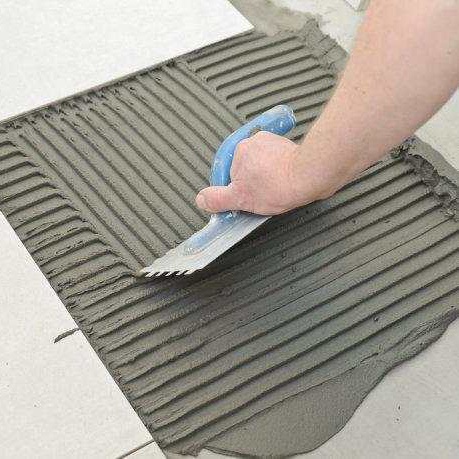
I spend a lot of time on job sites and in labs, and—honestly—the gap between a “decent” tile mortar and a great one often comes down to cellulose ether choice and tuning. In wall work, large-format porcelain, even heated floors, the right HPMC blend can save headaches, callbacks, and money.
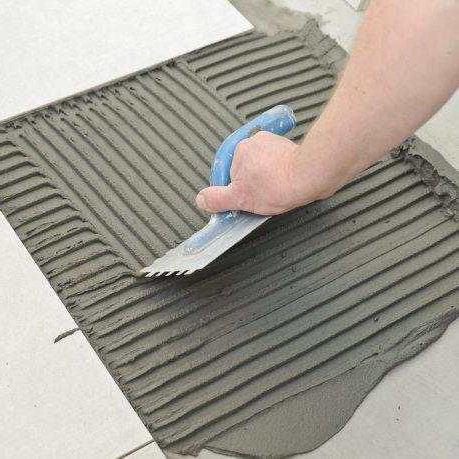
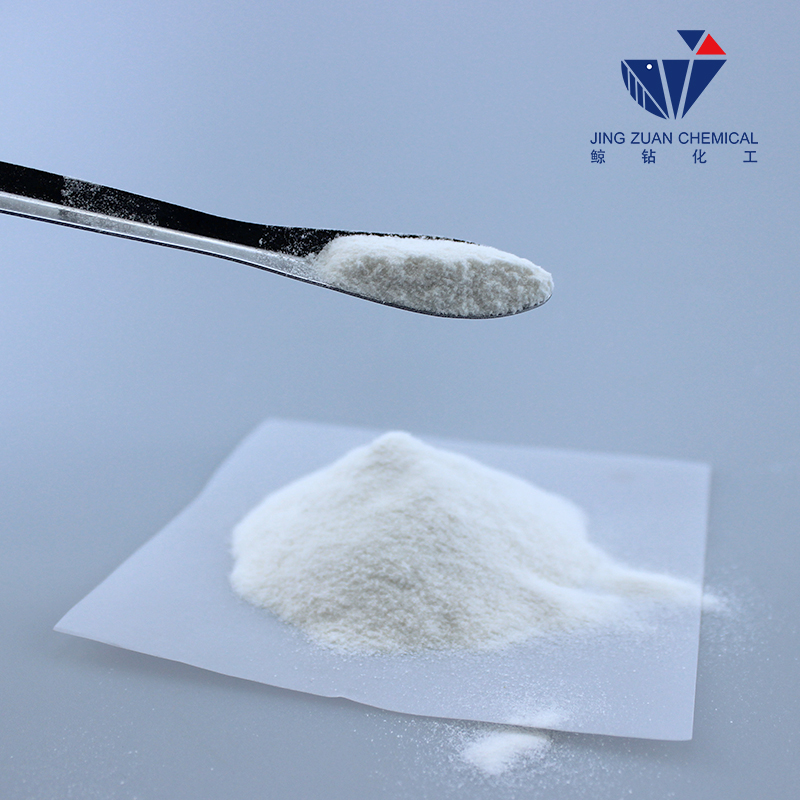
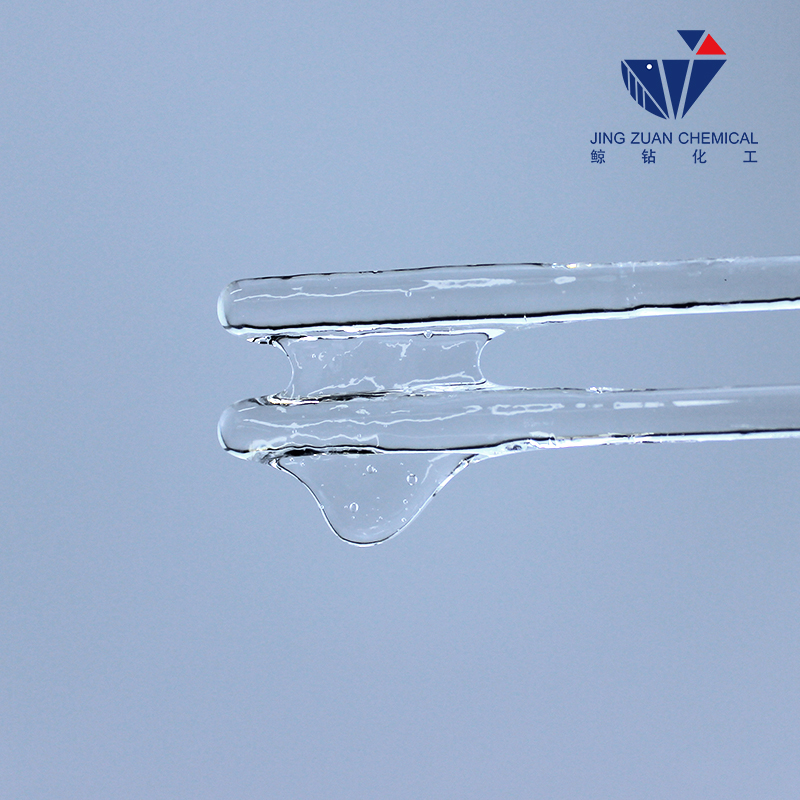
Product snapshot: TILE BONDING ADDITIVES (HPMC blend)
Origin: NO.1 Building, Technology Center, High-Tech Zone, Shijiazhuang City, Hebei, China. Updated: 2019-09-18. It’s a mixture tailored for dry-mix mortars—tile adhesives in particular. Many customers say it’s “forgiving” during application, which, to be honest, is what installers really want on a hot afternoon.
| Property | Typical value (≈, real-world use may vary) |
| Brookfield viscosity (2% sol, 20°C) | 40,000–75,000 mPa·s |
| Moisture | ≤5% |
| Methoxy / Hydroxypropyl | 19–24% / 4–12% |
| Gel temperature | 60–75°C |
| pH (1% sol) | 6.5–8.5 |
| Water retention in mortar | ≥95% |
| Recommended dosage | 0.2–0.6% by cementitious weight |
| Open time extension | +10–20 min per EN 1346 |
| Slip resistance | ≤0.5 mm (vertical) |
Where it shines
- Large-format porcelain on walls (better sag control)
- Hot/dry climates—open time and water retention are critical
- Gypsum board or lightweight blocks needing controlled wetting
- Exterior façades with windy conditions; reduced premature skinning
Process flow (how pros build a stable mix)
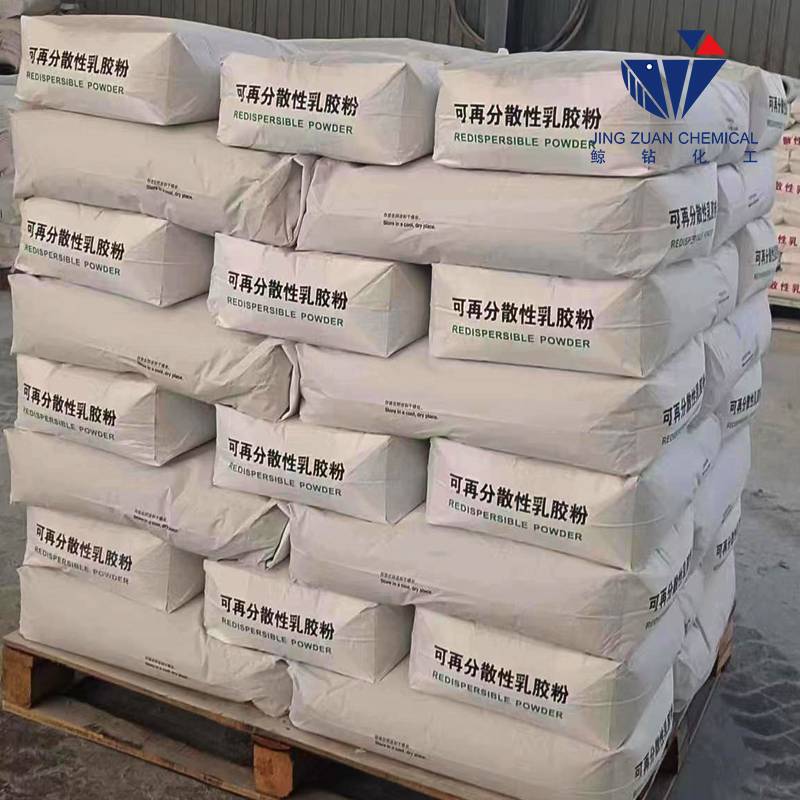
Materials: cement (CEM I 42.5R or similar), graded sand, polymer (RDP), hpmc for tile adhesive, defoamer, optional cellulose fiber.
- Dry blending: 3–5 min high-shear. Screen to 100 mesh where needed.
- QC on powder: moisture, bulk density, flowability.
- Lab mortar: EN 12004/ISO 13007 tests—open time (EN 1346), tensile adhesion (EN 1348), slip, pot life.
- Field validation: 1–2 m² mock-up, 48 h cure, then shear pull-off.
Service life and handling: pot life ≈ 2–4 h; open time ≥ 30 min; shelf life of the dry mix ~12 months sealed and dry. I guess most failures I see come from mixing water variance—so weigh it.
Vendor comparison (quick, candid view)
| Vendor | Viscosity consistency | Water retention | Setting-time control | Certs | Notes |
| JZ Chemical TILE BONDING ADDITIVES (CN) | Tight (±5–8%) | High (≥95%) | Balanced, easy trowel | ISO 9001 | Good value, fast lead times |
| EU Blend A | Very tight (±3–5%) | Very high | Premium control | ISO 14001 | Higher cost |
| APAC Budget B | Moderate (±10–12%) | Medium | May vary | — | Cost-first, test carefully |
Customization options
- Viscosity grades for pumpability vs. sag resistance
- Delayed-dissolution version to cut lumping in fast mixers
- High-retention grade for hot climates; retarded set synergy
Field notes and mini case studies
Riyadh façade, summer: switching to hpmc for tile adhesive with higher gel temp held open time near 35 min; callbacks dropped to zero that season. A contractor in Warsaw told me the “buttery” spread reduced installer fatigue on 60×120 tiles. Pool refurbishment in Shenzhen: pairing with RDP at 3% delivered tensile adhesion ≈1.1 N/mm² (28 d, EN 1348) after full immersion—surprisingly robust.
Testing & compliance
Benchmark to ISO 13007 / EN 12004 (C1/C2, extended open time E, slip S1 considerations). For raw polymer, reference ASTM C1660 for cellulose ethers. In China, JC/T 1024 guides cellulose in dry-mix mortars. Always report EN 1346 open time and EN 1348 tensile adhesion—specifiers ask first.
References:
- ISO 13007 / EN 12004: Ceramic tiles—adhesives classification and test methods.
- EN 1346 & EN 1348: Determination of open time and tensile adhesion strength.
- ASTM C1660: Standard Specification for Hydroxypropyl Methylcellulose for Cement-Based Applications.
- JC/T 1024: Cellulose ethers for dry-mixed mortar (China industry standard).
-
Understanding Hydroxypropyl Methyl Cellulose MSDS Safety and Compliance
NewsApr.16,2026
-
Understanding the Hydroxypropyl Methyl Cellulose HS Code for Global Trade
NewsApr.09,2026
-
Comprehensive Guide to Hydroxypropyl Methyl Cellulose CAS Number and Applications
NewsApr.07,2026
-
Comprehensive Guide to Hydroxypropyl Methyl Cellulose cas no and its Diverse Applications
NewsApr.04,2026
-
Comprehensive Guide to Hydroxypropyl Methyl Cellulose Manufacturers and Applications
NewsMar.31,2026
-
Understanding Hydroxypropyl Methyl Cellulose Properties And Diverse Applications
NewsMar.28,2026