
Nov . 29, 2025 22:35 Back to list
A Comprehensive Guide to HPMC Viscosity Grades and Their Industrial Impact
Unlocking the World of HPMC Viscosity Grades: Why It Truly Matters
Hydroxypropyl methylcellulose, or HPMC, may sound like a mouthful of chemist jargon, but its viscosity grades play a surprisingly crucial role in industries worldwide. Understanding hpmc viscosity grades isn’t just for specialists in polymer science; it’s a key to unlocking better building materials, pharmaceutical coatings, and even advancing sustainable manufacturing methods globally.
Why the fuss? Well, the viscosity of HPMC affects how it performs — be it as a thickener, film former, or binder. Picking the right grade is like choosing the right gear for a bike ride: it directly influences outcomes like durability, ease of application, and flexibility. With billions depending on infrastructure and reliable products daily, knowing these grades has a ripple effect on quality and innovation.
HPMC Viscosity Grades in a Global Context: More Than Just Numbers
According to the International Organization for Standardization (ISO), the global consumption of cellulose ethers — including hydroxypropyl methylcellulose — has steadily risen, with applications spanning from construction to pharmaceuticals. The World Bank highlights emerging markets in Asia and Africa as hotspots for industrial materials demand, amplifying the importance of versatile polymers like HPMC.
But here’s the kicker: many regions struggle with inconsistent material quality due to the lack of standardized viscosity grading. This results in construction delays, compromised product quality, or costly waste. So, understanding the nuances behind hpmc viscosity grades is not just a technical footnote but a global challenge.
What Are HPMC Viscosity Grades? A Clear and Simple Explanation
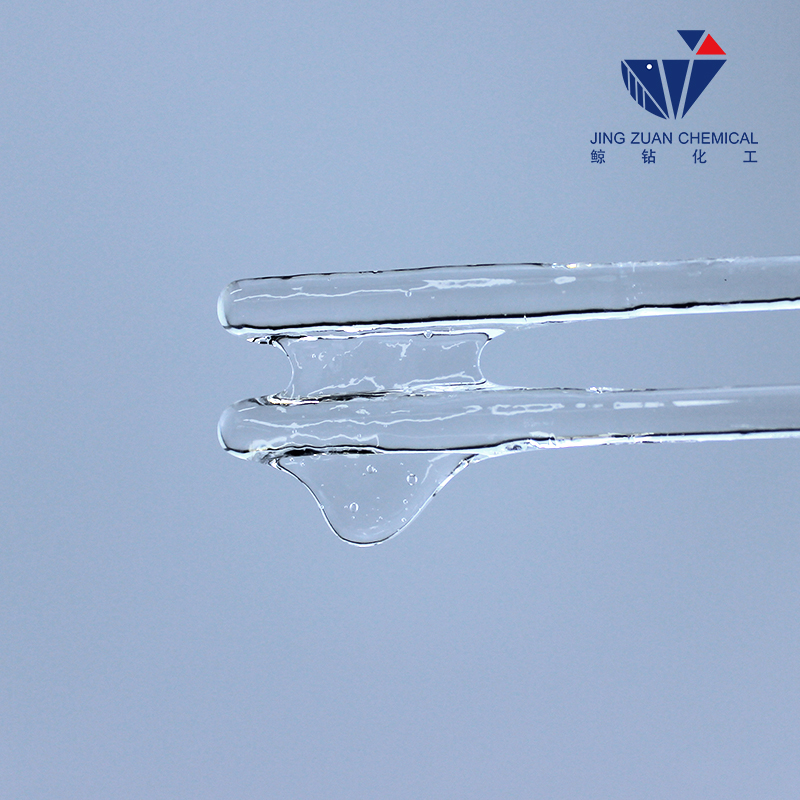
In essence, viscosity grades of HPMC categorize the polymer's resistance to flow when dissolved in water or other solvents. Imagine pouring honey vs. water; honey’s high viscosity means it flows slowly, whereas water is much thinner. Similarly, HPMC with a high viscosity grade is thicker and forms more viscous solutions.
These grades determine how an HPMC product will behave during mixing, spreading, or drying. For industries, this is critical: too thin, and the material might not bind well; too thick, and it might cause problems in processing or application. It’s a balance that impacts industries from cement additives to pharmaceutical controlled-release coatings.
Key Factors Behind HPMC Viscosity and Why They Matter
1. Molecular Weight
This is the primary driver behind viscosity. Higher molecular weight HPMC produces higher viscosity solutions. Simply put: larger molecules tangle more, making flows slower.
2. Substitution Degree
The extent to which hydroxyl groups on cellulose are replaced by hydroxypropyl and methyl groups affects solubility and viscosity. Different grades have varying levels to target specific applications.
3. Concentration in Solution
The more HPMC in water, the thicker the solution. Often, viscosity grades are referenced at fixed concentrations like 2% or 4%, to standardize measurements.
4. Temperature
Viscosity decreases as temperature rises, which influences processing conditions. This means the same HPMC grade might behave differently in tropical vs. cold climates.
5. Application Needs
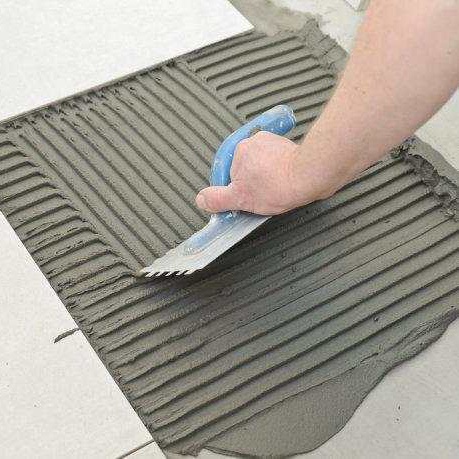
For example, tile adhesives need high viscosity for strong adhesion, whereas pharmaceuticals may need lower viscosity for controlled drug release films.
How Industries Worldwide Apply HPMC Viscosity Grades
Some might think HPMC is all lab coat and no real-world punch. But honestly? It’s everywhere.
- Construction: In regions like the Middle East and Southeast Asia, high-viscosity HPMC enhances tile adhesives, improving bond strength under humid and hot conditions.
- Pharmaceuticals: Europe and North America lead in using varied viscosity grades for controlled drug release capsules and tablet coatings.
- Food Industry: Countries with advanced food processing technologies utilize HPMC as stabilizers and thickeners, tweaking viscosity grades for texture optimization.
- Cosmetics: Japan and South Korea employ specific viscosity grades to create smooth gels and lotions praised worldwide.
- Disaster Relief Housing Materials: In post-disaster relief operations, certain viscosity grades improve the performance of cement-based quick-setting materials ensuring faster shelter assembly and durability.
Oddly enough, remote industrial zones, from Australian mines to African infrastructure projects, depend on HPMC standards to guarantee operational success despite challenging environments.
Product Specification Table: Typical HPMC Viscosity Grades
| Grade | Viscosity Range (mPa·s at 2% 20°C) | Molecular Weight Range | Common Uses |
|---|---|---|---|
| Standard Grade | 1000 - 3000 | Low to medium | Tablet coatings, food additives |
| High Viscosity Grade | 3000 - 10,000 | Medium to high | Tile adhesives, cement additives |
| Ultra High Grade | >10,000 | High | Specialty coatings, advanced pharmaceuticals |
The Many Advantages of Choosing the Right HPMC Viscosity Grade
Long gone are the days when thicker was simply “better.” The right balance of viscosity offers:
- Cost Efficiency: Optimizing viscosity reduces waste and rework — a boon especially in large-scale production.
- Sustainability: Some advanced grades enable formulations with less synthetic additives, promoting greener industries.
- Reliability: Consistency in viscosity grade means products perform as expected — crucial in pharma and construction safety.
- Social Impact: Think about emergency housing or medical supplies that depend on these materials. Reliability here translates to dignity and safety for vulnerable communities.
Frankly, when you see how commonplace HPMC products are, that reliability feels like an invisible handshake between makers and users.
Future Trends Shaping HPMC Viscosity Grades
Like all materials in the 21st century, HPMC is evolving — mostly nudged by digital transformation and green innovation. Companies are exploring bio-based modifications to enhance biodegradability and reduce environmental impact. Automated viscosity testing with AI-driven quality control is on the rise, ensuring tighter specs and less human error.
Meanwhile, emerging policies prioritize sustainable supply chains and reduced chemical footprints, pushing R&D toward viscosity grades that balance performance with eco-friendliness. Frankly, it’s an exciting time to watch this “hidden” polymer work its magic behind the scenes.
Challenges and Smart Solutions in Managing HPMC Viscosity Grades
Now, the story isn’t all smooth sailing. Challenges persist, such as batch variability, supply chain disruptions, and the tricky relationship between temperature fluctuations and viscosity consistency. These can cause delays or inconsistent product behavior.
Innovative steps include better raw material sourcing, multi-point viscosity testing throughout production, and tailored grade blends to suit regional climates — techniques many industry leaders swear by.
Comparing Vendors: Choosing Your Trusted HPMC Partner
| Vendor | Viscosity Range Offered | Quality Certifications | Lead Time | Additional Services |
|---|---|---|---|---|
| CNJZ Chemical | 1000 - 15000 mPa·s | ISO 9001, SGS | 2-4 weeks | Technical Support, Custom Blends |
| Global Cellulose Co. | 800 - 12000 mPa·s | ISO 9001 | 3-5 weeks | R & D Collaboration |
| EcoPolymer Ltd. | 1500 - 11000 mPa·s | ISO 14001 | 2-3 weeks | Sustainability Consulting |
FAQs: What You’re Really Wondering About HPMC Viscosity Grades
- Q1: How do I know which HPMC viscosity grade is best for my tile adhesive project?
- If your project requires excellent adhesion and moisture resistance, a high viscosity grade (3000-10,000 mPa·s) is usually recommended. It ensures better thickening and bonding properties. However, always consult your material supplier for a tailored recommendation based on substrate and climate conditions.
- Q2: Can changes in temperature affect the performance of my chosen HPMC viscosity grade?
- Definitely. Viscosity decreases as temperature rises, so a grade that performs well in cold areas might thin out in tropical climates. Adjusting grade or formulation is key to ensuring consistent application and final product durability.
- Q3: Are there environmental-friendly options when it comes to HPMC viscosity grades?
- Yes, more suppliers are offering bio-modified HPMC grades that boost biodegradability and reduce reliance on synthetic additives. These options align with tightening environmental regulations globally and are becoming more accessible.
- Q4: What role does HPMC viscosity grade play in pharmaceutical coatings?
- Viscosity determines how evenly and controllably the coating can be applied. Lower viscosity grades allow smoother films that can control drug release rates, critical in ensuring safety and efficacy.
Wrapping Up: Why Understanding HPMC Viscosity Grades Is a Must
When you look at the big picture, hpmc viscosity grades are far more than a lab measurement — they’re integral to making products that meet international quality standards, support sustainable development, and provide safety and dignity across industries. From the skyscraper under construction to that vital pharmaceutical pill you rely on, the right viscosity grade quietly does its job.
If you’re keen on diving deeper or sourcing reliable products, visit our website. It’s a pretty good start to mastering the art and science behind HPMC and all its grades.
References
-
Understanding Hydroxypropyl Methyl Cellulose MSDS Safety and Compliance
NewsApr.16,2026
-
Understanding the Hydroxypropyl Methyl Cellulose HS Code for Global Trade
NewsApr.09,2026
-
Comprehensive Guide to Hydroxypropyl Methyl Cellulose CAS Number and Applications
NewsApr.07,2026
-
Comprehensive Guide to Hydroxypropyl Methyl Cellulose cas no and its Diverse Applications
NewsApr.04,2026
-
Comprehensive Guide to Hydroxypropyl Methyl Cellulose Manufacturers and Applications
NewsMar.31,2026
-
Understanding Hydroxypropyl Methyl Cellulose Properties And Diverse Applications
NewsMar.28,2026