
Nov . 29, 2025 21:00 Back to list
Comprehensive Guide to HPMC Viscosity: Industrial Uses and Global Impact
Understanding HPMC Viscosity: What It Is and Why It Matters Globally
In the world of industrial polymers and construction materials, hpmc viscosity often pops up as a critical specification. But what exactly is it? Hydroxypropyl methylcellulose (HPMC) viscosity relates to the thickness or flow behavior of aqueous solutions containing this versatile cellulose ether. Simply put, it’s a measure of how “thick” or “fluid” these solutions are under certain conditions. Why should the global industry care? Because controlling viscosity is key for everything from drywall compounds to pharmaceutical gels and even modern food products. Getting it right ensures product quality, stability, and safety — a kind of silent guardian in many sectors worldwide.
Understanding HPMC viscosity is not just an academic exercise. In organizations ranging from construction companies in Europe to pharmaceutical giants in North America and humanitarian agencies deploying rapid construction solutions in Asia, this property often determines success or costly failures. It’s an unsung hero that meets the growing demand for durability, sustainability, and efficiency across industries.
The Global Context: Why HPMC Viscosity Is Gaining Worldwide Attention
Globally, industries are under pressure to improve material performance while cutting costs and carbon footprints. The United Nations Environment Programme (UNEP) and ISO have emphasized circular economy principles that encourage materials optimized for functionality and sustainability. It turns out, controlling polymers’ rheology — and by extension HPMC viscosity — can significantly improve production efficiency and reduce waste.
According to the International Energy Agency (IEA), improving materials in construction alone can reduce global energy consumption by over 20% by 2030. HPMC viscosity, by enhancing plaster and cement paste performance, feeds directly into this goal. Yet, many manufacturers still face challenges adjusting viscosity consistently due to raw material variability or process differences, making it an ongoing problem.
Think of it like baking bread — too thick or too fluid dough ruins the loaf. Similarly, wrong viscosity settings can compromise a product’s stability, lifespan, or application ease. This is especially true in demanding environments prone to humidity changes or extreme temperatures.
What is HPMC Viscosity? Breaking It Down
Hydroxypropyl methylcellulose (HPMC) is a cellulose derivative commonly used as a thickener, emulsifier, and film-former. Viscosity in this context is how resistant its aqueous solution is to flow — technically, a shear-dependent property often measured in millipascal-seconds (mPa·s).
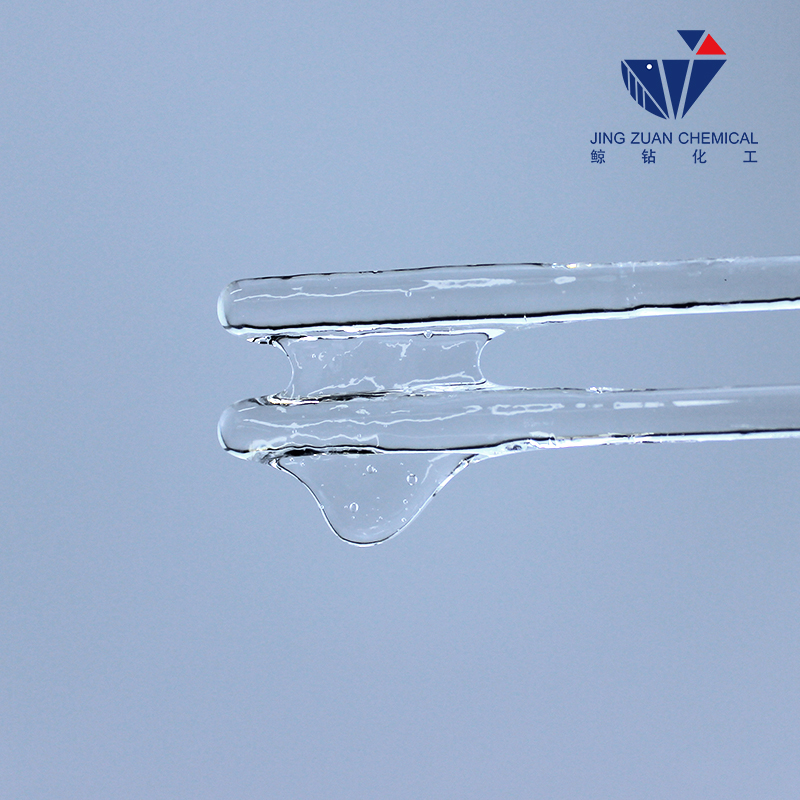
When dissolved in water, HPMC forms a gel-like network influenced by molecular weight, degree of substitution, temperature, and concentration. That viscosity can be tweaked to suit specific needs. For instance, a higher viscosity HPMC can stabilize paint better or make drywall adhesives more workable without slumping.
This property makes HPMC invaluable not just in construction but also in pharmaceuticals (slow-release tablets), cosmetics, and even food processing. It’s a bridge between chemical science and practical applications that billions rely on every day.
Core Components Affecting HPMC Viscosity
Molecular Weight
The bigger the polymer chains in HPMC, the higher the viscosity. Long chains entangle more in solution, creating resistance to flow. Engineers select molecular weights strategically to hit target viscosities.
Degree of Substitution
This refers to how many hydroxyl groups on cellulose are replaced by hydroxypropyl and methyl groups. Higher substitution usually changes solubility and viscosity profiles, offering tailorability.
Concentration in Solution
More polymer dissolved equals higher viscosity, but not always linearly. At certain points, solutions become “gel-like,” changing their processing characteristics dramatically.
Temperature
Since HPMC solutions have thermogelling properties, their viscosity can shift with temperature — sometimes suddenly. This is crucial in applications exposed to seasonal changes.
Shear Rate
Viscosity depends on how much force is applied. HPMC solutions often show pseudoplasticity — thinning under shear (like brushing paint) which improves workability while maintaining stability at rest.
Real-World Applications of HPMC Viscosity
HPMC viscosity qualifies HPMC for a range of critical roles:
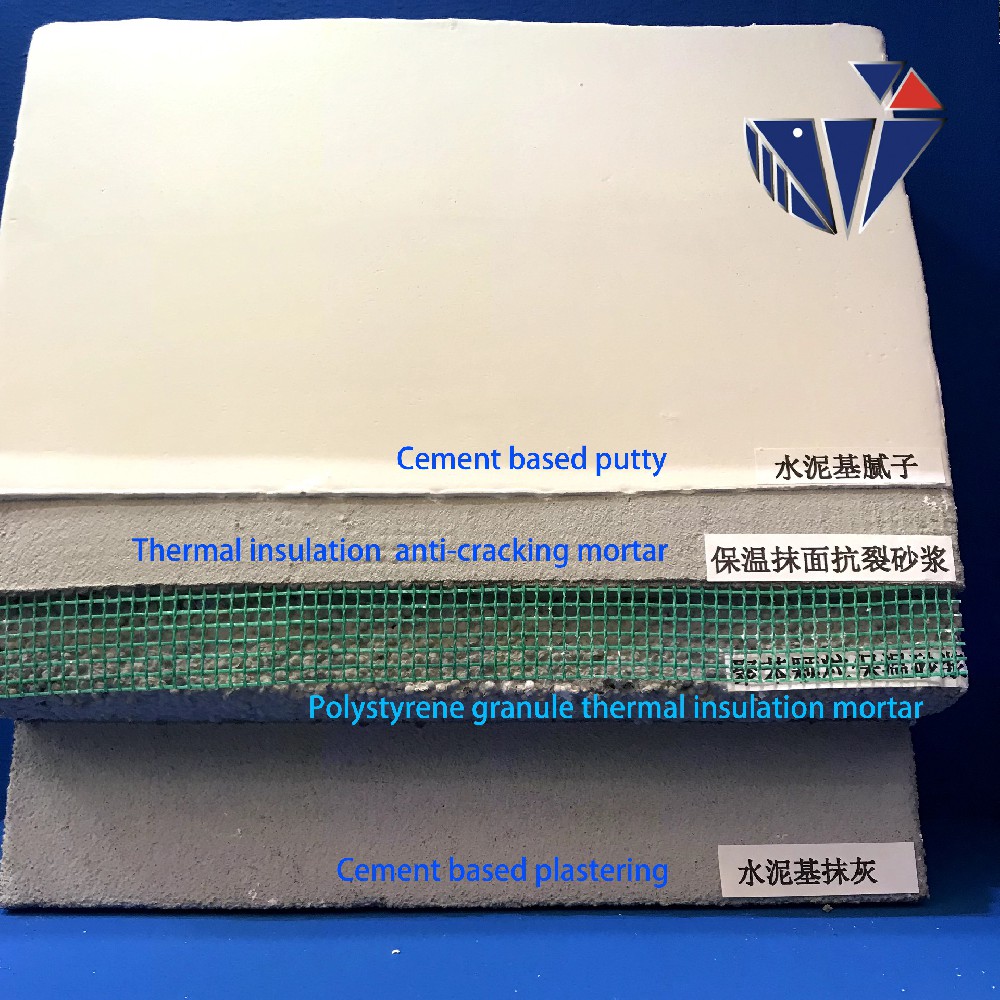
- Construction & Plastering: Ensures smooth application and adhesion of plaster, cement, and tile adhesives.
- Pharmaceuticals: Controls release profiles in capsules or tablets.
- Food Industry: Acts as a stabilizer and thickener in gluten-free, low-fat products.
- Cosmetics: Produces creamy textures in lotions and gels.
- Humanitarian Aid: In disaster relief, specialized HPMC-based materials allow rapid-setting external coatings to protect shelters from rain and dust.
For example, in Southeast Asia flood relief zones, construction firms apply HPMC-modified binders that resist humidity changes, extending shelter longevity. Similarly, pharma manufacturers in Europe optimize HPMC viscosity to produce sustained-release pills reducing dosing frequency — a win for patient compliance.
Product Specification Table: Typical HPMC Viscosity Grades
| Grade | Viscosity (mPa·s) | Application | Temperature Range (°C) |
|---|---|---|---|
| HPMC 3K | 3000 ± 500 | Tile adhesives, plasters | 5–40 |
| HPMC 10K | 10000 ± 1000 | High-performance binders, pharmaceuticals | 10–45 |
| HPMC 15K | 15000 ± 1500 | Cosmetics, specialty coatings | 15–50 |
How Do Vendors Stack Up? A Quick Comparison
| Vendor | Viscosity Control | Sustainability Focus | Global Reach | Price Competitiveness |
|---|---|---|---|---|
| Vendor A | Excellent (tight specs) | Moderate | Global (50+ countries) | Premium |
| Vendor B | Good (some variability) | High (bio-based) | Regional (Asia, Europe) | Mid-range |
| Vendor C | Fair (wider range) | Low | Emerging markets focus | Budget |
Advantages and Long-Term Value of Optimized HPMC Viscosity
Properly tuned HPMC viscosity directly translates to operational benefits:
- Cost Efficiency: Reduced waste and rework during production.
- Sustainability: Enhanced material lifespan means less frequent replacements, cutting resource use.
- Social Impact: Reliable materials that withstand challenging environments protect livelihoods and safety.
- Innovation Edge: Enables development of advanced drug delivery or eco-friendly coatings.
Plus, on a human level, products incorporating HPMC with reliable viscosity provide peace of mind. When an emergency shelter stands strong or a tablet releases medication predictably, it builds trust that technology and science are working for the common good.
What Does the Future Hold? Trends Shaping HPMC Viscosity Use
New frontiers like digital rheology profiling, AI-based formulation models, and green chemistry approaches are shifting how we think about viscosity control. HPMC viscosity grades are becoming more refined, enabling tailored solutions that reduce energy use in manufacturing and match the push for biodegradable, circular materials.
Automation in mixing and testing shortens time-to-market, and several startups are exploring bio-sourced cellulose ethers that compete directly with traditional HPMC. These innovations will reshape industries and might feel like a quiet revolution beneath everyday products.
Current Challenges and Expert Solutions
Despite advances, many producers face issues like batch-to-batch viscosity variability or sensitivity to environmental factors. Experts recommend:
- Continuous Quality Monitoring: Using real-time viscometers in production lines.
- Supplier Vetting: Ensuring raw materials meet consistent chemical profiles.
- Process Adjustments: Tweaking temperature or shear conditions to compensate for variability.
Such approaches don’t eliminate challenges but transform them into manageable variables — essential in today’s demand for high-quality, consistent products.
FAQ: Common Questions About HPMC Viscosity
Q1: How does HPMC viscosity affect the workability of construction materials?
A: Higher HPMC viscosity generally improves workability by preventing sagging and increasing adhesion. It allows easier application of plasters or adhesives while maintaining shape and consistency during curing — crucial for smooth finishes.
Q2: Can temperature fluctuations impact HPMC viscosity in finished products?
A: Absolutely. HPMC exhibits thermogelation, meaning viscosity rises with temperature increases up to a point, then drops. This can affect stability, especially in climates with large temperature swings, so formulations need adjustment accordingly.
Q3: Is it possible to customize HPMC viscosity for specialized pharmaceutical applications?
A: Yes! By altering molecular weight and substitution levels, manufacturers can design HPMC grades with precise viscosity profiles. This tailoring helps control drug release rates and tablet integrity.
Q4: What are the environmental benefits of optimizing HPMC viscosity?
A: Optimized viscosity reduces overuse of materials, lowers waste in manufacturing, and extends product lifespan, supporting circular economy goals as highlighted by international standards like ISO 14001.
Q5: How do suppliers usually measure and guarantee hpmc viscosity?
A: Viscosity is typically measured with rotational viscometers under controlled shear rates and temperatures. High-quality suppliers offer batch certificates detailing these metrics to ensure customers receive consistent product performance.
Conclusion: Why HPMC Viscosity Is a Small Detail with Big Impact
Optimizing hpmc viscosity feels like an intricate dance between chemistry and practical needs. It influences product quality, cost, sustainability, and even safety on a global scale. Whether it's keeping construction materials stable in rainy monsoons or ensuring medicines dispense correctly, this property quietly underpins many successes.
For industries and innovators curious to unlock these benefits, diving deep into viscosity control is worth every bit of effort. Interested in exploring further or sourcing high-quality HPMC? Visit our website: https://www.cnjzchemical.com, where we provide detailed insights, products, and expert support.
References:
1. International Energy Agency (IEA), "Materials and Energy Efficiency," 2021.
2. United Nations Environment Programme (UNEP), "Circular Economy Strategies," 2022.
3. ISO 14001 Environmental Management Standards.
-
Understanding Hydroxypropyl Methyl Cellulose MSDS Safety and Compliance
NewsApr.16,2026
-
Understanding the Hydroxypropyl Methyl Cellulose HS Code for Global Trade
NewsApr.09,2026
-
Comprehensive Guide to Hydroxypropyl Methyl Cellulose CAS Number and Applications
NewsApr.07,2026
-
Comprehensive Guide to Hydroxypropyl Methyl Cellulose cas no and its Diverse Applications
NewsApr.04,2026
-
Comprehensive Guide to Hydroxypropyl Methyl Cellulose Manufacturers and Applications
NewsMar.31,2026
-
Understanding Hydroxypropyl Methyl Cellulose Properties And Diverse Applications
NewsMar.28,2026