
Nov . 29, 2025 19:20 Back to list
Comprehensive Guide to HPMC Uses in Detergent – Benefits, Applications & Trends
Understanding HPMC Uses in Detergent: Why It Matters Globally
Hydroxypropyl methylcellulose, or HPMC for short, might sound like a mouthful — but it’s a game-changer in the detergent industry worldwide. This cellulose-based polymer plays a quietly essential role in enhancing detergent formulations, improving texture, and even boosting environmental friendliness. As global detergent consumption keeps rising—statistics from the ISO suggest tens of billions of kilos annually—the world increasingly demands more efficient, sustainable ingredients.
Grasping the hpmc uses in detergent isn’t just for chemists. It helps businesses innovate smarter products and also feeds into larger sustainable manufacturing goals. Whether you’re a procurement officer, a product developer, or just curious about what makes your laundry detergent tick, understanding how HPMC fits in is worth your time.
Global Industry Context: The Demand for Smarter Detergent Solutions
With rising population density and heightened awareness about chemical safety, the detergent market has embarked on a shift—from just cleaning power to multifunctional and environmentally conscious formulations. The U.N. Environment Programme highlighted that chemical use in household products is one of the fast-growing contributors to water pollution. This creates a pressing need for biodegradable, safe, and effective materials.
Enter HPMC. Its versatility helps manufacturers tackle issues like sedimentation, solubility, and adherence in detergent powders and liquids. Markets across Asia-Pacific, North America, and Europe are rapidly adopting HPMC, riding on its capacity to improve product stability while allowing for greener formulations. According to the World Bank's latest outlook, demand for sustainable raw materials is growing roughly 7% annually in the cleaning products sector.
So the main challenge being addressed is: How do companies create detergents that are potent, cost-effective, and environmentally responsible? HPMC offers an answer.
What Are HPMC Uses in Detergent? A Simple Explanation
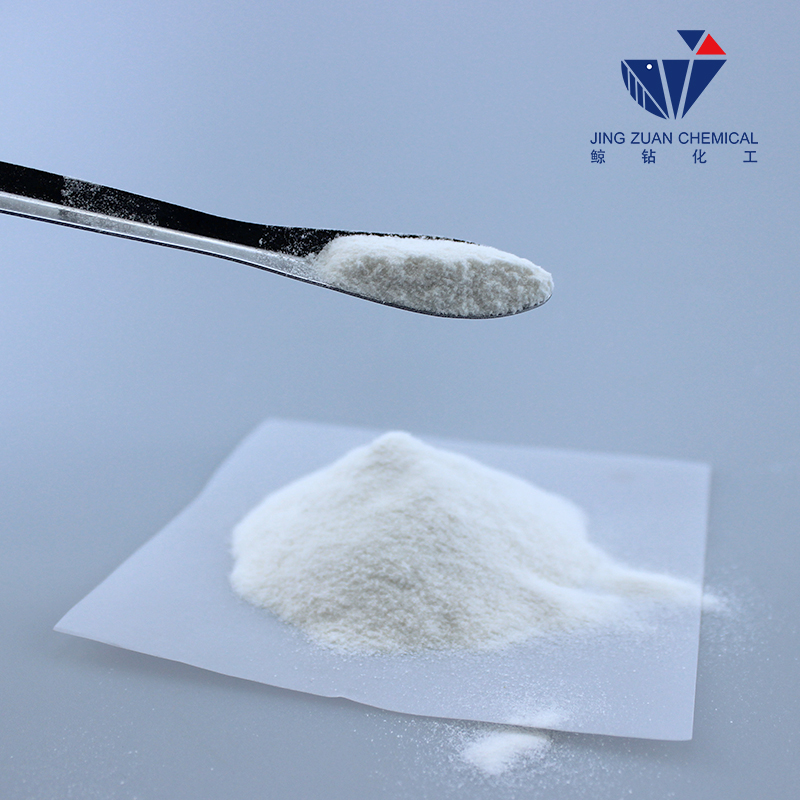
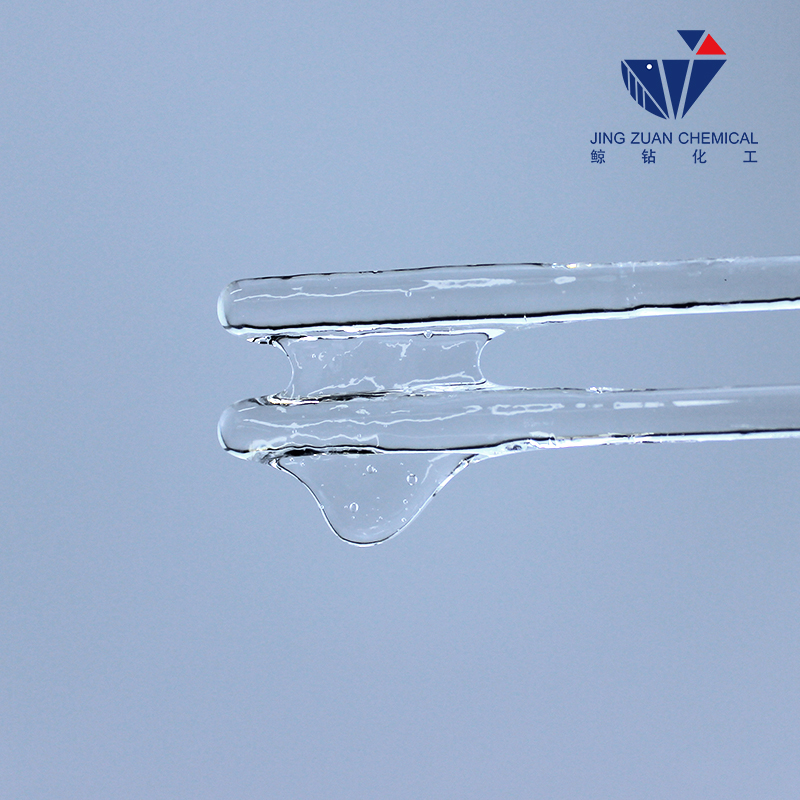
In essence, HPMC is a cellulose derivative extracted from plant sources like wood pulp. It’s modified chemically to dissolve readily in cold or hot water, forming a gel-like structure. Within detergents, it functions as a binder, thickener, and film-forming agent. This means it helps powder detergents hold their shape during transport, prevents clumping, and enhances dissolution during washing.
More than that, HPMC offers controlled release properties, enabling detergents to discharge their active ingredients steadily instead of all at once. This plays well with modern industry trends that emphasize controlled cleaning action for sensitive fabrics and washing machines.
Ultimately, it’s an example of how chemistry meets practical manufacturing to solve everyday problems—contributing not only to cleanliness but also to safer, more effective cleaning experiences.
Key Factors Behind HPMC's Role in Detergent Formulation
1. Water Retention and Thickening
HPMC’s intrinsic water-binding ability makes detergents more viscous, which improves adherence to fabrics and surfaces. This ensures detergents don’t just wash away instantly but linger to do their work effectively.
2. Prevention of Caking and Clumping
In powdered detergent manufacturing, caking during storage and transport is a constant headache. HPMC molecules act as anti-caking agents, maintaining granular integrity and boosting shelf life.
3. Biodegradability and Eco-Compatibility
Unlike petrochemical derivatives, HPMC is plant-based and breaks down more easily in the environment. This directly supports stringent regulations from the EU and US EPA, promoting safer consumer goods.
4. Rheology Modification (Flow Behavior)
Adjusting flow properties is critical when manufacturing liquid detergents. HPMC contributes to smooth pouring, reduced splashing, and better product dispensing — a small detail that customers notice.
5. Compatibility with Enzymes and Surfactants
Detergents contain enzymes and surfactants sensitive to certain additives. HPMC tends to leave these active ingredients stable and effective, making it a reliable companion in premium detergents.
Mini Summary: From texture and stability to biodegradability and ingredient protection, HPMC hits multiple marks the detergent industry needs.
Global Applications & Use Cases for HPMC in Detergents
While we often associate detergents with household chores, HPMC’s impact spans multiple sectors worldwide.
- Household Detergents: Across Europe and North America, HPMC helps enhance powder detergent user experience by improving solubility and preventing powder lumps.
- Industrial Cleaning: Asia’s booming industrial sector uses HPMC in heavy-duty detergents, ensuring consistency during harsh conditions.
- Humanitarian Aid: Surprisingly, in post-disaster relief operations where water quality and availability fluctuate, detergents formulated with HPMC help maintain hygiene without wasting resources.
- Eco-Conscious Brands: In Australia and Scandinavian countries, brands leverage HPMC’s plant-based profile to appeal to green consumers.
Clearly, HPMC’s footprint in detergents is both broad and nuanced, addressing the needs of diverse environments and consumers.
Advantages & Long-Term Value of HPMC in Detergents
Choosing detergents with HPMC means tapping into multiple lasting benefits:
- Cost Efficiency: Improved powder stability reduces waste and product returns from caked batches.
- Sustainability: Thanks to its biodegradability, HPMC plays well with eco-labels and regulations, future-proofing products.
- Reliability: Its compatibility with various additives means fewer formulation headaches and better shelf retention.
- Social Impact: In humanitarian settings, detergents with HPMC support hygiene under tough conditions—helping maintain dignity and health.
- Innovation & Brand Trust: Brands using HPMC can promote natural, tech-backed claims that resonate with ever-savvier consumers.
Product Specification Table: Typical HPMC Grades for Detergent Use
| Property | Specification Range | Typical Use |
|---|---|---|
| Methoxy Content (%) | 19–24% | Water retention and thickening |
| Hydroxypropyl Content (%) | 4–12% | Film formation and anti-caking |
| Viscosity (mPa·s, 2% w/w in water) | 100–4000 | Adjusting flow and texture |
| pH Range | 5.0–8.0 | Stable in detergent formulations |
Vendor Comparison: Leading HPMC Suppliers for Detergent Manufacturing
| Supplier | Price Range (per ton) | Grade Variety | Lead Time | Sustainability Certifications |
|---|---|---|---|---|
| CNJZ Chemical | $1500–$2200 | 10+ grades | 2–4 weeks | ISO 14001, REACH Compliant |
| Dow Chemical | $1800–$2500 | 8 grades | 3–6 weeks | ISO 9001, REACH |
| Ashland | $1600–$2300 | 12+ grades | 2–5 weeks | ISO 14001 |
Looking Ahead: Trends & Innovations Shaping HPMC in Detergents
What’s next for HPMC usage? The detergent industry is gravitating towards greener chemistries, and HPMC fits quite naturally. There’s a growing push to synthesize HPMC from more sustainable cellulose sources—such as agricultural waste—cutting down carbon footprints further.
Smart detergent formulations using nanotechnology and digital monitoring also hint at precise release mechanisms, where HPMC will likely assist in carefully tuned viscosity and timing of ingredient release. Automation in manufacturing is rapidly improving standardization and quality control of HPMC-based blends.
Common Challenges & How Experts Address Them
Despite its advantages, HPMC demands careful handling. Some manufacturers mention batch-to-batch variability impacting detergent consistency. Temperature sensitivity during mixing can influence final product texture, too.
Experts recommend rigorous quality control and proper supplier partnerships—getting HPMC from reputable sources like CNJZ Chemical with ISO certifications is a start. Adjusting formulations by trial batches ensures optimization for local water chemistry and customer expectations.
FAQ: Practical Questions About HPMC Uses in Detergent
- Q1: How does HPMC improve detergent powder shelf life?
- A1: HPMC acts as an anti-caking agent by absorbing moisture and preventing powder particles from sticking. This reduces clumping and extends shelf life, especially in humid conditions.
- Q2: Is HPMC safe for sensitive skin detergents?
- A2: Yes, HPMC is generally non-toxic, hypoallergenic, and used in many personal care products, making it suitable for detergents intended for sensitive skin.
- Q3: Can HPMC-based detergents be labeled 'eco-friendly'?
- A3: While HPMC is biodegradable and plant-based, eco-labels depend on entire detergent formulation. However, its use significantly improves environmental profiles.
- Q4: What challenges exist when switching to HPMC from synthetic thickeners?
- A4: Manufacturers might face process adaptation for mixing times and temperature control. Additionally, cost and supplier selection are important considerations.
Conclusion: Why HPMC Uses in Detergent Are Worth Your Attention
In the end, it feels like HPMC quietly holds together more than just detergents—it supports sustainable industry evolution, consumer safety, and product innovation globally. For anyone involved in detergent formulation or procurement, exploring hpmc uses in detergent opens doors to smarter, more responsible manufacturing. The future looks bright, greener, and more effective thanks to materials like HPMC.
If you want to dive deeper into sourcing quality HPMC suitable for detergents, don't hesitate to visit CNJZ Chemical's website. They offer diverse grades, certifications, and expert support to navigate your formulation challenges.
References
-
Understanding Hydroxypropyl Methyl Cellulose MSDS Safety and Compliance
NewsApr.16,2026
-
Understanding the Hydroxypropyl Methyl Cellulose HS Code for Global Trade
NewsApr.09,2026
-
Comprehensive Guide to Hydroxypropyl Methyl Cellulose CAS Number and Applications
NewsApr.07,2026
-
Comprehensive Guide to Hydroxypropyl Methyl Cellulose cas no and its Diverse Applications
NewsApr.04,2026
-
Comprehensive Guide to Hydroxypropyl Methyl Cellulose Manufacturers and Applications
NewsMar.31,2026
-
Understanding Hydroxypropyl Methyl Cellulose Properties And Diverse Applications
NewsMar.28,2026