
Nov . 29, 2025 17:45 Back to list
Comprehensive Guide to HPMC Uses: Applications, Benefits, and Trends
Understanding HPMC Uses: Why It Matters Globally and Industry-Wide
Hydroxypropyl Methylcellulose — or HPMC, if you want to sound like you know your polymers — is quietly ubiquitous. This cellulose derivative shows up all over the place, from construction sites to pharmaceutical labs. Globally, its importance comes from how versatile and eco-friendly it is, lending itself to uses that promote sustainability and efficiency. You might wonder, why bother with something so technical? Well, grasping hpmc uses opens a window into solving real-world challenges: better building materials, safer drug delivery, and even improved food products. Understanding its key benefits isn’t just academic; it’s about harnessing science to meet global demands like crisis housing, clean energy, and bio-compatible materials. ---The Global Landscape of HPMC Uses
In an industry overwhelmed with chemical options, HPMC stands out thanks to its biodegradability and incredible flexibility. According to ISO standards on cellulose ethers, HPMC ranks highly for non-toxicity and stability [1]. From Asia-Pacific’s booming construction sector to Europe’s pharmaceutical innovations, it’s a staple. The World Bank notes increasing investment in sustainable materials, and HPMC fits perfectly into this trend. Challenges like climate change and resource scarcity put pressure on developers to choose greener, multi-functional ingredients. HPMC’s water retention and film-forming abilities make it a hero in reducing waste and improving product durability worldwide. Oddly enough, whether you’re fixing infrastructure after a flood or formulating a slow-release drug, the same base polymer plays an important role. It’s this cross-sector ubiquity that makes hpmc uses a topic worth any engineer or supply chain manager’s attention. Mini takeaway: The global surge in sustainable materials is pushing HPMC from niche to necessity — with diverse, impactful roles. ---What Exactly Are HPMC Uses? A Simple Definition
At its core, HPMC is a chemically modified cellulose — essentially plant fiber altered to behave in unique ways. The “hydroxypropyl” and “methyl” groups attached to its core molecule give it water solubility and excellent thickening, emulsifying, and film-forming properties. Translating jargon: it thickens, binds, and stabilizes things without adding toxicity. Because of these traits, HPMC uses span construction adhesives, controlled-release pharmaceuticals, cosmetics, and even food ingredients. In modern industry, it’s a kind of Swiss Army knife — but one essential for coatings, insulation, and even 3D printing materials. On a humanitarian level, it helps create cement additives and fast-setting mortars for rebuilding disaster-affected areas quickly, without environmental damage. Mini takeaway: HPMC is a versatile, eco-friendly polymer that brings functionality to many fields, from pharma to construction. ---Key Factors Defining HPMC’s Role in Applications
1. Water Retention and Controlled Release
HPMC’s ability to hold water makes it invaluable in cement mixes or plasters, keeping materials workable longer. In pharma, this lets drugs release slowly in the body rather than dumping all at once.2. Film-Forming and Adhesion
It forms strong films, acting as a binder or stabilizer in paints and adhesives, improving product durability and finish quality.3. Non-Toxic and Biodegradable Nature
Unlike many synthetic polymers, it breaks down naturally and is safe for humans — ideal for food-grade products or biomedical uses.4. Thermal Stability
HPMC can withstand wide temperature ranges — key for construction materials exposed to varying climates or heat during manufacturing.5. Compatibility with Other Materials
Chemically, it plays well with other additives, plastics, or fillers without losing functionality. This versatility makes formulations easier. Mini takeaway: Its water-retention, binding, safety, and thermal resistance are central pillars enabling HPMC’s dynamic uses. ---Global Applications & Real-World Use Cases
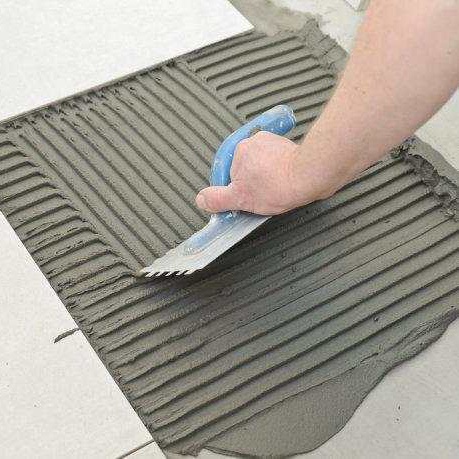
The footprint of HPMC shows up in industrial zones, developing nations, and even high-tech labs. For instance: - In post-disaster relief, fast-setting mortars enhanced with HPMC help rebuild housing faster and more durably. - Asian manufacturers integrate HPMC in tile adhesives, helping buildings resist humidity for decades. - Pharmaceutical companies in Europe and North America rely on it for pill coatings that protect medicine from stomach acids while ensuring release later. - Food industries research HPMC’s use as a fat replacer or stabilizer in low-calorie products. - Even cosmetics brands use it for gels and creams, prized for smooth texture and skin safety. Regions like India and China, with booming infrastructure projects, benefit hugely from HPMC-modified cement products. Meanwhile, North American firms push innovation with bio-based polymers built around HPMC’s backbone. Mini takeaway: Whether rebuilding a roof after a hurricane or developing a cream to soothe skin, HPMC’s practical benefits cross industries and continents. ---Specification Snapshot: Typical HPMC Product
| Specification | Typical Value |
|---|---|
| Methoxy Content (%) | 19.0 - 24.0 |
| Hydroxypropyl Content (%) | 4.0 - 12.0 |
| Viscosity (mPa·s, 2% solution) | 1000 - 15000 |
| pH (2% solution) | 5.0 – 8.0 |
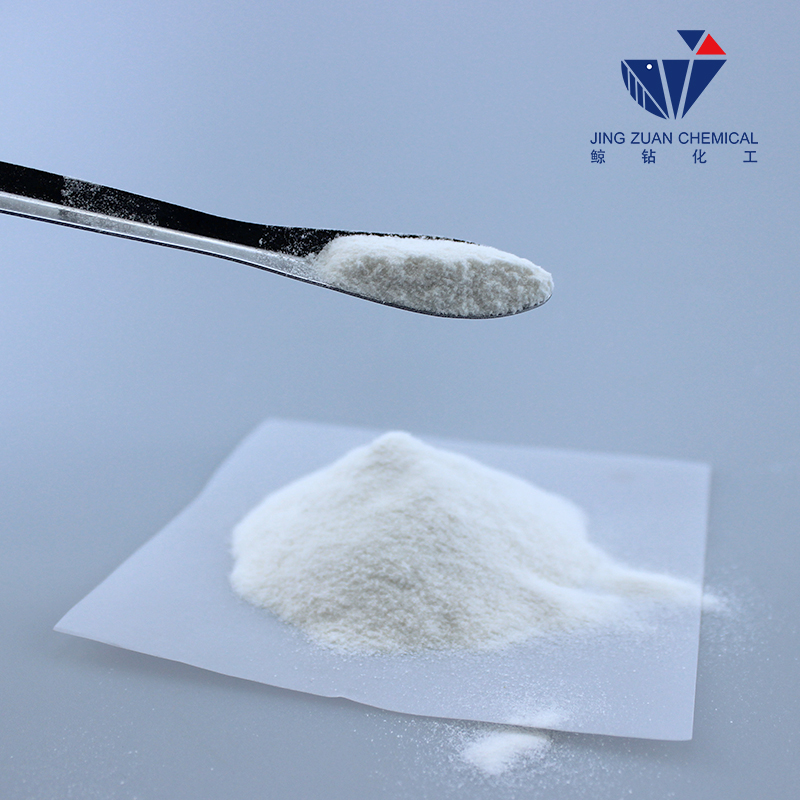
| Appearance | White to off-white powder |
Comparing Leading Suppliers of HPMC
| Vendor | Product Range (Viscosity mPa·s) | Typical Markets | Sustainability Focus | Global Reach |
|---|---|---|---|---|
| Vendor A | 500 - 14,000 | Construction, Pharma, Food | ISO 14001 Certified | Asia, Europe, North America |
| Vendor B | 1000 - 15,500 | Cosmetics, Food, Pharma | Focus on bio-based sourcing | Global |
| Vendor C | 700 - 13,000 | Construction, Industrial, Pharma | Carbon-neutral production | Primarily Europe & Asia |
The Advantages and Value of Using HPMC
The benefits boil down to cost-effectiveness combined with a green footprint. Below the technical jargon, it improves product lifespan, helps reduce energy consumption, and makes products safer for users. Emotionally, using HPMC-based products sometimes feels like investing in a more responsible future — safer homes, medicines that don’t cause side effects, and foods that better nourish without additives. For engineers working in disaster zones, it represents reliability and speed. Pharmaceutical formulators see it as trust — controlled release means better patient outcomes. Importantly, this single polymer bridges gaps between innovation and tradition, low cost and high quality, environmental care and industrial strength. ---Emerging Trends and Innovations in HPMC Uses
Green chemistry is pushing the envelope with modified HPMC variants designed for ultra-low energy production. Nanotechnology teams explore embedding nanosilica into HPMC films for improved strength and moisture barrier properties. Digital manufacturing like 3D printing inks are being refined using HPMC to improve print stability and biodegradability. Policy-wise, governments are setting stricter rules around chemical safety — “clean label” compliance is becoming standard, favoring biodegradable cellulose ethers like HPMC. Oddly enough, even the humble paint brush could change as HPMC-based coatings reduce VOC emissions drastically. ---Challenges and Their Solutions in Practical HPMC Use
While HPMC enjoys widespread use, it’s not without quirks. For instance, batch-to-batch viscosity variations happen, requiring tight quality control. It can degrade under extreme alkaline conditions, restricting some industrial uses. Experts suggest improved analytical methods and blending with stabilizers or other polymers to solve these issues. Scaling production sustainably remains a challenge, especially where raw material supply chains shift unpredictably. ---FAQ: Practical Questions About HPMC Uses
Q1: What makes HPMC-based construction materials different from traditional ones?A1: HPMC additives improve water retention and workability, meaning the mixing and curing process is more forgiving, which leads to stronger, crack-resistant structures that last longer — all while reducing waste on-site. Q2: How long can pharmaceutical pills coated with HPMC last in the body?
A2: HPMC coatings enable controlled release that can be tuned from several hours to even days, ensuring medicines dissolve at the optimal time for effectiveness while protecting active ingredients from stomach acid. Q3: Is HPMC a cost-effective choice for sustainable packaging?
A3: While initial costs may be slightly higher than synthetic polymers, the biodegradability and safety of HPMC reduce environmental cleanup costs and meet growing consumer demand for eco-friendly products. Q4: How do NGOs procure HPMC-modified materials for disaster areas?
A4: Many NGOs collaborate with certified suppliers who provide logistic support and meet import/export regulations, ensuring timely delivery of safe, tested HPMC-based mortars and coatings. ---
Final Thoughts on HPMC Uses
Wrapping it all up, the world is increasingly leaning on adaptable, environmentally friendly materials — and HPMC fits the bill like few others. Its multifunctionality across industries means it’s not just some chemical you read about in textbooks but an active player solving real problems from disaster recovery to pharma innovation. If this peek has you curious about applications or sourcing, I recommend checking out the detailed offerings at our website. Sometimes the most unassuming materials hold the key to tomorrow’s breakthroughs. ---References:
Latest news
-
Understanding Hydroxypropyl Methyl Cellulose MSDS Safety and Compliance
NewsApr.16,2026
-
Understanding the Hydroxypropyl Methyl Cellulose HS Code for Global Trade
NewsApr.09,2026
-
Comprehensive Guide to Hydroxypropyl Methyl Cellulose CAS Number and Applications
NewsApr.07,2026
-
Comprehensive Guide to Hydroxypropyl Methyl Cellulose cas no and its Diverse Applications
NewsApr.04,2026
-
Comprehensive Guide to Hydroxypropyl Methyl Cellulose Manufacturers and Applications
NewsMar.31,2026
-
Understanding Hydroxypropyl Methyl Cellulose Properties And Diverse Applications
NewsMar.28,2026
Related PRODUCTS