
Nov . 29, 2025 16:10 Back to list
Comprehensive Guide to HPMC Types and Their Industrial Applications
Understanding HPMC Types: Why It Matters in Modern Industry
If you’ve ever paused to ponder what really holds together the paints on your walls or the tablets you take every day, chances are hydroxypropyl methylcellulose—commonly known as HPMC—is involved. The diverse hpmc types have quietly revolutionized multiple industries due to unique properties that range from thickening to film-forming. Globally, as industries strive for sustainability and efficiency, a solid grasp of HPMC varieties becomes increasingly valuable. Understanding these types may sound niche, but it taps directly into huge markets like pharmaceuticals, construction, and food technology.Setting the Stage: The Global Context of HPMC
HPMC isn’t just a technical term tossed around in labs. It’s a critical ingredient in products that billions encounter daily. The global market for cellulose ethers—including HPMC—is expected to grow steadily, driven by ongoing urbanization and stricter health and sustainability standards (ISO standards on cellulose ethers also highlight this). For example, the construction sector increasingly relies on HPMC for better mortar workability and durability, crucial in infrastructure projects worldwide. Meanwhile, pharmaceutical industries depend on distinct HPMC types for controlled drug release and capsule formulation to meet increasingly complex healthcare needs. Yet, challenges persist. Ensuring consistent quality of HPMC types worldwide and adapting them for local material availability is an ongoing puzzle. Plus, environmental pressures urge manufacturers to optimize formulations to reduce waste and carbon footprints — all while maintaining compliance and functionality.What Exactly Are HPMC Types?
In simple terms, HPMC (hydroxypropyl methylcellulose) is a derivative of cellulose—plant fiber—that’s chemically modified to become water-soluble and versatile. The “types” refer to variations in molecular weight, degree of substitution (how many hydroxyl groups are replaced), and viscosity grades. These differences directly influence how HPMC behaves: - Film-forming ability - Thickening power - Gelation temperature - Solubility and stability Because of these tweaks, specific HPMC types suit distinct applications—from acting as binders in tablets to improving cement slurry performance. To put it another way, think of HPMC as a toolkit where each “type” is a different tool designed for a unique task.Core Components and What They Mean Practically
1. Viscosity Grade
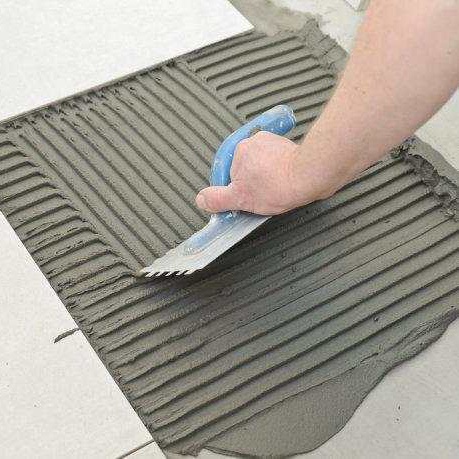
Viscosity largely dictates how thick an HPMC solution becomes. High-viscosity types are preferred in tile adhesives for their creep resistance, while low-viscosity versions make pharmaceutical suspensions smooth. Mini takeaway: Choosing the right viscosity can make or break product consistency.2. Methoxy and Hydroxypropyl Substitution Levels
These chemical modifications influence solubility and gelation temperature. More substitution typically means better solubility in cold water but affects how and when the material thickens. Mini takeaway: Fine-tuning these levels tailors the material’s behavior at different temperatures.3. Molecular Weight
The molecular weight affects film strength and moisture retention — key in construction coatings. Higher weights usually mean tougher films but can slow dissolution. Mini takeaway: Molecular weight is a balancing act between durability and processability.4. Purity & Additives
HPMC must meet strict purity standards, especially for food or pharma use. Sometimes additives are introduced to enhance performance or stability. Mini takeaway: Cleanliness counts double for health-related applications.Applying HPMC Types Around the Globe
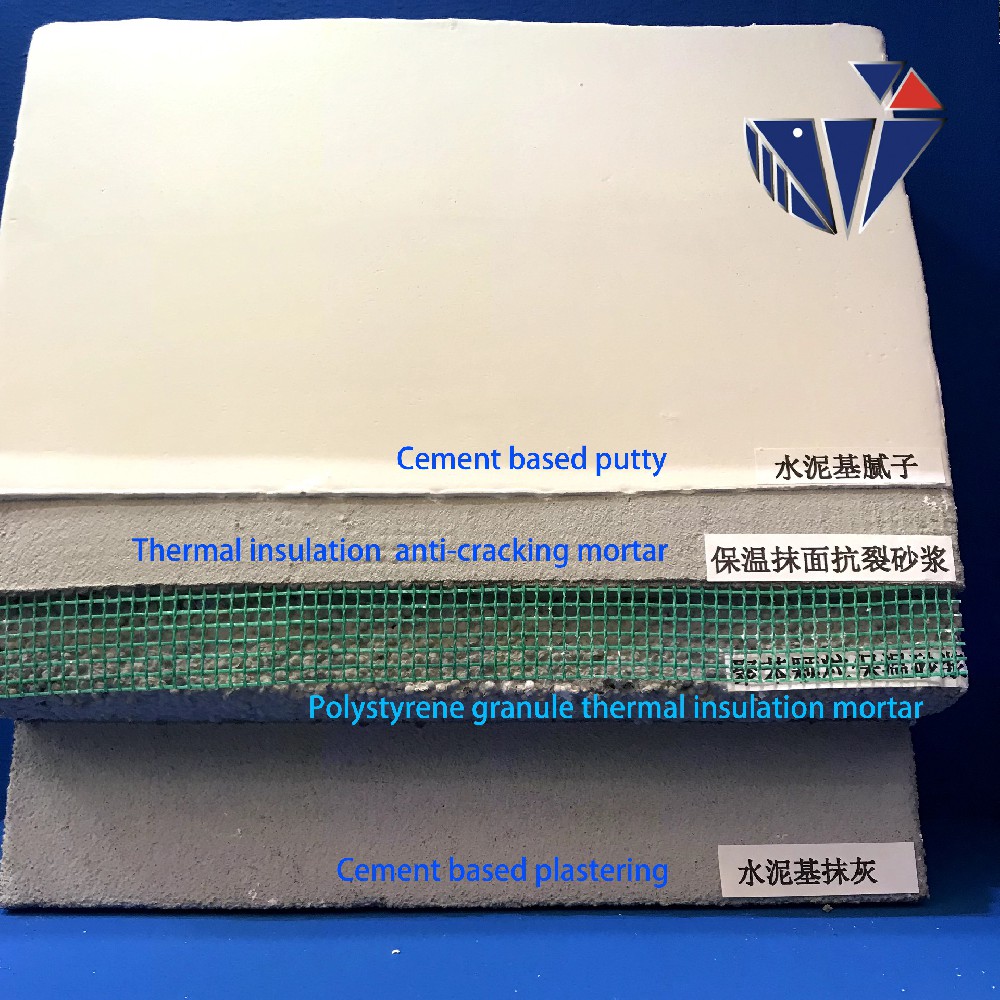
Industries spanning Asia, Europe, and North America are leveraging these variations daily: - Construction: In post-disaster rebuilding, quick-setting mortars with high-grade HPMC ensure stable housing fast. For example, in regions affected by earthquakes, such as parts of Asia, HPMC-modified cement offers improved crack resistance. - Pharmaceuticals: Controlled release tablets rely on specific HPMC types to regulate drug exposure time, vital in chronic disease management worldwide. - Food & Beverages: HPMC helps improve texture in plant-based products, especially as consumer demand grows for vegan and allergen-free items. - Cosmetics: HPMC forms the base of creams and lotions offering smooth application and controlled moisture release. In many developing nations, NGOs are turning to modular housing solutions using materials stabilized with HPMC — the combination of durability and eco-friendliness feels like a game-changer.Advantages & Long-Term Value of HPMC Types
Why bother with varying HPMC types? Well, plain and simple: - Cost Efficiency: Using the correct type reduces waste and shortens production times. - Sustainability: Being plant-derived, HPMC contributes to greener formulations, aiding companies in meeting UN sustainability goals. - Reliability: Products using high-quality HPMC last longer, resist degradation, and perform consistently under stress. - Social Impact: Products empowered by customizable HPMC types enhance quality of life — better medicines, longer-lasting buildings, safer food. Oddly enough, beyond the numbers, there’s real satisfaction knowing the material you pick could help rebuild communities or improve health — it’s innovation with a heart.Emerging Trends: Where Are HPMC Types Headed?
Innovations are brisk. One trend is blending HPMC with nano-materials for enhanced strength without weight penalties, opening doors in aerospace and medical devices. Digital transformation in production means more precise control over substitution patterns. Sustainability drives research into bio-based modification pathways that lessen chemical usage. Green energy integration in manufacturing processes is being tested. I suppose automation in HPMC tailoring will soon let manufacturers “dial in” desired properties in real-time, reducing trial and error and carbon footprint.Common Challenges & Smart Solutions
Despite great progress, uniform quality remains tricky, especially with raw material variations among regions. Some HPMC types don't dissolve easily at low temperatures or require special storage to prevent clumping. What helps? Robust quality control using spectroscopy, regular calibration of production lines, plus R&D investing in water-soluble, temperature-stable substitutes. Collaborations with universities and ISO-backed testing enhance trust and broaden applications faster.Practical FAQ on HPMC Types
Q1: How do I choose the right HPMC type for pharmaceutical use?A1: Focus on viscosity and substitution levels suited to your drug release profile. Low-viscosity, high substitution types dissolve quickly, ideal for immediate release. For extended-release, higher viscosity grades slow down dissolution effectively. Q2: Can HPMC be used in cold climates for construction?
A2: Yes, some types gel at low temperatures, improving mortar performance. Ensure you pick cold water-soluble grades to avoid application issues. Q3: Is HPMC biodegradable and eco-friendly?
A3: Being cellulose-derived, HPMC is biodegradable. However, production energy and additives affect environmental impact. Always verify supplier certifications. Q4: What are common storage recommendations for HPMC powders?
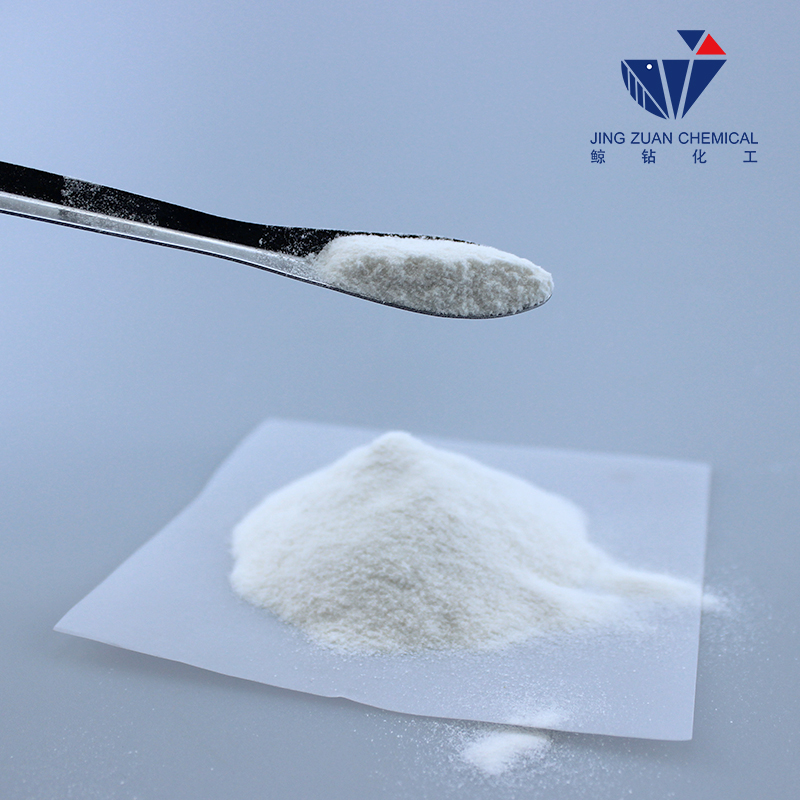
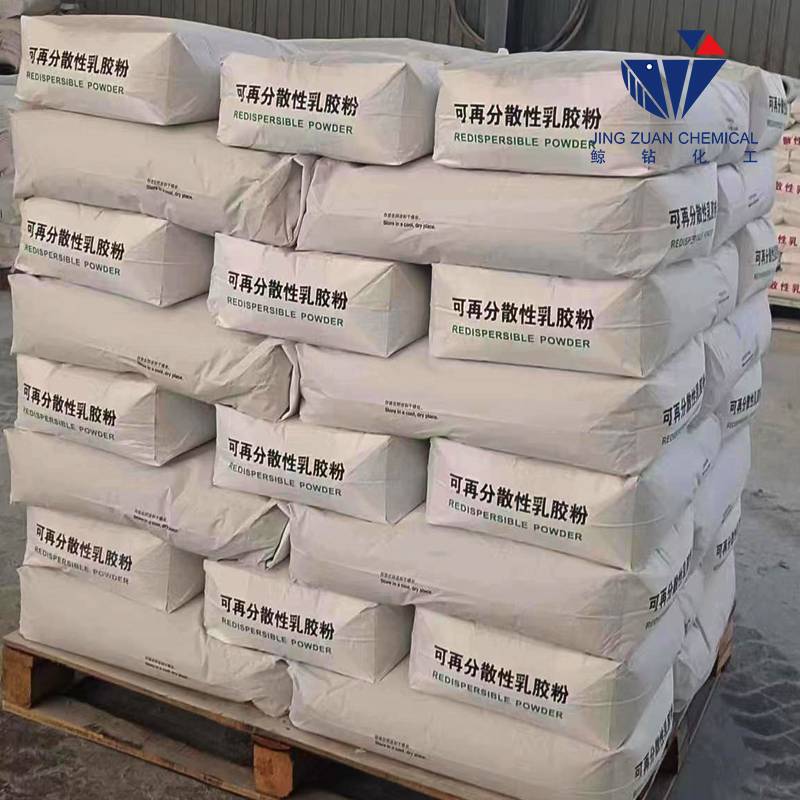
A4: Keep in a dry, cool place to prevent moisture uptake and clumping. Sealed containers are best, avoiding humidity and direct sunlight. Q5: How easy is it to source HPMC internationally?
A5: Fairly straightforward via established chemical distributors. Ensure compliance with local import regulations and product certifications.
Quick Look: Product Specs for Common HPMC Types
| Specification | Low Viscosity | Medium Viscosity | High Viscosity |
|---|---|---|---|
| Viscosity (mPa·s) | 10,000 - 25,000 | 30,000 - 60,000 | 70,000 - 150,000 |
| Methoxy Content (%) | 19 - 24 | 19 - 24 | 19 - 24 |
| Hydroxypropyl (%) | 4 - 12 | 4 - 12 | 4 - 12 |
| pH (2% solution) | 5.0 - 8.0 | 5.0 - 8.0 | 5.0 - 8.0 |
| Typical Application | Pharma suspensions, low viscosity adhesives | Mortars, coatings | Tile adhesives, film-forming |
Comparing Top Vendors of HPMC Types
| Vendor | Product Range | Quality Certifications | Global Reach | Sustainability Programs |
|---|---|---|---|---|
| CNJZ Chemical | Wide (various HPMC grades & customized) | ISO 9001, GMP | International (Asia, Europe, Americas) | Active sustainability initiatives |
| Ashland Inc. | Standard and specialty HPMC | ISO 14001, FDA | Global | Ongoing green chemistry research |
| Dow Chemical | Comprehensive cellulose ethers | ISO 9001, REACH | Global | Sustainability certification |
Final Thoughts: Why Understanding HPMC Types Is More Important Than Ever
So, what’s the real takeaway? The varieties of HPMC out there might seem minute, but they wield outsized influence over product performance and global industrial progress. Whether stabilizing your medication, strengthening concrete in a new housing project, or crafting sustainable food products, selecting the right HPMC type is critical. These materials embody the intersection of chemistry, engineering, and social responsibility — a reminder that sometimes the tiniest molecules have impact that’s truly massive. For those eager to dive deeper, or to source specific hpmc types, visiting expert suppliers like CNJZ Chemical is a great first step. Cheers to curious minds and the building blocks that shape our world.References
Latest news
-
Understanding Hydroxypropyl Methyl Cellulose MSDS Safety and Compliance
NewsApr.16,2026
-
Understanding the Hydroxypropyl Methyl Cellulose HS Code for Global Trade
NewsApr.09,2026
-
Comprehensive Guide to Hydroxypropyl Methyl Cellulose CAS Number and Applications
NewsApr.07,2026
-
Comprehensive Guide to Hydroxypropyl Methyl Cellulose cas no and its Diverse Applications
NewsApr.04,2026
-
Comprehensive Guide to Hydroxypropyl Methyl Cellulose Manufacturers and Applications
NewsMar.31,2026
-
Understanding Hydroxypropyl Methyl Cellulose Properties And Diverse Applications
NewsMar.28,2026
Related PRODUCTS