
Nov . 27, 2025 08:15 Back to list
A Practical Guide to HPMC Grades and Uses: Applications, Advantages, and Innovations
Understanding HPMC Grades and Uses: A Global Perspective
Hydroxypropyl Methylcellulose (HPMC) might sound like one of those chemical acronyms tossed around in labs or manufacturing floors, but its impact spans far beyond the technical jargon. In essence, HPMC grades and uses cover a broad spectrum of product variations and applications that tie directly into industries ranging from construction to pharmaceuticals, food to cosmetics. Understanding this material’s versatility is increasingly important as the global market looks for sustainable, efficient, and safe polymers that support innovation and solve real-world problems.
Why does it matter globally? Well, as industrial sectors seek eco-friendly alternatives and performance-driven additives, knowing your HPMC grades — their properties and practical uses — becomes essential. HPMC grades and uses are key to unlocking improvements in manufacturing, construction durability, drug delivery, and even food texture enhancement. The subtle differences in viscosity, substitution pattern, and purity can make all the difference.
The Global Context: Why HPMC Matters Now More Than Ever
According to data from the United Nations Industrial Development Organization (UNIDO) and the International Organization for Standardization (ISO), polymers like HPMC are foundational to multiple supply chains powering billions of dollars annually. Rapid urbanization, climate-driven construction demands, and booming pharmaceutical production all lean on polymers engineered for specific qualities. The rise of green building initiatives adds another layer, requiring materials that provide reliability without compromising sustainability.
Yet challenges remain — raw material quality varies by region, and end-users sometimes struggle to match the appropriate HPMC grade to their precise use-case. These gaps can reduce effectiveness, increase costs, or even cause compliance setbacks. Getting familiar with HPMC grades and uses unlocks smarter decision-making globally.
Defining HPMC Grades and What They Mean
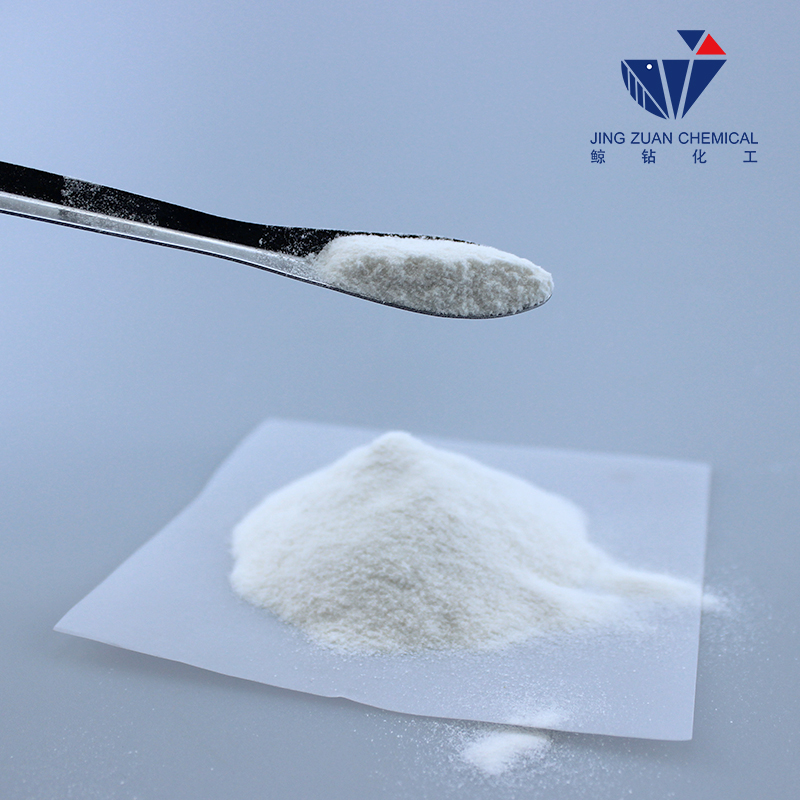
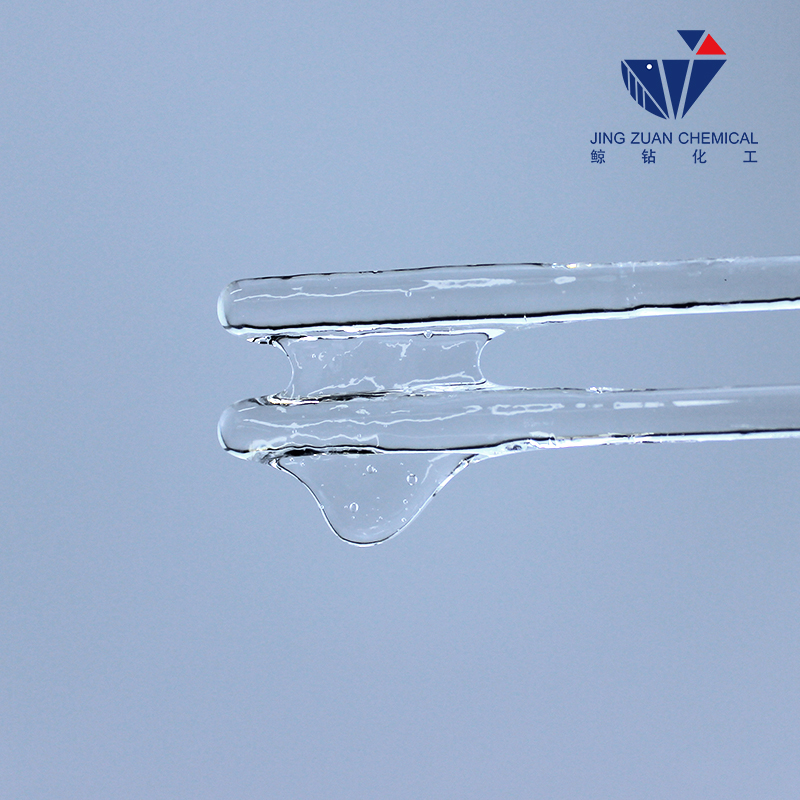
Put simply, Hydroxypropyl Methylcellulose is a cellulose derivative crafted by chemically modifying natural cellulose with hydroxypropyl and methyl groups. What sounds like chemistry 101 here practically translates to a water-soluble polymer with adjustable properties. These properties—such as viscosity, gel temperature, and film formation—are what differentiate one HPMC grade from another. Industry professionals classify these grades based on how thick they are at certain concentrations, their substitution ratios, and how they behave with temperature changes.
In modern industry, HPMC grades find uses as thickening agents, binders, emulsifiers, and film formers. On humanitarian fronts, they contribute to safer drug formulations or better construction plasters that can withstand extreme climates.
Key Components of HPMC Grades and Their Practical Impact
1. Viscosity Levels
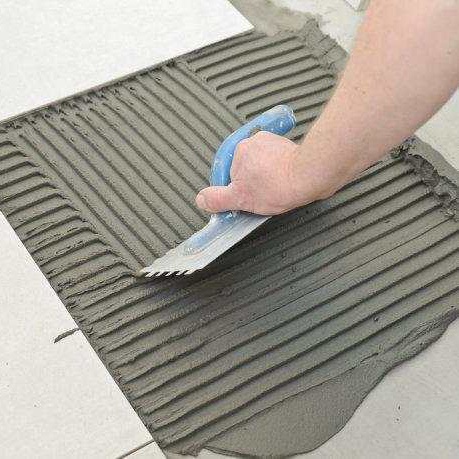
Viscosity essentially controls thickness — thicker grades are preferred in tile adhesives or wall putties for better adherence, while thinner variants fit pharmaceutical coatings or food stabilizers. Selecting the right viscosity impacts the ease of application and the final product’s durability.
2. Substitution Ratios
The balance between hydroxypropyl and methyl substitutions tailors solubility and thermal characteristics. A higher methyl content can improve water resistance, useful in protective coatings or moisture-barrier films.
3. Purity and Particle Size
For pharmaceutical or food-grade HPMC, purity is non-negotiable, ensuring it meets health regulations and is free from contaminants. Finer particles improve dispersion, critical in paint and cosmetic formulations.
4. Thermal Gelation Temperature
This dictates the temperature at which HPMC forms gels—important for controlled release in medicines or water retention in construction materials exposed to heat.
5. Molecular Weight Distribution
Molecular weights influence flow behavior and film strength. Engineers often adjust grades for optimal molecular weight to match their performance needs.
Mini Takeaway: Understanding these components is like having a map for choosing the right HPMC grade for your exact requirement—no wasted materials, less guesswork, and better outcomes.
Global Applications: How Different Industries Benefit from HPMC Grades
Let’s wander across the real world, where HPMC is quietly making a difference:
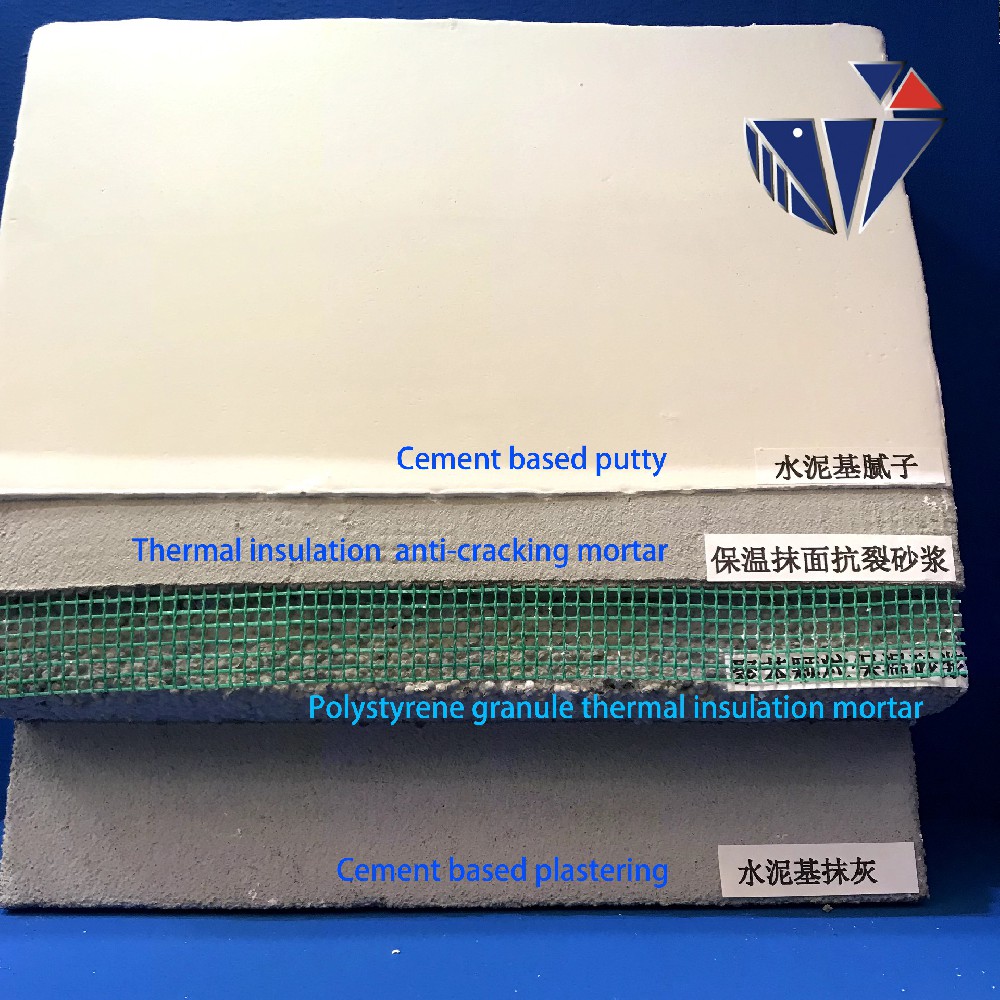
- Construction: In Asia’s booming skyscraper projects or Europe’s eco-renovations, HPMC ensures tile adhesives set securely and mortars retain moisture, reducing cracks.
- Pharmaceuticals: Drug manufacturers in North America fine-tune HPMC grades for controlled capsule release and stability.
- Food Industry: Europe’s food production often uses HPMC to stabilize sauces, improve freeze-thaw stability, or add fiber-like mouthfeel.
- Cosmetics: In South America, HPMC-rich creams and lotions deliver smooth texture and long-lasting hydration.
- Humanitarian Aid: In disaster-hit zones, adhesives and plasters using HPMC help rebuild resilient shelters faster and safer.
| Property | Low Viscosity Grade | Medium Viscosity Grade | High Viscosity Grade |
|---|---|---|---|
| Viscosity (mPa·s, 2% solution) | 100–200 | 400–600 | 1000–1500 |
| Methoxy Substitution (wt%) | 19–24 | 21–26 | 23–27 |
| Hydroxypropyl Substitution (wt%) | 4.5–7.0 | 5.0–7.5 | 5.5–8.0 |
| Thermal Gelation Temp (°C) | 55–65 | 58–68 | 60–70 |
Advantages and Long-Term Value of Using HPMC
Frankly, there’s a mix of tangible and intangible benefits that come with the right use of HPMC grades. On the cost side, it optimizes raw materials by enhancing adhesion or stabilizing formulations, which means less waste and rework. Environmentally, many grades are biodegradable and manufactured with sustainability in mind, aligning with global shifts towards greener supply chains.
Socially, products made with HPMC — like extended-release tablets or safer building materials — impact health and safety positively. There’s a trust factor here: clients want reliable products that perform consistently, especially in critical sectors like healthcare or infrastructure.
Emerging Trends and Innovations in HPMC Development
Looking ahead, developments are buzzing around bio-based feedstocks replacing fossil-derived raw materials in HPMC synthesis. Coupled with digital formulations and AI-driven property prediction, researchers aim to create ultra-customized HPMC variants tailored to specific climatic or regulatory requirements.
Automation in production scaling plays into this — ensuring quality consistency and faster market delivery. Plus, innovations target improving thermal stability for green energy applications like solar panel coatings or wind turbine adhesives, making HPMC a little hero in the sustainable tech war.
Challenges and How the Industry is Overcoming Them
Sure, no material is without drawbacks. HPMC production can be sensitive to variable cellulose sources, and end-users sometimes face compatibility issues with other components. Also, cost fluctuations of raw materials impact pricing unpredictably.
But solutions are evolving: tighter quality standards, new synthesis techniques that reduce impurities, and better product education help ensure correct grade selection. Online technical support and interactive data sheets now assist customers globally to match grades accurately, reducing trial-and-error.
Comparing Top HPMC Vendors: What to Consider
| Vendor | Product Range | Global Distribution | Technical Support | Sustainability Certification |
|---|---|---|---|---|
| CNJZ Chemical | Broad (Low to High Viscosity) | Worldwide | Excellent, 24/7 | ISO 14001, EcoLabel |
| Vendor B | Medium Range | Regional (Asia, Europe) | Good, business hours | Partial |
| Vendor C | Specialty Grades | Limited | Moderate | None |
Frequently Asked Questions on HPMC Grades and Uses
Q1: How do I choose the right HPMC grade for my tile adhesive formulation?
A: The key lies in viscosity; medium to high viscosity HPMC grades typically work best for tile adhesives, providing the needed adhesion and workability. You should also consider thermal gelation temperature, to ensure the adhesive performs in your local climate conditions.
Q2: Is HPMC safe for use in pharmaceutical capsules?
A: Absolutely. Pharmaceutical-grade HPMC is rigorously tested for purity and safety and is a common vegetarian capsule material globally. Ensure you source from certified suppliers with compliance to pharmacopeias like USP or EP.
Q3: Can using HPMC in construction really improve sustainability?
A: Yes. By reducing water usage, improving adhesion, and extending product life, HPMC-containing mixes reduce material waste and environmental impact, aligning with ISO sustainability standards.
Q4: What are the storage considerations for HPMC powders?
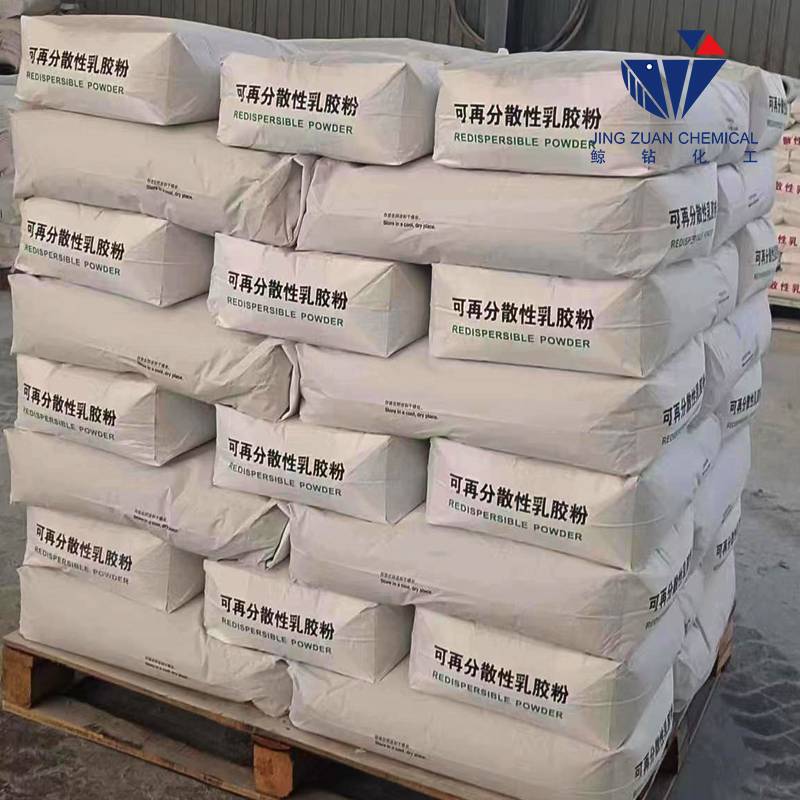
A: HPMC should be stored in a dry, cool place away from direct sunlight and moisture. Proper packaging is essential to preserve its properties over time.
Q5: How fast can I expect delivery when ordering internationally?
A: Delivery times vary by vendor and destination, but many leading suppliers like CNJZ Chemical offer worldwide shipping with lead times from a few days to weeks, depending on stock and customs.
Conclusion: The Enduring Value of Knowing Your HPMC Grades and Uses
In the grand scheme, understanding HPMC grades and uses isn’t just about chemical specifics; it’s a gateway to smarter manufacturing, sustainable innovation, and safer products. Whether you’re in pharma, food, construction, or cosmetics, the right-grade HPMC can elevate your product performance and reduce environmental footprint.
For anyone serious about quality and future-proofing their processes, diving deeper into HPMC characteristics and trusted suppliers like CNJZ Chemical is definitely worthwhile. Visit our website: https://www.cnjzchemical.com to see detailed product info, consult specialists, or request samples.
References
-
Understanding Hydroxypropyl Methyl Cellulose MSDS Safety and Compliance
NewsApr.16,2026
-
Understanding the Hydroxypropyl Methyl Cellulose HS Code for Global Trade
NewsApr.09,2026
-
Comprehensive Guide to Hydroxypropyl Methyl Cellulose CAS Number and Applications
NewsApr.07,2026
-
Comprehensive Guide to Hydroxypropyl Methyl Cellulose cas no and its Diverse Applications
NewsApr.04,2026
-
Comprehensive Guide to Hydroxypropyl Methyl Cellulose Manufacturers and Applications
NewsMar.31,2026
-
Understanding Hydroxypropyl Methyl Cellulose Properties And Diverse Applications
NewsMar.28,2026