
Nov . 27, 2025 05:45 Back to list
Understanding HPMC Grades: Applications, Benefits, and Industry Insights
What Are HPMC Grades and Why Should You Care?
Hydroxypropyl Methylcellulose, or more commonly HPMC, might sound like a mouthful of chemistry, but its grades are quietly shaping industries worldwide. Essentially, HPMC grades refer to the variations of this cellulose derivative differentiated by viscosity, substitution degree, and physical properties. Why does it matter? Well, from construction to pharmaceuticals, HPMC’s versatility and performance tweak the efficiency and quality of countless products and processes. Understanding these grades helps engineers, formulators, and manufacturers optimize materials for better durability, sustainability, and cost-effectiveness — all critical factors in today’s push for greener, smarter solutions.The Global Importance of HPMC Grades in Industry
Globally, the demand for customizable polymers like HPMC is booming. According to ISO standards and supported by UN environmental initiatives, the push toward sustainable materials has accelerated this trend. For example, the worldwide cellulose derivatives market is forecasted to grow by over 5% annually till 2028, driven in part by expanding applications and regulatory preferences for renewable inputs. Yet, challenges persist — such as balancing cost and performance or ensuring consistency across batches for high-end uses. Industries from Asia to Europe rely heavily on reliable HPMC grades to meet these demands. In emerging economies, access to tailored HPMC grades is often a bottleneck limiting advanced production methods. Recognizing these gaps spotlights the role of accurate grading systems and robust quality controls.
Mini takeaway: The global relevance of HPMC grades isn’t just about chemistry; it’s about unlocking smarter, sustainable, and scalable manufacturing that crosses borders and industries.
Defining HPMC Grades: What Are We Talking About?
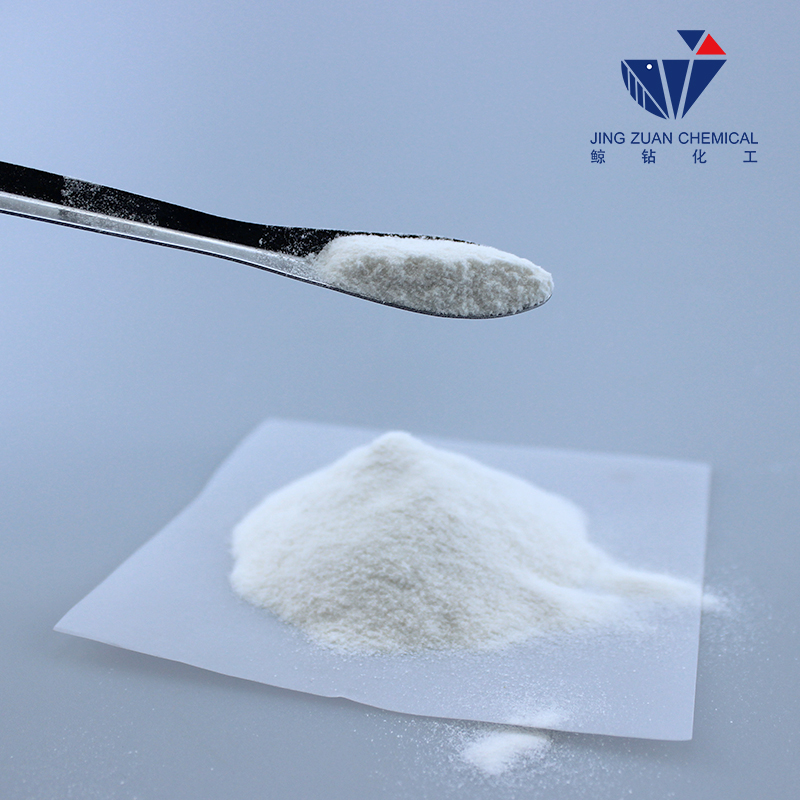
At its core, HPMC is a water-soluble polymer derived from cellulose, modified with hydroxypropyl and methyl groups. But when people mention HPMC grades, they’re referring to the specific characteristics — like viscosity (think thickness when mixed with water), degree of substitution (how many chemical groups replace original hydrogen atoms), and particle size. These parameters influence how the polymer behaves in solutions and solids, which in turn affect real-world uses such as:- Thickening and stabilizing in foods and cosmetics
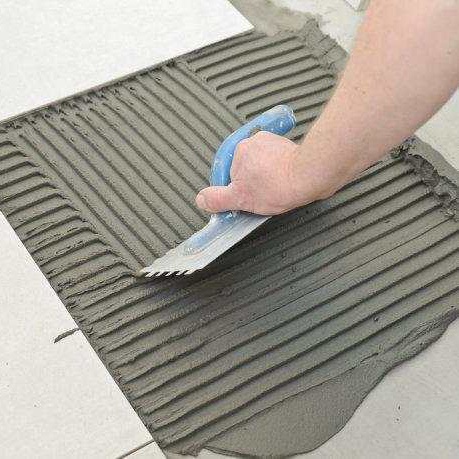
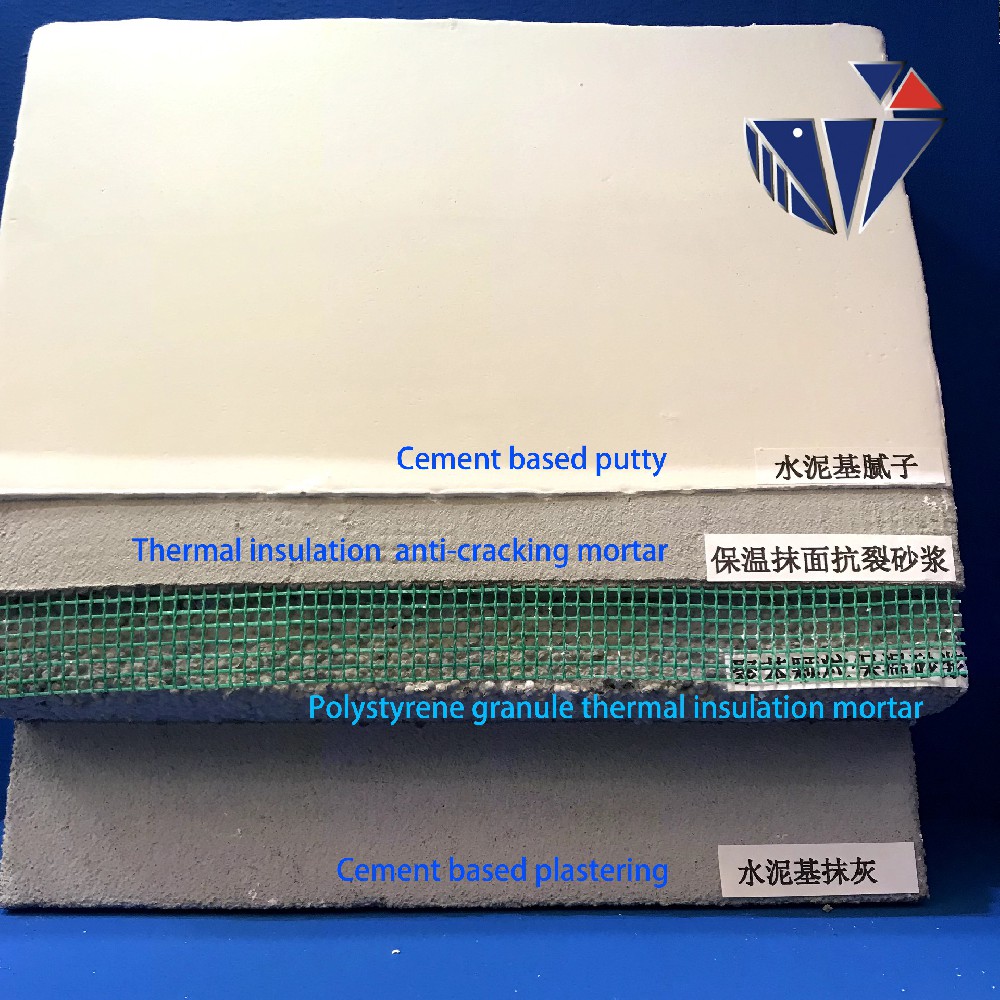
- Adjusting water retention and workability in construction mortars and plasters
- Formulating sustained-release drugs in pharma
Key Attributes That Define HPMC Grades
Viscosity
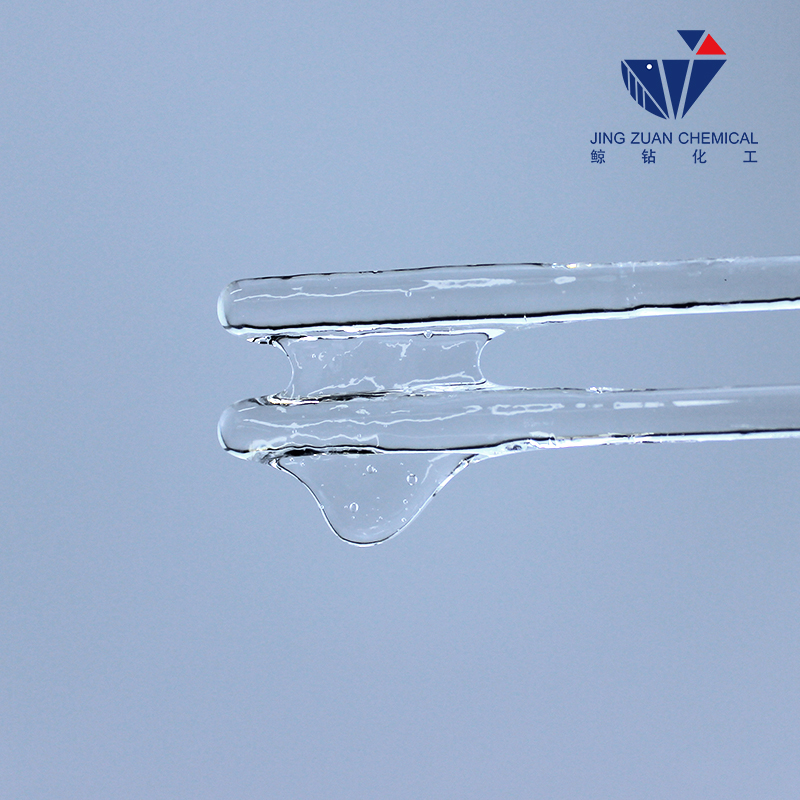
Viscosity determines how thick the HPMC solution is. Low-viscosity grades flow easily, ideal for sprays and coatings, whereas high-viscosity variants are great for encapsulations or heavy-duty construction mixes.Substitution Degree
This reflects how much of the cellulose's hydroxyl groups are swapped for hydroxypropyl and methyl groups. Degree of substitution controls solubility and thermal stability — critical for pharmaceutical tablets that must dissolve in precise body locations.Water Retention Capacity
Many engineers swear by this property for cement and plaster mixtures — it keeps the water where it belongs for proper curing, preventing cracks and improving strength.Thermal Gelation Temperature
This is the "turn-on" temperature where the polymer solution thickens or gels. Some grades activate at room temperature, others only upon heating — a clever trick used in cosmetics or adhesives.pH Stability
Depending on the formulation, stable grades are vital when exposed to alkaline or acidic environments, like in detergents or cleaning agents.
Mini takeaway: Picking the right HPMC grade is less guesswork and more science — a fine-tuned balance of physical and chemical traits to maximize efficiency in targeted applications.
Product Specification Table for Typical HPMC Grades
| Grade | Viscosity (mPas) | Substitution (DS) | Water Retention (%) | Thermal Gelation (°C) | Typical Uses |
|---|---|---|---|---|---|
| HPMC-2000L | 2000 | 0.28 | 85 | 58 | Tile adhesive, plaster |
| HPMC-10000H | 10000 | 0.35 | 92 | 65 | Pharma, cosmetics |
| HPMC-4000M | 4000 | 0.30 | 88 | 60 | Paints, adhesives |
How HPMC Grades Are Powering Global Applications
It’s fascinating how broad the applications are — from cold northern Europe to tropical Southeast Asia. Construction companies swear by certain grades for mortar enhancements; pharmaceutical firms fine-tune their drugs’ release profiles thanks to carefully selected HPMC grades. Take disaster relief, for instance: quick deploying shelters incorporate HPMC-thickened mortars that cure fast and resist weathering. Similarly, in remote industrial sites where water availability is limited, the water retention ability of HPMC grades ensures building materials don’t dry out prematurely — a game-changer for the quality and longevity of infrastructure. Agricultural chemical formulations also benefit from HPMC’s ability to regulate viscosity — helping pesticides or herbicides spread evenly and stick to leaves better. In beauty products, gels and creams owe their silky smoothness to just the right HPMC grade, blending tactile pleasure with stability.Vendor Comparison Table
| Vendor | Grade Variety | Sustainability Focus | Global Distribution | Price Range (USD/kg) |
|---|---|---|---|---|
| ChemCell Corp. | Wide (~20 grades) | High (biodegradable packaging) | Global (Asia, EU, NA) | 2.5 – 5.0 |
| PureCell Solutions | Moderate (~12 grades) | Moderate (energy-efficient plant) | Europe, Asia | 3.0 – 6.5 |
| GreenPoly Chemicals | Selective (~8 grades) | Very High (100% renewable feedstock) | North America, Asia | 4.0 – 7.0 |
The Long-Term Advantages of Using Optimized HPMC Grades
At the end of the day, the value of correctly applying HPMC grades boils down to three intertwined benefits:- Cost Efficiency: Less waste, fewer mix failures, and longer-lasting products save money and time.
- Sustainability: HPMC is bio-based and generally biodegradable, aligning with growing environmental regulations and consumer expectations.
- Social Impact: Better building materials mean safer housing; improved pharmaceuticals mean better healthcare outcomes.
What the Future Holds: Innovations on the Horizon
Industry insiders are buzzing about smart polymers and nanotechnology integrations enhancing HPMC’s functionality further. Imagine grades that respond dynamically to environmental changes or combine with bioactive molecules for medical uses. Digitization also plays a part; real-time quality control powered by AI helps manufacturers select and fine-tune grades promptly, reducing errors. There’s also a clear pivot to greener synthesis routes, replacing solvents and energy-intensive processes with more sustainable methodologies.Facing Challenges Head-On
No product is perfect. Some drawbacks of HPMC grades include batch variability in lower-tier suppliers, limited solubility at extreme pH levels, and occasional higher costs compared to synthetic polymers. But innovative mix designs, enhanced purification methods, and collaborative supply chain improvements are tackling these issues.FAQ: What People Commonly Ask About HPMC Grades
- What differentiates high-viscosity HPMC grades from low-viscosity ones?
- High-viscosity grades result in thicker, more gel-like solutions, perfect for heavy-duty construction or sustained-release pharmaceuticals, while low-viscosity grades are better for coatings or sprays due to easier flow.
- How do HPMC grades affect building material longevity?
- By controlling water retention and curing speed, certain HPMC grades prevent cracking and enhance the durability of mortars and plasters, especially in harsh climates.
- Are HPMC-based products environmentally friendly?
- Yes, since HPMC is derived from renewable cellulose sources and is generally biodegradable, products using it tend to have a lower environmental footprint compared to petrochemical-derived polymers.
- Can I source specific HPMC grades internationally?
- Absolutely. Many global suppliers offer a range of grades with international shipping, though it’s important to verify batch quality and compliance with local regulations.
Wrapping Up: Why Mastering HPMC Grades Matters
Whether you're in construction, pharmaceuticals, or any industry relying on cellulose derivatives, the finesse in choosing the right HPMC grades means everything. It’s like tuning an engine: the subtle differences can lead to vastly improved product characteristics, sustainability, and cost savings. Next time you consider polymer solutions, remember that a deep dive into HPMC grades could be your secret weapon. Curious to explore more? Visit our website: hpmc grades for detailed info, product catalogs, and expert consultations tailored to your needs.Latest news
-
Understanding Hydroxypropyl Methyl Cellulose MSDS Safety and Compliance
NewsApr.16,2026
-
Understanding the Hydroxypropyl Methyl Cellulose HS Code for Global Trade
NewsApr.09,2026
-
Comprehensive Guide to Hydroxypropyl Methyl Cellulose CAS Number and Applications
NewsApr.07,2026
-
Comprehensive Guide to Hydroxypropyl Methyl Cellulose cas no and its Diverse Applications
NewsApr.04,2026
-
Comprehensive Guide to Hydroxypropyl Methyl Cellulose Manufacturers and Applications
NewsMar.31,2026
-
Understanding Hydroxypropyl Methyl Cellulose Properties And Diverse Applications
NewsMar.28,2026
Related PRODUCTS