
Nov . 27, 2025 03:20 Back to list
What Is HPMC Glass Transition Temperature & Why It Matters Globally
Understanding HPMC Glass Transition Temperature: Why It Matters on a Global Scale
At first glance, hpmc glass transition temperature might sound like a mouthful best left to chemists in white coats. But understanding it better—what it is and why it matters—can unlock significant benefits across industries worldwide. From pharmaceuticals to construction, this seemingly technical term plays a quiet yet crucial role in product stability, performance, and innovation.
Globally, sectors are increasingly turning to hydroxypropyl methylcellulose (HPMC) derivatives, and knowing their glass transition temperatures informs how products survive shipping, storage, and even extreme environments. That, in turn, means less waste, better quality, and ultimately, real-world savings and sustainability. So, it pays to dig into what this property really means—and how it’s transforming industries.
Setting the Stage: Why the Glass Transition Temperature of HPMC Matters Worldwide
Hydroxypropyl methylcellulose (HPMC) is a cellulose derivative used in everything from coatings and adhesives to controlled drug delivery systems. According to recent industry reports, the global cellulose ether market is expected to grow by about 5% annually, with HPMC leading the pack for its versatility (source: Statista).
When manufacturers or scientists talk about the “glass transition temperature” (Tg) of HPMC, they're essentially pinpointing the temperature range where this polymer shifts from rigid to rubbery. This slight transformation can make or break a product’s function—think of it as the polymer’s comfort zone.
One challenge the industry faces is developing products resistant to varying climate conditions—especially for global supply chains crossing tropical zones or refrigerated environments. Understanding the hpmc glass transition temperature helps engineers and chemists tailor formulations that withstand these extremes without sacrificing quality.
What Is HPMC Glass Transition Temperature, Really?
Simply put, the glass transition temperature of HPMC is the point at which its polymer chains gain enough mobility to turn from a hard, glass-like state into a flexible, rubbery one. Unlike melting, which is a clear cutoff, the glass transition is more nebulous—a range rather than a single temperature.
This behavior affects everything: how a tablet dissolves, how a paint film sets, or even how a construction adhesive behaves under heat fluctuations. Without considering Tg, products might become brittle or too soft unexpectedly, leading to failures in storage or use.
In humanitarian applications—think emergency drug supplies in hot climates—knowing the hpmc glass transition temperature ensures that these critical materials retain efficacy. It’s not just industry jargon but a key to real-world reliability and safety.
Core Components Influencing HPMC Glass Transition Temperature
1. Molecular Weight and Polymer Chain Length
Higher molecular weight generally pushes Tg higher because longer chains restrict motion. In practical terms, manufacturers can adjust this to create HPMC grades tailored for specific exposure conditions.
2. Degree of Substitution
The number and type of substituted groups on the cellulose backbone affect polarity and intermolecular interactions, shifting Tg accordingly. More substitution might lower Tg, making the polymer softer at lower temperatures.
3. Moisture Content
Water acts as a plasticizer, lowering the glass transition point significantly. This is a double-edged sword—while it improves flexibility, excess moisture can compromise mechanical strength.
4. Thermal History
How a sample has been treated—cooled fast or slow, annealed, or exposed to heat cycles—influences Tg due to changes in polymer packing and crystallinity.
5. Additives and Blends
Formulations blending HPMC with other polymers or fillers must consider how these affect Tg. For example, adding plasticizers typically lowers Tg but improves workability.
Mini takeaway: The hpmc glass transition temperature isn’t static. It responds subtly—and critically—to composition, environment, and processing, which is why in practice, careful testing is always essential.
Real-World Uses & Global Applications of HPMC Tg Knowledge
The understanding of hpmc glass transition temperature is already at work across several industries:
- Pharmaceuticals: Ensuring that tablet binders and film coatings behave predictably during shipping, especially in hot, humid regions, improves drug shelf life and efficacy.
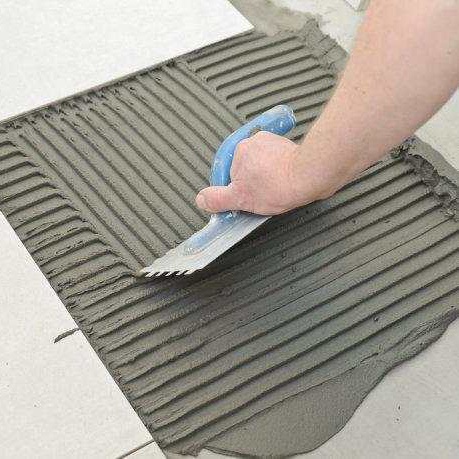
- Construction: HPMC-based additives for cement and drywall depend on Tg to maintain consistency and prevent cracks under temperature swings, vital in areas with seasonal extremes like Northern Europe and parts of the US.
- Personal care: Creams and lotions utilize HPMC where Tg knowledge allows optimization of texture and stability even during transport.
- Food industry: HPMC as a thickener or stabilizer benefits from understanding Tg to maintain quality from factory to consumer.
In emergency relief scenarios—for example, the UN’s aid programs in tropical disaster zones—understanding how polymer components respond to heat ensures supplies last when they're most needed.
Advantages and Long-Term Benefits of Knowing the Glass Transition Temperature of HPMC
Grasping the glass transition temperature enables manufacturers and users to:
- Cut costs: Fewer failed batches, less spoilage, and optimized storage conditions mean savings.
- Boost sustainability: Longer shelf life and reduced waste support circular economy goals.
- Enhance product reliability: Materials behave consistently, fostering trust among end users.
- Support innovation: Tailored polymers with specific Tg values open new application frontiers.
Frankly, it also fosters peace of mind—knowing that what’s on the shelf or in transit won’t unexpectedly degrade feels important, especially when lives depend on it.
Table: Typical Product Specifications of HPMC Grades Related to Tg
| Parameter | Grade A | Grade B | Grade C |
|---|---|---|---|
| Molecular Weight (kDa) | 80-100 | 120-140 | 150-170 |
| Degree of Substitution (-OH groups) | 1.1-1.3 | 1.2-1.4 | 1.3-1.5 |
| Glass Transition Temperature (°C) | 150-160 | 160-165 | 165-175 |
| Moisture Content (%) | 3-5 | 4-6 | 5-7 |
Vendor Comparison for HPMC Products Based on Tg-Related Performance
| Vendor | Tg Testing Accuracy | Custom Grade Availability | Moisture Control Process | Global Logistics Network |
|---|---|---|---|---|
| Vendor A | ±1°C | Yes | Vacuum drying | Extensive |
| Vendor B | ±1.5°C | Limited | Air drying | Moderate |
| Vendor C | ±0.8°C | Yes | Freeze drying | Limited |
The Horizon: Innovations and Future Trends in HPMC Glass Transition Temperature Research
Sustainability speaks loudly in today's research labs. Scientists are exploring greener synthesis routes for HPMC, aiming to tune Tg by bio-based additives and new plasticizers to replace petroleum-based chemicals.
Automation, too, is making Tg testing faster and more precise, helping accelerate formulation cycles. In some cases, AI algorithms predict Tg changes given a new formulation, saving time and resources.
There's also growing interest in multi-responsive polymers—materials that adjust Tg depending on humidity or pH, which could revolutionize targeted drug delivery and smart packaging.
Challenges and How the Industry Is Navigating Them
Of course, this field isn’t without hurdles. Moisture sensitivity remains a headache for many formulations, where storage environments vary widely. Plus, Tg testing requires precise instrumentation, which can be costly.
One workaround many manufacturers are adopting is using in-line moisture and Tg sensors during production, ensuring quality in real time rather than post-production testing. Additionally, collaboration with vendors who offer custom grades with guaranteed Tg profiles helps minimize risk.
FAQ: Common Questions on HPMC Glass Transition Temperature
Q1: How does the glass transition temperature affect the stability of pharmaceutical tablets?
A: The glass transition temperature determines the physical state of the HPMC binder. If a tablet is stored above this Tg, the binder may become too soft, causing deformation or early dissolution, which reduces product effectiveness.
Q2: Can moisture-induced Tg changes be controlled during transport?
A: Yes, moisture control packaging combined with selecting HPMC grades that have higher Tg or treated for moisture resistance can mitigate this problem, ensuring product integrity during transit.
Q3: Why do different HPMC grades have varying glass transition temperatures?
A: Variations in molecular weight, degree of substitution, and processing lead to differences in polymer chain mobility, thereby affecting Tg. This allows customization for specific applications and climates.
Q4: How do manufacturers test for the glass transition temperature?
A: Devices like Differential Scanning Calorimetry (DSC) and Dynamic Mechanical Analysis (DMA) are standard tools that accurately measure Tg by monitoring heat flow or mechanical behavior changes.
Q5: Are there eco-friendly HPMC products with favorable Tg?
A: Yes, newer advances focus on bio-derived HPMC variants with modified Tg to reduce environmental impact while maintaining performance standards.
Conclusion & Call to Action
Ultimately, understanding the nuances of the hpmc glass transition temperature is more than just academic—it’s an operational advantage that touches product safety, cost-efficiency, and sustainability worldwide. As industries evolve and face new challenges, mastering this property enables innovation that respects both business goals and global needs.
If you want to explore detailed data, custom formulations, or expert advice on HPMC and its glass transition properties, don’t hesitate to visit our website. Because sometimes, it’s the temperature you don’t see that makes all the difference.
References
-
Understanding Hydroxypropyl Methyl Cellulose MSDS Safety and Compliance
NewsApr.16,2026
-
Understanding the Hydroxypropyl Methyl Cellulose HS Code for Global Trade
NewsApr.09,2026
-
Comprehensive Guide to Hydroxypropyl Methyl Cellulose CAS Number and Applications
NewsApr.07,2026
-
Comprehensive Guide to Hydroxypropyl Methyl Cellulose cas no and its Diverse Applications
NewsApr.04,2026
-
Comprehensive Guide to Hydroxypropyl Methyl Cellulose Manufacturers and Applications
NewsMar.31,2026
-
Understanding Hydroxypropyl Methyl Cellulose Properties And Diverse Applications
NewsMar.28,2026