
Nov . 26, 2025 23:35 Back to list
Practical Guide to HPMC Gel Preparation – Processes, Benefits & Vendors
Why hpmc gel preparation Matters in Today’s World
Hydroxypropyl methylcellulose (HPMC) gel preparation might sound niche or technical, but its impact stretches far beyond chemistry labs and factory floors. Globally, this process supports numerous industries — from pharmaceuticals and construction materials to food additives and cosmetics. Understanding hpmc gel preparation means appreciating a versatile, reliable technique that fuels innovation in product formulation and supports humanitarian relief sectors by improving materials’ durability and safety.
The challenges in producing consistent, high-performance gels push manufacturers to improve their methods. This topic is especially relevant now: the global chemical industry, valued at over USD 5 trillion, depends heavily on specialized polymers like HPMC. From Europe to Asia, scalable and cost-effective gel preparation makes a real difference, solving supply chain headaches and enhancing product quality.
The Global Context: Why Everyone’s Talking About HPMC Gel Preparation
You probably wouldn’t guess, but the United Nations highlights sustainable chemical processes as a key part of their 2030 agenda. In that light, hpmc gel preparation stands out. ISO standards also drive quality controls to meet international demand. Why? Because gel materials, when done right, can replace less eco-friendly solutions and improve things like drug delivery, industrial adhesives, and environmentally safe construction additives.
There’s a problem though: in many regions, inconsistent preparation techniques limit widespread adoption. This leads to quality issues — and when you’re manufacturing products used in healthcare or food, that’s a big red flag.
Defining HPMC Gel Preparation
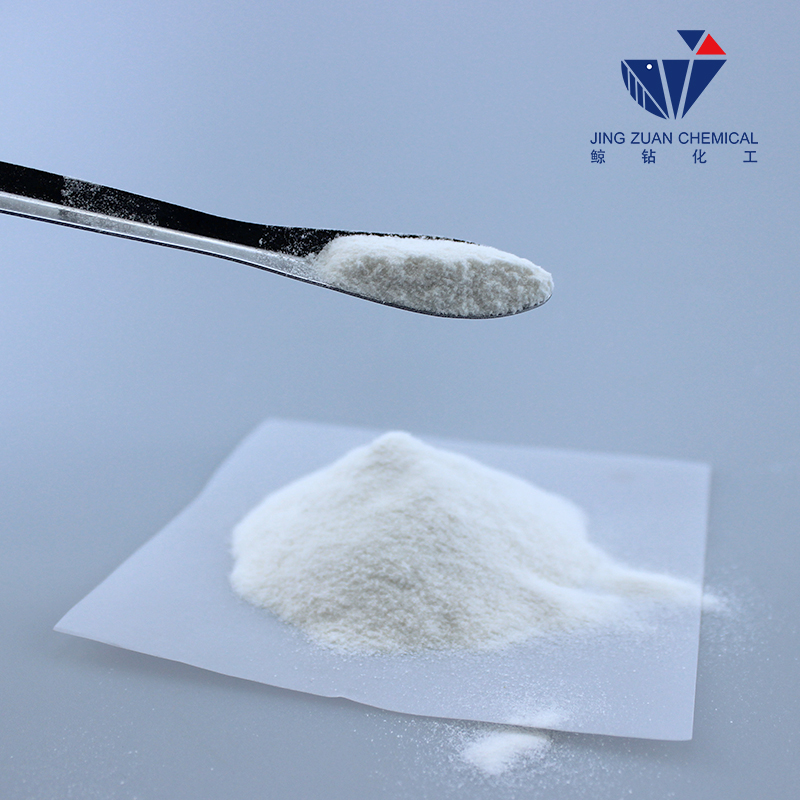
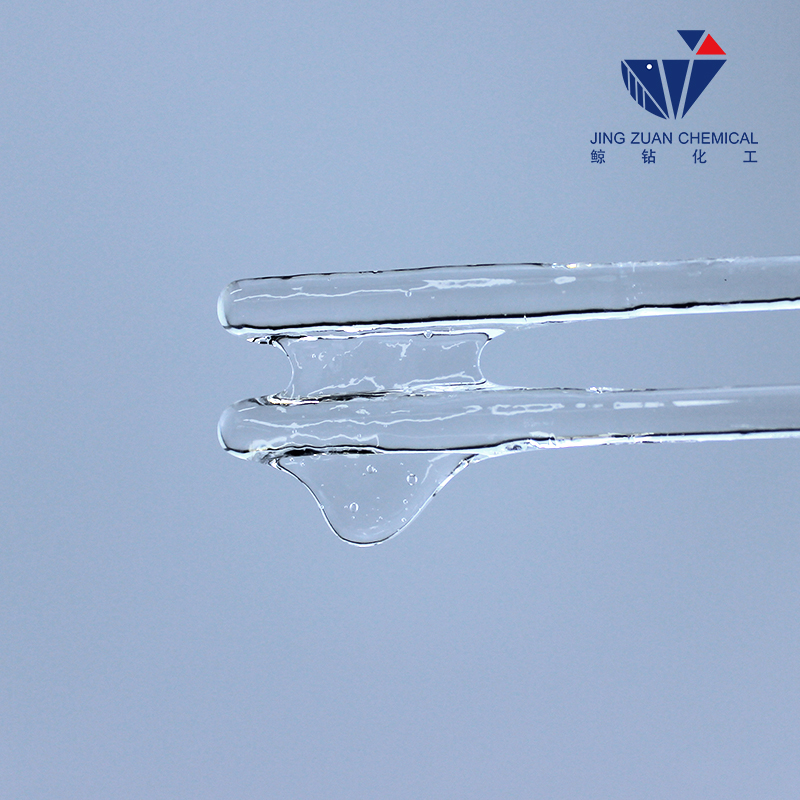
Simply put, hpmc gel preparation is the controlled process of mixing hydroxypropyl methylcellulose — a cellulose derivative — with water (or solvents) to create a gel-like substance. This gel is prized for its stability, viscosity, and ability to form films. It’s a thickener, a binder, and sometimes even a delivery vehicle in drug formulations.
On a broader scale, this preparation touches multiple industries, from biomedicine to construction — anywhere viscosity control, moisture retention, or surface protection is critical. Frankly, it’s an unsung hero in modern manufacturing.
Core Components Influencing Gel Quality
1. Viscosity Control
Controlling the gel's viscosity is crucial. It affects workability and application. For example, industrial sealants require a particular thickness to stay put, while pharmaceutical gels need to flow gently. Adjusting the HPMC grade and concentration is part of the art.
2. Temperature Management
HPMC is notorious for changing properties with temperature shifts. The preparation often involves heating or cooling cycles to stabilize the gel without degrading its structure.
3. pH Sensitivity
Because HPMC is slightly sensitive to pH, controlling acidity or alkalinity during preparation ensures optimal gel performance and shelf life.
4. Dispersing Technique
How we mix matters. High-shear mixers or slow stirring affect how well particles disperse and hydrate. This can be the difference between clumpy goo and smooth gel.
5. Additives & Stabilizers
Other ingredients like salts, preservatives, or co-polymers often sneak into the gel to tweak performance or longevity.
Mini takeaway:
Getting these components right ensures a gel that’s reproducible and fit-for-purpose — a surprisingly tricky balance that many underestimate.
Practical Applications of HPMC Gel Preparation Around the World
The versatility of hpmc gel preparation shines globally:
- Pharmaceuticals: Used as a coating material or drug carrier in tablets and topical creams; consistency helps dosage accuracy.
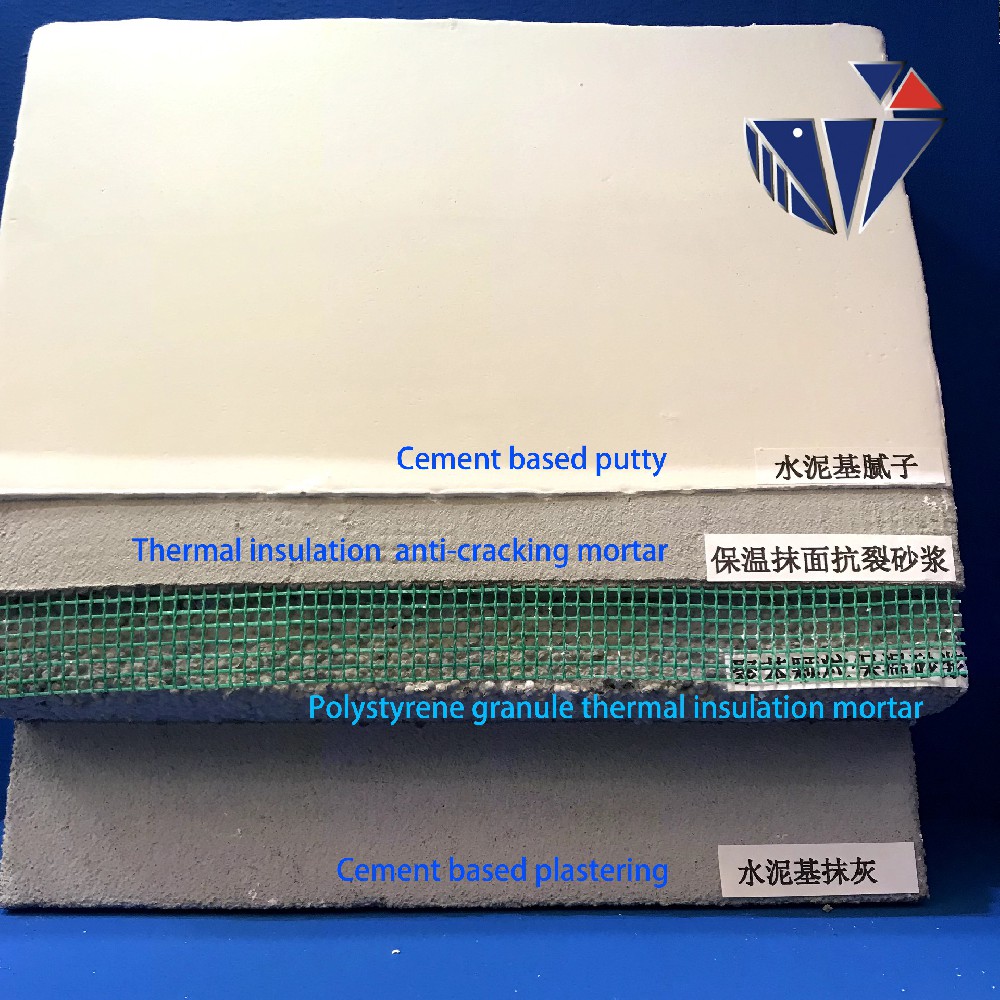
- Construction: HPMC gels improve mortar and plaster workability while providing water retention — critical in arid regions like the Middle East.
- Food Industry: As a thickener and emulsifier in sauces or gluten-free baked goods, particularly in European and North American markets.
- Cosmetics: Gel formulations that smooth skin feel and enhance product stability, popular in Asian markets.
- Humanitarian Relief: In remote disaster zones, HPMC gels help produce lightweight, durable materials for temporary agriculture or filtration systems.
One industrial case, for instance, involves a Southeast Asian manufacturer who optimized gel preparation to export reliable construction additives to multiple countries — a real boost in competitive advantage.
Mini takeaway:
Beyond lab walls, HPMC gel preparation powers essential sectors — bridging high tech, environmental responsibility, and economic sustainability.
Advantages and Long-Term Value of HPMC Gel Preparation
It’s easy to focus on technical specs, but the benefits go beyond that:
- Cost Efficiency: Due to raw material abundance and scalable processes, manufacturers save money.
- Sustainability: HPMC is biodegradable and derived from cellulose, meaning it aligns with green initiatives.
- Reliability & Safety: For medical or food products, consistent gel quality translates to consumer trust and regulatory compliance.
- Innovation Friendly: Because the gel is easily modified, companies innovate faster with new product formulas.
- Social Impact: In relief use, durable gels enable safer living conditions, preserving dignity and health.
The emotional weight of these benefits shouldn't be underestimated. Knowing a material you helped create protects someone in disaster zones feels rewarding.
Product Specification Table: Typical HPMC Gel Preparation Parameters
| Parameter | Typical Range | Notes |
|---|---|---|
| HPMC Concentration | 2–5% w/w | Depends on application viscosity needs |
| Mixing Temperature | 20–60°C | Avoid overheating to prevent degradation |
| pH Range | 5.5–8.5 | Optimal for stability & shelf life |
| Mixing Speed | 100–500 rpm | Balancing dispersion and air entrapment |
| Viscosity (cP) | 5000–100,000 | Measured at 20 rpm, 25°C |
Vendor Comparison: Leading HPMC Gel Preparation Providers
| Vendor | Product Range | Customization | Global Reach | Pricing |
|---|---|---|---|---|
| CNJZ Chemical | Wide (pharma-grade, construction) | Yes, based on client specs | Strong (Asia, Europe, MENA) | Competitive |
| Sigma-Aldrich | Pharmaceutical & research | Limited | Global | Premium |
| Dow Chemical | Broad industrial portfolio | Moderate | Global | Moderate |
| Ashland | Specialty and pharma | High | Global | Moderate to Premium |
Looking Ahead: Trends and Innovations in HPMC Gel Preparation
The future of hpmc gel preparation is oddly exciting. As digital transformation sweeps manufacturing floors, automation systems and AI-controlled mixers promise precision even novices never dreamed of. On the environmental front, greener sourcing of cellulose and energy-efficient processing further enhance sustainability.
Material science advances hint at hybrid gels combining HPMC with nanomaterials for stronger, lighter products. Imagine construction additives that self-heal cracks or drug gels tuned to release meds at specific body sites. It feels like the gel world is waking up, slowly but surely.
Challenges & Practical Solutions
While the benefits sound great, challenges persist. Variability in raw materials, temperature sensitivity, and scale-up difficulties frequently trip up producers. However, experts often recommend:
- Implementing robust quality control at every step
- Using real-time viscosity monitors during mixing
- Exploring advanced dispersants and stabilizers
- Partnering with experienced suppliers for consistency
These measures reduce waste and improve final gel quality. Of course, no silver bullet exists — but thoughtful process design pays dividends.
FAQ: Common Questions About HPMC Gel Preparation
- Q: How do I ensure consistent viscosity in HPMC gels?
- A: Controlling raw material grade, exact concentration, temperature during mixing, and using proper stirring speeds are crucial. Small deviations can impact viscosity, so process automation helps maintain consistency.
- Q: Can I prepare HPMC gels at room temperature?
- A: Yes, but depending on the HPMC type and concentration, gentle warming may be necessary to fully hydrate particles and avoid lumps. Testing different protocols helps find the best approach.
- Q: Are HPMC gels safe for food and pharmaceutical use?
- A: Absolutely. Pharmacopeia-grade HPMC complies with health regulations and is widely used in drug capsules and food thickening.
- Q: What equipment is recommended for large scale HPMC gel preparation?
- A: High-shear mixers with temperature control and inline viscosity sensors are ideal for industrial-scale preparation, ensuring uniform quality.
In Conclusion: Why Invest in Quality HPMC Gel Preparation?
Mastering hpmc gel preparation pays off in product performance, sustainability, and customer satisfaction. Whether you’re innovating pharma formulations or enhancing construction materials, the right gel formulation helps you get there faster and better — not a minor detail, but often the secret sauce. For those curious or ready to upgrade their production lines, hpmc gel preparation resources and expert advice await.
Until next time, keep mixing wisely.
References
-
Understanding Hydroxypropyl Methyl Cellulose MSDS Safety and Compliance
NewsApr.16,2026
-
Understanding the Hydroxypropyl Methyl Cellulose HS Code for Global Trade
NewsApr.09,2026
-
Comprehensive Guide to Hydroxypropyl Methyl Cellulose CAS Number and Applications
NewsApr.07,2026
-
Comprehensive Guide to Hydroxypropyl Methyl Cellulose cas no and its Diverse Applications
NewsApr.04,2026
-
Comprehensive Guide to Hydroxypropyl Methyl Cellulose Manufacturers and Applications
NewsMar.31,2026
-
Understanding Hydroxypropyl Methyl Cellulose Properties And Diverse Applications
NewsMar.28,2026