
Nov . 26, 2025 21:35 Back to list
What is the HPMC Full Form? Understanding Hydroxypropyl Methylcellulose and Its Global Impact
Unpacking the HPMC Full Form: Why It Matters Globally
When diving into manufacturing, construction, or even pharmaceuticals, you’ve probably stumbled across the term HPMC without grasping its meaning outright. Frankly, understanding the hpmc full form—Hydroxypropyl Methylcellulose—can unlock a world of insight into materials that quietly hold industries together. Globally, this compound plays critical roles, from strengthening building plasters to improving drug delivery.
Why should you care? Because HPMC’s versatility touches thousands of sectors worldwide, supporting sustainability goals and improving product performance — and that’s no exaggeration.
The Global Context: How HPMC Fits in Today’s Industry Landscape
Hydroxypropyl Methylcellulose’s global footprint is sizeable. Recent reports from the International Organization for Standardization (ISO) and the World Bank highlight a strong push for materials that are biodegradable and enhance product durability. The global market for cellulose ethers, including HPMC, is expected to grow steadily at 5–7% annually over the next decade.
Why the rise? Industries worldwide face pressure to replace synthetic polymers with bio-based alternatives, decrease waste, and comply with evolving environmental regulations. Challenges such as climate change and resource scarcity push companies toward smarter materials like HPMC, which strike a balance between cost, functionality, and sustainability.
What Exactly Is the HPMC Full Form?
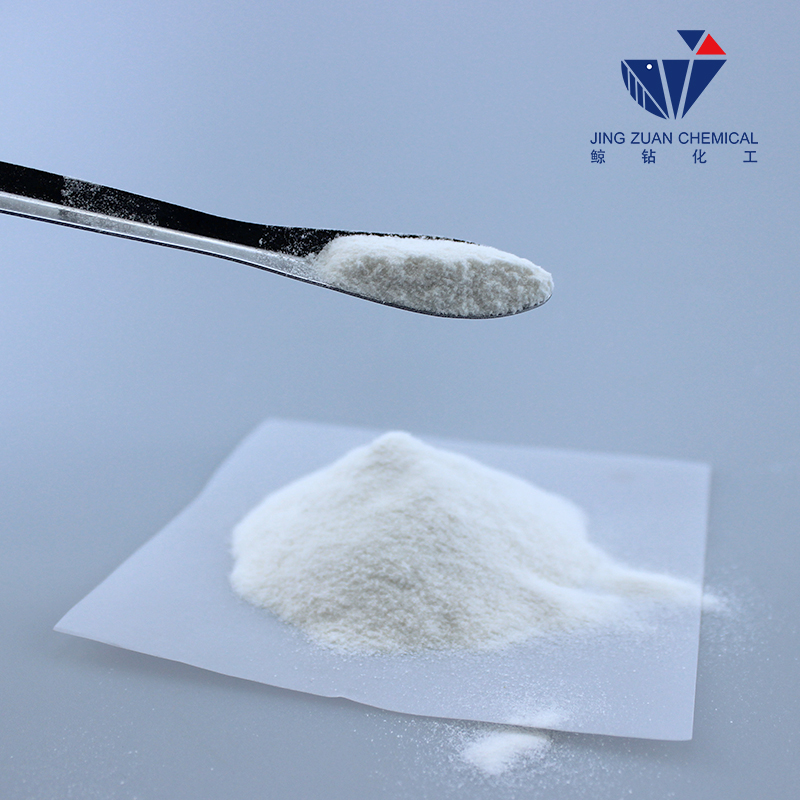
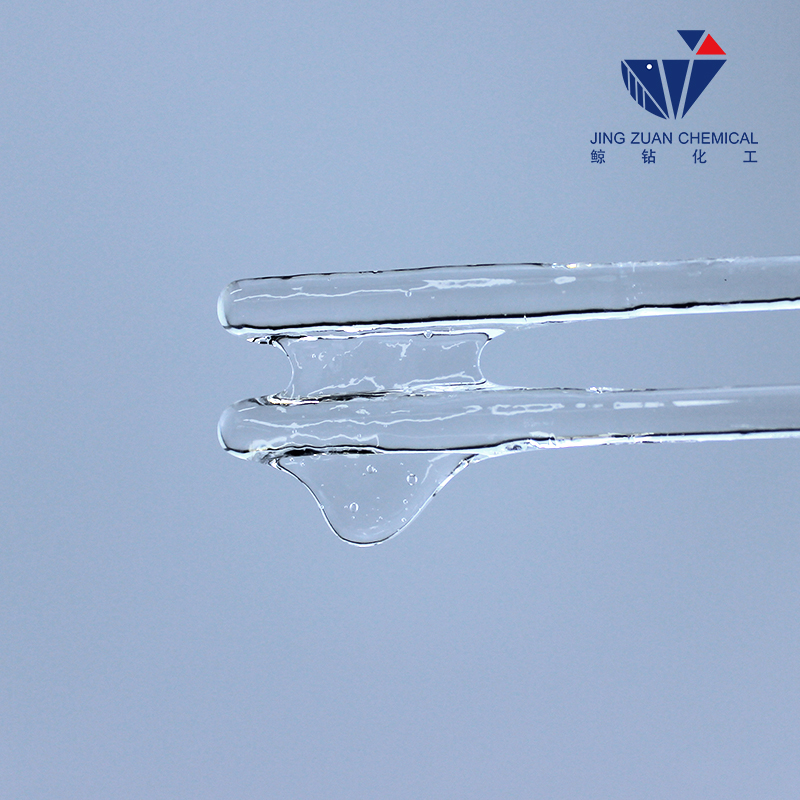
In short, HPMC stands for Hydroxypropyl Methylcellulose. It’s a chemically modified form of cellulose, the most abundant organic polymer on Earth, derived primarily from wood pulp or cotton fibers. By chemically adding hydroxypropyl and methyl groups to cellulose, manufacturers create a compound that dissolves in cold water, forms gels when heated, and resists enzymatic breakdown.
This combination gives HPMC a unique set of properties—it's non-toxic, stable, and versatile. You’ll find it in construction materials to improve adhesion, in pharmaceuticals as a controlled-release agent, and in food products as a thickener or film former.
Core Components and Features That Make HPMC Stand Out
1. Water Retention and Workability
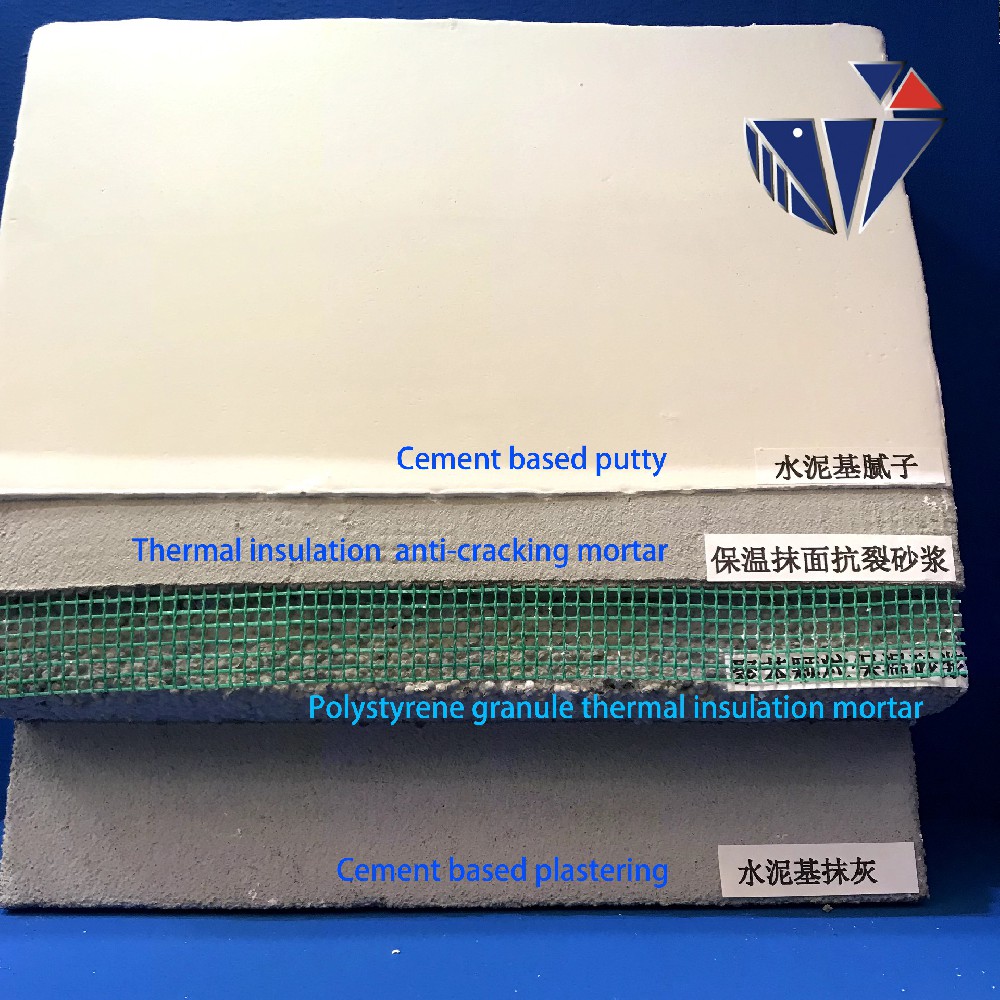
In construction, especially plaster and tile adhesives, HPMC acts as a water retention agent. It keeps the mix workable longer, allowing artisans or machines to apply materials without premature drying. This quality can save both time and materials on-site.
2. Film-Forming and Binding Ability
Its film-forming property is crucial in coatings and paints. A HPMC-based binder ensures uniform films that adhere well to different surfaces, improving durability and aesthetic finish.
3. Thermal Gelation
Oddly enough, HPMC gels when heated—a feature exploited in drug delivery systems to target release at body temperature. This smart behavior helps adjust how meds dissolve or keeps food products stable.
4. Chemical Stability and Compatibility
Because HPMC resists breakdown by enzymes and chemicals, it fits well into demanding applications like cement modification and stabilizing emulsions, where consistent performance matters.
5. Biodegradability and Eco-Friendliness
One of the quietly powerful aspects is its plant-based origin and biodegradability, perfectly aligned with global sustainability pushes.
Mini takeaway: The hpmc full form brings together a performance-packed molecule that balances ease of use with long-term environmental responsibility—a rare combo.
Real-World Applications: Where Does HPMC Show Up?
- Construction Industry: Used extensively in drywall joint compounds, tile adhesives, and cementitious mortars to improve strength and application properties.
- Pharmaceuticals: As a binder, thickener, and controlled-release agent in tablets and capsules.
- Food Industry: Thickening agent in gluten-free flours, stabilizing ice creams, and helping reduce fat content.
- Personal Care Products: Found in lotions and shampoos for its viscosity and moisturizing effects.
- Paints and Coatings: Enhancing spreadability and film quality.
For instance, in post-disaster relief operations, tiles and plaster with HPMC allow quick setup of durable temporary shelters. In remote industrial zones, it ensures construction materials stay effective despite tough weather conditions and limited equipment.
Product Specifications: Typical HPMC Grades at a Glance
| Specification | Grade A | Grade B | Grade C |
|---|---|---|---|
| Viscosity (mPa·s) | 25,000 | 50,000 | 100,000 |
| Methoxy Content (%) | 19.5–24.5 | 19.5–24.5 | 19.5–24.5 |
| Hydroxypropyl (%) | 4.5–12.0 | 4.5–12.0 | 4.5–12.0 |
| Degree of Polymerization | 500–2000 | 500–2000 | 500–2000 |
| Solubility | Cold water-soluble | Cold water-soluble | Cold water-soluble |
Comparing Leading HPMC Suppliers: What Sets Them Apart?
| Vendor | Geographic Reach | Product Range | Price Level | Sustainability Focus |
|---|---|---|---|---|
| Chen Li Chemical | Asia, Europe | Broad (Grades A to E) | Mid-range | High (Biodegradable Focus) |
| Global Cellulose Inc. | North America, Latin America | Selective Grades | Premium | Medium |
| RenewChem Solutions | Global | Full Range | Competitive | Very High (Eco-certified) |
Advantages & Long-Term Impact of Understanding the HPMC Full Form
Knowing the hpmc full form isn’t just a trivia fact; it unlocks an array of practical benefits. First, incorporating HPMC into production can significantly reduce water consumption. Many engineers report easier mixing, fewer reworks, which saves both money and raw resources. Then there’s the sustainability angle — HPMC is derived from renewable cellulose, breaks down naturally, and helps reduce reliance on harsh chemicals.
On a social level, products enhanced with HPMC often deliver better end-user experiences — safer pharmaceuticals, more reliable construction, or cleaner personal care products. There’s also an emotional factor: offering end-users dignity through quality and safety, whether it’s a patient trusting a medication or a family relying on stable housing.
What Does the Future Hold for HPMC?
Innovation never stops. Emerging trends point to HPMC formulas blended with nanomaterials for enhanced strength and smart coatings that change color with temperature or humidity. Digital transformation affects supply chains—better traceability of raw materials—while green chemistry initiatives focus on even more sustainable production routes.
Governments and global organizations increasingly mandate certifications that may soon tie compliance to the percentage of sustainable additives like HPMC. Automation in manufacturing means fine-tuning viscosity grades precisely, enabling tailor-made materials suited to unique climatic or industrial conditions.
Challenges and How Experts Suggest Overcoming Them
Despite how neat it sounds, working with HPMC isn’t always straightforward. Its solubility depends greatly on temperature and pH, which can sometimes lead to inconsistent results in certain formulations. There can also be supply chain hiccups — cellulose sources fluctuate with agricultural cycles.
Industry experts recommend rigorous testing protocols, diversifying cellulose procurement sources, and close collaboration with chemical suppliers to optimize batches. Plus, ongoing R&D to tweak molecular substitution patterns can enhance stability and tailor usability.
FAQs About the HPMC Full Form
- What is the main purpose of HPMC in construction materials?
- HPMC acts primarily as a water retention agent and thickener, improving the workability and durability of adhesives, plasters, and mortars. This leads to better adhesion and reduces cracking over time.
- How does HPMC contribute to pharmaceutical formulations?
- In pharma, HPMC serves as a controlled-release agent and binder, allowing medicines to dissolve predictably and maintain stability during shelf life. It also offers a safe, non-toxic option with minimal side effects.
- Is HPMC considered environmentally friendly?
- Yes, since it is plant-derived and biodegradable, HPMC aligns well with eco-friendly initiatives. It reduces reliance on synthetic polymers and contributes to lower environmental impact over a product’s lifecycle.
- Can HPMC grades be customized for specific applications?
- Absolutely. Suppliers offer various viscosity and substitution grades to suit diverse industrial needs, from low-viscosity for paints to high-viscosity for plaster work.
- Where can buyers find reliable suppliers of HPMC?
- Major chemical vendors with global distribution like Chen Li Chemical or RenewChem Solutions provide trustworthy HPMC products. Choosing suppliers with sustainability certifications ensures quality and compliance.
In Conclusion: Why Knowing the HPMC Full Form Matters
Understanding the hpmc full form opens the door to appreciating a chemical marvel that quietly shapes many modern conveniences. From enabling stronger buildings to safer medicines, its role is vital and growing. As industries move toward greener, more sustainable solutions, HPMC stands poised as a key player in tomorrow’s products.
Curious to learn more or source quality HPMC for your projects? Visit our website: https://www.cnjzchemical.com
Mini takeaway: HPMC combines chemistry, sustainability, and practical benefits in a way few other materials match. Not only a material acronym, but a doorway to smarter manufacturing and innovation.
References:
1. Wikipedia - Hydroxypropyl Methylcellulose
2. ISO Standards on Cellulose Ethers
3. World Bank Environmental Reports
-
Understanding Hydroxypropyl Methyl Cellulose MSDS Safety and Compliance
NewsApr.16,2026
-
Understanding the Hydroxypropyl Methyl Cellulose HS Code for Global Trade
NewsApr.09,2026
-
Comprehensive Guide to Hydroxypropyl Methyl Cellulose CAS Number and Applications
NewsApr.07,2026
-
Comprehensive Guide to Hydroxypropyl Methyl Cellulose cas no and its Diverse Applications
NewsApr.04,2026
-
Comprehensive Guide to Hydroxypropyl Methyl Cellulose Manufacturers and Applications
NewsMar.31,2026
-
Understanding Hydroxypropyl Methyl Cellulose Properties And Diverse Applications
NewsMar.28,2026