
Nov . 26, 2025 19:40 Back to list
Comprehensive Guide to HPMC Formulation: Uses, Benefits & Future Trends
Understanding HPMC Formulation: Why It Matters Globally
Hydroxypropyl methylcellulose (HPMC) formulation isn’t exactly a phrase you hear every day in casual conversation, but frankly, it deserves attention — especially if you’re involved in industries like construction, pharmaceuticals, or even environmental management. At its core, HPMC formulation relates to creating a versatile cellulose derivative that offers a string of benefits: moisture retention, thickening, and improved durability. The global significance? Well, this simple compound is behind some smarter building materials, safer medications, and enhanced industrial processes around the world.
According to industry analyses, the global demand for cellulose ethers — including HPMC — is expected to climb steadily, largely driven by sustainable building efforts and more eco-conscious manufacturing. The United Nations and ISO standards increasingly encourage materials that reduce waste and energy use, where HPMC chemistry plays key roles. Understanding the basics and practical uses of HPMC formulation, therefore, isn’t just a niche interest — it’s a step toward smarter resource use and innovative product design worldwide.
Mini takeaway: HPMC formulation bridges chemistry and sustainability, offering solutions that matter for industries and communities globally.
What Exactly Is HPMC Formulation?
So, what do we mean when we talk about HPMC formulation? In plain terms, it’s the process of creating and fine-tuning hydroxypropyl methylcellulose-based mixtures tailored for specific uses. HPMC itself is a chemically modified cellulose polymer derived mainly from wood pulp or cotton fibers. Depending on how it’s formulated — that is, the ratios and process parameters — it can behave as a water-retaining agent, thickener, emulsifier, or film former.
More than just a lab curiosity, these formulations have clear real-world importance. They serve as critical agents in everything from cement additives for stronger, longer-lasting concrete to coatings that protect tablets in pharmaceutical manufacturing. Oddly enough, these everyday items wouldn’t be nearly as reliable or effective without the nuances of good HPMC formulations.
Mini takeaway: HPMC formulation adapts a basic natural polymer into a multifunctional material essential for many modern industries.
The Core Components of a Successful HPMC Formulation
1. Durability and Stability
Durability isn’t just a buzzword here. It literally refers to how well the HPMC formulas hold up under varying temperature and humidity conditions. For example, in cement, the right HPMC standard improves workability without breaking down prematurely.
2. Moisture Retention
This is where HPMC shines. It controls water release and absorption, critical in construction mortars or pharmaceutical tablets that need to maintain integrity without excess moisture.
3. Viscosity and Rheology
Viscosity essentially determines how thick or free-flowing a mixture is. Good control of rheology makes these formulations versatile, enabling smooth application in industrial sprays or adhesives.
4. Compatibility with Other Materials
Formulations have to work in harmony with other ingredients — whether that means blending into cement matrices or mixing with active pharmaceutical ingredients, the chemistry has to stay friendly.
5. Cost Efficiency
Let’s face it — producing effective but affordable formulations is key. Excessive complexity or rare raw materials won’t fly in mass markets.
Mini takeaway: Targeted characteristics like moisture control and stability are what transform a basic HPMC into a fit-for-purpose formulation.
Global Applications: Where HPMC Formulation Makes a Difference
In real-world terms, HPMC formulations show up across the globe, quietly steering the performance of products you might never guess.
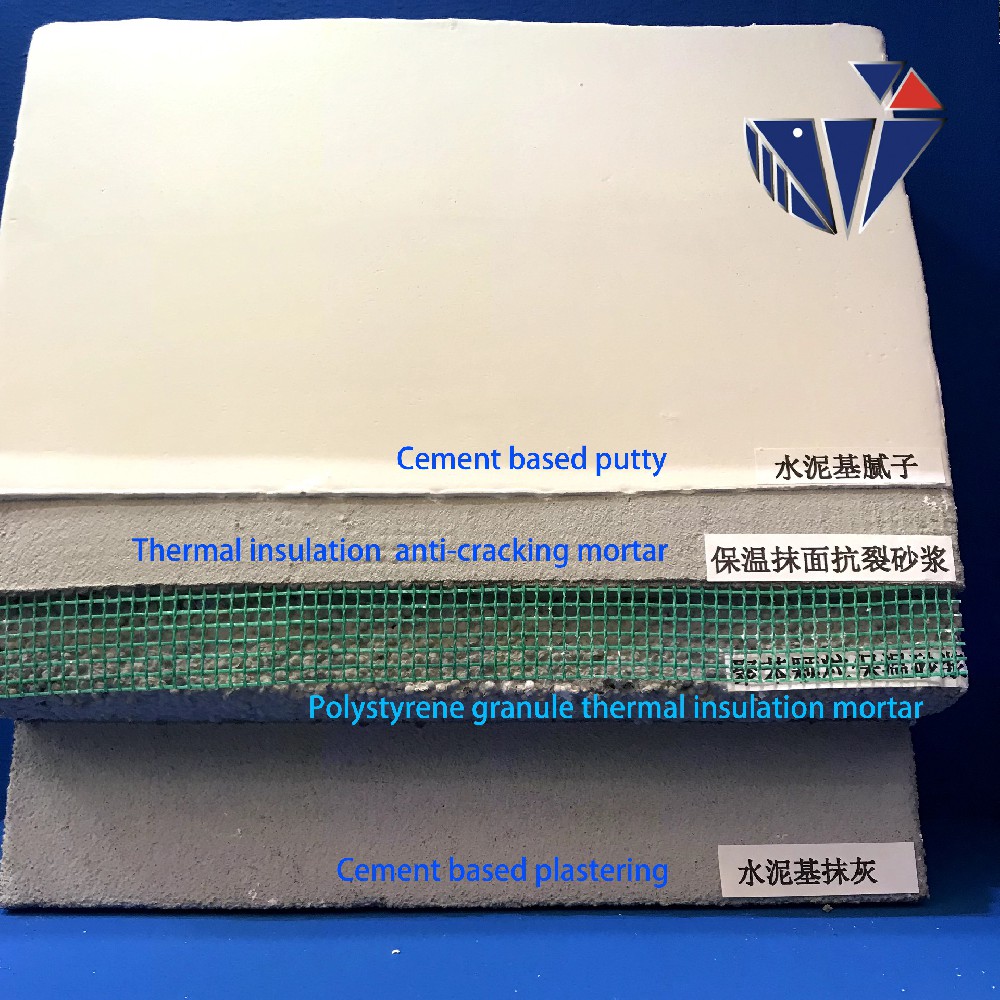
- Construction Industry — In Europe and Asia, HPMC is prized for creating better wall tile adhesives and dry mortars. Its ability to retain water means materials cure better and last longer.
- Pharmaceuticals — In North America, HPMC is a go-to in controlled-release tablet coatings, ensuring medication efficacy and patient safety.
- Cosmetics and Food — HPMC acts as a stabilizer and thickener for creams and sauces in markets across Latin America and the Middle East.
- Post-disaster Relief — In emergency housing shelters, some innovative modular blocks incorporate HPMC-enhanced additives for rapid curing and insulation, providing critical protection in remote or disaster-prone areas.
Mini takeaway: From construction to crisis relief, HPMC formulations touch essential sectors worldwide, enhancing product performance and reliability.
The Tangible Advantages and Long-Term Value of HPMC Formulation
It’s tempting to gloss over HPMC formulations as just “chemical additives,” but their impact is both deeply practical and emotionally reassuring. Here's why:
- Cost-Effective Reliability — Formulated correctly, HPMC improves material performance, meaning fewer repairs and delays. A builder might say it “saves headaches.”
- Sustainability — Being cellulose-based, HPMC supports eco-friendly goals, reducing dependence on petrochemicals.
- User Safety and Dignity — Pharmaceutical formulations using HPMC enhance drug safety, indirectly preserving lives and wellbeing.
- Innovation and Trust — Customers and end-users subconsciously favor stable, reliable products — and HPMC formulation delivers that consistency.
Mini takeaway: Beyond chemistry, HPMC formulations build trust through performance, safety, and sustainable advantages.
Looking Ahead: Emerging Trends and Innovations
It’s fascinating to think how HPMC formulations are evolving. For starters, green chemistry efforts push for even cleaner production methods. Additives based on bio-based cellulose with minimal processing are becoming standard.
Digital transformation also plays a role — computational modeling now helps tailor formulations to precise requirements, shaving development times. Automation in manufacturing ensures batch consistency.
Lastly, the rise of smart materials occasionally intersects with HPMC formulations, integrating sensors or responsive polymers for novel applications like self-healing coatings.
Mini takeaway: The future of HPMC formulation lies in sustainability, precision design, and smart materials integration.
Common Challenges and Practical Solutions in HPMC Formulation
Like anything else, HPMC formulations aren’t without their hurdles. Sometimes, achieving the right viscosity balance can be tricky, especially when working with multiple raw material batches.
Moisture sensitivity in certain environments may limit shelf life or application scope. Then you have cost pressures — pushing for cheaper substitutes occasionally compromises quality.
Experts suggest tight quality control combined with continuous raw material assessment helps maintain consistency. Also, partnerships with experienced suppliers who understand HPMC formulation nuances prove invaluable.
Mini takeaway: Facing tuning and durability challenges requires stringent quality practices and trusted supplier collaborations.
HPMC Formulation FAQ
- What is HPMC formulation used for in construction materials?
- It’s primarily used to improve water retention, workability, and adhesion in cement mortars and tile adhesives, ensuring durability and easier application.
- How long can products with HPMC formulations last?
- When properly formulated, these products often exceed standard industry lifespans, lasting decades, especially under optimal environmental conditions.
- Is HPMC eco-friendly?
- Yes. Derived from cellulose, a natural polymer, HPMC formulations support sustainability efforts by reducing reliance on synthetic additives.
- Can HPMC enable faster production processes?
- Definitely. Its moisture control and rheological properties help speed curing times and improve process efficiency in many manufacturing settings.
- How do companies ensure consistent quality in HPMC formulations?
- By carefully sourcing raw materials, implementing standardized manufacturing protocols, and using rigorous analytical testing throughout production stages.
Product Specification Table: Typical HPMC Formulation Characteristics
| Property | Typical Range | Units | Notes |
|---|---|---|---|
| Methoxy Content | 19–24 | % | Influences solubility |
| Hydroxypropyl Content | 4–12 | % | Affects viscosity |
| Viscosity (2% Solution at 20°C) | 50–4000 | mPa·s (cP) | Customized per application |
| pH | 5–8 | — | Stability range |
Vendor Comparison Table: Leading HPMC Formulation Suppliers
| Supplier | Product Range | Price Level | Customization Options | Global Reach |
|---|---|---|---|---|
| Supplier A | Wide (Low to High Viscosity) | Mid | Yes | Europe, Asia |
| Supplier B | Specialty Grades | High | Limited | North America |
| Supplier C | Standard Grades | Low | Yes | Global |
Wrapping Up: The Long-Term Promise of HPMC Formulation
In the end, HPMC formulation feels like a quietly revolutionary area. Not loud or flashy, but integral to how we build, medicate, and innovate. For anyone curious, diving into the specifics of this cellulose derivative's chemistry opens up perspectives on sustainability, durability, and cost-efficiency that ripple through global supply chains and humanitarian efforts.
If you want to explore more technical guidance or sourcing options, I suggest visiting the detailed resources at https://www.cnjzchemical.com. There, you’ll find hands-on info, case studies, and expert tips to master your own HPMC formulations.
References:
-
Understanding Hydroxypropyl Methyl Cellulose MSDS Safety and Compliance
NewsApr.16,2026
-
Understanding the Hydroxypropyl Methyl Cellulose HS Code for Global Trade
NewsApr.09,2026
-
Comprehensive Guide to Hydroxypropyl Methyl Cellulose CAS Number and Applications
NewsApr.07,2026
-
Comprehensive Guide to Hydroxypropyl Methyl Cellulose cas no and its Diverse Applications
NewsApr.04,2026
-
Comprehensive Guide to Hydroxypropyl Methyl Cellulose Manufacturers and Applications
NewsMar.31,2026
-
Understanding Hydroxypropyl Methyl Cellulose Properties And Diverse Applications
NewsMar.28,2026