
Nov . 26, 2025 17:50 Back to list
Understanding HPMC for Wall Putty: Benefits, Applications & Trends
Why hpmc for wall putty Matters in Today's Construction World
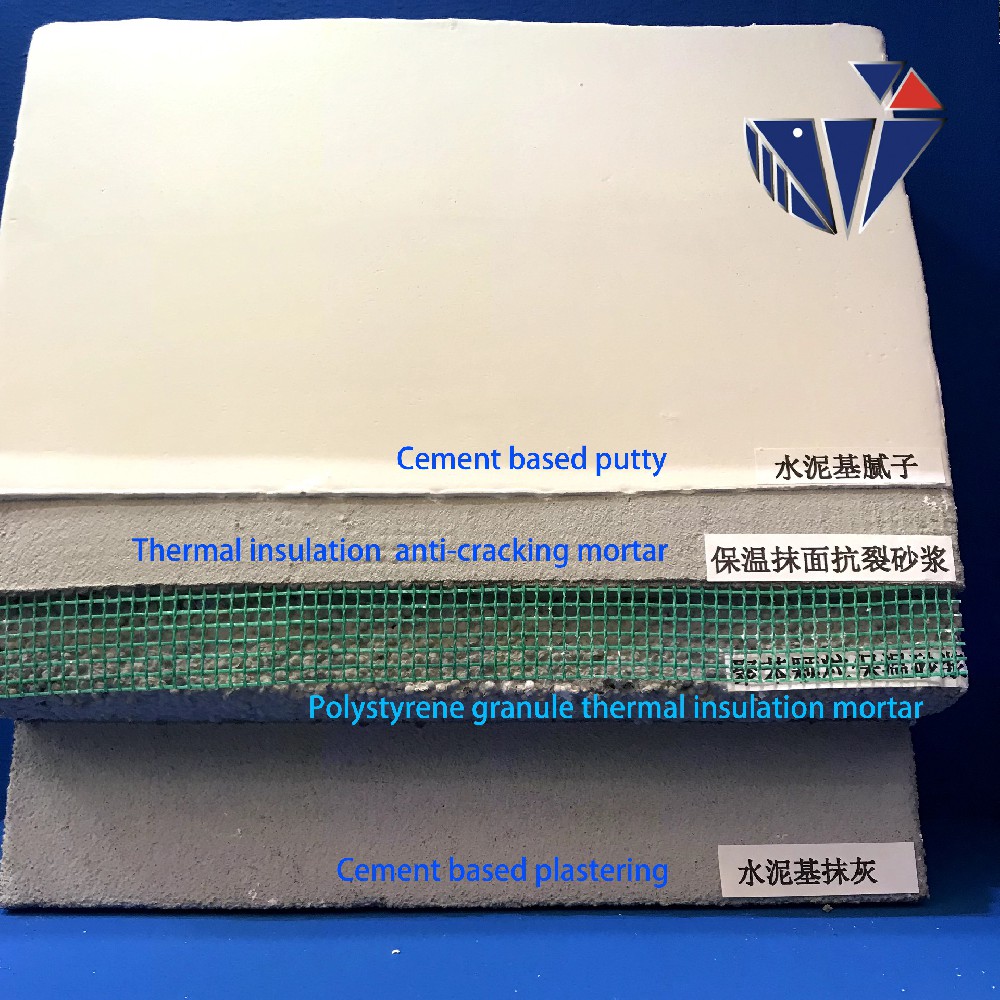
If you've ever wondered what sets a smooth, durable wall finish apart in modern construction, the secret often lies hidden in the chemistry — enter HPMC for wall putty. Hydroxypropyl methylcellulose, or HPMC, is a polymer that's quietly behind the scenes, helping walls resist cracking, crumbling, and moisture damage. Now, with global urbanization booming — the UN predicts that 68% of the world population will live in cities by 2050 — materials like HPMC-enhanced putty aren't just convenient, they're essential for safe, durable structures everywhere. Understanding the role and benefits of HPMC in wall putty is key for builders, manufacturers, and even humanitarian orgs tackling quick housing solutions. It improves workability and adhesion, ensuring walls stay strong longer without exorbitant costs. More on that soon...Setting the Stage: Global Relevance of HPMC in Construction Materials
Around the world, construction materials face harsher demands. Climate change is pushing weather extremes; buildings need to withstand more humidity, temperature swings, and sometimes even rapid deployment in crisis zones. According to a recent report from the International Organization for Standardization (ISO), materials enhancing durability can improve lifecycle performance by up to 50%. Here’s the catch: traditional wall putty often falls short when exposed to these tougher conditions — it may crack, chalk, or fail to adhere properly. This is where hpmc for wall putty comes in, acting as a stabilizer and consistency enhancer. From Asia’s monsoon rains to European humidity cycles, it’s becoming a go-to additive to help materials perform reliably across diverse climates. _Here’s a little takeaway: The global push for sustainable, long-lasting infrastructure needs smarter additives like HPMC to meet quality benchmarks economically._What Exactly Is HPMC for Wall Putty?
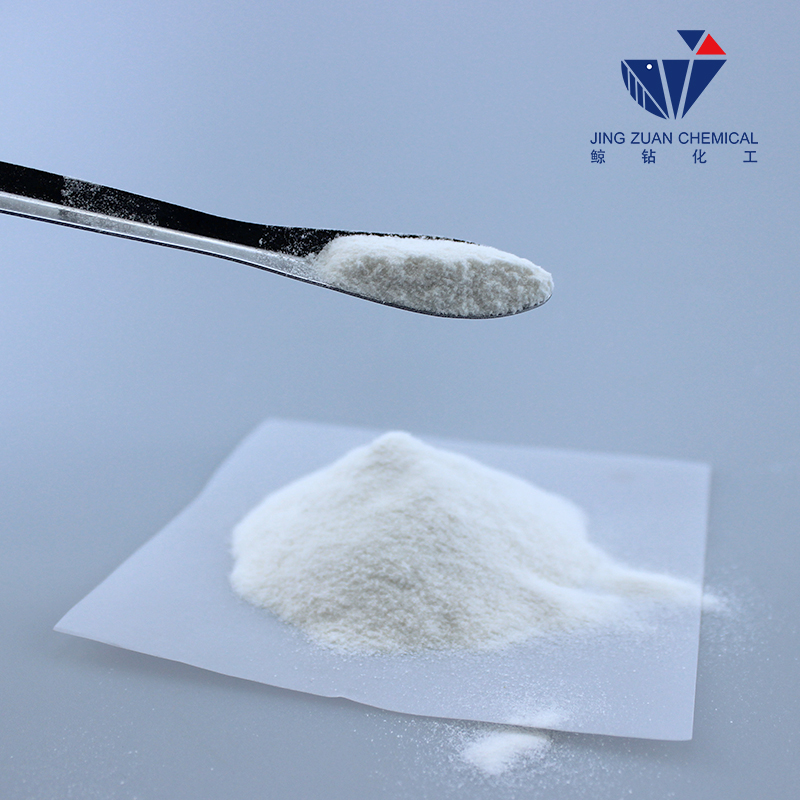
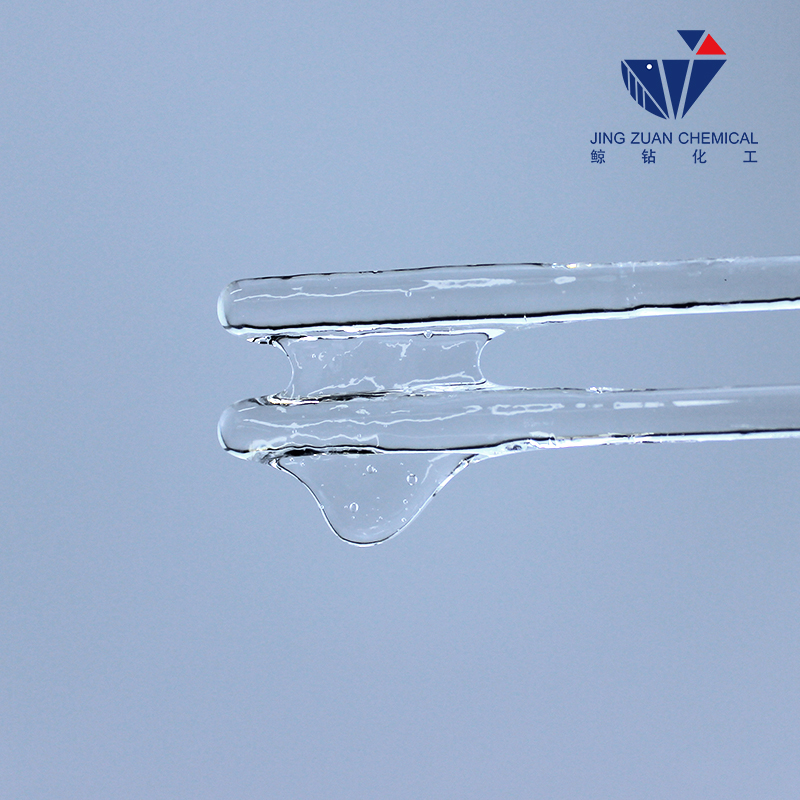
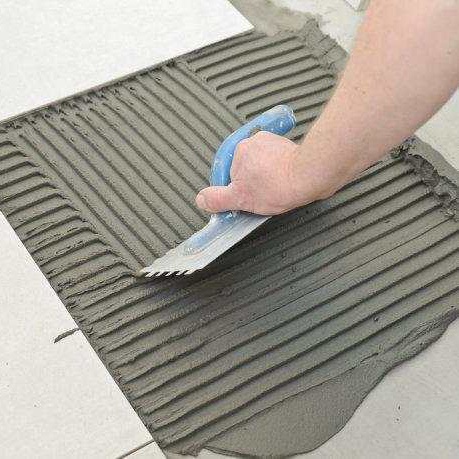
At its core, HPMC (hydroxypropyl methylcellulose) is a cellulose-derived polymer. It's a water-soluble compound often extracted from wood pulp or cotton fibers, chemically tweaked for unique viscosities. When blended into wall putty, it acts as a binder and rheology modifier, improving texture and workability. Think of it as the “magic glue” that holds the putty together but also makes it easier to apply smoothly with a trowel. Industrially, this means wall surfaces get a tougher, more crack-resistant, and moisture-stable coating. Humanitarian efforts appreciate this because it reduces repair frequency, which can be a huge boon in areas recovering from natural disasters or with limited maintenance budgets. You might say HPMC is the unsung hero of modern finishing materials.Core Features That Make HPMC Perfect for Wall Putty
1. Durability
HPMC improves the putty’s resistance to mechanical stresses and environmental aggressors, reducing cracking over time.2. Workability
The polymer makes the putty smoother and easier to spread — a real time-saver for builders, as well as a way to avoid the ugly patchy walls you see sometimes when putty doesn’t adhere well.3. Moisture Retention
It holds moisture in the mixture during application to avoid rapid drying and cracking and enhances water resistance once dried, critical for humid climates.4. Compatibility
HPMC works well with many types of additives and pigments, so brands can customize wall putty formulations without sacrificing performance.5. Cost Efficiency
By increasing putty effectiveness, it reduces the amount needed per square meter and lowers maintenance-related expenses in the long run. _Quick note: When you’re choosing wall putty, HPMC is the kind of ingredient you want on your checklist._Where Is HPMC-Enhanced Wall Putty Changing the Game?
Real-world applications are surprisingly broad. - Urban housing: In fast-growing cities across India and Southeast Asia, wall putty with HPMC is standard to combat monsoon moisture and rough handling during mass construction. - Crisis relief: NGOs building temporary shelters in disaster-struck zones like after the 2015 Nepal earthquake rely on formulations with HPMC to ensure quick drying without sacrificing durability. - Industrial zones: Remote areas with temperature fluctuations — say, Northern Europe’s industrial sites — use putty formulations fortified with HPMC to extend surface life. Manufacturers worldwide are taking note. In fact, companies from Germany to China are investing heavily in cellulose ether production to meet rising demand. _Here’s a little takeaway: HPMC-based wall putty is not just a fancy additive; it’s a real-world solution bridging performance gaps across continents._A Closer Look: Advantages & Long-Term Value
You might ask, beyond smooth walls, why invest in HPMC for wall putty? The benefits stack up nicely: - Enhanced lifespan: Less cracking and peeling means buildings look fresh longer. - Environmental edge: Using HPMC, often sourced sustainably, aligns with green construction goals. - Cost savings: Fewer repairs, less putty wasted, better efficiency. - User-friendly: Easier mixing and application reduce labor fatigue. - Trust & reputation: Builders appreciate reliable materials they can count on. It’s also an emotional boost—knowing that walls won’t fail unexpectedly gives occupants peace of mind, something we often forget until cracks appear.What’s Next? Emerging Trends Around HPMC in Wall Putty
Innovation rarely stops. Here’s what’s brewing: - Bio-based polymers: Swapping synthetic polymers for even greener cellulose derivatives. - Nanotechnology: Incorporating nano additives with HPMC to magnify strength or water repellency. - Digital formulation: Using AI to optimize putty mixes with HPMC for various climates. - Regulatory support: Some governments incentivize eco-friendly additives, giving HPMC products a leg up. The industry loves to tinker with cellulose ethers because they feel endlessly adaptable.Facing the Hurdles: Challenges & Solutions
No product is perfect. Common challenges include: - Quality variability: Sourcing consistent HPMC quality can be tricky, affecting putty performance. - Cost fluctuation: Raw material price spikes can impact affordability. - Compatibility issues: Improper formulations may cause separation or reduced setting time. Experts recommend: - Strong supplier vetting and lab testing. - Blending HPMC with complementary stabilizers. - Training applicators on the benefits and limitations to optimize usage. The good news is innovation keeps pushing solutions forward.Frequently Asked Questions About HPMC for Wall Putty
- What exactly does HPMC add to wall putty?
- HPMC acts as a thickener, binder, and moisture retainer, improving workability and durability. It makes the putty easier to apply and helps prevent cracking and peeling over time.
- Is wall putty with HPMC more expensive?
- While HPMC slightly increases raw material costs, the overall expense balances out thanks to less putty usage, fewer repairs, and longer-lasting surfaces.
- Can HPMC-based putty be used outdoors?
- Yes, formulations with HPMC often enhance moisture resistance, making them suitable for exterior walls, especially when combined with other water-resistant additives.
- How do I know if my wall putty contains HPMC?
- Check the technical data sheets or contact manufacturers. HPMC will be listed among additives or cellulose ethers on the label or documentation.
- Are there eco-friendly HPMC options?
- Many manufacturers now produce bio-based HPMC sourced from sustainable cellulose pulp, reducing environmental impacts.
Product Specification Table: Typical HPMC for Wall Putty Grades
| Parameter | Typical Value | Unit |
|---|---|---|
| Methoxy Content | 19 - 24 | % |
| Hydroxypropyl Content | 4 - 12 | % |
| Viscosity (2% solution) | 4000 - 12000 | mPa·s |
| pH (2% solution) | 6.5 – 8.0 | - |
| Bulk Density | 500 - 600 | kg/m³ |
Vendor Comparison: Leading Suppliers of HPMC for Wall Putty
| Supplier | Product Grade Range | Regional Availability | Typical Pricing | Special Features |
|---|---|---|---|---|
| Supplier A (Asia) | 4000 – 10000 mPa·s | Asia, Middle East | Competitive | Eco-friendly sourcing; customized grades |
| Supplier B (Europe) | 5000 – 12000 mPa·s | Europe, North America | Premium | High purity; sustainable certification |
| Supplier C (Global) | 3000 – 11000 mPa·s | Global | Mid-range | Custom packaging; fast delivery options |
Closing Thoughts: Why Keep an Eye on HPMC for Your Wall Putty Needs?
In real terms, hpmc for wall putty isn’t just a building material add-on—it’s part of a larger narrative toward sustainable, reliable infrastructure. It reflects evolving construction challenges worldwide and the drive to blend chemistry with practicality. Whether you’re a contractor frustrated by recurring wall cracks or a project manager planning a large-scale housing complex, incorporating HPMC-enhanced putty can lead to fewer headaches and long-term savings. If you want to explore more or source quality HPMC, visit https://www.cnjzchemical.com. The product options and technical support there can help you tailor your approach to meet modern demands. ---References:
Latest news
-
Understanding Hydroxypropyl Methyl Cellulose MSDS Safety and Compliance
NewsApr.16,2026
-
Understanding the Hydroxypropyl Methyl Cellulose HS Code for Global Trade
NewsApr.09,2026
-
Comprehensive Guide to Hydroxypropyl Methyl Cellulose CAS Number and Applications
NewsApr.07,2026
-
Comprehensive Guide to Hydroxypropyl Methyl Cellulose cas no and its Diverse Applications
NewsApr.04,2026
-
Comprehensive Guide to Hydroxypropyl Methyl Cellulose Manufacturers and Applications
NewsMar.31,2026
-
Understanding Hydroxypropyl Methyl Cellulose Properties And Diverse Applications
NewsMar.28,2026
Related PRODUCTS