
Nov . 26, 2025 16:20 Back to list
HPMC for Tile Adhesive – Enhancing Durability and Workability in Modern Construction
Understanding HPMC for Tile Adhesive: What It Is and Why It Matters
Tile adhesive formulation has quietly evolved into a precise science, and HPMC for tile adhesive (Hydroxypropyl Methylcellulose) is a star ingredient you should know about. At its core, HPMC is a versatile cellulose derivative that improves adhesive performance — offering better workability, durability, and water retention. Why does this matter globally? Because tiles remain a top flooring and wall finish worldwide, especially in developing and disaster-recovery zones where durable, easy-to-install materials are crucial.
Grasping how HPMC enhances tile adhesives means better longevity in wet areas, more efficient construction processes, and less rework. Essentially, it’s about smoothing the build while holding tiles tight — a seemingly small thing, but the devil's in the details when facing extreme environments or large-scale projects.
The Global Scene: Why HPMC Matters in the Tile Adhesive Industry
Globally, construction and renovation markets continue their steady climb, notably in Asia-Pacific and the Middle East, where urban development is booming. According to the United Nations Environment Programme (UNEP), sustainable and durable building materials are a key factor in meeting environmental goals and reducing waste. ISO standards increasingly emphasize material efficacy, and HPMC-enhanced tile adhesives fit squarely within this trend.
However, challenges remain— adhesive shrinkage, premature drying, and poor slump resistance can hamper tile application, leading to waste and project delays. The addition of cellulose ethers like HPMC acts like a tech boost, solving many of these issues with a simple powder additive that adjusts water retention and viscosity. For builders in remote regions or harsh climates, this can be a game-changer.
Mini takeaway:
- HPMC contributes to sustainable, durable tile installation needed for today’s boom in construction.
- It addresses common practical problems, making tile adhesive application more reliable worldwide.
What Exactly Is HPMC for Tile Adhesive?
Put simply, HPMC (Hydroxypropyl Methylcellulose) is a cellulose-derived polymer that’s water-soluble. You can think of it as a “performance enhancer” for tile adhesives. When mixed, it thickens the adhesive, controls drying speed, and improves adhesion. This means tiles stick better and finish smoother, especially in wet or challenging environments.
On an industrial level, HPMC’s significance reflects broader needs for efficient water management in materials and quality control during mass construction. Even beyond tiles, it’s used in paints, mortars, and even pharmaceuticals, illustrating its versatile nature.
Core Components of HPMC Benefits in Tile Adhesives
1. Water Retention
One of HPMC’s most important traits is its ability to hold water longer during application. This prevents premature drying, allowing better adhesion and less cracking.
2. Workability & Consistency
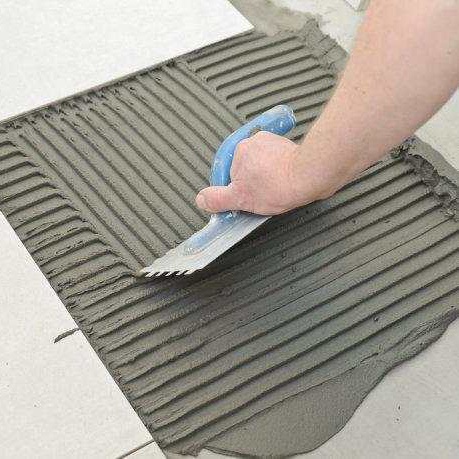
It gives the adhesive mix a creamy, smooth texture. Many tile setters find HPMC formulations easier to spread and adjust—helping to avoid air pockets under tiles.
3. Adhesion Strength
Studies show improved bonding strength especially on porous substrates, which translates to longer-lasting installations.
4. Flexibility & Impact Resistance
Boosts durability by allowing small movements without adhesive cracking—particularly useful in seismic or high-traffic areas.
5. Freeze-Thaw Stability
Some grades of HPMC improve resistance against temperature cycling, limiting breakdown in colder climates.
6. Compatibility
HPMC works well with cementitious mixtures, polymers, and other chemicals common in tile adhesives.
Mini takeaway:
- HPMC creates a balance between tough adhesion and workable consistency, solving several practical issues.
- It’s a subtle but essential additive for professional-grade tile installations.
Real-World Uses: Where HPMC-Based Tile Adhesives Shine
From luxury hotel refurbishments in Dubai to humanitarian rebuilding projects after floods in Southeast Asia, HPMC-infused tile adhesives have made a mark. For example, NGOs involved in disaster relief often specify HPMC to ensure quick-setting, resilient floors that can stand up to extreme conditions.
Indoor swimming pools, commercial kitchens, and bathrooms extensively benefit from HPMC’s water-retention properties, ensuring tile installations remain solid despite constant moisture. Industrial zones with heavy traffic demand adhesives with proven impact resistance, which many manufacturers achieve by tuning HPMC content.
| Property | Typical Value | Unit |
|---|---|---|
| Water Retention | >90 | % |
| Methoxy Content | 19.0–24.0 | % |
| Viscosity (2% solution at 20°C) | 4000–8000 | mPa·s |
| pH | 6.5–8.0 | - |
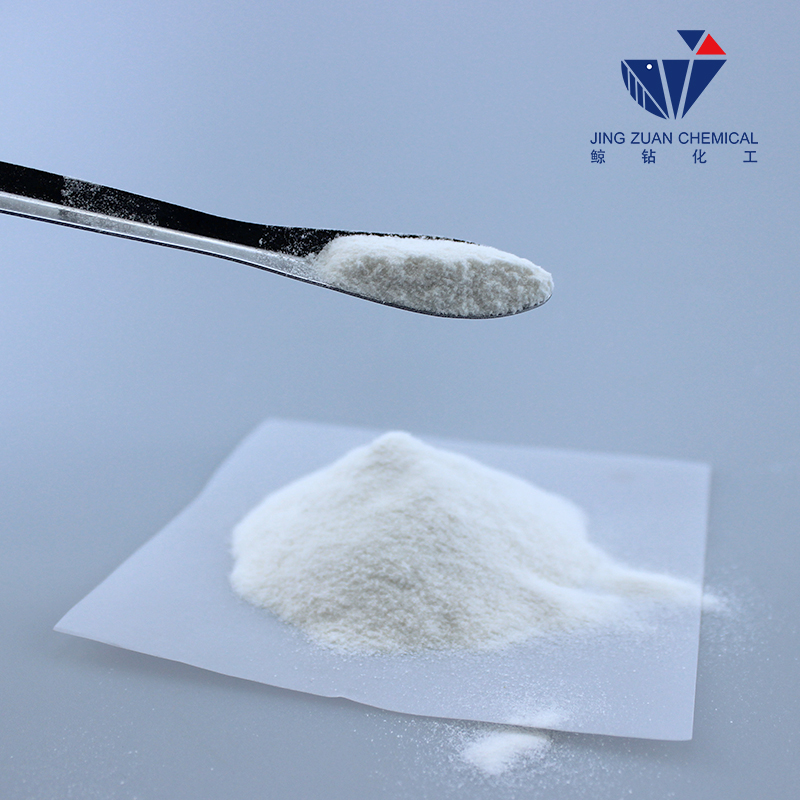
| Appearance | White Powder | - |
How Does The Market Stack Up? Vendors Offering HPMC Solutions
| Vendor | Grade Range (mPa·s) | Price Indicator | Notable Features |
|---|---|---|---|
| CNJZ Chemical | 3000–10000 | Mid-low | Consistent quality, eco-friendly process |
| Dow Chemical | 2000–12000 | High | Global reach, advanced formulations |
| CP Kelco | 4000–9000 | Mid | Specialty grades, food-safe options |
Why Choose HPMC-Enhanced Tile Adhesives? The Long-Term Benefits
Look, we’re not just talking about sticking tiles together. Using HPMC for tile adhesives brings a few key perks:
- Cost Savings: Less adhesive waste, fewer repairs, and faster installation means projects come under budget.
- Longevity: Improved adhesion and flexibility equal longer-lasting floors—even in moisture-prone areas.
- Environmental Impact: By reducing wastage and improving durability, HPMC helps lower the carbon footprint associated with tile replacement and repair.
- Application Confidence: Installers report greater ease and fewer mistakes, which keeps morale up and schedules tight.
On a slightly emotional note, imagine the pride of delivering a bathroom floor that doesn’t crack after a year or a tiled wall that stays pristine through seasons of storm. It feels good – the trust builds, and that’s invaluable.
The Road Ahead: Innovations in HPMC Tile Adhesive Technologies
Technologies are always evolving. Researchers are exploring bio-based HPMC variants and blends with nanomaterials to push performance further. Additives that increase drying speed without sacrificing workability are in trial. Sustainability efforts are prompting development of low-carbon yet high-efficiency cellulose ethers.
I’ve also noticed a growing trend to incorporate smart packaging and digital traceability, helping supply chains track quality from factory to site. Automation in mixing processes tailored for HPMC admixtures is another frontier, promising even more consistent results and less dependence on manual skill.
Challenges and Clever Workarounds in Using HPMC for Tile Adhesives
Frankly, no product is perfect. HPMC powders vary in viscosity, so mismatches in mix design can cause clumping or uneven application. Also, improper storage can degrade the powder’s quality. Weather extremes may still challenge some formulations, requiring additives beyond HPMC itself.
Luckily, manufacturers provide technical sheets and dosing guides. Many construction professionals recommend mixing small test batches first or working with suppliers like hpmc for tile adhesive who offer expert support to tailor solutions to conditions. Knowing your substrate and environment remains critical.
FAQ: Common Questions About HPMC for Tile Adhesive
- Q: How does HPMC improve tile adhesive water retention?
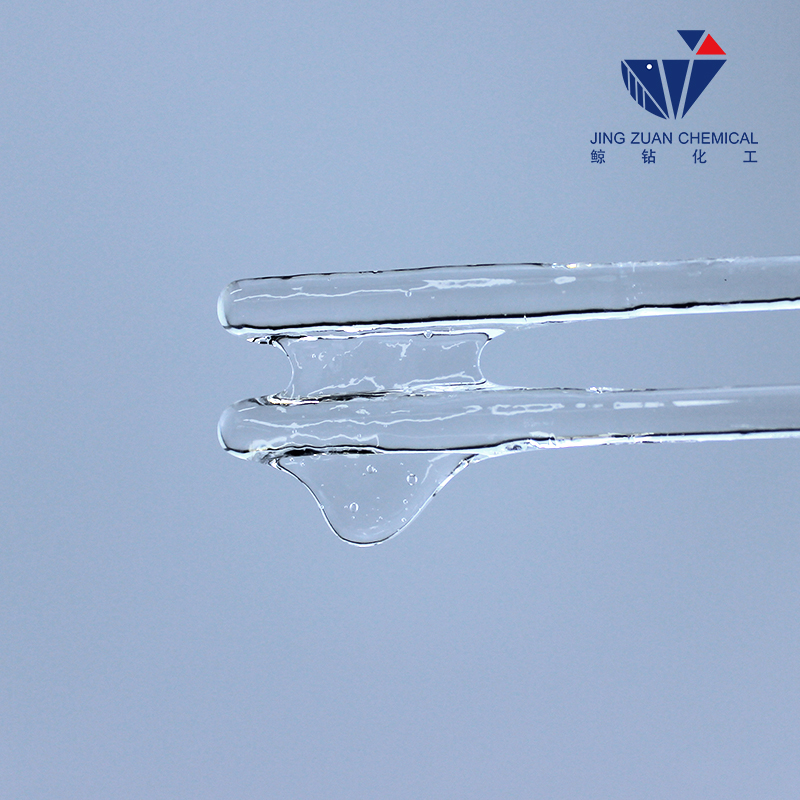
- A: HPMC forms a gel when mixed with water, slowing evaporation. This maintains moisture longer during installation—crucial for proper tile bonding and curing.
- Q: Can HPMC-based adhesives be used outdoors?
- A: Yes, many grades improve resistance to freeze-thaw cycles, but formulation tweaks might be needed depending on climate and substrate.
- Q: Is HPMC safe and environmentally friendly?
- A: Absolutely. HPMC is derived from cellulose and is non-toxic, biodegradable, and often compliant with green building standards, making it popular for sustainable projects.
- Q: What’s the typical shelf life of HPMC powder?
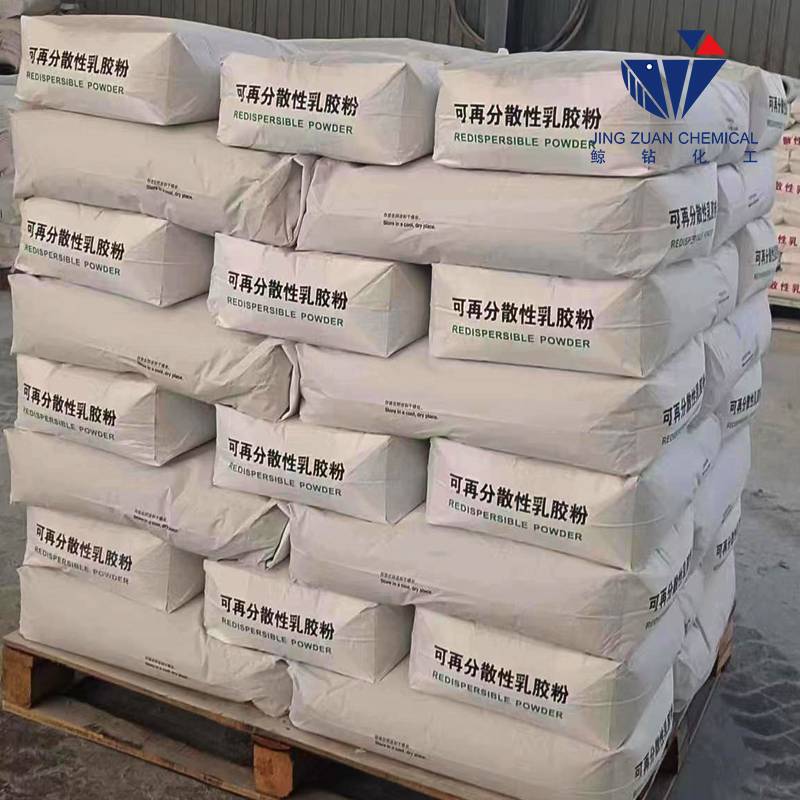
- A: Stored in dry, cool conditions, HPMC powder maintains quality for up to 2 years. Exposure to moisture or high humidity reduces efficacy quickly.
- Q: Where can I source reliable HPMC for tile adhesive?
- A: Vendors like CNJZ Chemical specialize in high-grade HPMC powders designed specifically for tile adhesives, offering consistent quality and technical support.
Conclusion: The Slightly Unsung Hero in Tile Adhesives
HPMC isn’t flashy, but it’s vital. From improving workability to extending tile longevity, it quietly supports construction quality in countless ways. For anyone involved in tiling — whether industrial supply, contractors, or architects — understanding this cellulose derivative unlocks better choices and outcomes.
Curious to explore the latest in hpmc for tile adhesive? Visit CNJZ Chemical to see how modern formulations can boost your next project.
References
-
Understanding Hydroxypropyl Methyl Cellulose MSDS Safety and Compliance
NewsApr.16,2026
-
Understanding the Hydroxypropyl Methyl Cellulose HS Code for Global Trade
NewsApr.09,2026
-
Comprehensive Guide to Hydroxypropyl Methyl Cellulose CAS Number and Applications
NewsApr.07,2026
-
Comprehensive Guide to Hydroxypropyl Methyl Cellulose cas no and its Diverse Applications
NewsApr.04,2026
-
Comprehensive Guide to Hydroxypropyl Methyl Cellulose Manufacturers and Applications
NewsMar.31,2026
-
Understanding Hydroxypropyl Methyl Cellulose Properties And Diverse Applications
NewsMar.28,2026