
Nov . 26, 2025 13:30 Back to list
hpmc for gypsum: Enhancing Durability and Sustainability in Modern Construction
Exploring HPMC for Gypsum: Why It’s a Game Changer Globally
Hydroxypropyl methylcellulose (HPMC) for gypsum isn’t just a mouthful — it’s a vital additive that’s quietly transforming how gypsum products behave worldwide. If you’ve ever marveled at smooth drywall finishes or wondered how plaster stays sturdy without cracking, HPMC is often behind the scenes. Globally, as construction booms and building standards rise, understanding hpmc for gypsum offers practical benefits: from boosting product lifespan to easing environmental footprints.
Introduction: Why the World Cares About HPMC in Gypsum Applications
Construction industries worldwide are grappling with the twin challenges of sustainability and performance. According to the United Nations Environment Programme (UNEP), construction accounts for nearly 39% of carbon emissions globally. Gypsum products — like plasterboards and drywall — play a huge role in modern buildings but often struggle with issues like brittleness and water sensitivity. That’s where hpmc for gypsum enters as a solution. It enhances gypsum’s handling, durability, and moisture resistance.
The World Bank also highlights growth in affordable housing needs, especially in developing regions, requiring materials that are both cost-effective and reliable. The challenge? Many traditional gypsum products fall short under extreme conditions. HPMC for gypsum offers a practical fix, ensuring construction materials work better, last longer, and enable rapid building in places that need it most.
Mini takeaway:
- HPMC enhances gypsum properties, making a real difference in global construction.
- Its importance grows with urbanization and sustainability demands.
What Exactly Is HPMC for Gypsum?
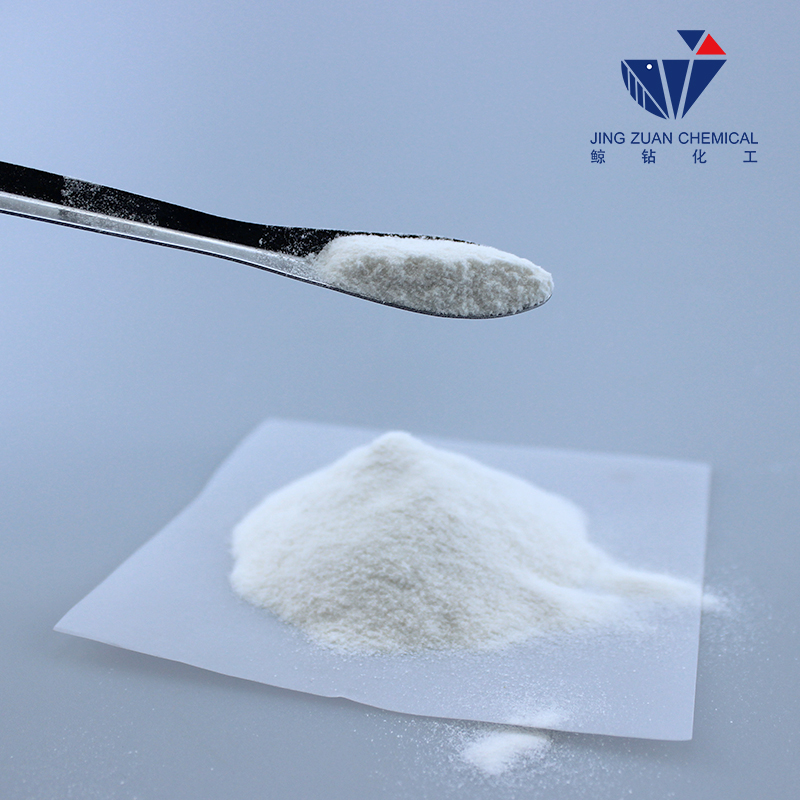
Okay, so hydroxypropyl methylcellulose (phew!) is a cellulose derivative—that’s plant-based, chemically modified to create a water-soluble polymer. When added to gypsum mixtures, HPMC for gypsum acts as a binder, thickener, and water retention agent. This means it improves the workability and durability of gypsum products used in construction.
Besides industrial uses, it’s interesting that HPMC connects indirectly to wider humanitarian goals. In rapid housing and emergency shelters, gypsum plaster modified with HPMC helps create stable, safe interiors for displaced people — combining science with social good.
Mini takeaway:
- HPMC is a plant-derived additive enhancing gypsum's function.
- It supports both industrial and humanitarian building applications.
Key Factors That Make HPMC a Vital Component for Gypsum
1. Water Retention
Gypsum sets by hydration, and controlling water flow is essential. HPMC keeps water inside the mix longer, which ensures proper curing and fewer cracks. Without it, dry plaster can flake easily.
2. Improved Workability
Application teams swear by the smooth consistency HPMC adds, letting materials spread evenly and adhere better. It reduces tool drag and allows a longer open time for finishing.
3. Enhanced Adhesion and Durability
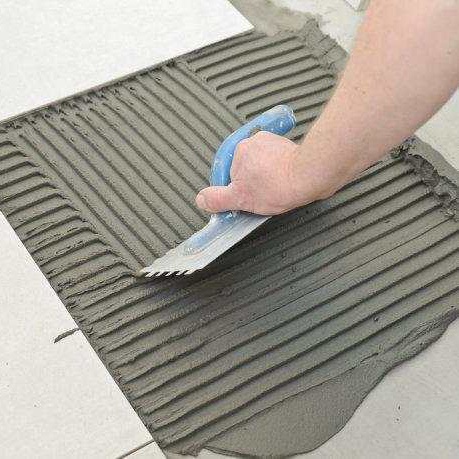
HPMC improves the bonding strength between gypsum and substrates like cement or drywall sheets. This means walls stay intact longer, resisting peeling or chipping under stress.
4. Freeze-Thaw Resistance
In cold climates, freeze-thaw cycles can wreck gypsum surfaces. HPMC-modified products hold up far better, cutting down repair costs and improving lifespan.
5. Cost Efficiency
Adding HPMC actually reduces overall material waste during application, plus less rework means saving money long term — a win for construction budgets.
Mini takeaway:
- HPMC manages water, workability, adhesion, and durability.
- It targets real-world challenges like freezing or quick drying.
Global Applications & Real-World Use Cases
Interestingly, usage patterns differ by region but the core value remains constant. In Europe, high-end residential projects use hpmc for gypsum to meet stringent indoor air quality and longevity standards. In Asia, rapid urban growth drives demand for gypsum boards modified for quick installation and moisture resistance (think humid climates in Southeast Asia). Latin America is adopting HPMC-enhanced plaster for affordable housing programs supported by local NGOs.
Notably, disaster relief operations have benefited too: after earthquakes or floods, temporary gypsum shelters with HPMC additives provide resilient, safe spaces while reconstruction unfolds. The additive’s ability to enhance water-holding capacity without sacrificing quick setting is crucial here.
Mini takeaway:
- HPMC for gypsum is versatile across climates and markets.
- It’s critical in both luxury construction and urgent humanitarian aid.
Advantages & The Long-Term Value of HPMC-Modified Gypsum
What I find most impressive is how hpmc for gypsum bridges the gap between technical innovation and practical value. For contractors, it means reduced callbacks and smoother workflows. For building owners, it delivers safer, aesthetically pleasing interiors that endure time’s wear and tear. On an emotional level, it means confidence — knowing that walls and ceilings won’t crumble unexpectedly, and that environmental impact is lessened thanks to better material efficiency.
Sustainability-wise, gypsum boards blended with HPMC often require fewer coatings and repairs — thus less waste. This supports green building certifications like LEED or BREEAM, increasingly valued worldwide.
Product Specification Table: Typical HPMC for Gypsum Additive
| Property | Typical Value | Units |
|---|---|---|
| Viscosity (2% solution, 20°C) | 2000 - 3500 | mPa·s |
| Methoxy Content | 19 - 24 | % |
| Hydroxypropyl Content | 4 - 12 | % |
| pH (1% aqueous solution) | 5.5 - 8.0 | — |
| Bulk Density | 0.4 - 0.6 | g/cm³ |
Vendor Comparison: Popular HPMC for Gypsum Suppliers
| Supplier | Viscosity Range (mPa·s) | Price/kg (USD) | Distribution Regions | Special Features |
|---|---|---|---|---|
| CNJZ Chemical | 1500 - 4000 | 2.85 | Global | Consistent Quality, Custom Packaging |
| Dow Chemical | 1800 - 3600 | 3.10 | International | Strong Technical Support |
| Ashland | 2000 - 3500 | 2.90 | Americas, Asia | Eco-Friendly Variants |
Looking Ahead: Future Trends & Innovations in HPMC for Gypsum
What’s next? Sustainability and digital integration are big themes. Researchers are working on bio-based HPMC variants with lower environmental footprints. At the same time, automation in mixing and spraying gypsum products means additives have to be more consistent and adaptable.
Green building certifications will likely push demand for even higher-performance, eco-conscious HPMC blends. Imagine gypsums that react dynamically to humidity or self-heal minor cracks — somewhat futuristic now, but these innovations are quietly emerging. So, stay tuned.
Challenges & Expert Solutions
Despite its many benefits, hpmc for gypsum isn’t a silver bullet. Overdosing can lead to foaming and reduced strength, while inconsistent supplier quality remains an issue for some markets. Some engineers also note difficulties adapting formulations to unique regional materials or climates without re-testing.
The solution lies in thorough testing protocols and customized formulations — something reputed suppliers like CNJZ Chemical excel at, offering technical support alongside product supply.
FAQ: Your Top Questions Answered
Q1: How does HPMC improve gypsum powder’s water retention?
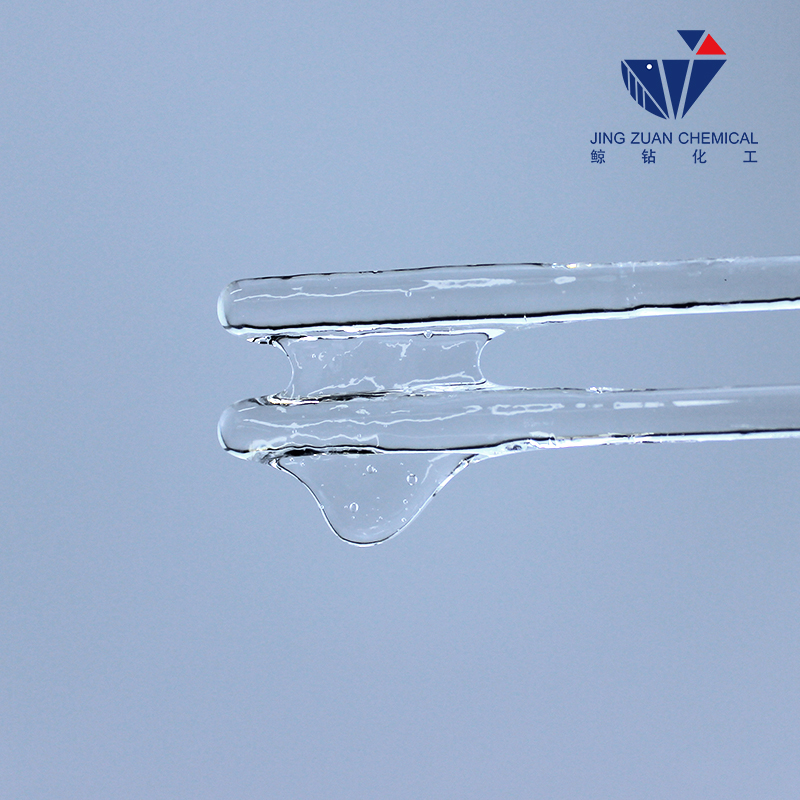
A: HPMC forms a gel-like network in the gypsum mix, trapping moisture during setting. This slows drying, allows full hydration, and prevents cracking, enhancing final strength and finish quality.
Q2: Can HPMC-modified gypsum be used in humid or coastal areas?
A: Absolutely. One of HPMC’s main benefits is improved moisture resistance, making gypsum suitable for humid climates without losing adhesion or integrity.
Q3: Is HPMC a sustainable additive?
A: Because HPMC is derived from cellulose (plant matter), it’s generally biodegradable and more eco-friendly compared to synthetic additives. Its use also reduces material waste, supporting greener construction.
Q4: What’s the typical dosage of HPMC in gypsum products?
A: Dosage usually ranges from 0.1% to 0.5% by weight, depending on required viscosity and performance characteristics, but specific amounts should be optimized per project.
Q5: Where can I source high-quality HPMC for gypsum?
A: Many chemical suppliers offer specialized grades. CNJZ Chemical is a reputed global supplier with consistent quality and customer service. Visit their website for details: hpmc for gypsum.
Wrapping Up: Why HPMC Matters for Gypsum’s Future
Honestly, the magic of hpmc for gypsum lies in its subtlety — it’s almost invisible in the finished product but essential to performance. With growing construction demands worldwide, especially in eco-conscious and disaster-prone regions, the additive’s role looks set to expand.
If you’re in manufacturing, construction, or supply chain management, getting to know HPMC’s nuances pays off — better products, happier clients, and a smaller environmental footprint.
Ready to learn more or try samples? Visit our trusted resource at https://www.cnjzchemical.com for expert solutions and info.
Final thought:
Sometimes, it’s the little things — a polymer here, a tweak there — that make all the difference in building the world sturdy and sustainably.
References
-
Understanding Hydroxypropyl Methyl Cellulose MSDS Safety and Compliance
NewsApr.16,2026
-
Understanding the Hydroxypropyl Methyl Cellulose HS Code for Global Trade
NewsApr.09,2026
-
Comprehensive Guide to Hydroxypropyl Methyl Cellulose CAS Number and Applications
NewsApr.07,2026
-
Comprehensive Guide to Hydroxypropyl Methyl Cellulose cas no and its Diverse Applications
NewsApr.04,2026
-
Comprehensive Guide to Hydroxypropyl Methyl Cellulose Manufacturers and Applications
NewsMar.31,2026
-
Understanding Hydroxypropyl Methyl Cellulose Properties And Diverse Applications
NewsMar.28,2026