
Nov . 26, 2025 10:30 Back to list
Understanding HPMC for Detergent: Benefits, Applications & Top Suppliers
Understanding HPMC for Detergent: Why It Matters Now More Than Ever
If you’ve ever wondered what keeps your detergent formula consistent—no matter the brand or country—then you're in for a bit of a behind-the-scenes look. Hydroxypropyl methylcellulose, or HPMC for detergent, is an essential ingredient that might sound like a mouthful but plays a surprisingly critical role in the cleaning products industry worldwide. It acts as a stabilizer, thickener, and film-former, helping detergents deliver the performance and texture consumers expect. In a world where cleanliness means safety, and formulas need sustainability, grasping how HPMC fits into detergent manufacturing isn’t just academic; it’s business-critical.
A Global Perspective: Why HPMC Is Integral to the Detergent Industry
Detergent consumption globally is estimated to exceed 20 million tons annually, driven by population growth and rising hygiene standards, especially in emerging economies (United Nations). Yet behind every bottle of powder or liquid lies a complex formulation challenge. Traditional thickeners or binders sometimes fall short when it comes to stability, environmental compliance, or texture. Enter HPMC for detergent, a cellulose derivative that addresses many of these challenges. Its ability to blend seamlessly in water, withstand temperature swings, and improve the shelf-life of detergents has made it a key material in modern formulations.
However, the industry faces hurdles: stricter environmental regulations, consumer demand for eco-friendly products, and the need for cost-optimized formulas that don’t sacrifice quality. HPMC has responded well to these demands, but the story is ongoing.
Defining HPMC for Detergent: What Is It, Exactly?
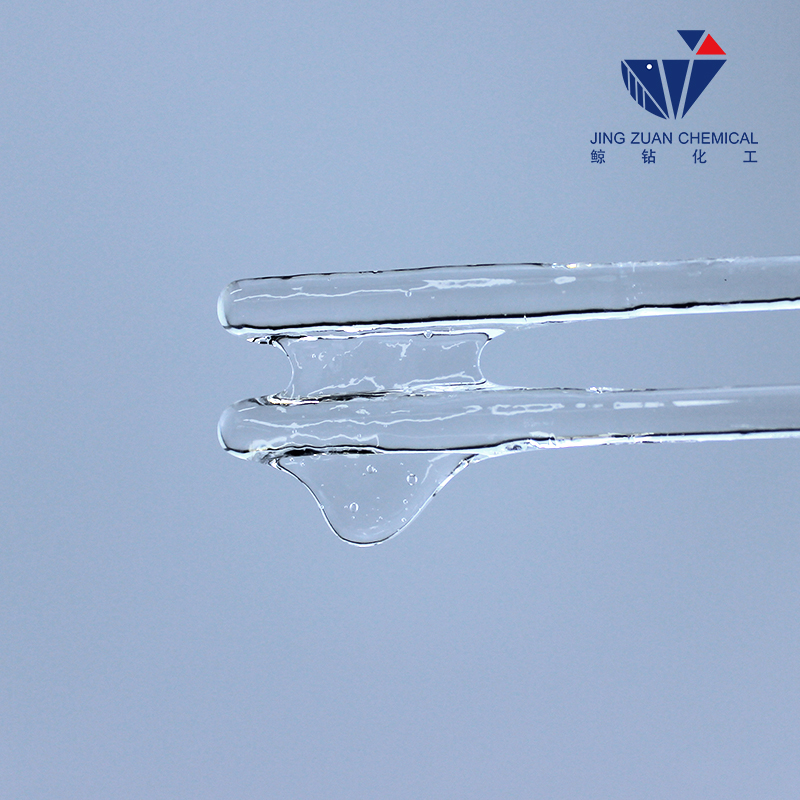
At its core, HPMC (Hydroxypropyl methylcellulose) is a semi-synthetic polymer derived from cellulose, the primary structural component of plants. In detergents, HPMC functions mainly as a thickening and stabilizing agent. It dissolves in water and forms a viscous solution that enhances the detergent's texture, prevents ingredient separation, and improves flow properties.
Oddly enough, HPMC’s origins go back decades, but its chemical versatility has made it a darling ingredient in industries ranging from pharmaceuticals to construction. In detergents, it also aids in dispersing dirt, improving foam stability, and sometimes helping to control the release of fragrance or other functional components.
So, when someone talks about hpmc for detergent, they're essentially referring to a critical ingredient that bridges chemistry with consumer usability.
Key Aspects of HPMC that Make It a Detergent Game-Changer
1. Stability Under Variable Temperatures
Detergents often face fluctuating storage and transport conditions — from tropical warehouses to freezing cold supply chains. HPMC remains stable and retains viscosity under a wide temperature range, which means the detergent doesn’t separate or degrade prematurely.
2. Improved Rheology and Texture
In practical terms, rheology means how a fluid flows. HPMC creates the “just right” flow behavior customers appreciate — not too runny, not too thick. This helps in both liquid detergents and powdered detergent slurries, improving user experience.
3. Eco-Friendliness and Biodegradability
Cellulose derivatives such as HPMC are biodegradable, posing less risk to aquatic life than synthetic alternatives. This supports detergent companies aiming for greener formulations amid an eco-conscious consumer base.
4. Compatibility with Other Ingredients
It mixes well with surfactants, enzymes, builders, and fragrances, making it ideal for complex detergent recipes. Its non-ionic nature means fewer chances of unwanted chemical reactions.
5. Cost Efficiency
While not the cheapest thickener out there, HPMC strikes a balance between price and performance, allowing manufacturers to optimize costs without compromising end-product stability or feel.
Product Specifications: A Closer Look at Typical HPMC Grades for Detergent
| Specification | Grade A | Grade B | Grade C |
|---|---|---|---|
| Methoxy content (%) | 19.0 – 24.0 | 22.0 – 26.0 | 18.0 – 23.0 |
| Hydroxypropyl content (%) | 4.0 – 12.0 | 6.0 – 9.0 | 3.0 – 10.0 |
| Viscosity (mPa·s) | 2000 – 5000 | 1500 – 4000 | 3000 – 6000 |
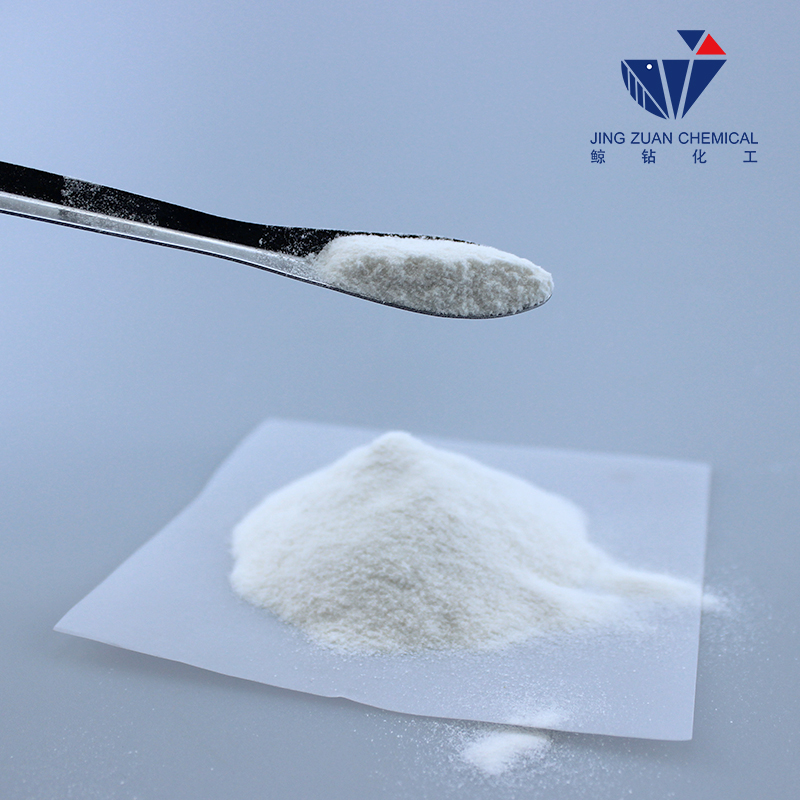
| Appearance | White Powder | Light Beige Powder | Off-white Powder |
| pH (2% solution) | 5.0 – 8.0 | 5.5 – 7.5 | 4.5 – 7.0 |
Top Vendors: A Quick Comparison of Leading HPMC Suppliers for Detergent Applications
| Vendor | Key Strengths | Sustainability | Global Reach | Price Range |
|---|---|---|---|---|
| CNJZ Chemical | Custom grades, quick delivery, reliable quality | High – FSC certified cellulose sources | Strong presence Asia & Europe | $$ |
| Dow Chemical | Extensive R&D, broad product range | Moderate – ongoing improvements | Global leader | $$$ |
| CP Kelco | High-purity, specialty grades | High – renewable sourcing efforts | Well established globally | $$$ |
Global Applications of HPMC in Detergents: Where Does It Shine?
Whether in large-scale industrial detergent manufacturing or artisanal soap makers in developing countries, hpmc for detergent has found its niche. In Southeast Asia’s humid climates, where product stability is often compromised, HPMC grades specially tailored to resist moisture have reduced batch failures. Meanwhile, European producers rely on HPMC for producing eco-certified powders with consistent flow.
In humanitarian aid operations — think post-disaster relief — having effective detergent that mixes well in varying water conditions (hardness, temperature) is essential. Thanks to its thickening and stabilizing properties, HPMC helps products perform soundly even in those tough environments.
The Long-Term Advantages of Choosing HPMC-Modified Detergents
- Cost Savings: Reduced product spoilage and longer shelf life lower overhead.
- Sustainability: Biodegradable and derived from renewable cellulose sources.
- User Experience: Smooth textures, controlled viscosity, and stable foam.
- Social Impact: Reliable detergents promote hygiene and prevent disease, critical in developing regions.
Honestly, while the chemistry is neat, people appreciate the safety and dignity that come from consistent cleanliness. It makes me think—sometimes, the best innovations are the ones no one even notices, quietly keeping things running smoothly.
Looking Forward: Future Trends in HPMC for Detergent Formulations
The future is green—manufacturers are investing in bio-based HPMC grades with reduced carbon footprints. Digital formulation techniques, AI-supported R&D, and automation allow tweaking of the polymer’s substitution profiles for custom tailoring. Moreover, emerging policies like ISO sustainability standards push producers to re-think not just ingredients but the entire supply chain.
There’s also buzz around hybrid polymers combining HPMC with other natural fibers, promising even better performance without the environmental trade-offs.
Challenges and Expert Solutions in Using HPMC for Detergent
It’s not all rainbows. HPMC’s viscosity can change with slight variations in environmental humidity, sometimes making formulations tricky. Also, suppliers may offer widely differing grades, so choosing the right one requires some trial or trust — often a hurdle for small producers.
Experts suggest collaborating closely with vendors, conducting routine lab tests, and incorporating buffering agents to stabilize pH fluctuations. Additionally, adaptive packaging can mitigate moisture ingress, protecting the detergent’s quality.
Frequently Asked Questions About HPMC for Detergent
- What advantages does HPMC offer over traditional detergent thickeners?
- HPMC offers superior stability under temperature extremes, excellent compatibility with surfactants, and biodegradability, setting it apart from synthetic thickeners prone to breakdown or environmental concerns.
- Can HPMC improve detergent performance in hard water?
- Yes, HPMC helps maintain viscosity and prevents ingredient separation even in hard water conditions, ensuring consistent cleaning performance.
- Is it possible to use HPMC in both liquid and powdered detergents?
- Absolutely. HPMC’s flexible chemistry allows formulations in a variety of detergent forms, from gels to powders, adapting well to each.
- How do manufacturers select the right HPMC grade?
- They evaluate parameters like viscosity, substitution levels, and interaction with other ingredients, often partnering closely with suppliers for custom solutions.
- Are HPMC-based detergents environmentally safe?
- Yes, HPMC is derived from cellulose and is biodegradable, thus preferred in eco-friendly detergent formulations.
Final Thoughts: Why Embracing HPMC for Detergent Is a Smart Move
At the end of the day, hpmc for detergent isn’t just a chemistry term slapped onto a label. It’s a small but mighty hero enabling manufacturers worldwide to meet growing demands for performance, sustainability, and cost efficiency. Whether you’re a producer adjusting formulations or a consumer curious about what’s inside your detergent, knowing this ingredient’s role brings a little extra appreciation for the science of clean.
Fancy diving deeper? Visit our website: https://www.cnjzchemical.com for detailed product info and technical support.
References
-
Understanding Hydroxypropyl Methyl Cellulose MSDS Safety and Compliance
NewsApr.16,2026
-
Understanding the Hydroxypropyl Methyl Cellulose HS Code for Global Trade
NewsApr.09,2026
-
Comprehensive Guide to Hydroxypropyl Methyl Cellulose CAS Number and Applications
NewsApr.07,2026
-
Comprehensive Guide to Hydroxypropyl Methyl Cellulose cas no and its Diverse Applications
NewsApr.04,2026
-
Comprehensive Guide to Hydroxypropyl Methyl Cellulose Manufacturers and Applications
NewsMar.31,2026
-
Understanding Hydroxypropyl Methyl Cellulose Properties And Diverse Applications
NewsMar.28,2026