
Nov . 28, 2025 23:55 Back to list
A Practical Guide to Understanding HPMC Solubility in Water | Industry Insights
Understanding HPMC Solubility in Water: Why It Matters Across Industries
Hydroxypropyl methylcellulose, or HPMC, is one of those unsung heroes in the world of chemical compounds – especially when it comes to its solubility in water. If you've ever wondered how certain coatings stick perfectly, or how construction materials manage to stay workable and durable, chances are HPMC solubility is playing a quiet but pivotal role. Globally, industries ranging from pharmaceuticals to construction rely on a solid grasp of hpmc solubility in water because it directly impacts product quality, safety, and environmental sustainability.
The world’s growing demand for efficient manufacturing and sustainable materials means understanding HPMC’s behavior in water isn’t just a nerdy curiosity — it’s a business imperative. Its solubility affects everything from texture and stability to how these materials perform under different environmental stresses. So, knowing its characteristics can lead to innovative solutions that meet the ever-evolving industrial challenges.
Setting the Stage: The Global Importance of HPMC and Water Solubility
It may not often make headlines, but the significance of HPMC solubility in water spans continents and sectors. Just as the United Nations emphasizes sustainable industrial development, the importance of water-soluble polymers like HPMC cannot be overstated. According to recent ISO standards and environmental reports, materials with predictable water-solubility profiles help reduce waste and improve safety in applications like pharmaceuticals, food additives, and building materials.
The challenge? Variations in solubility can sometimes complicate formulations, affecting everything from drug release rates to mortar workability in construction. This complexity is why scientific and industrial communities constantly study HPMC’s dissolution behavior — making sure products perform reliably regardless of geography or climate.
What Exactly Does “HPMC Solubility in Water” Mean?
In plain terms, the solubility of HPMC in water refers to how well this cellulose derivative dissolves, disperses, or swells when mixed with water at certain temperatures and pH levels. HPMC is a non-ionic, water-soluble polymer, which means it can hydrate and thicken solutions without reacting chemically with acidic or alkaline substances.
This property is vital because HPMC’s effectiveness depends on its ability to form gels or films upon hydration. Whether in pharmaceuticals as a controlled-release matrix or in construction as a mortar additive, understanding its solubility determines how well it will function in the final product.
Essential Factors Influencing HPMC Solubility in Water
1. Temperature Sensitivity
One quirk of HPMC is its temperature-dependent solubility. At room temperature, it dissolves readily, but as the solution heats past roughly 70°C, it begins to precipitate or gel. This characteristic is exploited in applications like paint formulations, nasal sprays, and controlled-release medicines.
2. Molecular Weight & Substitution Degree
The polymer’s molecular weight and degree of methyl and hydroxypropyl substitution directly impact dissolving speed and viscosity. High molecular weight grades often yield thicker solutions but dissolve more slowly.
3. Concentration and Mixing Method
Preparing HPMC solutions requires optimal mixing techniques to avoid clumping (known as the “fish-eye” effect) and to ensure uniform hydration. Concentration plays a role too — too low, and the solution won’t gel; too high, and solubility issues arise.
4. Water Quality and pH
Interestingly, HPMC is quite tolerant to pH changes, making it versatile. However, impurities in water, like hard minerals or salts, can occasionally affect film formation and clarity.
Mini Takeaway:
The solubility of HPMC in water isn’t just a simple “yes or no” condition — it’s a dynamic interplay of temperature, polymer characteristics, concentration, and water properties. Ironing out these factors is key to application success.
Applications Around the Globe: Where HPMC Solubility Makes a Difference
You’ll find HPMC everywhere once you start looking — and its solubility in water is the secret sauce. For example:
- Pharmaceuticals: Used as a binder and controlled-release agent, where precise dissolution profiles control how medicine behaves in the body.
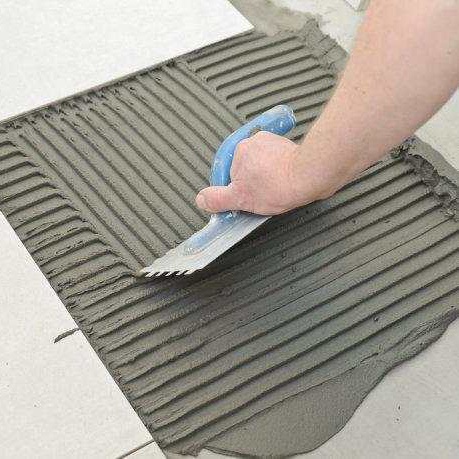
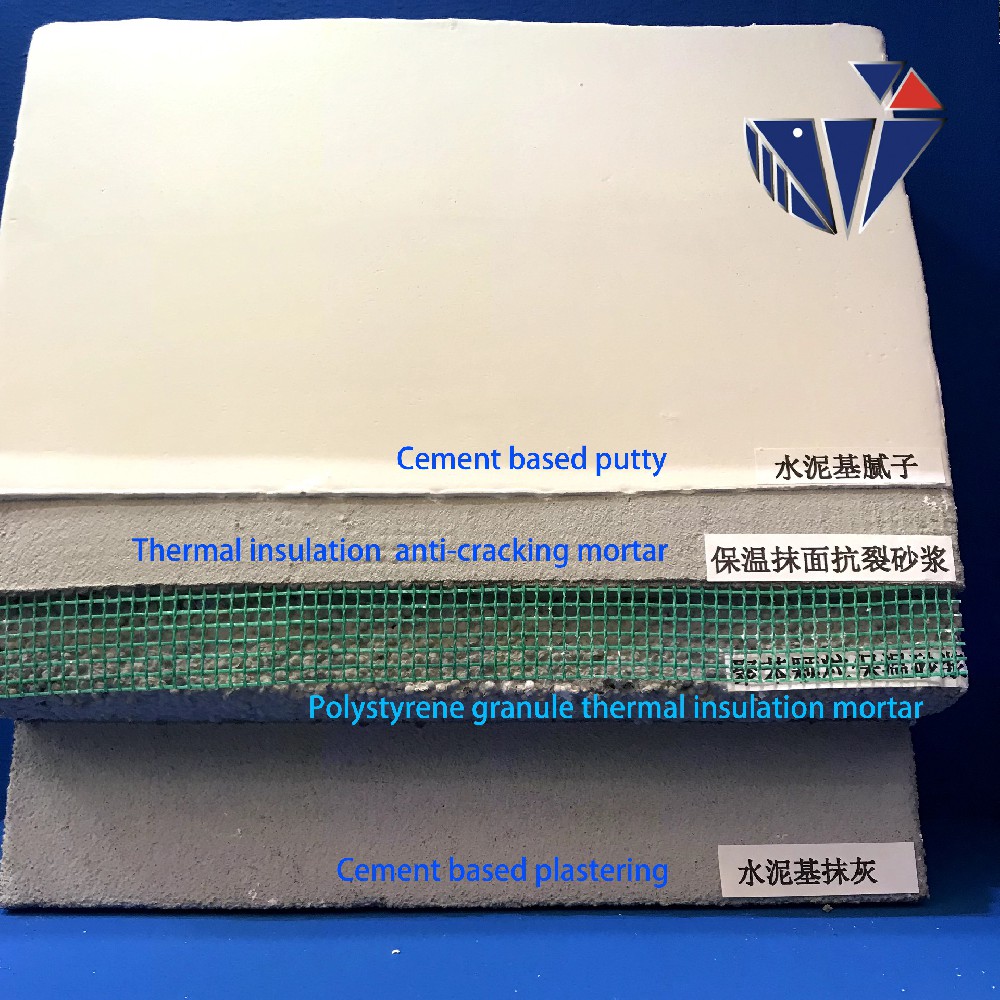
- Construction: Adds workability, adhesion, and water retention to mortars and plasters, especially vital in damp or hot climates.
- Food Industry: As a thickener or stabilizer, ensuring consistent texture in low-fat products.
- Cosmetics: Offers film-forming and controlled hydration for lotions and creams.
For instance, in post-disaster reconstruction in Southeast Asia, customized HPMC formulations help create rapid-setting yet workable mortars — a literal lifesaver when speed and stability matter most.
Table 1: Typical Product Specification of HPMC Grades
| Specification | Low Viscosity Grade | Medium Viscosity Grade | High Viscosity Grade |
|---|---|---|---|
| Viscosity (2% in water, 20°C, mPa·s) | 300–500 | 1000–1500 | 4000–6000 |
| Degree of Substitution | 1.4–1.6 | 1.4–1.6 | 1.4–1.6 |
| pH Stability Range | 3–11 | 3–11 | 3–11 |
| Solubility Temperature Range | 5–70°C | 5–70°C | 5–70°C |
Why Understanding HPMC Solubility Is a Game-Changer
Getting a handle on how HPMC dissolves translates to several tangible benefits. First, cost efficiency: knowing optimum conditions reduces wasted materials and improves production yields. Second, sustainability: because HPMC is biodegradable and non-toxic, controlling its solubility aids eco-friendly designs aligning with UN sustainability goals. Third, trust: long-term product reliability across climates builds consumer confidence.
It’s also about dignity, frankly — for patients needing stable medicine release, or builders working with durable materials under tough conditions. That invisible reliability feels pretty important.
Table 2: Vendor Comparison for HPMC Suppliers
| Vendor | Product Range | Global Reach | Sustainability Certifications | Price Competitiveness |
|---|---|---|---|---|
| Vendor A | Full range, pharma grade | Europe, Asia, Americas | ISO 14001, FDA approved | Moderate |
| Vendor B | Construction & food grades | Asia, Middle East | ISO 9001 | Competitive |
| Vendor C | Standard industrial grades | Global | Basic compliance | Low cost |
Looking Ahead: Trends & Innovations in HPMC Solubility
Future developments are exciting. Researchers are experimenting with green synthesis routes, reducing energy use and solvent waste during production. Digital tools now simulate solubility behavior to finetune formulations before a single batch is made. Plus, automation in mixing systems helps tackle conventional challenges, like clumping and inconsistent viscosity.
On the sustainability front, the combination of bio-based raw materials with water-soluble HPMC aligns perfectly with a push towards greener manufacturing—making this polymer a cornerstone of tomorrow’s eco-friendly industries.
Challenges & Expert Tips for Better HPMC Use
Of course, it’s not all smooth sailing. Poor mixing techniques can cause lumps, inconsistent hydration, or sedimentation. Temperature overshoots might lead to gelation at unwanted stages. Plus, variations in raw material quality can disrupt product performance.
Experts recommend gradual dispersion methods, temperature control during hydration stages, and sourcing from certified vendors to prevent these issues. In real life, controlling these variables often makes the difference between a winning product and a frustrating batch of rejects.
FAQ: Frequently Asked Questions About HPMC Solubility in Water
Q1: How does temperature affect HPMC solubility?
HPMC dissolves well in water at typical room temperatures but tends to gel or precipitate when heated above approximately 70°C. This property is utilized in some formulations but requires careful control during mixing and storage.
Q2: Can I simply mix HPMC powder directly in hot water?
Not recommended. Rapid addition into hot water often causes clumping due to surface hydration forming “fish-eyes”. It’s best to disperse powder slowly in cold or lukewarm water with vigorous stirring.
Q3: Are there eco-friendly HPMC grades?
Yes. Many suppliers now offer bio-based and low-VOC (volatile organic compounds) grades with sustainability certifications, aligning with green manufacturing trends.
Q4: Where can I learn more about intricate solubility details?
Trusted industry sources and hpmc solubility in water suppliers’ technical sheets provide in-depth data. Also, ISO and pharmaceutical compendiums offer comprehensive standards.
Conclusion: Why Mastering HPMC Solubility in Water Matters for Your Business
Having a thorough understanding of HPMC solubility in water isn’t just academic jargon — it’s a practical necessity that ensures consistent product quality, sustainability, and innovation readiness across multiple industries. Whether you’re formulating a new plaster, a drug capsule, or a cosmetic lotion, the way HPMC interacts with water can make or break your application.
Want to dive deeper or get a tailored solution? Stop by our site for detailed resources, data sheets, and expert advice: https://www.cnjzchemical.com.
References & Further Reading
-
Understanding Hydroxypropyl Methyl Cellulose MSDS Safety and Compliance
NewsApr.16,2026
-
Understanding the Hydroxypropyl Methyl Cellulose HS Code for Global Trade
NewsApr.09,2026
-
Comprehensive Guide to Hydroxypropyl Methyl Cellulose CAS Number and Applications
NewsApr.07,2026
-
Comprehensive Guide to Hydroxypropyl Methyl Cellulose cas no and its Diverse Applications
NewsApr.04,2026
-
Comprehensive Guide to Hydroxypropyl Methyl Cellulose Manufacturers and Applications
NewsMar.31,2026
-
Understanding Hydroxypropyl Methyl Cellulose Properties And Diverse Applications
NewsMar.28,2026