
Dec . 07, 2025 16:55 Back to list
Applications Of Redispersible Polymer Powder: Benefits, Uses & Market Trends
Applications Of Redispersible Polymer Powder is a key solution in the industry, specifically within construction and surface coatings. This article explores how https://www.cnjzchemical.com supports professionals with durable, high-performance products, and explains why this product is an ideal choice for businesses in these sectors.
Table of Contents
- Applications Of Redispersible Polymer Powder Overview
- Benefits & Use Cases of Applications Of Redispersible Polymer Powder
- Cost, Maintenance & User Experience
- Sustainability & Market Trends
Applications Of Redispersible Polymer Powder Overview
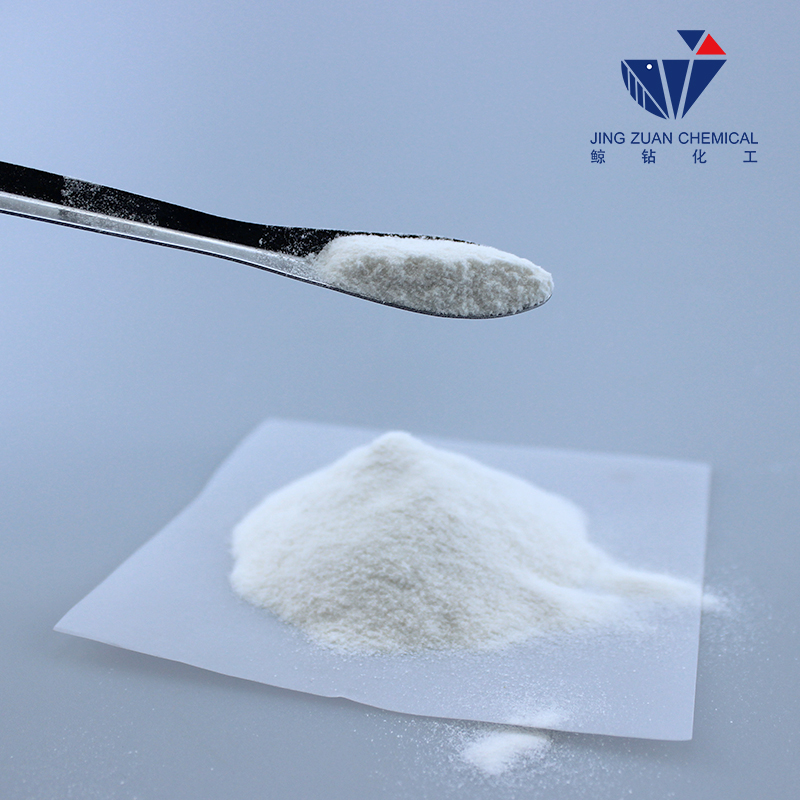
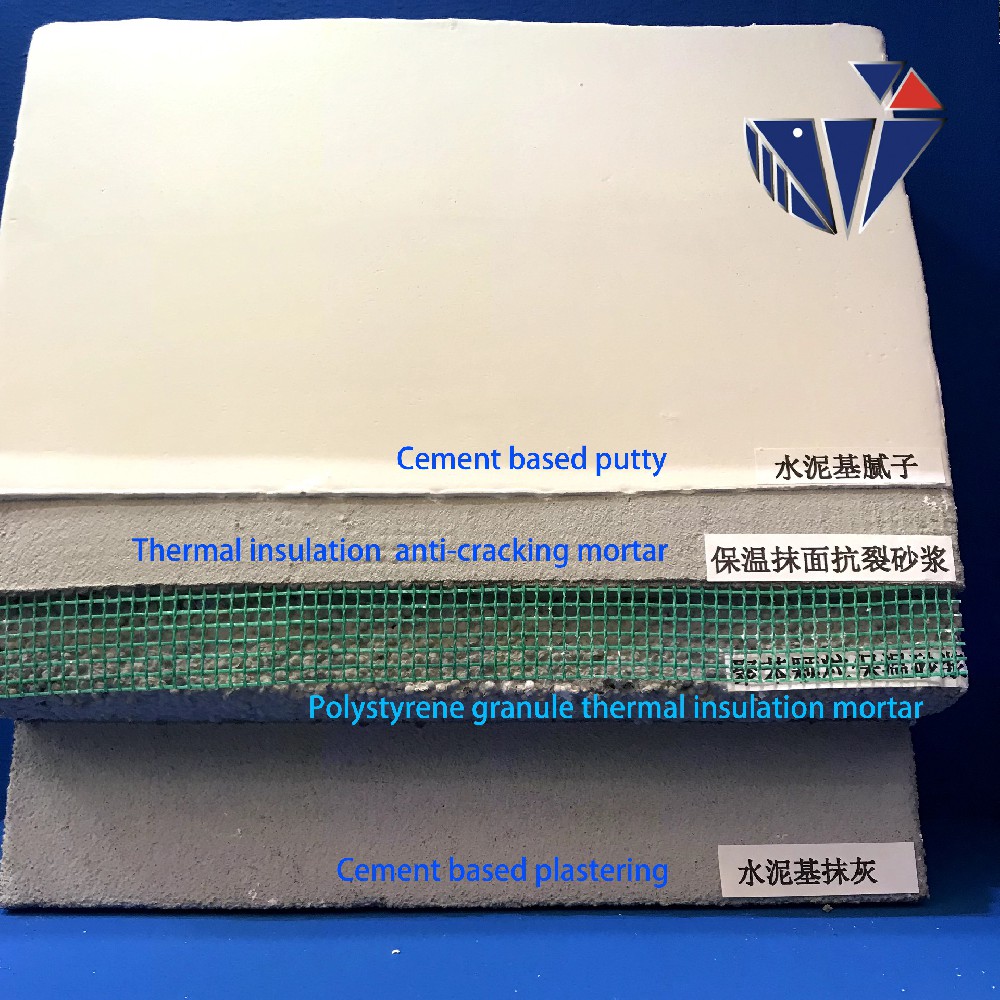
At its heart, redispersible polymer powder (RPP) is a dry powder that once mixed with water, turns back into a polymer latex allowing it to bind and enhance the physical properties of cementitious and mineral-based mixtures. It’s a smart additive notably used in tile adhesives, self-leveling compounds, and external insulation finishing systems (EIFS). Oddly enough, many engineers swear by how this powder transforms the elasticity, adhesion, and water resistance of their mortars and plasters. Perhaps the most impressive thing about these powders is their shelf stability combined with ease of transport compared to liquid polymer dispersions.
- Redispersible polymer powder is a polymer emulsion dried into powder form that regains film-forming and bonding capabilities when rehydrated.
- It usually contains vinyl acetate-ethylene (VAE) copolymers or styrene-butadiene-based polymers tailored for construction applications.
- Key specs include a particle size of about 10-40 microns, glass transition temperature (Tg) optimized for flexibility, and pH stability around neutral.
| Specification | Typical Value | Unit |
|---|---|---|
| Polymer Base | Vinyl Acetate-Ethylene (VAE) | - |
| Particle Size (D50) | 20-30 | μm |
| Tg (Glass Transition Temp.) | -5 to 10 | °C |
| pH | 6.5-7.5 | - |
| Bulk Density | 400-600 | kg/m³ |
Benefits & Use Cases of Applications Of Redispersible Polymer Powder
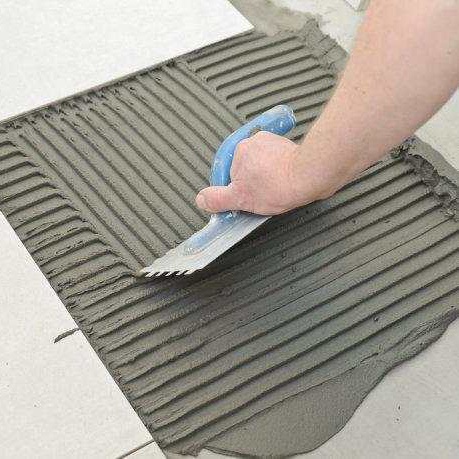
You know, in real-world scenarios, these powders have a pretty striking impact. In tile adhesives, for instance, they enhance flexibility and adhesion, meaning tiles stay put longer on tricky substrates. In self-leveling compounds, they improve the flow and cure dynamics so the finished floor feels smooth and has fewer cracking issues. The biggest kicker? It all boils down to these powders promoting polymer film formation inside the mortar matrix, which improves tensile strength and water resistance.
- Widely used in exterior insulation finishing systems to improve crack resistance and prevent water ingress.
- Enhances ceramic tile adhesives by improving open time and adhesion on various surfaces.
- Serves as a binder in self-leveling floor compounds, increasing flexibility and impact resistance.
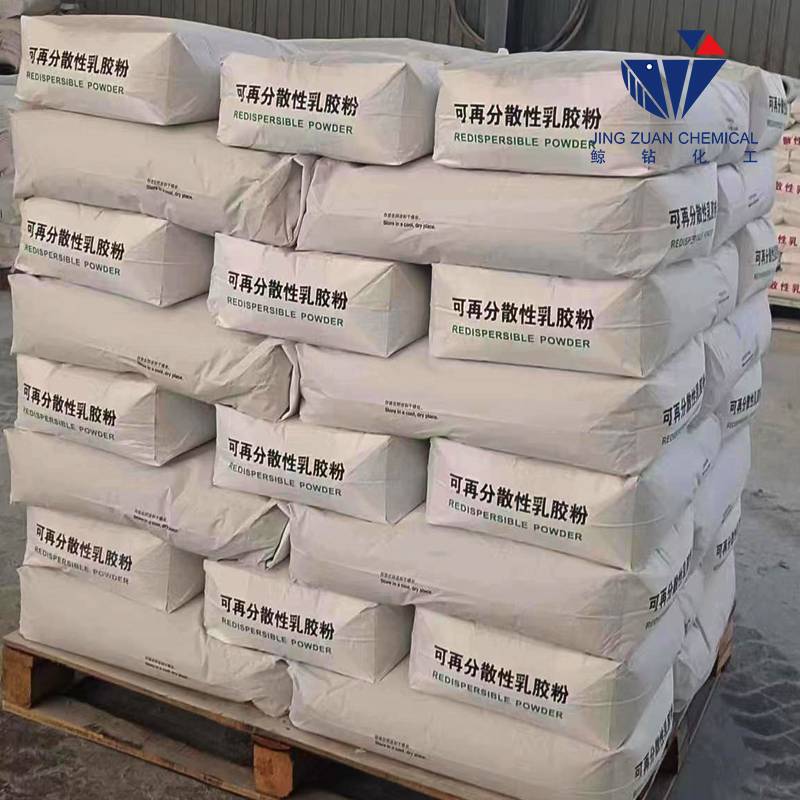
- Competitive advantage lies in their dry powdered form for long shelf life plus compatibility with standard mixing processes.
Cost, Maintenance & User Experience
When it comes to total cost of ownership, the dry nature of redispersible polymer powder means reduced shipping costs and longer storage periods without degradation. Many of the companies I’ve talked to say it significantly cuts waste compared to liquid latex additives. That ROI is backed up because products enhanced with RPP reduce crack repairs and extend the lifespan of applied products. It’s not just a “nice to have,” you know, but a real value-add.
- Users report easier handling and dosing compared to emulsions — dust control measures are needed but manageable.
- Durability improvements lead to less maintenance of coatings and adhesives in challenging climates.
- Overall satisfaction tends to be high, especially when supplied by trusted vendors like CNJZ Chemical.
| Vendor | Product Range | Typical Pricing | Global Availability |
|---|---|---|---|
| CNJZ Chemical | VAE and SBR Powders | Competitive | Worldwide |
| Major Global Competitor A | Limited Specialty Powders | Premium | Regional |
| Competitor B | Broad Range | Mid-Range | Global |
Sustainability & Market Trends
Sustainability is increasingly influencing construction material choices, and redispersible polymer powders fit nicely into that dialogue. Given their dry form, they reduce hazardous emissions and packaging waste versus liquid analogues. Oddly enough, regulations in Europe and parts of Asia encourage polymer modifiers that reduce volatile organic compounds (VOC), and RPPs do just that. The market growth is steady, fueled by new building regulations and the drive for longer-lasting, repair-friendly materials.
- Many companies now formulate RPPs to be free of plasticizers and other harmful additives.
- Growth driven by rising urbanization and the need for durable infrastructure worldwide.
- Innovation underway to develop bio-based polymers as sustainable alternative raw materials.
Frequently Asked Questions about Applications Of Redispersible Polymer Powder
- What is Applications Of Redispersible Polymer Powder and how does it work?
- Applications Of Redispersible Polymer Powder is a dry polymer powder that when mixed with water turns back into a latex to enhance bonding, flexibility, and durability of cement and mineral-based products.
- What are the main benefits of using Applications Of Redispersible Polymer Powder in industrial applications?
- Key benefits include improved adhesion, increased flexibility, water resistance, longer shelf life in dry form, and cost savings due to better performance and durability.
- How does Applications Of Redispersible Polymer Powder compare to traditional alternatives?
- Unlike liquid polymer dispersions, RPP offers easier transport, longer shelf life, and comparable or better performance when redispersed properly, making it often the preferred choice.
- What industries can benefit most from Applications Of Redispersible Polymer Powder implementation?
- Construction (especially tile adhesives, EIFS), flooring, waterproofing, and surface coatings sectors benefit the most, improving quality and durability of their products.
Conclusion on Applications Of Redispersible Polymer Powder from china
To sum things up, Applications Of Redispersible Polymer Powder remain a versatile, cost-effective solution for modern construction challenges that demand improved performance and environmental care. Businesses choosing quality powders from trusted Chinese suppliers like CNJZ Chemical are positioning themselves well in a shifting market that values sustainability and durability alike.
- Recap the value of Applications Of Redispersible Polymer Powder.
- - Visit our website: https://www.cnjzchemical.com
Reflecting on this, it’s clear that polymer powders are quietly reshaping how we build — less fuss, longer life, and greener footprints. For those in the B2B sector, awareness and adoption are accelerating fast.
- Technical data sheets and case studies from CNJZ Chemical.
- Industry reports on sustainability in construction materials.
- User feedback from international construction forums.
-
Understanding Hydroxypropyl Methyl Cellulose MSDS Safety and Compliance
NewsApr.16,2026
-
Understanding the Hydroxypropyl Methyl Cellulose HS Code for Global Trade
NewsApr.09,2026
-
Comprehensive Guide to Hydroxypropyl Methyl Cellulose CAS Number and Applications
NewsApr.07,2026
-
Comprehensive Guide to Hydroxypropyl Methyl Cellulose cas no and its Diverse Applications
NewsApr.04,2026
-
Comprehensive Guide to Hydroxypropyl Methyl Cellulose Manufacturers and Applications
NewsMar.31,2026
-
Understanding Hydroxypropyl Methyl Cellulose Properties And Diverse Applications
NewsMar.28,2026