
Dec . 01, 2025 23:35 Back to list
Benefits and Applications of HPMC for Skim Coat in Modern Construction
Understanding HPMC for Skim Coat: Why It Matters in Construction Worldwide
You might have stumbled upon the term hpmc for skim coat when looking into finishing materials for walls or ceilings. But what exactly is it, and why is there so much buzz about it in both industrial and humanitarian construction fields? To put it simply, HPMC or Hydroxypropyl Methylcellulose, when used for skim coats, acts as a game-changer in enhancing adhesion, workability, and durability of plastering products. Globally, urbanization and rebuilding efforts depend heavily on materials like this—giving them a quiet but crucial role in shaping resilient infrastructure. Think about it: UN reports highlight billions projected to live in cities by 2050, many in need of affordable, fast, and durable construction solutions. HPMC-modified skim coats answer some critical challenges: they improve the smoothness of surfaces, prevent cracks, and enable easier application, saving labor and time. For governments and building firms aiming for green and sustainable practices, understanding these benefits is key. ---The Big Picture: HPMC for Skim Coat in a Global Context
To put this into perspective, the global construction chemicals market—where HPMC plays a massive role—is expected to surpass USD 40 billion by 2027 (source: MarketsandMarkets). It's fascinating that such seemingly 'small' additives impact billions of square meters of surface area worldwide every year. Consider developing areas where rapid housing is essential after natural disasters or in remote industrial zones. There, the challenge is not just building but building right: durable walls, faster drying times, less wastage. HPMC-enhanced skim coats offer a solution that checks these boxes—promoting quality without skyrocketing costs. On the flip side, traditional coatings can struggle with viscosity and adhesion; HPMC modifies these properties almost magically. So yeah, this isn’t some niche topic. It's a quiet revolution in construction tech addressing real needs from Asia to Africa, Europe to America. ---What Exactly Is HPMC for Skim Coat?
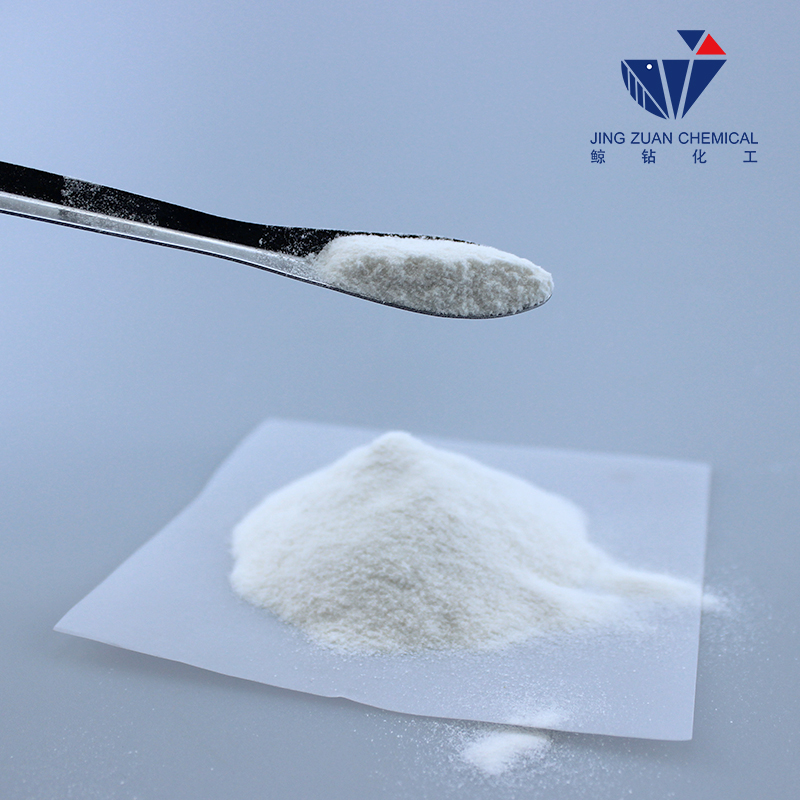
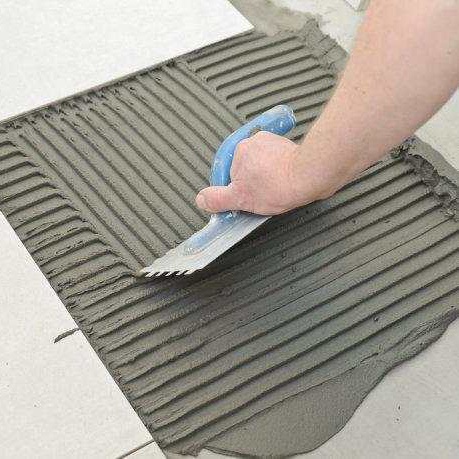
Let’s break it down simply: Hydroxypropyl Methylcellulose (HPMC) is a cellulose derivative—a kind of thickening and binding agent naturally sourced from plant fibers but chemically enhanced to suit industrial needs. In skim coats—those super-thin, smooth layers applied over surfaces—HPMC works as a key additive. It enhances the product's rheology (or flow), improves water retention, and makes the mix easier to spread. Oddly enough, its origins root back in food and pharmaceutical industries as a stabilizer—proof of its safety and versatility. Nowadays, it’s a cornerstone in modern construction, especially for dry-mix plastering products. Without it, skim coats would be watery, prone to sagging or cracking, and harder to manage on-site. From an industrial standpoint, it ties directly into making construction both “smart” and “sustainable”—helping materials perform better, last longer, and reduce waste. ---Key Features of HPMC for Skim Coat
1. Durability and Crack Resistance
HPMC ensures that once applied, the skim coat maintains its integrity without the common spiderweb cracks. It controls water retention in the mix, allowing the plaster to cure evenly.2. Improved Workability
Mixing and applying plaster can get messy and tiring. HPMC modifies the consistency, helping plaster stick better to walls and ceilings. Workers find it easier to spread thin layers uniformly.3. Enhanced Adhesion
Without good adhesion, skim coats peel or flake off quickly. HPMC increases the bond strength to various substrates including concrete, gypsum boards, and cement blocks.4. Compatibility with Various Mixes
Whether you’re dealing with Portland cement, gypsum-base, or lime plaster, HPMC blends harmoniously, making it quite versatile for manufacturers and applicators alike.5. Cost Efficiency
Adding HPMC may feel like an extra step, but it reduces wastage and job-times, resulting in lower labor and material costs in the long run. ---Product Specification Table: Typical HPMC for Skim Coat Grades
| Parameter | Grade A | Grade B | Grade C |
|---|---|---|---|
| Methoxy Content (%) | 19 - 24 | 21 - 26 | 20 - 25 |
| Hydroxypropyl Content (%) | 4 - 12 | 6 - 14 | 5 - 13 |
| Viscosity (mPa·s) | 2000 - 4000 | 3500 - 5000 | 4000 - 6000 |
| Water Retention (%) | 85 - 95 | 90 - 98 | 88 - 96 |
| pH Range | 5 - 8 | 6 - 9 | 6 - 9 |
Mini takeaway: HPMC grades differ mainly in viscosity and chemical content, tailoring them for specific skim coat formulations and applications.
---
How Is HPMC for Skim Coat Used Around the World?
If you think this is just a thing for fancy new buildings, think again. From high-rise apartments in Shanghai to rehab homes in rural Kenya, HPMC is quietly doing its job. It’s big in regions where moisture control, weather resistance, and fast turnaround are non-negotiable. For example, in post-disaster reconstruction—think after earthquakes in Nepal or cyclones in the Philippines—HPMC-containing skim coats are prized for reliability and reduced labor demand. They help NGOs and local builders deliver smooth, durable walls that last, even in challenging climates. In industrial zones across Europe, manufacturers rely on HPMC for consistent quality, meeting strict ISO standards while reducing environmental footprint. Even specialized coatings for historic building restoration use HPMC to maintain “breathability” and flexibility. It’s also huge in dry-mix products promoted by large cement companies, which overlay a thin skim coat on concrete surfaces to enhance aesthetics without adding bulk or weight. So yeah, it’s anywhere finish quality matters—no matter what continent. ---Vendor Comparison: Popular HPMC Suppliers for Skim Coat Applications
| Supplier | Grade Range | Price Tier | Primary Markets | Sustainability Notes |
|---|---|---|---|---|
| CNJZ Chemical | 2000-6000 mPa·s | Mid | Asia, Africa | Low VOC, Plant-based raw materials |
| Dow Chemical | 1800-5500 mPa·s | High | Global | Sustainability programs ongoing |
| Ashland | 1500-4500 mPa·s | Mid-High | Europe, North America | Focus on renewable feedstocks |
The Real Benefits: Why Builders and Engineers Prefer HPMC in Skim Coat
Using HPMC for skim coat doesn’t just add chemistry jargon to the mix. Frankly, it impacts everything from the final surface finish to the bottom line for your project. - Cost Savings: By improving workability and reducing cracking, it limits call-backs and repairs. Time saved on application also translates to labor cost reduction. - Sustainability: Many HPMC products are plant-derived, biodegradable, and help reduce water wastage on site—a big plus for green building certifications. - Reliability: Consistent performance across diverse environmental conditions means fewer warranty headaches and longer-lasting surfaces. - Safety & Comfort: Smooth walls improve indoor air quality by minimizing dust, and durable coatings contribute to better thermal insulation indirectly. - Innovation: New formulations with HPMC enable hybrid products incorporating lightweight fillers or fibers, expanding creative possibilities. Plus, there’s this intangible benefit: confidence. Builders know their job won’t peel off a season later; home and business owners get a sense of permanence. It’s that kind of trust money can’t always buy. ---Looking Ahead: Trends and Innovations in Skim Coat Chemistry
If you think HPMC is “old news,” think again. Industry experts predict the integration of next-gen bio-based polymers alongside traditional cellulose ethers. Digital instrumentation is helping formulate tailor-made HPMC grades for precise job-site conditions. Automation in mixing and spraying processes is becoming more accessible, improving uniformity further. Sustainability is a big driver. The race towards circular economy practices means manufacturers are tweaking raw materials sourcing, reducing carbon footprints. Some are experimenting with nanoscale additives that amplify HPMC’s effect, further enhancing performance while minimizing material use. There’s also increasing interest in HPMC blends that allow for “smart” plaster applications—like self-healing surfaces or embedded sensors to monitor moisture or structural health. ---Challenges in Using HPMC and How to Overcome Them
Of course, no material is perfect. Some common issues with HPMC in skim coats include sensitivity to storage conditions (moisture can degrade powder quality), batch-to-batch variability, and a learning curve for applicators unfamiliar with modified mixtures. Luckily, careful quality control, proper packaging, and site training reduce these headaches. Some suppliers offer customized technical service packages to help users navigate initial trials. Also, chronically low temperatures on-site can slow curing, but modified HPMC grades with adjusted viscosity profiles are helping bridge these gaps. ---FAQ: Your Questions About HPMC for Skim Coat, Answered
- Q: Can HPMC be used with both cement and gypsum-based skim coats?
A: Yes! HPMC is compatible with a variety of base materials, making it versatile for different skim coat formulations. - Q: How does HPMC improve water retention in skim coats?
A: HPMC acts like a moisture reservoir, slowing water evaporation and allowing the plaster to cure evenly without cracking. - Q: Will using HPMC increase the overall cost of material significantly?
A: Not necessarily. While it adds some cost upfront, the efficiency and reduction in defects generally save money over the project lifecycle. - Q: Are there environmentally-friendly HPMC options available?
A: Absolutely. Many suppliers now offer plant-based, low VOC HPMC grades designed with sustainability in mind.
Wrapping Up: Why You Should Consider HPMC for Your Next Skim Coat Project
From improving durability and ease of application to supporting sustainable construction worldwide, HPMC for skim coat quietly tick boxes that many other materials can’t. Whether you’re specifying for high-end apartments, post-disaster shelters, or industrial facilities, it’s a trusted component that lends reliability and smooth finishes. I’d encourage you to explore options like the ones from CNJZ Chemical—they offer a range of grades suited for various conditions and budgets and are consistently recommended by engineers in Asia and beyond. If you want to learn more about this versatile material, its specs, or how to integrate it into your projects, dropping by that site might just give you the edge. Happy building! ---Latest news
-
Understanding Hydroxypropyl Methyl Cellulose MSDS Safety and Compliance
NewsApr.16,2026
-
Understanding the Hydroxypropyl Methyl Cellulose HS Code for Global Trade
NewsApr.09,2026
-
Comprehensive Guide to Hydroxypropyl Methyl Cellulose CAS Number and Applications
NewsApr.07,2026
-
Comprehensive Guide to Hydroxypropyl Methyl Cellulose cas no and its Diverse Applications
NewsApr.04,2026
-
Comprehensive Guide to Hydroxypropyl Methyl Cellulose Manufacturers and Applications
NewsMar.31,2026
-
Understanding Hydroxypropyl Methyl Cellulose Properties And Diverse Applications
NewsMar.28,2026
Related PRODUCTS