
Dec . 01, 2025 23:00 Back to list
Buy Quality HPMC for Sale – Versatile Hydroxypropyl Methylcellulose Supplier
Understanding HPMC for Sale: What It Is and Why It Matters Globally
Hydroxypropyl methylcellulose, or HPMC for sale, might sound like a mouthful, but it’s actually a fascinating product that quietly supports a ton of industries worldwide. From construction to pharmaceuticals, this cellulose derivative isn’t just some chemical jargon. It’s a key ingredient that offers stability, durability, and versatility. In real terms, learning about HPMC opens doors to understanding how everyday products achieve balance — whether holding paint evenly on a wall or keeping a pill consistent.
Globally, demand for HPMC continues to surge because manufacturers, engineers, and even humanitarian organizations depend on its unique properties to improve product performance and safety. So, why does it matter? Because as industries seek more sustainable and effective materials, HPMC stands out as a bridge between the natural and synthetic worlds. It’s a lean toward smarter, more reliable solutions.
Global Perspective: Why HPMC for Sale Is A Hot Topic
If you glance at international trade data — from sources like the UN’s Commodity Trade Statistics or the World Bank’s industry reports — you’ll see cellulose derivatives trending upward. The building sector consumes huge chunks of HPMC, especially in Asia-Pacific and Europe, where green building standards are tightening. According to ISO standards on sustainable construction materials, additives like HPMC help reduce waste and enhance longevity.
However, there’s a challenge: not all HPMC on the market meets the quality or environmental criteria required by advanced projects. This drives a large, competitive market where buyers hunt for reliable, eco-friendly, and affordable sources. The push for greener materials makes HPMC an even hotter commodity — ironically, a chemical helping to solve the global sustainability puzzle.
What Exactly Is HPMC? A Simple Definition
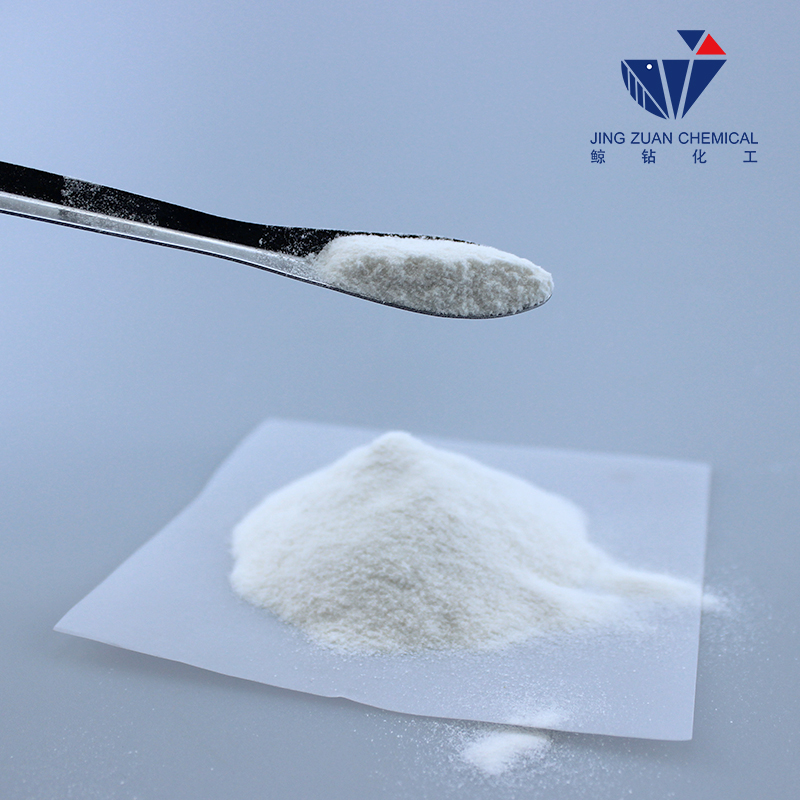
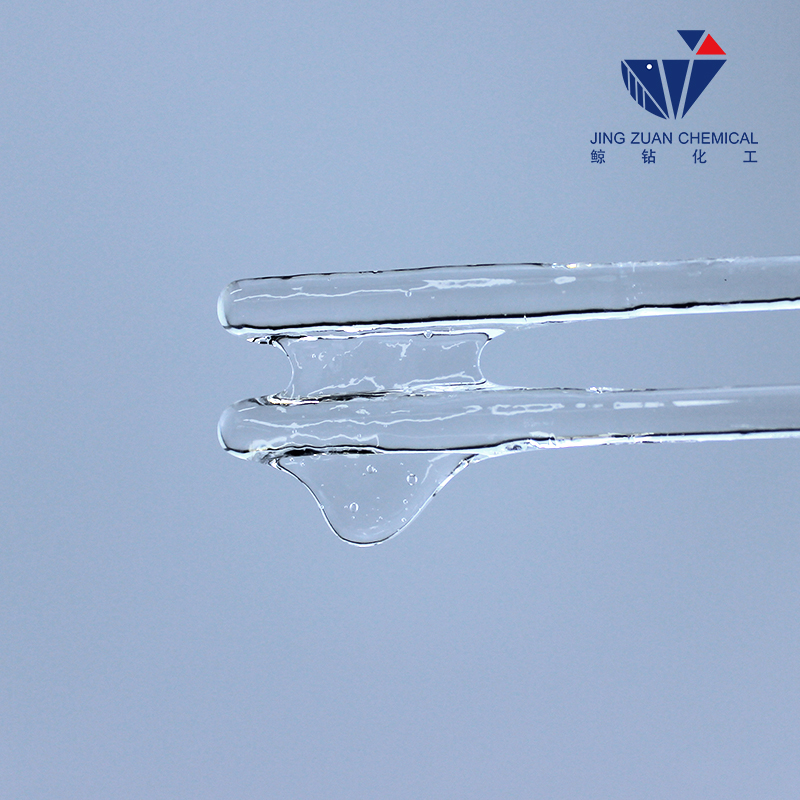
At its core, HPMC is a chemically modified cellulose derived from plant fibers. It dissolves in water to form a clear, gel-like substance, which is why it’s incredibly useful for controlling viscosity, binding materials, or acting as a film former. Think of it as nature’s gift, tweaked in a lab to perform tasks that raw cellulose simply can’t.
Industrially, you can find it in things like plaster, adhesives, cosmetics, and pharmaceutical tablets — basically wherever you need a stable, non-toxic, moisture-retentive agent. It’s this natural-but-modified quality that has made HPMC a favorite in sectors where performance meets safety.
Core Features That Make HPMC Stand Out
1. Water Retention and Film Formation
One of HPMC’s signature abilities is holding water without becoming runny. This makes it perfect for applications like cement mortar or wallpaper paste, where moisture control is crucial. It forms a thin, flexible film that protects and binds materials, improving overall durability.
2. Thermal Stability
Many users note HPMC maintains its structure across temperature swings — useful in hot climates or during curing processes where other additives fail. This reliability helps reduce cracking or material degradation over time.
3. Non-toxic and Biocompatible
In pharmaceuticals, HPMC is prized for safety since it doesn’t irritate tissues or interact negatively with drugs. There’s even a rise in using it for biodegradable packaging, tying into eco trends.
4. Versatility Across Industries
Whether it’s acting as a thickener in toothpaste or a stabilizer in paint, HPMC’s adaptability is second to none. This diversity lets manufacturers streamline formulas without juggling multiple chemicals.
Mini Takeaway:
HPMC’s blend of natural origin, safety, and tech-friendly properties make it a powerhouse across different fields. It’s water-loving yet stable, simple but essential.
Real-World Uses: HPMC for Sale in Action
The global marketplace is varied, but you’ll often find HPMC heavily used in:
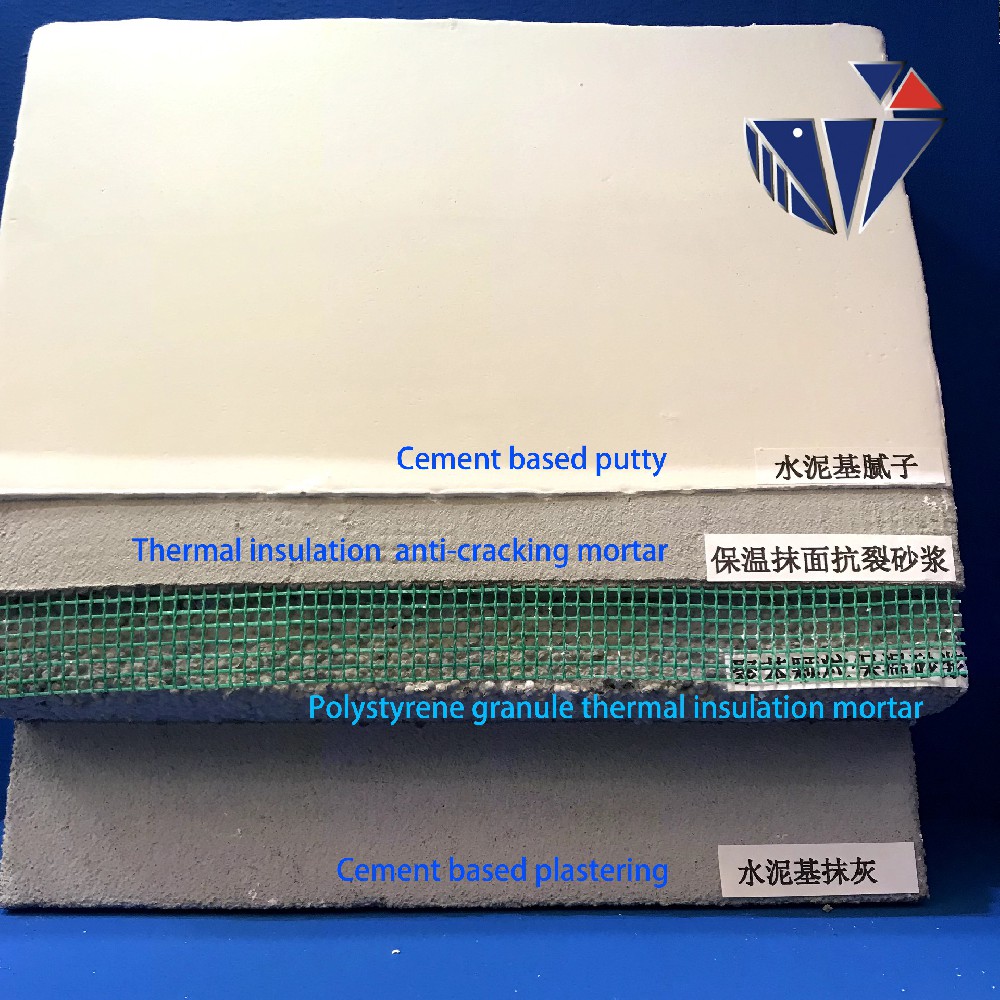
- Construction & Building: In tile adhesives, cement solutions, to improve workability and bonding.
- Pharmaceuticals: As a binding agent in pills or a thickener in topical creams.
- Food Industry: In gluten-free recipes or as a stabilizer in bakery goods.
- Cosmetics & Personal Care: Providing creamy texture in lotions, gels, and shampoos.
For instance, in post-disaster relief zones, some quick-build housing materials incorporate HPMC to increase mortar adherence without heavy chemical additives, making construction faster and more resilient. Meanwhile, in remote industrial zones, HPMC-enhanced products improve shelf life and reduce spoilage.
Why Choose HPMC? Advantages and Long-Term Value
Using HPMC doesn’t just tick boxes for functionality — it brings tangible benefits that often get overlooked:
- Cost-effective: A little goes a long way; formulations using HPMC often reduce waste and rework.
- Sustainability: Being plant-derived and often biodegradable, it aligns with circular economy goals.
- Reliability: Products using HPMC perform more consistently, building trust with end users.
- Social Impact: Safer materials mean better working conditions and fewer health risks for manufacturers and consumers.
It’s easy to focus on dollars and cents, but there’s also a sense of innovation and dignity in producing safer, greener products that HPMC supports. Oddly enough, it turns a tiny molecule into a big global change driver.
Product Specifications: Typical HPMC Grades Comparison
| Specification | Grade A (Standard) | Grade B (High Viscosity) | Grade C (Pharma Grade) |
|---|---|---|---|
| Viscosity (mPa·s) | 4000 ± 200 | 12000 ± 500 | 3000 ± 150 |
| Methoxy Content (%) | 19.0–24.0 | 21.0–25.0 | 20.0–22.0 |
| Hydroxypropyl Content (%) | 4.0–12.0 | 6.0–14.0 | 8.0–12.0 |
| Moisture (%) | 5.0 Max | 5.0 Max | 3.0 Max |
Vendor Comparison: Finding the Right Supplier of HPMC
| Vendor | MOQ (tons) | Price Range (USD/ton) | Certification | Delivery Time |
|---|---|---|---|---|
| Supplier A | 5 | 2,000 - 2,400 | ISO 9001, GMP | 2-3 weeks |
| Supplier B | 1 | 2,300 - 2,600 | ISO 13485, FDA Approved | 1-2 weeks |
| Supplier C | 10 | 1,900 - 2,200 | ISO 9001 | 3-4 weeks |
Looking Forward: The Future of HPMC for Sale
The future is bright but complicated. The rising trend in green chemicals means suppliers are revising processes to reduce energy consumption and avoid toxic solvents. Hybrid HPMC products — combining nanotechnology or bio-based additives — are also popping up, promising improved functionality.
Digital transformation is impacting supply chains, with better tracking, quality control, and real-time ordering systems becoming standard. Automation in production could push costs down, making HPMC accessible to smaller manufacturers or NGOs working internationally.
And yes, sustainability doesn’t stop at manufacturing. End users increasingly demand transparent labeling and eco certifications, suggesting a potential rise in organic or “clean-label” HPMC variants in the years ahead.
Challenges and How to Overcome Them
Of course, no material is perfect. HPMC can sometimes exhibit batch variability or performance shifts depending on raw fiber sourcing. In humid climates, controlling moisture content during storage can be tricky — affecting product quality.
Innovative solutions include rigorous multi-stage testing, blending multiple cellulose sources for consistency, and investing in temperature/humidity-controlled warehouses. Many companies partner with research bodies to continuously refine formulations tailored for specific applications.
I’ve noticed that openness to supplier collaboration is key. When buyers engage vendors early, they avoid nasty surprises down the road — and in this market, trust truly is currency.
FAQ: Your Questions About hpmc for sale Answered
- Q: What industries benefit the most from HPMC?
A: Construction, pharmaceuticals, cosmetics, and food industries are the top users. Each sector relies on HPMC's binding, thickening, and film-forming properties to improve product consistency and safety. - Q: How do I choose the right HPMC grade for my application?
A: Consider viscosity, purity, and methoxy content based on your product needs. For pharmaceuticals, pharma-grade HPMC with FDA approval is essential; for construction, a higher viscosity grade might be preferable. - Q: Is HPMC environmentally friendly?
A: Yes, since it is derived from plant cellulose and biodegradable. Still, sourcing and manufacturing practices matter, so opt for vendors committed to green processes. - Q: Can HPMC be shipped internationally with ease?
A: Generally yes, but international shipping requires proper documentation like certificates of analysis and compliance with local chemical regulations. Many vendors facilitate export logistics for NGOs and manufacturers.
Final Thoughts
In the end, selecting hpmc for sale means embracing a blend of science, sustainability, and smart engineering. The benefits ripple beyond just the bottom line — enhancing safety, quality, and trust across industries worldwide. Whether you’re a seasoned manufacturer or a newcomer testing formulations, HPMC offers versatility and future-proof potential that’s hard to ignore.
Curious to explore more? Visit our website and discover how hpmc for sale could fit your next project.
References
-
Understanding Hydroxypropyl Methyl Cellulose MSDS Safety and Compliance
NewsApr.16,2026
-
Understanding the Hydroxypropyl Methyl Cellulose HS Code for Global Trade
NewsApr.09,2026
-
Comprehensive Guide to Hydroxypropyl Methyl Cellulose CAS Number and Applications
NewsApr.07,2026
-
Comprehensive Guide to Hydroxypropyl Methyl Cellulose cas no and its Diverse Applications
NewsApr.04,2026
-
Comprehensive Guide to Hydroxypropyl Methyl Cellulose Manufacturers and Applications
NewsMar.31,2026
-
Understanding Hydroxypropyl Methyl Cellulose Properties And Diverse Applications
NewsMar.28,2026