
Dec . 01, 2025 22:25 Back to list
HPMC for Putty Powder: Unlocking Durable, Sustainable Construction Solutions
The Curious World of HPMC for Putty Powder: Why It Matters More Than You Think
When you first hear hpmc for putty powder, it might sound like cryptic jargon destined for chemists or construction geeks only. Yet this compound quietly stands behind some of the most durable, efficient, and even eco-friendly putty powders used worldwide. From skyscrapers in Shanghai to emergency housing repairs in post-disaster zones, understanding what hpmc offers can unlock huge practical benefits — not just for builders, but for industries, humanitarian agencies, and environmentally aware innovations.
Mini Takeaway: Why Should You Care?
- HPMC improves workability, durability, and consistency of putty powders.
- It addresses common challenges of cracking, moisture sensitivity, and adhesion failures.
- It’s an industry staple increasingly tied to sustainability and rapid construction needs.
Global Context: Putting HPMC for Putty Powder on the World Map
Globally, the construction industry is booming — the UN estimates more than 130 million new homes will be needed annually by 2030 to accommodate urban populations. Meanwhile, sustainability and material efficiency are ascending on every global agenda, including ISO 14001 standards for environmental management practices.
Putty powders are crucial for smooth surface finishes and structural integrity. Yet conventional formulations often fall short of resistance against cracking and moisture infiltration, especially in humid or rapidly changing climates. That’s where hydroxypropyl methylcellulose (HPMC) steps in, improving the mechanical and water-retention properties of putty powders, and thus reducing lifecycle costs and failure rates.
Mini Takeaway: Industry Challenge Met
Putty powders need to be tougher, more flexible, and sustainable — and HPMC contributes to meeting these exact global challenges.
What Exactly Is HPMC for Putty Powder?
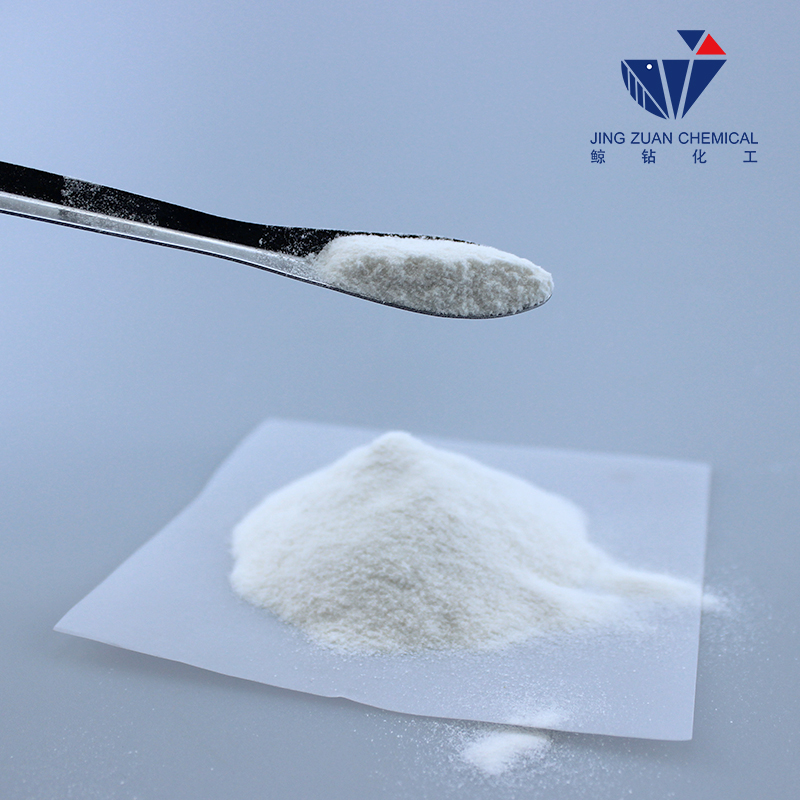
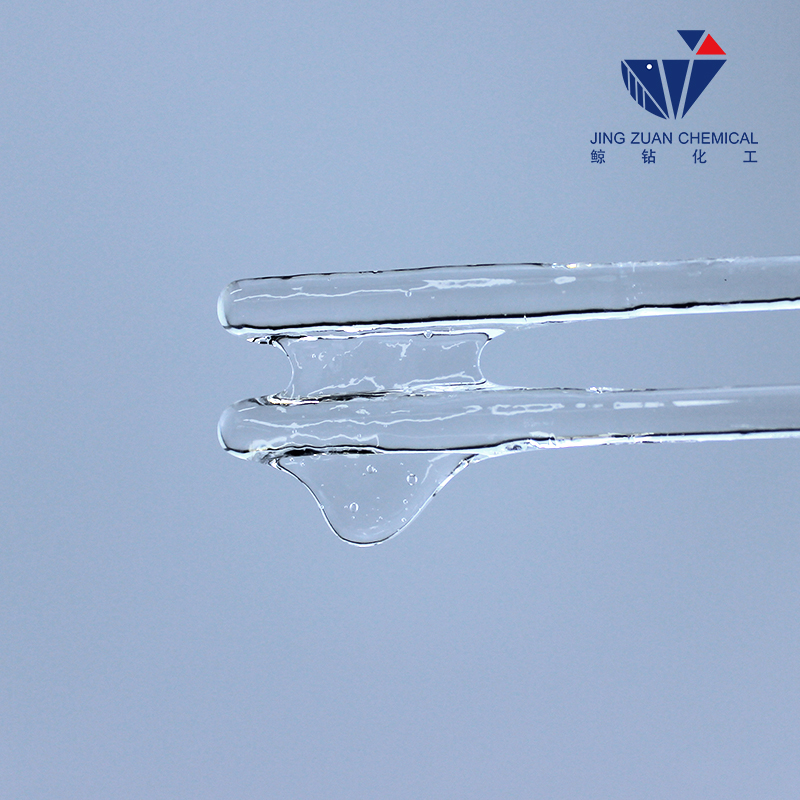
Simply put, HPMC stands for Hydroxypropyl Methylcellulose. It’s a cellulose derivative, basically a modified plant fiber, widely used as a thickener, binder, and water-retention agent in treatment formulations. When mixed into putty powders, it transforms otherwise dry, crumbly material into a more workable, adhesive, and flexible paste — essential for smooth wall finishes and durability.
Its compatibility with cementitious materials and resistance to bacterial degradation make it a huge asset, not just in traditional construction but in humanitarian contexts where long-lasting and reliable finishes are vital in shelters or rapid rebuilding.
Mini Takeaway: The Science Behind Practicality
HPMC is the small chemical that makes a big difference — by improving consistency, flexibility, and longevity of putty powder applications across industries.
Key Characteristics of HPMC for Putty Powders
1. Durability
One of the biggest selling points of HPMC is how it enhances the mechanical integrity of putty powder once dried. It reduces shrinkage cracking and improves adhesion to substrates — meaning surfaces stay smooth and intact longer.
2. Water Retention
Often overlooked, water retention is critical for curing cement-based products correctly. HPMC slows down the drying process, preventing premature cracking and ensuring optimum hydration of the compound. This is especially important in hot or arid environments.
3. Workability
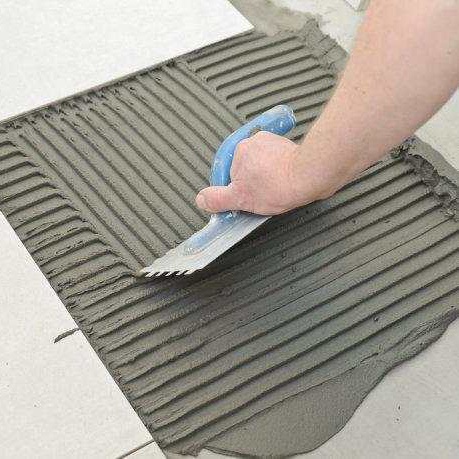
In real terms, workability means the ease with which professionals can apply the putty powder on walls or ceilings. HPMC modifies viscosity and plasticity, making the material smoother to spread, reducing labor time and improving final surface quality.
4. Compatibility
HPMC is chemically inert, which means it’s compatible with various fillers, cement types, and additives. This versatility is why it’s widely adopted across different types of putty formulations globally.
5. Eco-Friendliness
Derived from cellulose, HPMC is biodegradable and non-toxic, aligning with rising demands for greener building materials that reduce environmental impact throughout their lifecycle.
Mini Takeaway: The Essence of HPMC's Value
- Improved structural performance
- Optimized curing and longevity
- Simplicity of use and versatility
- Eco-conscious choice for modern construction
Where in the World is HPMC for Putty Powder Making Waves?
Given its benefits, hpmc-enhanced putty powders have found favor across:
- Asia-Pacific: Rapid urbanization and construction booms, especially in China and India, have driven high demand.
- Europe: Strict environmental regulations and renovation projects lean towards sustainable materials.
- Disaster Relief Efforts: NGOs employ HPMC formulations for weather-resistant shelter repairs in hurricane and earthquake zones.
- Industrial Applications: Remote industrial zones use HPMC putty for machinery protectants and quick surface repairs, where downtime means big money lost.
For instance, during the 2020 Indonesia earthquakes, rapidly deployable HPMC putty formulations helped repair cracks in structural supports, preventing further degradation — a small thing that had outsized benefits for safety.
Mini Takeaway
Real-world use cases prove HPMC’s vital role not just in urban construction but in emergency response and remote maintenance worldwide.
Benefits That Keep Professionals Coming Back for HPMC
What’s the long game here? Why not just use conventional putty powder? The advantages are layered:
- Cost-Effectiveness: Reduced repair frequency means lower maintenance costs over building lifespans.
- Sustainability: Uses bio-based, biodegradable components and reduces material waste.
- Reliability & Safety: Better adhesion and moisture control reduce molding and structural erosion risks, improving indoor air quality and occupant wellbeing.
- Emotional Comfort: Workers and homeowners alike trust a material that “just holds up” — safety breeds peace of mind.
- Innovation Driver: Using HPMC pushes industry norms towards smarter, more adaptable materials.
What’s Next: Future Trends in HPMC for Putty Powder
Looking ahead, the compound’s role will likely broaden into:
- Eco-innovations: Blends with recycled or waste materials for next-gen green putties.
- Digital Mixing & Quality Control: AI-enabled precision formulations to optimize performance per climate or structure type.
- Smart Materials: Responsive compounds that adjust moisture retention or flexibility on demand.
- Hybrid Systems: Combining HPMC with nanomaterials or polymers for superior durability and crack resistance.
It’s fascinating to imagine a future where your wall putty is almost smart enough to heal itself — the kind of sci-fi that’s edging closer every year.
The Bumps Along the Road: Challenges and How to Solve Them
Obviously, no material is perfect. The common challenges with HPMC putty powders include:
- Cost Premium: HPMC formulations tend to cost more upfront.
- Application Sensitivity: Environmental factors need fine control during mixing and curing.
- Supply Chain Issues: High-purity HPMC requires careful sourcing.
Solutions often revolve around smarter batching, training applicators, and developing more robust supply chains — plus innovative partnerships between chemical suppliers and construction firms to tailor formulations for local needs.
Practical FAQ on HPMC for Putty Powder
- Q: How does HPMC improve putty powder’s resistance to cracking?
- A: HPMC acts as a flexible binder that holds the putty matrix together during drying, reducing internal stresses that cause cracks. It also helps retain water longer, ensuring more uniform curing and fewer cracks.
- Q: Is HPMC suitable for outdoor and wet environments?
- A: Yes, HPMC’s water retention properties make putty powders more resistant to rain and humidity, protecting surfaces from moisture damage and ensuring adhesion over time.
- Q: Can I use HPMC putty powder for rapid repair jobs?
- A: Certainly. The improved workability allows faster application, and the enhanced curing control results in quicker drying without compromising durability — ideal for urgent repairs.
- Q: Are HPMC-based putty powders environmentally friendly?
- A: Absolutely. HPMC is plant-based and biodegradable, making formulations more sustainable than many synthetic alternatives.
- Q: Where can I source quality HPMC putty powder formulations?
- A: Trusted specialty chemical suppliers like hpmc for putty powder offer tailored formulations to suit your application and regional requirements.
Product Specification Table
| Specification | Typical Range | Importance |
|---|---|---|
| Viscosity (mPa.s, 2% solution) | 4000-6000 | Workability control |
| Methoxy Content (%) | 19-24 | Water retention & compatibility |
| Hydroxypropyl Content (%) | 4-12 | Flexibility and adhesion |
| Bulk Density (g/cm³) | 0.3-0.5 | Storage & mixing handling |
| pH (2% solution) | 5.5-8.0 | Chemical stability |
Comparing Leading Vendors of HPMC for Putty Powder
| Vendor | Product Range | Pricing Tier | Global Reach | Customer Support |
|---|---|---|---|---|
| CNJZ Chemical | Broad grades optimized for putty/adhesive | Mid-High | Asia, Europe, Americas | Technical, formulation guidance |
| Dow Chemical | Industrial HPC derivatives, wide application | High | Global | Comprehensive, R&D support |
| Colorcon | Pharmaceutical + building material grades | Mid | Americas, Europe, Asia | Focused technical resources |
Wrapping Up: Why HPMC for Putty Powder Could Be Your Next Game Changer
In a world where construction demands are growing faster than ever, and sustainability is no longer optional but mandatory, hpmc for putty powder represents a smart solution. It brings tangible benefits that improve every stage of building, from application to durability. Whether you’re an industrial buyer, a builder hunting for better materials, or an NGO working in disaster zones, grasping how HPMC turbocharges putty powders could pay off in saved time, money, and environmental footprint.
Curious to learn more or ready to optimize your supply chain? Feel free to visit hpmc for putty powder and discover tailored solutions designed to meet your exact needs.
References
-
Understanding Hydroxypropyl Methyl Cellulose MSDS Safety and Compliance
NewsApr.16,2026
-
Understanding the Hydroxypropyl Methyl Cellulose HS Code for Global Trade
NewsApr.09,2026
-
Comprehensive Guide to Hydroxypropyl Methyl Cellulose CAS Number and Applications
NewsApr.07,2026
-
Comprehensive Guide to Hydroxypropyl Methyl Cellulose cas no and its Diverse Applications
NewsApr.04,2026
-
Comprehensive Guide to Hydroxypropyl Methyl Cellulose Manufacturers and Applications
NewsMar.31,2026
-
Understanding Hydroxypropyl Methyl Cellulose Properties And Diverse Applications
NewsMar.28,2026