
Dec . 01, 2025 21:45 Back to list
HPMC for Mortar: Enhancing Durability and Workability in Modern Construction
Understanding HPMC for Mortar: What It Is and Why It Matters
If you’ve ever walked past a construction site or marveled at a freshly plastered wall, you might not have realized the tiny miracle at work behind the scenes — hydroxypropyl methylcellulose, or HPMC for mortar. This additive quietly revolutionizes how mortars perform across the globe, delivering improved workability, durability, and even sustainability in building materials. Why should we care beyond just architects and engineers? Well, in a world where infrastructure is both growing rapidly and facing climate challenges, understanding materials like HPMC can mean the difference between lasting, safe structures and those that crumble prematurely.
So let’s take a gentle but thorough dive into hpmc for mortar — what it does, why it’s increasingly relevant internationally, and how it’s reshaping industries from disaster relief housing to industrial construction in remote areas.
The Global Context: Why HPMC for Mortar is a Growing Necessity
According to UN climate data, the world’s urban population is expected to hit 68% by 2050 — faster growth than many infrastructure systems can handle sustainably. Simultaneously, ISO reports that better building materials are essential to mitigate environmental impacts and enhance durability.
Here’s the catch: traditional mortars often crack, dry out unevenly, or don’t withstand harsh weather well, particularly in developing countries or disaster-prone zones. Enter HPMC for mortar, which can improve water retention and adhesion — two critical factors that allow structures to stand the test of time and nature’s fury.
In real terms? If you’re ever involved in post-disaster reconstruction or upgrading old urban neighborhoods, this additive isn’t just chemistry—it’s a small but mighty enabler of resilience.
Defining HPMC for Mortar: The Basics You Need to Know
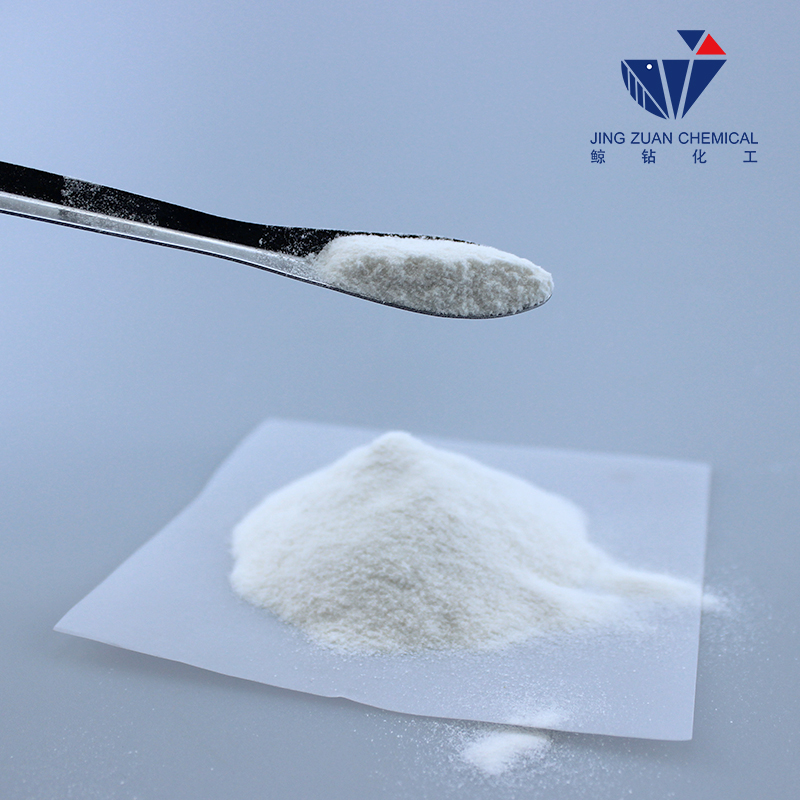
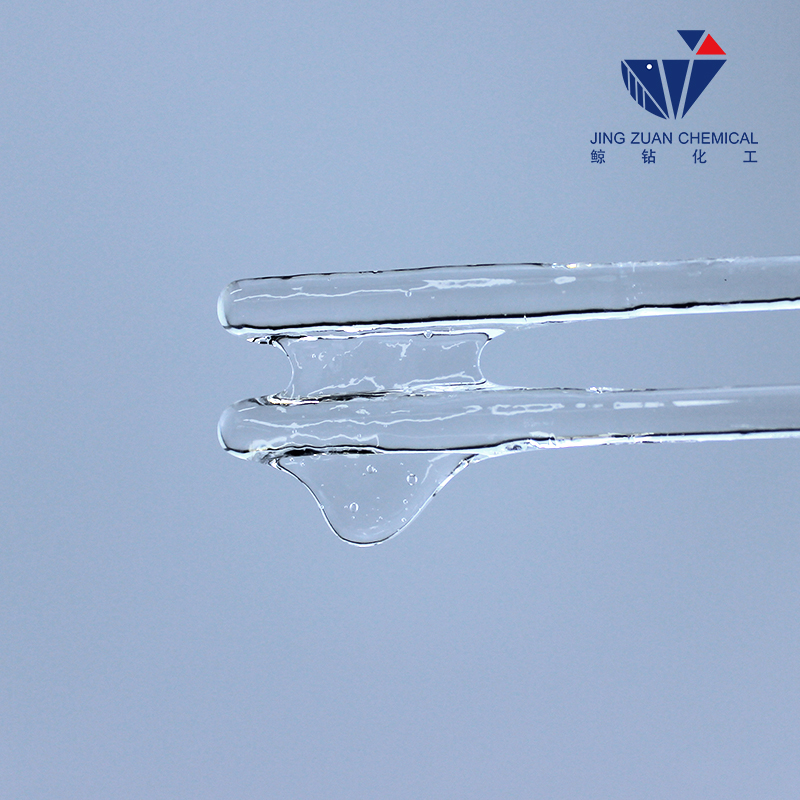
At its core, hydroxypropyl methylcellulose (HPMC) is a cellulose derivative — think cellulose, which naturally occurs in plants, given a chemical twist so it becomes water-soluble and versatile. When mixed into mortar, it works as a thickener and water retention agent without compromising strength.
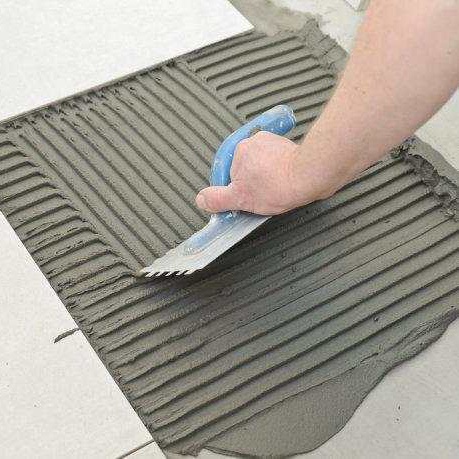
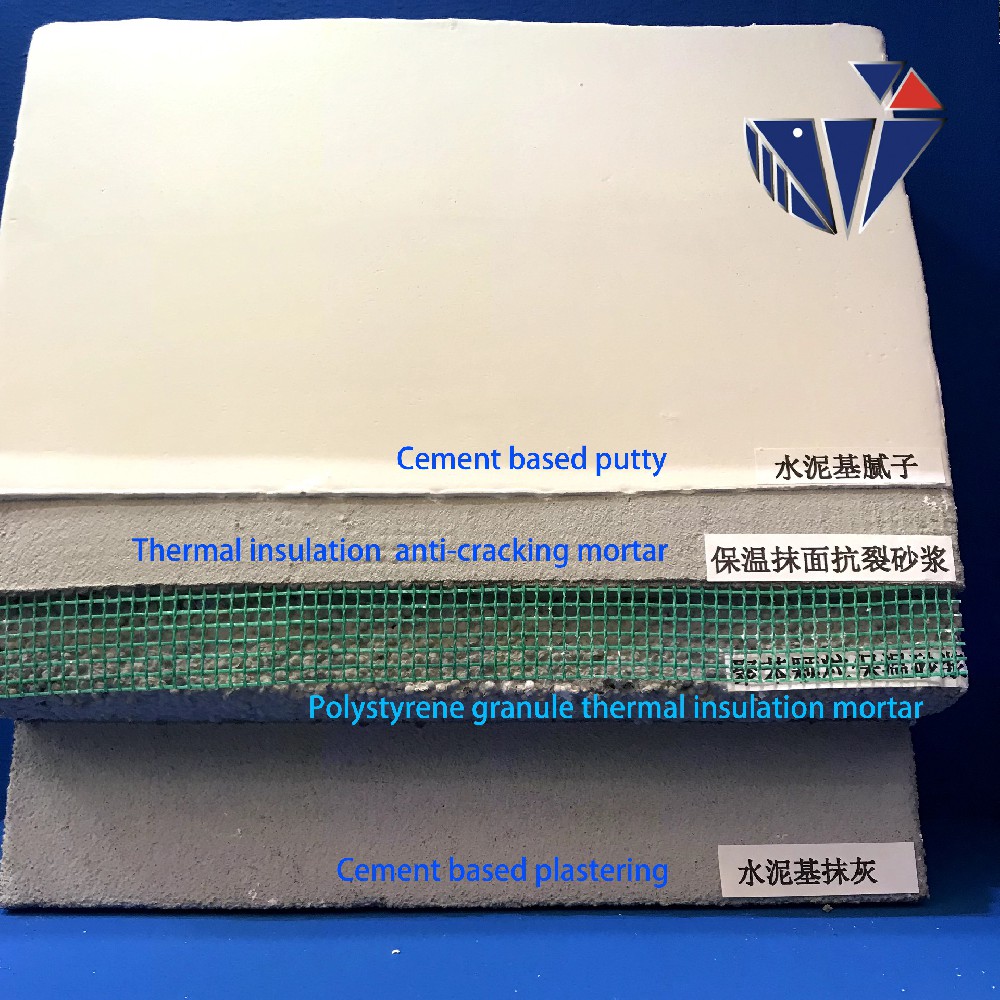
Imagine mortar that's easier to spread, sticks better to surfaces, and stays workable longer before drying — that’s the promise of hpmc for mortar. It’s widely used in modern construction, tile adhesives, and plasters, but increasingly, it's found a niche in humanitarian efforts as the world demands better, faster rebuilding techniques.
What Makes HPMC for Mortar Tick? Key Components and Factors
1. Water Retention
This is the big one. Too often, mortars dry out too fast, leading to shrinkage and cracks. HPMC helps mortar hold water longer — allowing the hydration process of cement to complete properly. Many engineers say this is a major reason why plaster fails less often when HPMC is involved.
2. Workability & Consistency
It’s easier to spread, smoother to apply, and messes less with the traditional “feel” of mixing mortar by hand or machine. This can save time on site and reduce waste.
3. Adhesion Improvement
Better stickiness means mortar grips bricks, tiles, or blocks with less slippage — critical for vertical or overhead applications.
4. Durability & Crack Resistance
HPMC contributes to a tougher cured mortar that resists environmental stresses — which is why structures last longer. For community housing projects, that’s a life-changing value.
5. Freeze-Thaw Resistance
In colder climates, HPMC modifies how water interacts with the mortar, helping it resist cycles of freezing and thawing — a subtle but crucial advantage.
6. Compatibility and Scalability
Because it’s synthetic but based on natural cellulose, HPMC blends well with other additives and is suitable for large or small projects alike.
Mini takeaway: The magic of HPMC is in balancing physical and chemical properties that make mortar perform reliably under a broad range of conditions.
Practical Uses Around the Globe: How HPMC for Mortar Makes a Difference
You might be surprised how widespread HPMC’s impact already is:
- Post-disaster housing: NGOs use HPMC-enhanced mortars for faster, more reliable wall construction where speed and safety are paramount.
- Industrial zones in remote areas: Workers rely on its improved adhesion and workability where machinery is sparse.
- Developing countries’ urban growth: HPMC helps lay smoother plaster and finishes on dense mid-rise housing.
- Tile adhesive industries in Asia and Europe: It’s a staple additive to improve product consistency.
For example, a recent project in Southeast Asia used mortar with 0.3% HPMC for repairing earthquake-damaged homes, speeding up the process by nearly 20% and cutting material failure rates in half.
Advantages & The Long Haul: Why HPMC is More Than Just a Pretty Additive
The emotional angle isn’t just about tech specs — it’s about safety and dignity too. Imagine a family knowing their home won’t start cracking after the first rainy season, or a disaster relief team making sure their structures won’t pose risks weeks later.
On the logical side, reduced rework and less material waste means cost savings and less environmental impact. The additive’s ability to boost sustainability aligns with ISO environmental standards, which companies increasingly value.
Looking Ahead: Future Trends and Innovations in HPMC for Mortar
The material tech world is buzzing with ideas incorporating green chemistry to further enhance HPMC blends, reducing reliance on petrochemical sources. There’s also work going on to integrate nanomaterials and digital dosing controls for precise mortar customization on-site. Automation in mixing and applying these mortars is slowly becoming reality.
I suppose the next decade will blur the lines between digital and material innovation — with hpmc for mortar stuck somewhere at the intersection, quietly improving buildings worldwide.
Challenges and How to Overcome Them
HPMC isn’t a silver bullet. Some challenges users face include:
- Cost considerations: Though prices have come down, it’s still a slight premium additive.
- Mixing expertise: Too much or too little HPMC can mess with workability.
- Storage sensitivity: If not stored properly, HPMC powders can cake or degrade.
Experts recommend thorough training and proper quality control. Plus, partnering with trusted suppliers who understand your climate and use case makes a big difference.
Product Specification Table: Typical HPMC Grades for Mortar
| Specification | Typical Range | Units | Notes |
|---|---|---|---|
| Methoxy Content | 19–24 | % | Controls water retention |
| Hydroxypropyl Content | 4–12 | % | Affects viscosity |
| Viscosity | 2000–4000 | mPa·s (2% solution) | Key for workability |
| pH | 8–10 | - | Neutral to slightly alkaline |
| Solubility | 100% | - | Fully water-soluble |
Vendor Comparison Table: Leading HPMC Suppliers
| Supplier | Typical Viscosity Range | Price Range (USD/kg) | Bulk Packaging | Special Features |
|---|---|---|---|---|
| Supplier A (Asia-based) | 2000–3500 mPa·s | 2.5–3.5 | 25 kg bags, 1 ton bulk | Customized viscosities |
| Supplier B (Europe) | 3000–4000 mPa·s | 3.8–4.5 | 20 kg bags | Eco-friendly grade |
| Supplier C (North America) | 1500–3200 mPa·s | 2.8–3.2 | Various bulk sizes | High purity grades |
FAQ: Your Common Questions on HPMC for Mortar
Q1: How does HPMC improve mortar workability?
HPMC acts as a water retention agent and thickener, which gives mortar a smoother, stickier texture without becoming runny. This balance lets workers spread it easily while ensuring it doesn’t sag or slide off vertical surfaces.
Q2: Is HPMC for mortar suitable for cold climates?
Yes! One standout property is enhanced freeze-thaw resistance. HPMC modifies how water freezes inside the mortar matrix, reducing cracking and spalling during cold cycles.
Q3: Can HPMC be used in all types of mortar mixtures?
While generally compatible with most cement- or lime-based mortars, the dosage and grade should be tailored to the specific formulation for optimal performance. Consulting product datasheets or suppliers helps avoid overuse.
Q4: How should HPMC powder be stored on site?
Store HPMC in dry, sealed containers away from moisture and extreme temperatures to prevent clumping and preserve effectiveness.
Q5: Where can I buy reliable HPMC for mortar?
Trusted chemical suppliers like this vendor offer well-tested grades tailored for construction. Always request technical support to match your application needs.
To Wrap Up: Why HPMC for Mortar Matters Long-Term
The story of HPMC for mortar isn’t just about chemistry — it’s about changing the way we build and rebuild across diverse challenges. It blends tradition with innovation, offers practical solutions for durability, and supports sustainability goals quietly but effectively. Whether you’re managing a large urban redevelopment or small-scale disaster housing, understanding and using this additive can mean safer, longer-lasting structures — a gift that keeps on giving.
Interested in exploring the right HPMC grade for your project? Visit our website for detailed product info, expert advice, and customized solutions.
References:
1. ISO Environmental Management Standards – iso.org
2. United Nations Climate Change Data – un.org
3. Wikipedia: Hydroxypropyl Methylcellulose
-
Understanding Hydroxypropyl Methyl Cellulose MSDS Safety and Compliance
NewsApr.16,2026
-
Understanding the Hydroxypropyl Methyl Cellulose HS Code for Global Trade
NewsApr.09,2026
-
Comprehensive Guide to Hydroxypropyl Methyl Cellulose CAS Number and Applications
NewsApr.07,2026
-
Comprehensive Guide to Hydroxypropyl Methyl Cellulose cas no and its Diverse Applications
NewsApr.04,2026
-
Comprehensive Guide to Hydroxypropyl Methyl Cellulose Manufacturers and Applications
NewsMar.31,2026
-
Understanding Hydroxypropyl Methyl Cellulose Properties And Diverse Applications
NewsMar.28,2026