
Dec . 01, 2025 21:10 Back to list
Comprehensive Guide to HPMC for Gypsum Plaster: Benefits, Uses & Trends
The Growing Importance of HPMC for Gypsum Plaster: What You Need to Know
In today's construction and building materials industries, few additives have gained as much relevance as HPMC for gypsum plaster. Hydroxypropyl methylcellulose (HPMC) plays a subtle yet pivotal role in enhancing gypsum plaster mixtures, influencing everything from workability to durability. Why does this matter globally? Well, gypsum plaster is widely used—whether for interior wall coatings, ceiling designs, or repair applications—and HPMC ensures these plasters meet the increasing demands for sustainability, cost efficiency, and performance.
Better understanding HPMC’s role leads to smarter choices in construction projects, especially in regions battling high humidity, rapid urban growth, or disaster reconstruction. As we unpack its benefits, applications, and future trends, you might find yourself looking at that plain wall a little differently.
Global Context: Why HPMC for Gypsum Plaster Is a Game-Changer
The global demand for improved construction materials is booming—projected to grow at about 5% annually (World Bank, 2023). Gypsum plaster, ubiquitous in both developed and developing markets, is frequently challenged by issues like cracking, poor adhesion, and short pot life. Enter HPMC, a cellulose derivative that addresses these problems by modifying workability and water retention.
According to ISO standards and multiple UN habitat reports, additives like HPMC can reduce material wastage and improve durability, vital for sustainable urban planning. In countries prone to high humidity or seismic activity, enhanced plaster ensures buildings last longer and maintain aesthetic appeal. Yet, many builders still aren't fully aware of HPMC’s capabilities, which hampers efficiency and building quality worldwide.
Defining HPMC and Its Role in Gypsum Plaster
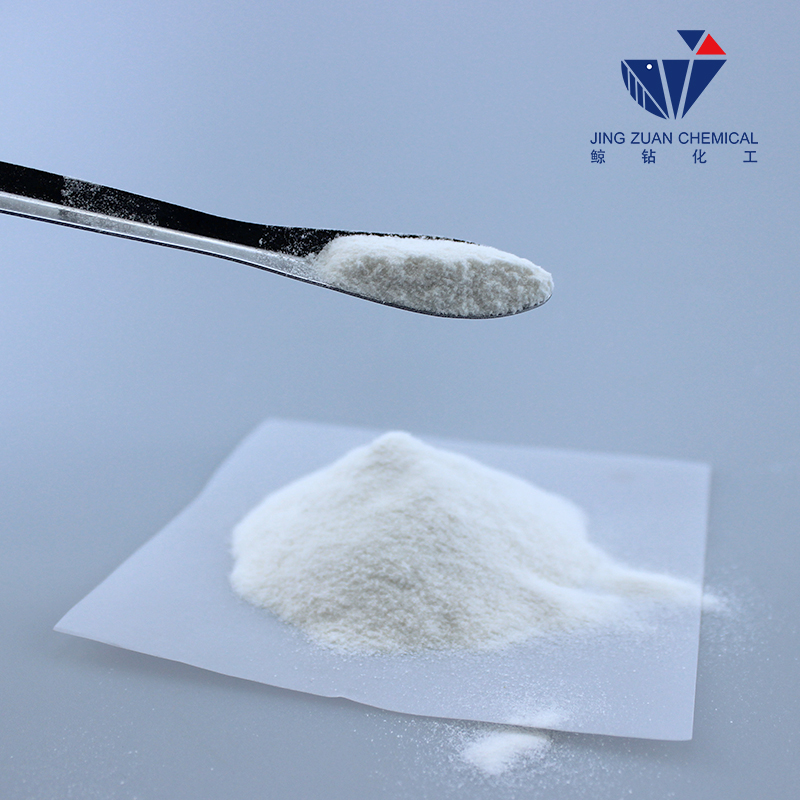
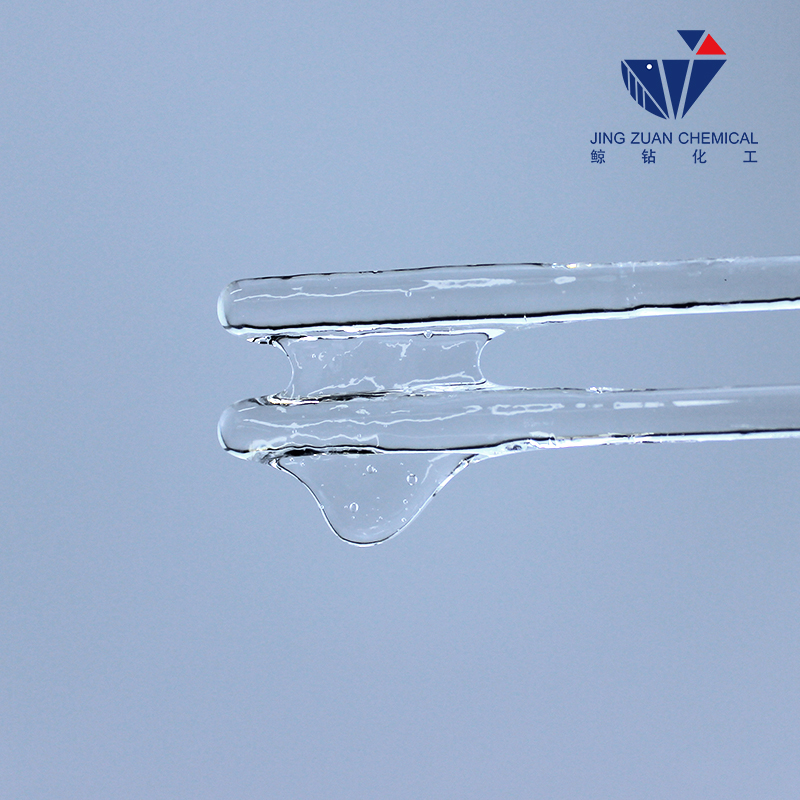
So, what exactly is hpmc for gypsum plaster? Put simply, HPMC (hydroxypropyl methylcellulose) is a water-soluble ether derivative of cellulose, extracted mainly from wood pulp or cotton. It acts primarily as a thickening agent, water retainer, and binder. When added to gypsum plaster, HPMC improves slurry consistency, slows evaporation during curing, and boosts adhesion to surfaces.
This connection between a botanical base and modern construction materials is fascinating. It bridges the natural world and cutting-edge engineering in a way that supports affordability and performance, especially for humanitarian construction efforts where resources can be scarce but quality cannot be compromised.
Core Components and Key Factors that Make HPMC Essential
1. Water Retention
Gypsum plaster needs enough moisture to properly hydrate and cure. HPMC prolongs this hydration period by holding water in the plaster matrix, reducing shrinkage cracks and improving surface finish quality.
2. Workability & Viscosity
Adding HPMC increases slip and spreadability, making plaster easier to apply and reducing fatigue for laborers. Oddly enough, it also helps prevent sagging on vertical surfaces, which can be frustrating on ceilings or intricate moldings.
3. Adhesion Improvement
This is crucial — gypsum plaster adheres better to uneven or porous substrates when HPMC is present, leading to fewer failures or delamination over time.
4. Freeze-Thaw Resistance
In colder climates, plasters are vulnerable to cracking after freeze-thaw cycles. HPMC increases flexibility slightly, helping structures withstand these temperature swings.
5. Shelf Life Extension
HPMC helps extend the time mixed plaster remains usable, allowing construction teams to work efficiently without waste during long jobs.
Product Specification Table: Typical HPMC Grades for Gypsum Plaster
| Specification | Value | Unit | Notes |
|---|---|---|---|
| Appearance | White Powder | - | Standard grade |
| Methoxy Content | 19 - 24 | % | Affects viscosity |
| Hydroxypropyl Content | 4 - 12 | % | Enhances binding |
| Viscosity (2% aqueous solution) | 3000 - 12000 | mPa·s | Customizable per application |
| pH (2% solution) | 6.5 - 8.5 | - | Neutral to mild alkaline |
Real-World Uses: How HPMC is Changing Plaster Applications Globally
In post-disaster relief operations, like after the 2023 Turkey earthquake, teams depend on plaster additives to quickly repair damaged homes to provide dignified shelter. HPMC-enhanced gypsum plaster ensures quick setting but long-lasting walls that resist crumbling. In remote industrial zones, where skilled labor is limited, the improved workability reduces installation errors and speeds up fit-out times. European green building projects increasingly specify HPMC additives to meet indoor air quality and moisture control standards.
Even in everyday renovations or new urban housing, the accessibility of these cellulose ethers trims costs without compromising structural integrity. It’s also notable how certain NGOs prefer suppliers that rigorously conform to ISO standards on HPMC purity — that speaks volumes about trust in humanitarian builds.
Advantages and the Long-Term Value of HPMC Additives
- Cost Efficiency: By reducing plaster wastage and rework, projects run smoother and budgets stretch further.
- Sustainability: Derived from renewable resources, HPMC fits readily into the circular economy push, reducing chemicals reliance.
- Enhanced Safety: Stronger adhesion means walls and ceilings hold firm, protecting occupants better in tough environments.
- Improved Aesthetics: Smoother finishes with fewer cracks maintain building value longer.
- Trust & Reputation: For manufacturers and contractors, specifying HPMC signals quality commitment.
On the emotional side, communities benefit from structures that feel reliable and carefully constructed — a subtle but real boost to social dignity.
Vendor Comparison: Leading HPMC Suppliers for Gypsum Plaster
| Supplier | Viscosity Range (mPa·s) | Price (USD/kg) | ISO Certification | Availability |
|---|---|---|---|---|
| Cnjz Chemical | 3000-11000 | 1.20 - 1.50 | ISO 9001 | Global |
| Dow Chemical | 4000-12000 | 1.30 - 1.60 | ISO 9001 | North America, Europe |
| Shandong Finest | 3500-10000 | 1.10 - 1.40 | ISO 9001 | Asia, Africa |
Emerging Trends and Innovations in HPMC Use
Green construction and digital manufacturing are pushing HPMC applications further. New formulations target lower carbon footprints and higher bio-degradability, marrying well with sustainable building certifications like LEED. Automation in plaster mixing and application often depends on consistent slurry behavior — which advanced HPMC grades help ensure. There’s also progress in smart additives that adjust viscosity dynamically with temperature changes.
One can imagine a future where these cellulose ethers do more than bind — perhaps storing micro-sensors or interacting with digital systems to signal structural health. It’s a bit sci-fi but grounded in real R&D efforts worldwide.
Common Challenges and Expert Solutions
While great, HPMC isn’t a magic fix-all. High humidity environments can sometimes cause excessive setting time delays if dosage isn’t optimized. Also, batch consistency variations occasionally cause on-site variability in plaster texture.
Experts recommend thorough lab testing before scaling, coupled with ongoing quality control from suppliers. Innovations like polymer blends or nanomaterial additives can help mitigate some limitations.
FAQ: Common Questions on HPMC for Gypsum Plaster
- Q1: How much HPMC should I add to gypsum plaster?
- A typical dosage ranges from 0.1% to 0.3% by weight of dry plaster. It depends on desired workability and setting time. Overdosing can cause slipping or foaming.
- Q2: Does HPMC affect plaster drying time?
- Yes, it generally slows drying to retain moisture, preventing cracks but may extend time before final painting.
- Q3: Is HPMC compatible with all types of gypsum plaster?
- HPMC is broadly compatible but formulation tweaks might be needed for special plasters like lime-gypsum blends.
- Q4: Can HPMC be used outdoors?
- Typically, gypsum plasters aren’t recommended outdoors; however, HPMC enhances performance in semi-protected exterior zones.
Wrapping Up: Why HPMC for Gypsum Plaster Matters Long-Term
To sum up, the inclusion of HPMC in gypsum plaster formulations is not just a minor ingredient choice. It’s a strategic decision with far-reaching impacts — cutting costs, improving sustainability, and boosting quality in construction worldwide. As urban populations surge and building codes evolve, smarter materials like these will increasingly distinguish winners from also-rans in building performance.
Curious to explore more or source high-quality additives? Feel free to visit our website for detailed product options: hpmc for gypsum plaster.
Mini takeaway: Investing in HPMC-enhanced gypsum plaster is investing in better building longevity, worker efficiency, and sustainable progress.
References
-
Understanding Hydroxypropyl Methyl Cellulose MSDS Safety and Compliance
NewsApr.16,2026
-
Understanding the Hydroxypropyl Methyl Cellulose HS Code for Global Trade
NewsApr.09,2026
-
Comprehensive Guide to Hydroxypropyl Methyl Cellulose CAS Number and Applications
NewsApr.07,2026
-
Comprehensive Guide to Hydroxypropyl Methyl Cellulose cas no and its Diverse Applications
NewsApr.04,2026
-
Comprehensive Guide to Hydroxypropyl Methyl Cellulose Manufacturers and Applications
NewsMar.31,2026
-
Understanding Hydroxypropyl Methyl Cellulose Properties And Diverse Applications
NewsMar.28,2026