
Sep . 10, 2025 09:40 Back to list
Cellosize HEC: High-Purity Hydroxyethylcellulose for Sale
Understanding Hydroxyethyl Cellulose (HEC) for Industrial Applications
In the realm of industrial chemistry, specific cellulosic ethers play a pivotal role in optimizing product performance across a myriad of sectors. Among these, Hydroxyethyl Cellulose, often identified by the trade name cellosize hec, stands out as a versatile and indispensable thickener, rheology modifier, and water retention agent. This advanced polymer is derived from natural cellulose, chemically modified to impart unique properties suitable for demanding B2B applications, from construction materials to personal care products and pharmaceuticals.
Our focus delves into the technical intricacies, manufacturing excellence, diverse application potential, and strategic advantages offered by this high-performance additive, ensuring decision-makers and engineers gain a comprehensive understanding of its value proposition.
The Chemistry and Properties of Hydroxyethyl Cellulose
Hydroxyethyl Cellulose (HEC) is a non-ionic, water-soluble polymer synthesized from cellulose. Its molecular structure features hydroxyethyl groups introduced onto the anhydroglucose units of the cellulose backbone, enhancing its solubility in water and its ability to act as an effective thickening and stabilizing agent. The degree of substitution (DS) and molecular weight are critical parameters that define the rheological properties and overall performance of different HEC grades.
The non-ionic nature of HEC grants it excellent compatibility with a wide range of other materials, including various surfactants, polymers, and salts, making it highly adaptable for complex formulations. It exhibits superior pseudoplastic behavior, meaning its viscosity decreases under shear stress, which is highly beneficial for applications requiring easy pumpability or sprayability during processing, yet desiring high viscosity at rest for stability. Furthermore, its protective colloid properties enhance the stability of emulsions and suspensions, preventing particle settling or phase separation.
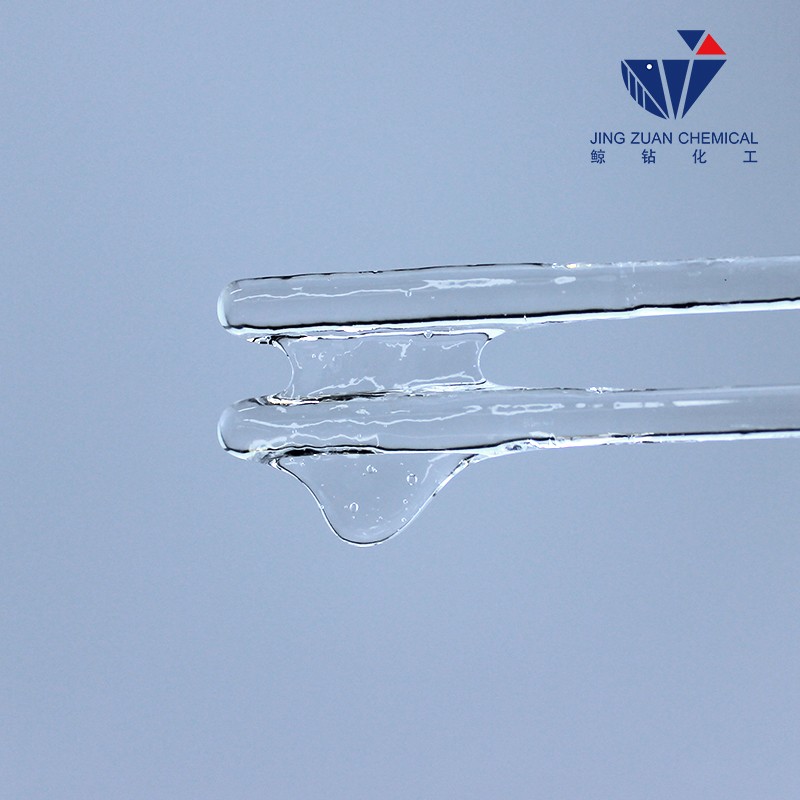
Manufacturing Process of High-Performance cellosize hec
The production of high-quality Hydroxyethyl Cellulose involves a meticulously controlled multi-stage chemical synthesis process. Starting with refined cellulose pulp, typically from wood or cotton, the process transforms natural cellulose into a highly functional polymer. This ensures consistent product quality, critical for industrial applications.
Key Process Steps:
- Alkalization: Refined cellulose pulp is treated with a strong alkali solution, typically sodium hydroxide. This step swells the cellulose fibers, converting them into alkali cellulose, which is more reactive for the subsequent etherification. This process is crucial for opening up the crystalline structure of cellulose.
- Etherification: The alkali cellulose is then reacted with ethylene oxide in a controlled environment. The ethylene oxide reacts with the hydroxyl groups on the cellulose backbone, introducing hydroxyethyl groups. The reaction conditions, including temperature, pressure, and reactant ratios, are precisely managed to achieve the desired degree of substitution (DS) and molecular weight, which directly impact the final product's viscosity and solubility.
- Neutralization: After the etherification, the reaction mixture is neutralized, typically with an acid, to achieve a stable pH level suitable for subsequent processing and end-use applications.
- Washing and Purification: The crude HEC is thoroughly washed with hot water to remove residual salts, unreacted reagents, and other impurities. This purification step is vital for ensuring high purity, clarity, and stability of the final product, especially for pharmaceutical and food-grade applications.
- Drying: The purified HEC slurry is then dewatered and dried using advanced drying techniques to achieve a consistent moisture content, which is essential for product stability and shelf life.
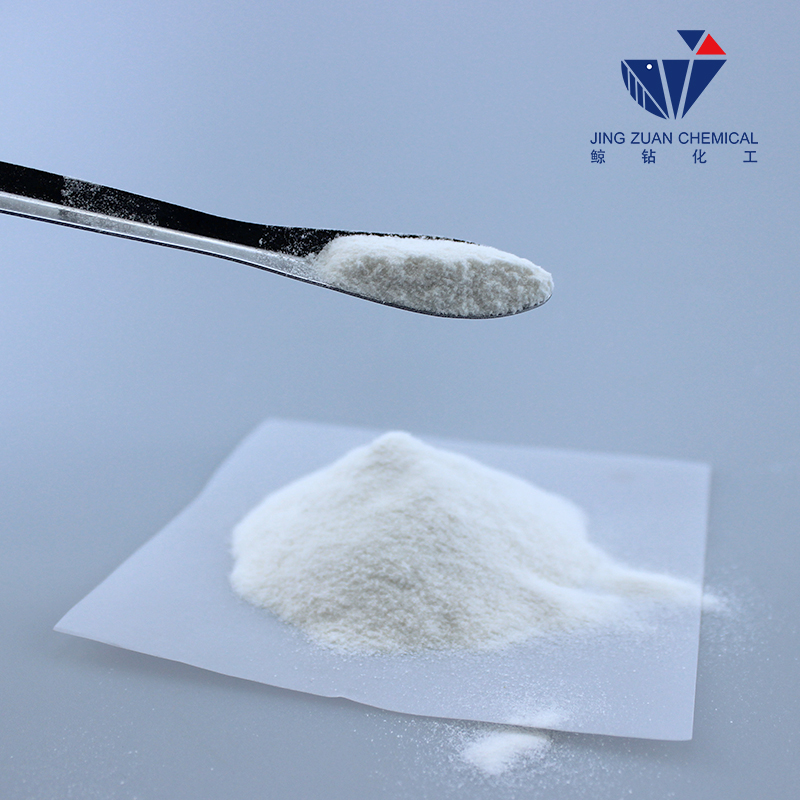
- Grinding and Sizing: The dried HEC is ground into a fine powder and sieved to achieve the desired particle size distribution. This step ensures consistent dissolution rates and performance in various formulations.
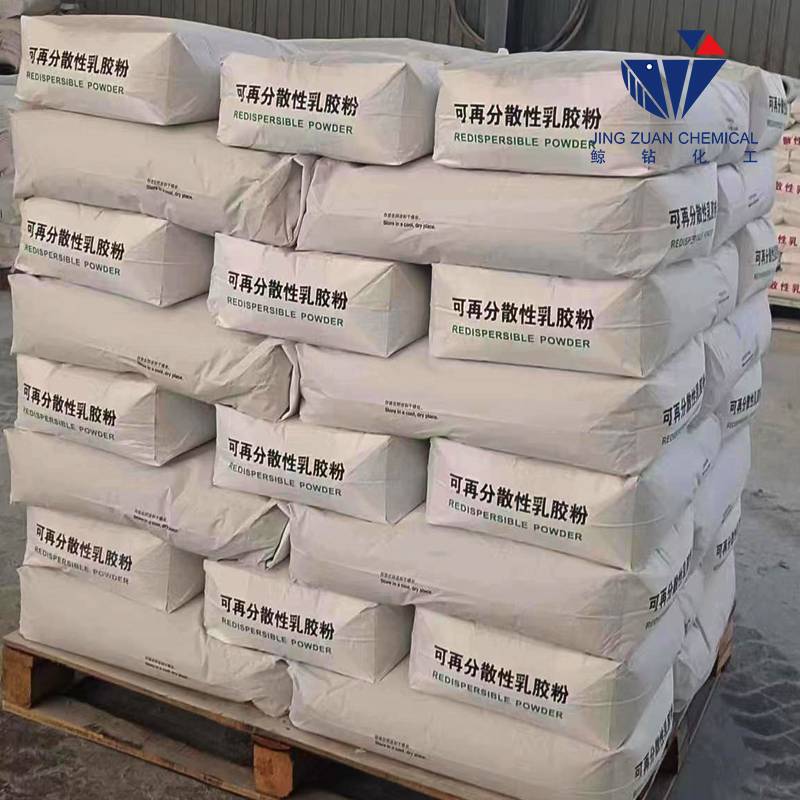
- Quality Control & Packaging: Throughout the entire process, stringent quality control measures are implemented. Samples are regularly tested against international standards (e.g., ASTM, ISO 21855 for viscosity, USP/EP for pharmaceutical grades) for properties such as viscosity, pH, moisture content, degree of substitution, clarity, and heavy metal content. Only products meeting strict specifications are packaged, often in multi-ply paper bags or big bags, to ensure product integrity during transport and storage.
Our manufacturing process emphasizes energy efficiency and environmental responsibility, aligning with ISO 14001 standards. This commitment ensures not only superior product quality but also sustainable production practices, contributing to a reduced environmental footprint for cellosize hec.
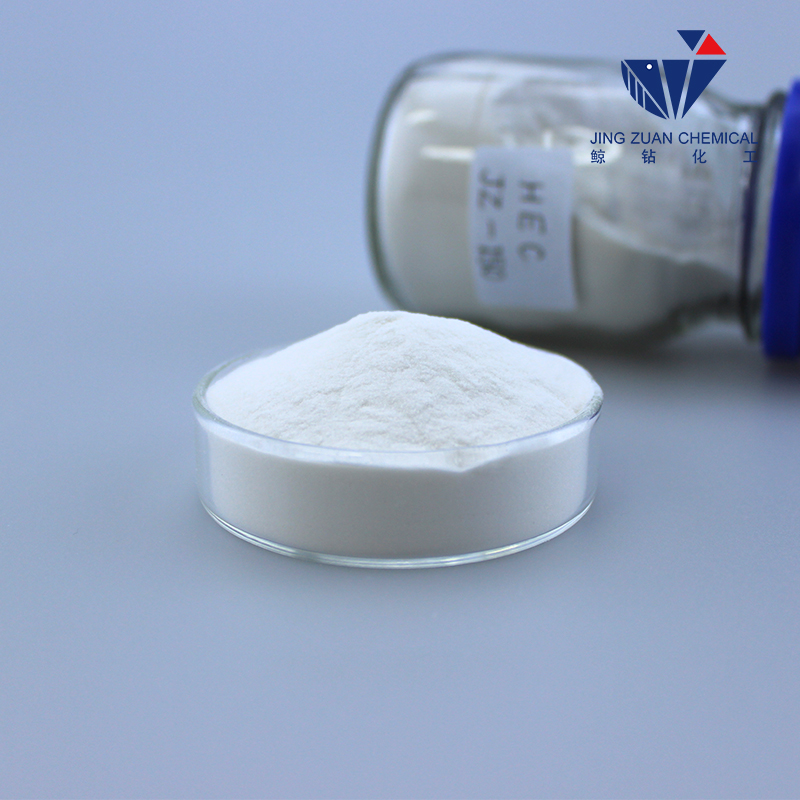
Key Technical Specifications and Grades of Hydroxyethyl Cellulose
The performance of HEC is highly dependent on its specific grade, characterized by parameters such as molecular weight, degree of substitution, and particle size. Our product range, including the versatile cellosize hec, is designed to meet diverse industrial requirements.
Typical Product Specification Table:
| Parameter | Unit | Typical Range (Low Viscosity) | Typical Range (Medium Viscosity) | Typical Range (High Viscosity) |
|---|---|---|---|---|
| Viscosity (2% solution, Brookfield, 25°C) | mPa·s | 75 - 300 | 1,500 - 6,000 | 40,000 - 100,000 |
| pH (2% solution) | - | 6.0 - 8.5 | 6.0 - 8.5 | 6.0 - 8.5 |
| Moisture Content | % | ≤ 5.0 | ≤ 5.0 | ≤ 5.0 |
| Ash Content (as Na2SO4) | % | ≤ 4.0 | ≤ 4.0 | ≤ 4.0 |
| Degree of Substitution (DS) | - | 1.5 - 2.5 | 1.5 - 2.5 | 1.5 - 2.5 |
| Particle Size (through 80 mesh) | % | ≥ 98 | ≥ 98 | ≥ 98 |
These specifications allow formulators to select the appropriate HEC grade for precise control over thickening, pseudoplasticity, and water retention in their final products. Custom grades with specialized properties are also available to meet niche market demands, confirming our commitment to comprehensive hydroxyethylcellulose for sale solutions.
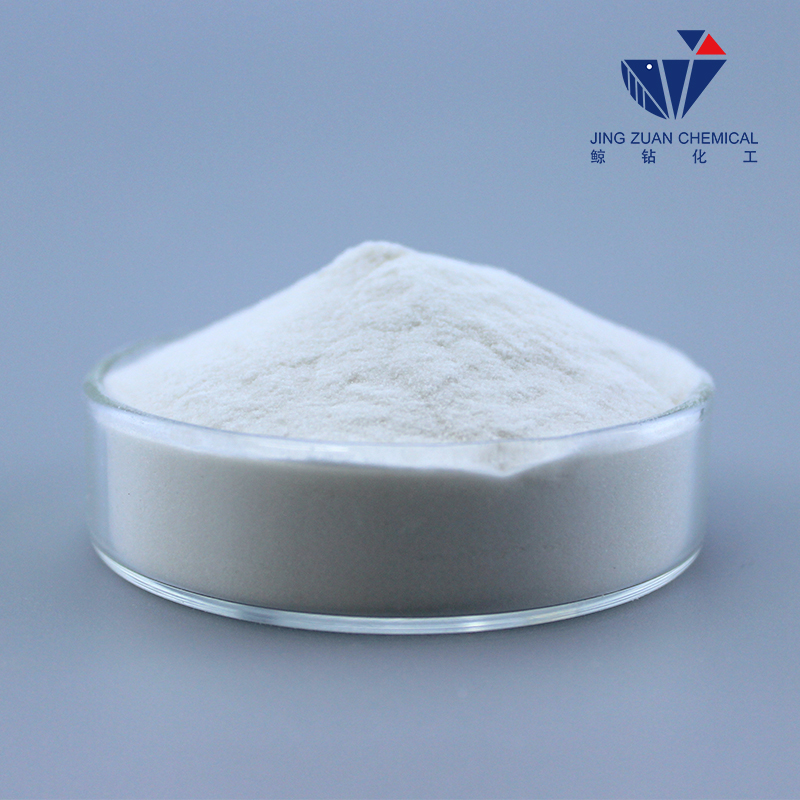
Diverse Application Scenarios and Industries
The versatility of HEC makes it an essential additive across a broad spectrum of industries, owing to its exceptional thickening, stabilizing, and film-forming capabilities. Here are some of the primary application areas where hydroxyethyl cellulose proves invaluable, including specialized formulations akin to cellosize hec:
- Paints & Coatings: HEC is a widely used thickener in water-based architectural and industrial paints. It provides excellent sag resistance, improves brushability, and enhances color development and storage stability. Its pseudoplastic rheology allows for easy application while preventing drips and runs.
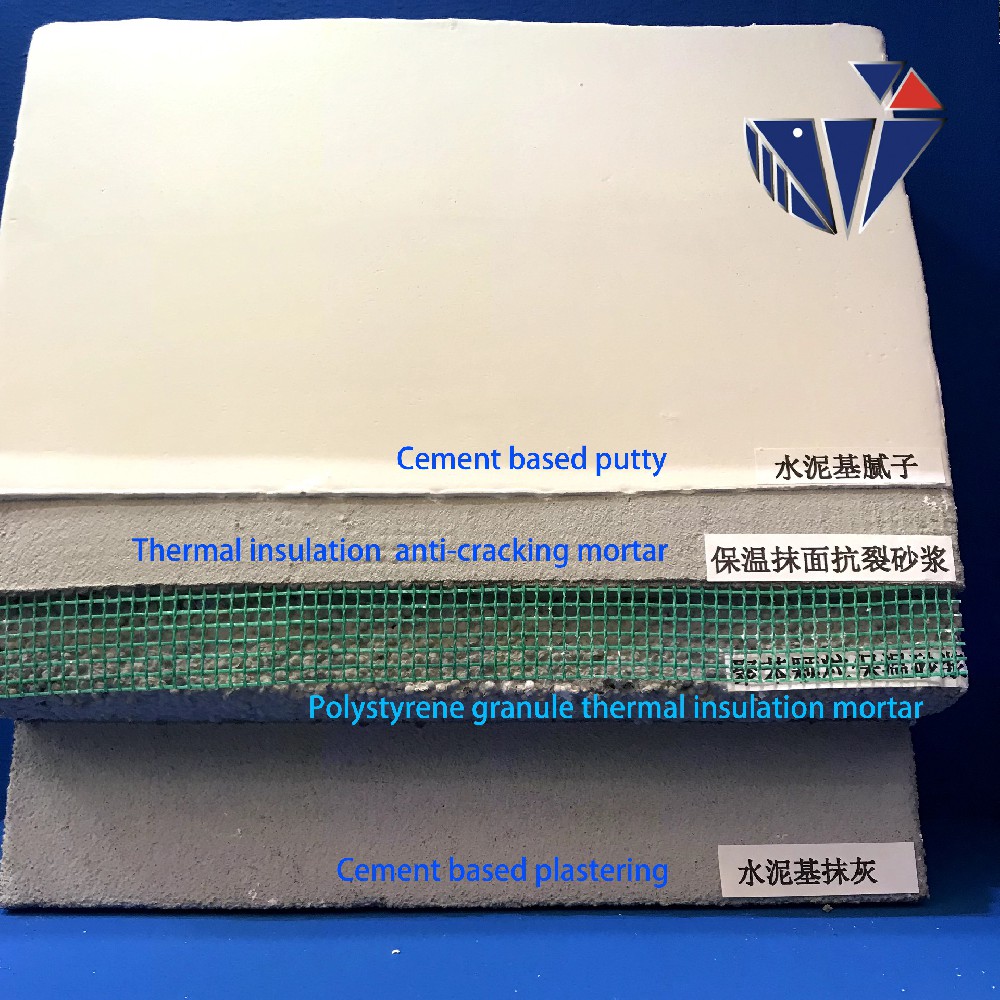
- Construction Materials: In gypsum-based and cementitious mortars, tile adhesives, and renders, HEC acts as a highly effective water retention agent, improving workability, open time, and adhesion. It prevents premature drying, ensuring optimal hydration of cement and strength development.
- Oil & Gas Exploration (Drilling Fluids): HEC is a critical component in drilling and completion fluids. It acts as a rheology modifier and fluid loss control agent, particularly in salt-tolerant systems, helping to stabilize boreholes, suspend cuttings, and minimize fluid invasion into formations.
- Personal Care & Cosmetics: From shampoos and conditioners to lotions, creams, and toothpastes, HEC provides thickening, emulsion stabilization, and texture enhancement. Its gentle nature makes it suitable for skin and hair care formulations, offering a pleasant sensory feel.
- Pharmaceuticals: In oral liquid medications, ophthalmic solutions, and topical gels, HEC serves as a thickener, binder, and film-former. Its biocompatibility and non-toxic profile are key advantages, adhering to stringent pharmacopoeial standards (e.g., USP, EP).
- Adhesives & Sealants: HEC improves the viscosity, tack, and water resistance of various adhesive formulations, including wallpaper adhesives and non-woven binders.
- Paper & Textile Industries: Used as a surface sizing agent, binder, and coating additive, HEC enhances paper strength, printability, and acts as a protective colloid in textile printing pastes.
These diverse applications underscore the adaptability and economic value of hydroxyethyl cellulose as a performance additive.
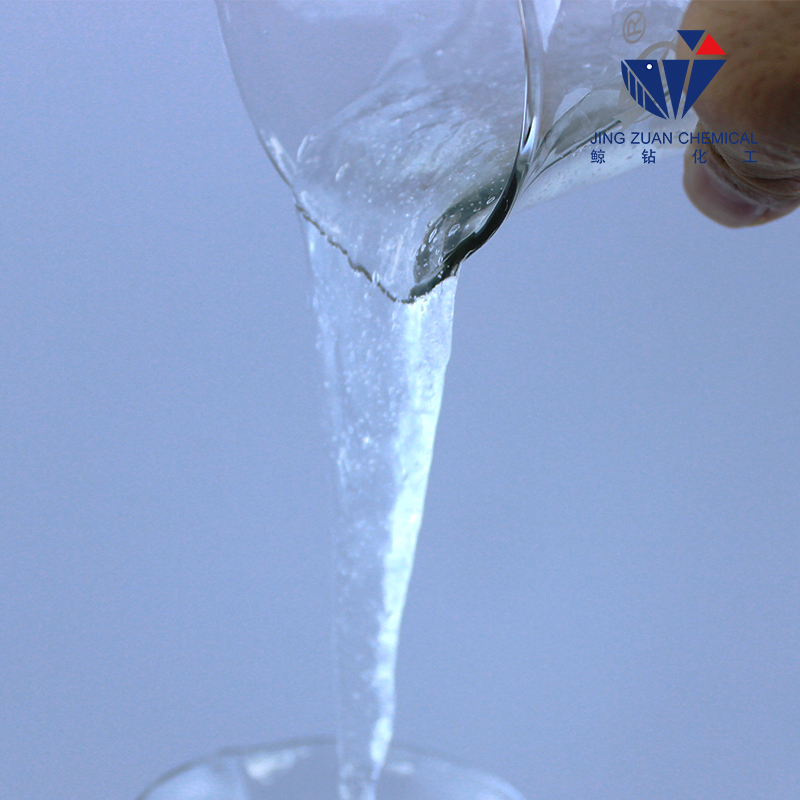
Technical Advantages and Performance Benefits
The strategic integration of HEC into formulations offers a range of significant technical and performance advantages:
- Efficient Thickening: HEC provides excellent thickening efficiency even at low concentrations, allowing for cost-effective formulation and viscosity control.
- Superior Rheology Modification: It imparts pseudoplasticity, which is ideal for systems requiring good flow during application (e.g., pumping, spraying) but high viscosity at rest to prevent sagging or settling.
- Excellent Water Retention: Especially critical in cementitious and gypsum products, HEC significantly improves water retention, enhancing workability, extending open time, and ensuring complete hydration for optimal strength development.
- Protective Colloid Action: HEC stabilizes emulsions and suspensions, preventing phase separation, flocculation, and sedimentation, thereby extending product shelf life and maintaining homogeneity.
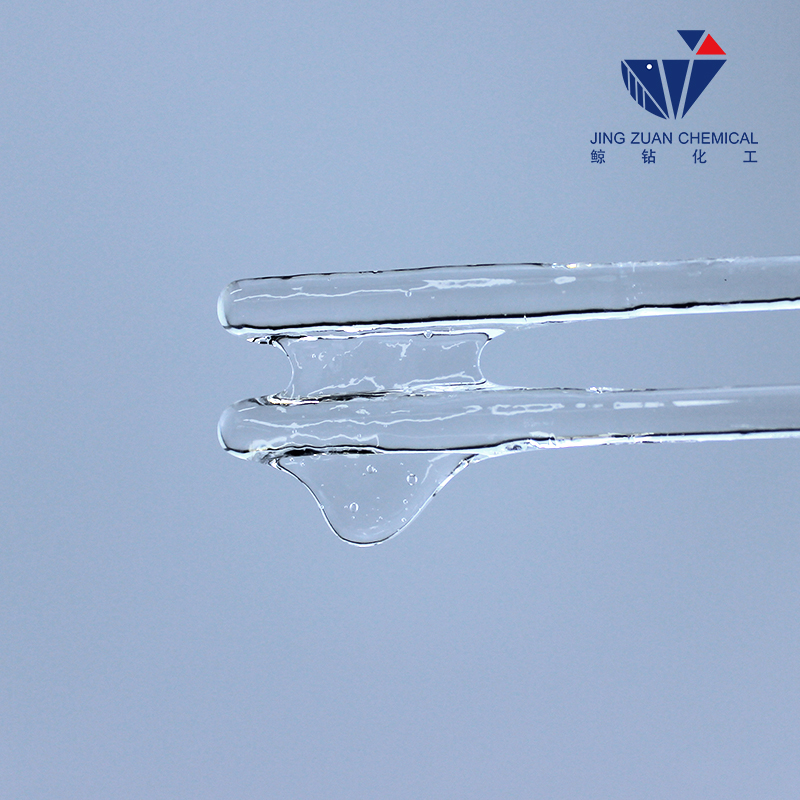
- Film Formation: Its ability to form transparent, flexible films is beneficial in coatings, personal care products, and some pharmaceutical applications, offering protection and enhancing surface properties.
- Temperature and pH Stability: HEC maintains its performance over a wide range of temperatures and pH values, offering robustness in diverse processing and storage conditions compared to other cellulose ethers.
- Enzyme Resistance: Specifically modified grades offer improved resistance to enzymatic degradation, enhancing stability in formulations susceptible to microbial activity.
These advantages contribute directly to improved product quality, enhanced processing efficiency, and extended product durability, providing a compelling case for integrating quality hydroxyethylcellulose for sale into your industrial processes.
Industry Trends and Market Outlook for HEC
The market for Hydroxyethyl Cellulose is experiencing consistent growth, driven by increasing demand in key end-use industries. Global market reports indicate a Compound Annual Growth Rate (CAGR) of approximately 5-7% for the HEC market over the next five to seven years. This expansion is primarily fueled by:
- Growth in Construction: Rapid urbanization and infrastructure development in emerging economies drive demand for high-performance construction additives.
- Expanding Personal Care Sector: Consumer preference for natural and bio-derived ingredients in cosmetics and personal care products boosts HEC utilization.
- Innovation in Coatings: The shift towards water-based, low-VOC (Volatile Organic Compound) paints and coatings favors HEC due to its excellent rheological properties in aqueous systems.
- Advancements in Oil & Gas: Continued exploration and production activities, particularly in challenging environments, require advanced drilling fluid additives like HEC.
Technological advancements are also leading to the development of specialized HEC grades with enhanced properties, such as improved enzyme resistance, faster dissolution rates, and broader pH stability, further expanding its application scope and securing its position as a preferred rheology modifier in various industries. The demand for reliable hydroxyethylcellulose for sale remains robust, underscoring its long-term market viability.
Vendor Comparison and Customized Solutions
Choosing the right supplier for Hydroxyethyl Cellulose is critical for ensuring product consistency and performance. While many suppliers offer hydroxyethyl cellulose for sale, not all provide the same level of quality, technical support, or customization options. CNJZ Chemical distinguishes itself through a commitment to superior quality, technical expertise, and client-centric solutions.
Key Vendor Comparison Factors:
| Feature | CNJZ Chemical (HEC) | Typical Competitor A | Typical Competitor B |
|---|---|---|---|
| Product Purity & Consistency | Excellent (ISO 9001, stringent QC) | Good (Standard QC) | Variable (Price-driven focus) |
| Technical Support & R&D | Dedicated team, application labs, custom solutions | Basic support, limited R&D | Minimal support |
| Customization Capabilities | High (Tailored DS, viscosity, particle size) | Moderate (Limited options) | Low (Off-the-shelf only) |
| Certifications & Compliance | ISO, GMP (where applicable), specific pharmacopoeial grades | Basic ISO | Few, if any |
| Lead Time & Reliability | Optimized supply chain, consistent delivery | Standard lead times, occasional delays | Longer lead times, less predictable |
Our commitment extends to providing customized solutions. Recognizing that standard grades may not always suffice, we offer tailor-made hydroxyethyl cellulose products. This includes modifying degree of substitution, molecular weight, particle size, and hydration rates to precisely match specific application requirements, ensuring optimal performance and cost-efficiency for our partners.
Application Case Studies: cellosize hec in Action
Real-world applications demonstrate the tangible benefits of incorporating high-quality Hydroxyethyl Cellulose:
Case Study 1: Enhanced Performance in Water-Based Decorative Paints
A leading paint manufacturer sought to improve the sag resistance and leveling of their premium interior emulsion paints while maintaining easy brushability. By replacing their existing cellulose ether with a specific grade of hydroxyethyl cellulose from CNJZ Chemical, they achieved:
- A 20% improvement in high-shear viscosity, preventing paint drips during application.
- Enhanced open time by 15%, allowing for smoother finishes and better hide.
- Increased shelf stability, with no hard settling observed after 12 months, leading to reduced returns and waste.
Case Study 2: Optimized Fluid Loss Control in Oilfield Drilling
An oil and gas exploration company operating in challenging geological formations required a drilling fluid additive that could effectively control fluid loss and maintain stable rheology at elevated temperatures and pressures. Our specialized, salt-tolerant HEC grade was deployed, resulting in:
- A 30% reduction in API fluid loss under simulated downhole conditions.
- Consistent viscosity maintenance over 150°C, reducing the need for costly fluid adjustments.
- Improved borehole stability, minimizing wellbore collapse risks and non-productive time.
These examples highlight our commitment to providing tailored solutions that deliver measurable performance enhancements and operational efficiencies.
Ensuring Trust: Certifications, Quality Assurance, and Support
At CNJZ Chemical, trust is built on a foundation of uncompromised quality and transparent operations. Our manufacturing facilities and products adhere to rigorous international standards, demonstrating our commitment to excellence.
Authoritative Certifications:
- ISO 9001:2015 Certified: Our Quality Management System ensures consistent product quality and continuous improvement across all processes.
- ISO 14001:2015 Certified: Reflects our dedication to environmental management and sustainable manufacturing practices.
- cGMP Compliance: For pharmaceutical-grade HEC, our processes align with current Good Manufacturing Practices, guaranteeing product safety and efficacy.
- Pharmacopoeial Grades: Specific HEC grades meet the requirements of USP (United States Pharmacopeia), EP (European Pharmacopoeia), and BP (British Pharmacopoeia) standards, verified by comprehensive test data.
Lead Time and Fulfillment:
We maintain robust inventory levels and efficient logistics networks to ensure reliable supply. Standard lead times for most HEC grades range from 7 to 14 business days, depending on order volume and destination. Expedited shipping options are available upon request. Our dedicated logistics team works closely with clients to optimize delivery schedules and ensure on-time fulfillment, minimizing disruptions to your operations.
Warranty and After-Sales Support:
All HEC products are supplied with a standard product warranty, guaranteeing conformance to specifications for a defined shelf life. Our commitment extends beyond the sale; our technical support team is readily available to assist with formulation queries, troubleshooting, and provide in-depth product knowledge. We offer comprehensive after-sales support, including application guidance, sample testing, and performance optimization recommendations, ensuring your complete satisfaction with our hydroxyethyl cellulose products.
Frequently Asked Questions (FAQ) about HEC
- Q: What is the primary function of HEC in formulations?
- A: HEC primarily functions as a highly efficient thickener, rheology modifier, and water retention agent. It also acts as a protective colloid and film former.
- Q: Is HEC compatible with other common additives?
- A: Yes, being non-ionic, HEC generally exhibits excellent compatibility with a wide range of other raw materials, including most ionic and non-ionic surfactants, polymers, and salts, making it very versatile.
- Q: How does the degree of substitution (DS) affect HEC performance?
- A: The degree of substitution (DS) directly impacts HEC's solubility, viscosity, and other physical properties. Higher DS typically results in better solubility and resistance to enzymatic degradation.
- Q: Can HEC be used in food applications?
- A: While HEC is generally considered safe, specific food-grade hydroxyethyl cellulose products are required for food applications, which must meet stringent regulatory standards (e.g., FCC - Food Chemicals Codex). Always refer to relevant regulations and product documentation.
- Q: What are the storage requirements for HEC?
- A: HEC should be stored in its original sealed packaging in a cool, dry place, away from direct sunlight and moisture. When stored properly, it has a typical shelf life of 24 months from the date of manufacture.
Conclusion: Partnering for Performance with Hydroxyethyl Cellulose
The strategic selection and application of high-quality Hydroxyethyl Cellulose are paramount for achieving superior performance and cost-efficiency in a multitude of industrial formulations. From its meticulous manufacturing process to its diverse application in paints, construction, oil & gas, and personal care, HEC, and particularly the advanced grades of cellosize hec, offers unparalleled benefits as a rheology modifier, thickener, and stabilizer.
CNJZ Chemical stands as a trusted partner, providing not only premium HEC products but also deep technical expertise, customizable solutions, and unwavering commitment to quality and customer satisfaction. By understanding the intricate chemistry and optimizing its application, industries can unlock new levels of product innovation and operational excellence. Explore our range of hydroxyethylcellulose for sale and discover how our expertise can elevate your formulations.
References
- M.G. Lindgren, B. Lindman, Rheology of Cellulose and Cellulose Derivatives: A Review. Carbohydrate Polymers, 2010, 82(2), 291-300.
- K. W. H. Nieswandt, Hydroxyethylcellulose: Production, Properties, and Applications. Ullmann's Encyclopedia of Industrial Chemistry, Wiley-VCH, Weinheim, 2012.
- Market Research Reports, Global Hydroxyethyl Cellulose (HEC) Market Analysis and Forecasts. Various reputable market intelligence firms, 2023-2024.
- ASTM International Standards for Cellulose and Cellulose Derivatives. E.g., ASTM D1347-19, Standard Test Methods for Methylcellulose.
- United States Pharmacopeia (USP) and European Pharmacopoeia (EP) Monographs for Hydroxyethyl Cellulose.
-
Understanding Hydroxypropyl Methyl Cellulose MSDS Safety and Compliance
NewsApr.16,2026
-
Understanding the Hydroxypropyl Methyl Cellulose HS Code for Global Trade
NewsApr.09,2026
-
Comprehensive Guide to Hydroxypropyl Methyl Cellulose CAS Number and Applications
NewsApr.07,2026
-
Comprehensive Guide to Hydroxypropyl Methyl Cellulose cas no and its Diverse Applications
NewsApr.04,2026
-
Comprehensive Guide to Hydroxypropyl Methyl Cellulose Manufacturers and Applications
NewsMar.31,2026
-
Understanding Hydroxypropyl Methyl Cellulose Properties And Diverse Applications
NewsMar.28,2026