
Dec . 07, 2025 18:11 Back to list
China Redispersible Polymer Powder Insights from Industry Experts
Understanding China Redispersible Polymer Powder: A Veteran’s Take
Having spent more than a decade navigating the ins and outs of industrial materials, I can tell you one thing – not all polymer powders are created equal. When it comes to China redispersible polymer powder, there’s a lot more to unpack than just a neat phrase on a spec sheet. Oddly enough, this product, widely used in construction and coatings, feels like an unsung hero in many formulations. It’s the kind of ingredient that engineers quietly rely on, because, frankly, it just works.
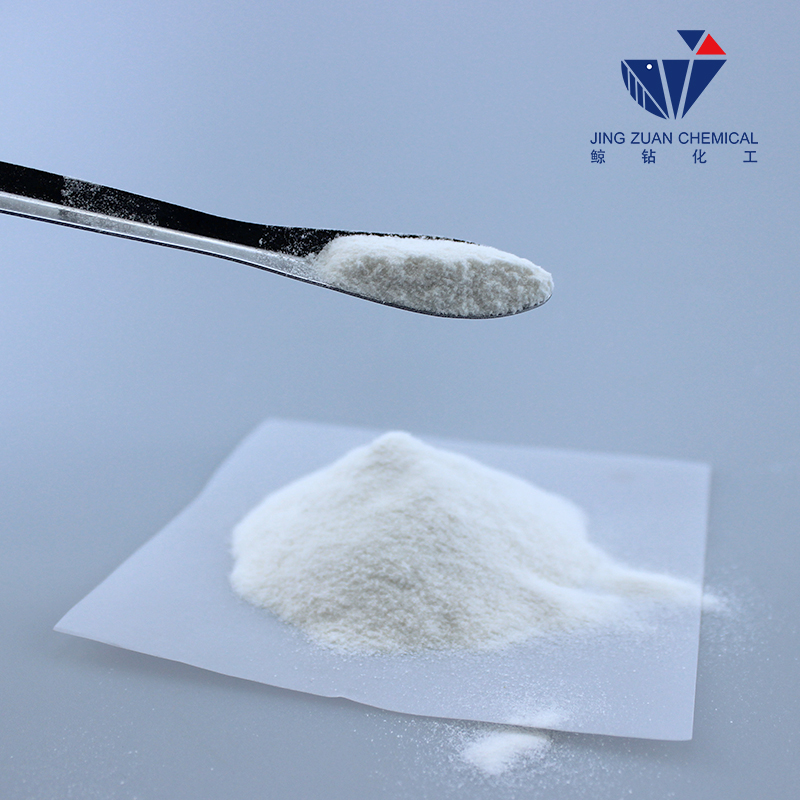
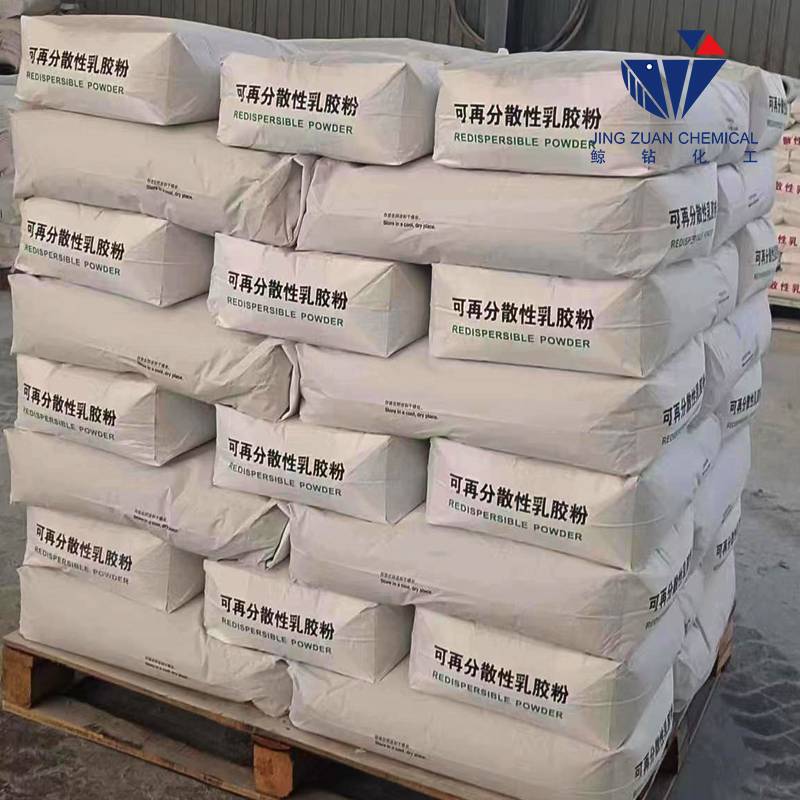
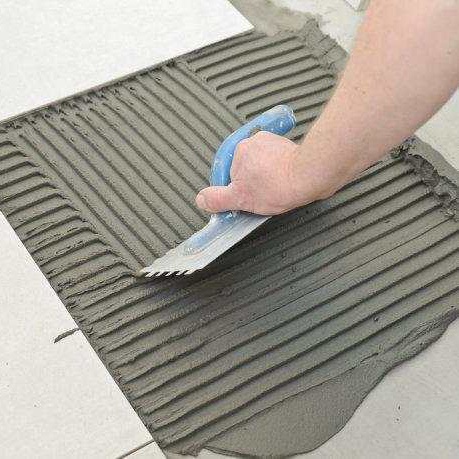
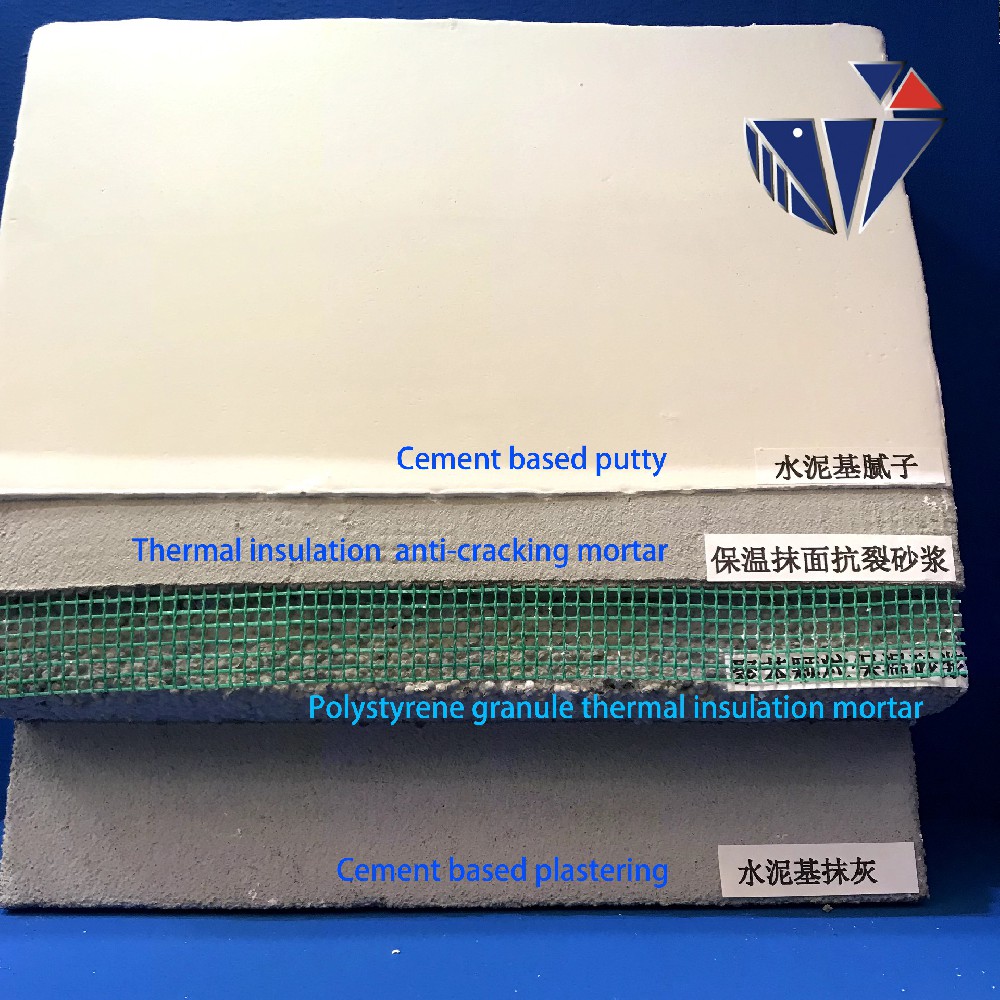
So, what exactly is redispersible polymer powder? In real terms, it’s a dry powder derived from emulsion polymers that can be reactivated with water. This flexibility means it’s invaluable in cement mortars, tile adhesives, and plaster systems. It enhances adhesion, flexibility, and water retention—factors that are crucial when long-term durability comes into play. In my years around plants and labs, I noticed that suppliers in China have really stepped up their game, offering high-quality powders that can often compete head-to-head with European originals.
Delving into Product Specs
Let’s break down a typical redispersible polymer powder you’d find from reputable Chinese manufacturers:
| Property | Typical Value | Notes |
|---|---|---|
| Particle Size | ~50 microns | Ensures proper redispersion |
| Polymer Type | Vinyl Acetate-Ethylene (VAE) | Balances flexibility & adhesion |
| Glass Transition Temp. | -5 to -15 °C | Affects elasticity of final mix |
| Bulk Density | 400-550 kg/m³ | Influences handling and dosing |
| Water Retention | ≥ 90% | Key for curing quality mortars |
In practice, these specs translate into a powder that performs reliably under variable job site conditions. I remember a project in Northern China where temperature swings were brutal; the redispersible powder held its integrity like a champ, ensuring that tile adhesives remained flexible without cracking.
How Does China’s Offering Compare?
Now, you might wonder how Chinese suppliers stack up versus global peers. There’s a lot of chatter, some of it justified, some a bit overwrought. From my perspective, the real differentiators boil down to consistency, technical support, and customization capability:
| Feature | Chinese Vendors | European Vendors |
|---|---|---|
| Price | Generally Lower | Higher |
| Quality Consistency | Improving Rapidly | Very Consistent |
| Technical Support | Varies by Supplier | Generally Strong |
| Customization Options | Increasingly Available | Advanced, but Pricier |
| Delivery & Logistics | Longer Lead Times Sometimes | Typically Faster in Europe |
From what I’ve gathered, many engineers prefer balancing cost with functionality, and China’s offerings often strike this middle ground well. I’m not saying every supplier hits the mark (that’d be naive). But some really have invested in quality assurance and R&D rather than just cheap volume.
Real-World Usage & Some Reflections
One memorable example was when a mid-sized contractor switched from a European redispersible powder to a Chinese brand after a lengthy trial. The results? Comparable adhesion and elasticity with a nice boost in project margin. They did mention minor adjustments needed in water dosage, which is common anytime you switch powders since each batch behaves a little differently.
All in all, working with these powders requires a bit of experience and a willingness to test batches in your specific formulation. So, I always advise: don’t just look at certs or specs on paper. Get samples, run pilot projects, and keep communication channels open with the supplier. That’s where the true value lies.
If you’re new to this field, consider dipping a toe in by exploring trusted sources like China's redispersible polymer powder providers who offer technical backing. It’s a fascinating niche in industrial chemistry that quietly underpins so many of our built environments.
Here’s to smarter materials, better builds, and maybe a bit more appreciation for the humble polymer powder—after all, it’s kind of the glue holding so much together, literally and figuratively.
References:
1. Technical datasheets from leading Chinese polymer powder manufacturers.
2. Field experience from projects in China and Southeast Asia.
3. Industry discussions on construction chemical forums, 2023.
-
Understanding Hydroxypropyl Methyl Cellulose MSDS Safety and Compliance
NewsApr.16,2026
-
Understanding the Hydroxypropyl Methyl Cellulose HS Code for Global Trade
NewsApr.09,2026
-
Comprehensive Guide to Hydroxypropyl Methyl Cellulose CAS Number and Applications
NewsApr.07,2026
-
Comprehensive Guide to Hydroxypropyl Methyl Cellulose cas no and its Diverse Applications
NewsApr.04,2026
-
Comprehensive Guide to Hydroxypropyl Methyl Cellulose Manufacturers and Applications
NewsMar.31,2026
-
Understanding Hydroxypropyl Methyl Cellulose Properties And Diverse Applications
NewsMar.28,2026